
Med info
Strabismus treatment for adults in Jeddah | Strabismus surgery and the best doctor in Jeddah

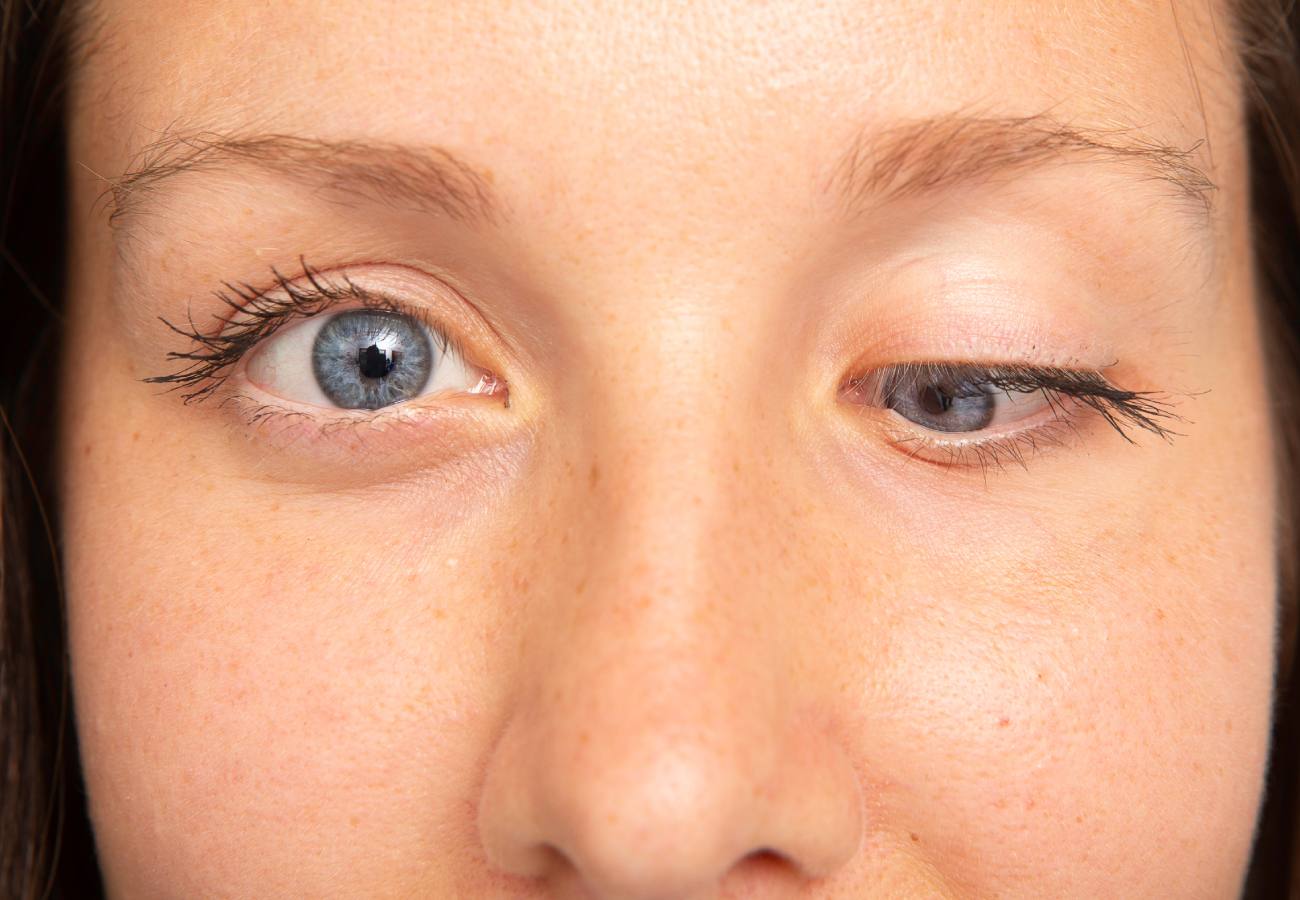
Causes of Strabismus in Adults
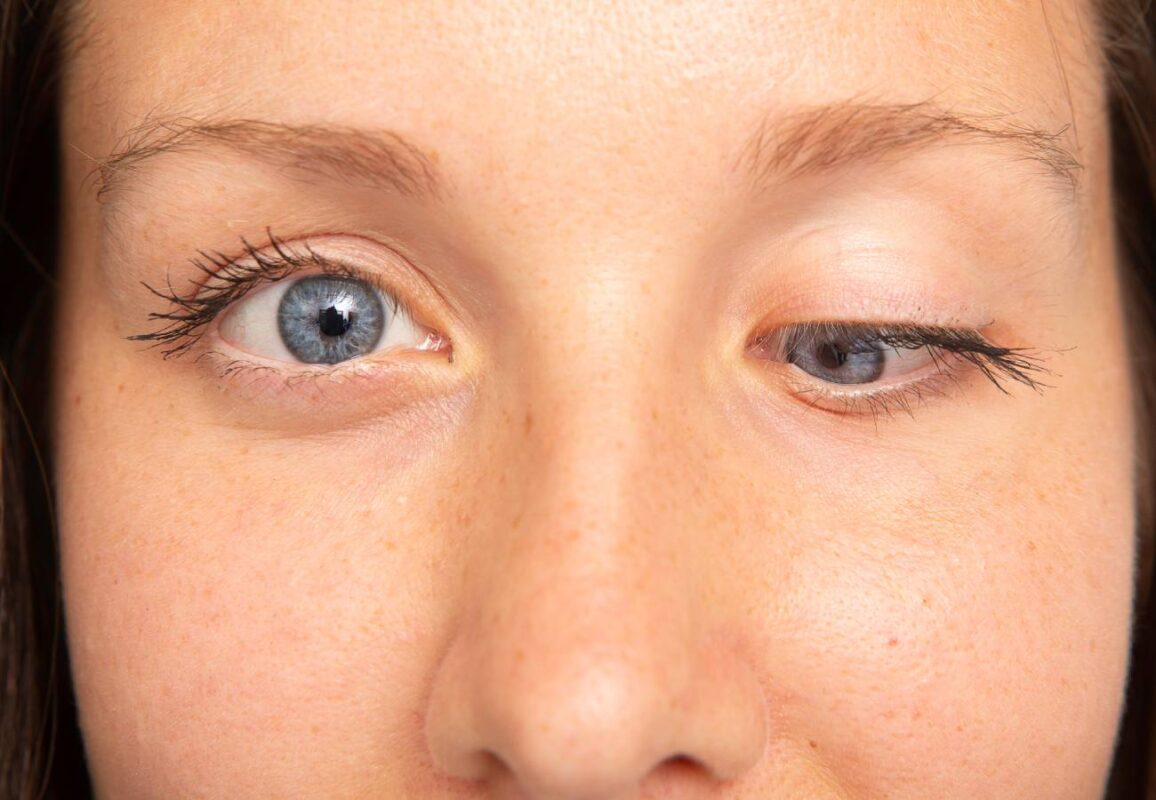
Strabismus in adults can arise from various causes. In some cases, it starts in childhood and persists into adulthood, while in others it appears suddenly later in life.
One of the main causes is weakness or imbalance in the extraocular muscles, or neurological disorders affecting the cranial nerves responsible for eye movements, such as third nerve palsy (oculomotor nerve palsy) or sixth nerve palsy (abducens nerve palsy).
Strabismus may also develop as a complication of systemic conditions like diabetes mellitus, hypertension, or cerebrovascular strokes that damage the centers controlling eye movements in the brain.
In some adults, strabismus appears after direct trauma to the eye or head, or following eye surgery in which ocular alignment was not fully corrected.
Uncorrected refractive errors such as myopia (nearsightedness) or hyperopia (farsightedness), as well as chronic digital eye strain, can also lead to manifest or latent strabismus in adulthood.
Accurately identifying the underlying cause in a specialized strabismus or ophthalmology clinic in Jeddah enables the ophthalmologist to select the most appropriate treatment approach—whether prescription glasses, orthoptic (visual) exercises, botulinum toxin (Botox) injections, or extraocular muscle surgery—aiming for the best possible functional and cosmetic outcome.
How Strabismus Is Diagnosed at Batal Eye Specialty Center in Jeddah
Clinical Examination and Evaluation of Extraocular Muscle Function
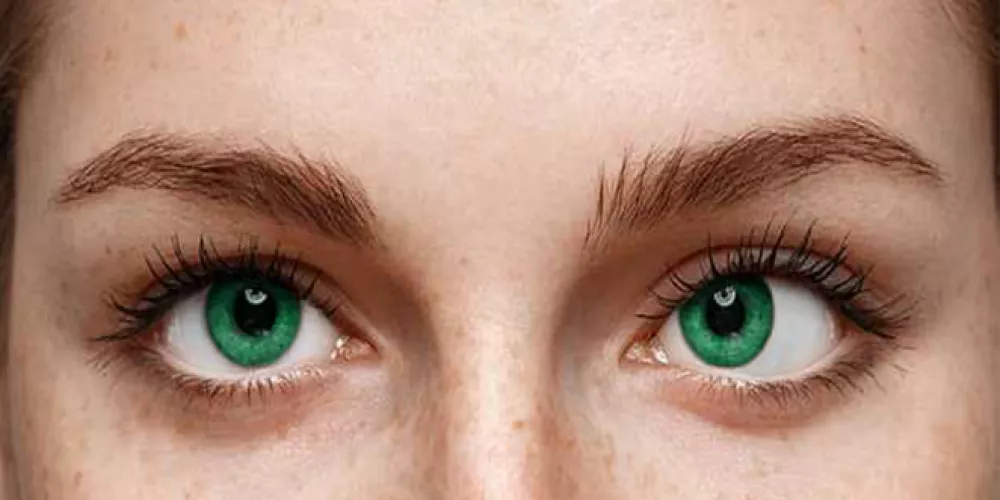
At Batal Specialized Eye Center in Jeddah, the assessment of strabismus in adults begins with a thorough clinical examination performed by ophthalmologists specialized in strabismus.
The position of both eyes is evaluated in primary gaze as well as in right, left, up, and down gaze, while extraocular muscle movements are examined in all directions to assess muscle strength and coordination.
The physician performs simple tests such as the cover–uncover test and alternate cover test to detect any latent or manifest deviation and to measure the angle of strabismus at distance and near.
Visual acuity is tested for each eye separately, and the presence of diplopia (double vision) or visual fatigue is assessed, as these symptoms are common in adults with strabismus and have a significant impact on quality of life and work performance.
This clinical examination is the cornerstone of how strabismus is diagnosed at Batal Specialized Eye Center in Jeddah and forms the basis for selecting an individualized treatment plan for each adult patient.
Complementary Tests: Refraction, OCT, and Neuroimaging When Indicated
Following the clinical examination, Batal Specialized Eye Center in Jeddah relies on a range of complementary investigations to accurately diagnose strabismus in adults and to identify any functional or neurogenic causes.
These tests include detailed refraction to determine the need for glasses or contact lenses and to rule out uncorrected refractive errors that may contribute to the development or persistence of strabismus.
When there is suspicion of retinal or optic nerve pathology, Optical Coherence Tomography (OCT) is performed to obtain high‑resolution images of the retinal layers and optic nerve head, helping to exclude organic causes that may affect ocular alignment and stability.
If there are signs suggesting a neurological etiology for strabismus, or if the patient presents with sudden‑onset diplopia, the physician may recommend cerebellar or brain imaging and cranial nerve evaluation—often with MRI—in collaboration with neurologists, to ensure a thorough and safe diagnostic work‑up.
These complementary investigations make strabismus diagnosis at Batal Specialized Eye Center in Jeddah highly precise and provide a solid foundation for managing adult strabismus in Jeddah according to best medical practice.
The Role of Multidisciplinary Assessment (Including Neurology When Needed)
In certain adult strabismus cases, the diagnostic process at Batal Specialized Eye Center in Jeddah is not limited to the ophthalmologist alone; a multidisciplinary assessment is sought when indicated.
If strabismus is of sudden onset, or associated with headache, limb weakness, or other neurological symptoms, the patient is referred for a comprehensive neurological evaluation in coordination with neurologists.
This collaboration between ophthalmology and neurology helps determine whether the strabismus is due to paresis of one of the ocular motor cranial nerves, or related to pathology in the brain or cerebellum—factors that directly influence the choice of treatment strategy for adult strabismus.
Such an integrated approach to diagnosing strabismus at Batal Specialized Eye Center in Jeddah minimizes the risk of overlooking potential causes and ensures a precise and safe treatment plan, especially for adults with acquired or sudden‑onset strabismus.
Through this multidisciplinary model, adult strabismus management in Jeddah becomes more effective, taking into account the patient’s overall health status and reducing the likelihood of future complications.
Strabismus Treatment Options for Adults in Jeddah
Strabismus treatment options for adults in Jeddah range from non‑surgical approaches to surgical interventions, selected according to the individual case and the degree of ocular deviation.
In many cases, ophthalmologists in Jeddah start with prescription glasses or prism lenses to correct misalignment and improve ocular muscle balance. These may be combined with eye exercises or vision therapy to help the brain fuse the images from both eyes into a single, clear picture.
Botulinum toxin (Botox) injections into the extraocular muscles are also considered an advanced option for managing certain types of mild or intermittent strabismus in adults, as they help relax overactive muscles and improve eye alignment.
For constant or more severe deviations, an ophthalmologist in Jeddah may recommend strabismus surgery on the eye muscles. This procedure involves altering the length or repositioning the muscles to restore proper alignment and enhance both function and appearance.
Choosing the most appropriate treatment plan for adult strabismus in Jeddah is based on a comprehensive evaluation by a subspecialist in strabismus or an experienced ophthalmology consultant, using advanced diagnostic equipment to achieve optimal results and minimize potential complications.
Eye Muscle Surgery (Strabismus Surgery)
Eye muscle surgery is one of the main treatment options for adult strabismus in Jeddah, especially when the eye deviation is obvious or persistent.
During the procedure, the ophthalmic surgeon adjusts the length or tension of the extraocular muscles to improve the alignment of the eyes, which enhances both functional vision and cosmetic appearance.
Strabismus surgery is usually performed under local or general anesthesia, depending on the patient’s condition, and only after thorough evaluation, including measurements of the deviation angle and detailed examination of the retina and optic nerve.
In advanced strabismus centers in Jeddah, modern surgical techniques are used to minimize pain and shorten recovery time, allowing most patients to resume their daily activities within a few days.
Surgery does not always eliminate the need for glasses or vision therapy, but it is often a key step in improving eye position and reducing symptoms such as double vision and eye strain.
Botulinum Toxin (Botox) Injections for Strabismus
Botox injections into the eye muscles are an effective treatment option for certain adult strabismus cases in Jeddah, particularly when the deviation is due to overaction of a specific muscle or when immediate surgery is not preferred.
Botulinum toxin works by temporarily weakening the overacting muscle, allowing the eye to move into a more natural position and reducing double vision in some patients.
The injection is given in the clinic or a minor operating room under local anesthesia, and the ophthalmologist determines the dose and exact injection site based on precise angle measurements of the deviation.
The effect of Botox usually appears within days to a few weeks, and some patients may need repeat injections depending on the eye’s response. This option is widely used in many specialized strabismus centers in Jeddah.
Prescription Glasses and Prismatic Lenses
Prescription glasses and prismatic lenses are among the most common treatments for adult strabismus in Jeddah, especially when the deviation is associated with refractive errors or a mild misalignment.
Standard lenses correct refractive errors such as myopia, hyperopia, and astigmatism, which reduces visual effort and improves the ability to maintain stable fixation.
Prismatic lenses are used to alter the path of incoming light, helping to reduce or eliminate double vision and allowing the brain to fuse the images from both eyes into a single picture.
Glasses or prismatic lenses are prescribed after a comprehensive examination by a strabismus specialist or consultant in Jeddah, and are often considered a first-line option before moving on to surgery or Botox in selected cases.
Vision Therapy and Eye Exercises
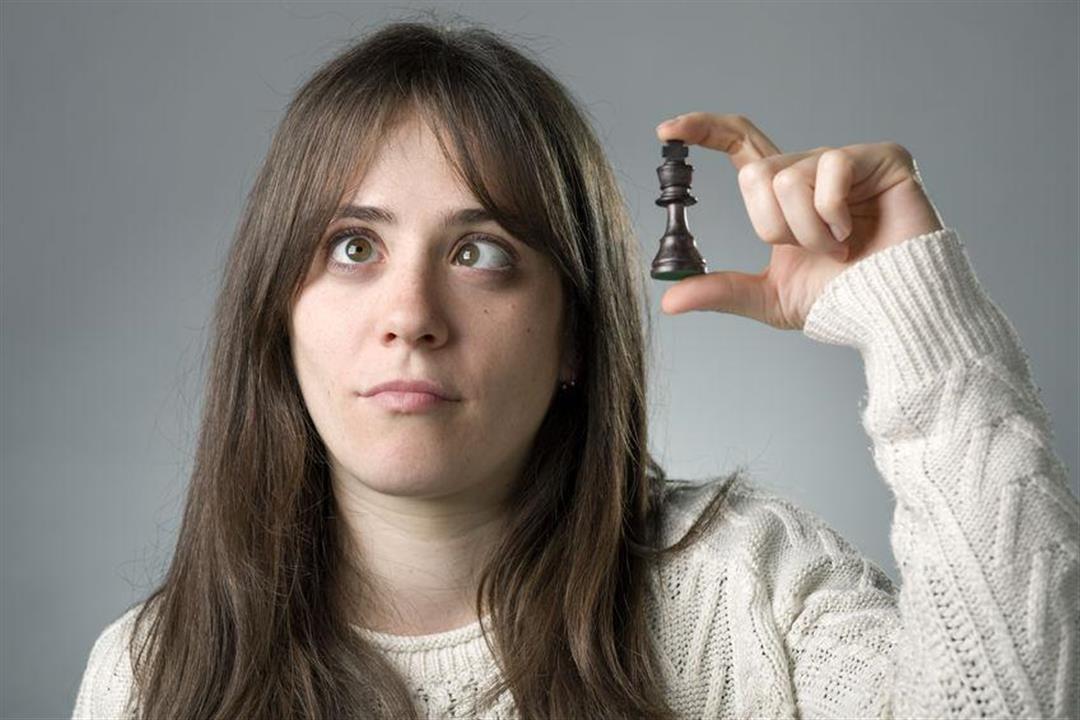
Vision therapy and eye exercises are supportive treatment options for adult strabismus in Jeddah, particularly in functional cases or after surgical intervention.
This type of therapy aims to train the eyes and brain to work together more efficiently through targeted exercises designed to improve focusing ability, fixation, and binocular coordination.
An optometrist specialized in vision therapy or an ophthalmologist designs an individualized exercise program that can be performed in the clinic and/or at home, with regular follow-up to monitor progress.
Although eye exercises alone are not sufficient to treat all types of adult strabismus, they are frequently included as part of a comprehensive treatment plan in strabismus centers in Jeddah to enhance outcomes and reduce bothersome visual symptoms.
Can Strabismus Be Treated with Laser?
When exploring treatment options for adult strabismus in Jeddah, many patients wonder whether laser can correct the condition.
Currently, laser is not used as a direct treatment for strabismus itself, because the problem usually lies in the balance and function of the extraocular muscles rather than in the corneal surface alone.
Laser procedures, such as LASIK and other refractive surgeries, are used to correct refractive errors like myopia and hyperopia. In some cases, improving visual clarity may reduce visual strain and help with control of the deviation, but it is not considered a primary treatment for strabismus.
Therefore, adult strabismus management in Jeddah relies mainly on surgery, Botox injections, prescription glasses and prismatic lenses, and vision therapy, while the role of laser remains indirect and limited in this field.
Management of Secondary Strabismus
Some adult strabismus cases in Jeddah are secondary to other medical conditions such as diabetes, stroke, head trauma, or thyroid eye disease.
In these situations, management of strabismus involves an integrated treatment plan starting with control of the underlying condition, in coordination with other specialties such as neurology, endocrinology, and internal medicine.
In addition, the patient may require special glasses, prismatic lenses, Botox injections, or eye muscle surgery depending on the degree of deviation and its stability after treating the primary cause.
Early diagnosis and follow-up at specialized adult strabismus centers in Jeddah help in formulating a comprehensive treatment strategy that reduces complications and improves both visual function and quality of life.
How Strabismus Is Diagnosed at Batal Eye Specialist Center in Jeddah (for Research Purposes)
At Batal Eye Specialist Center in Jeddah, adult strabismus is diagnosed through a series of detailed assessments designed to identify the underlying cause and determine the most appropriate treatment plan for each patient.
The ophthalmologist begins by taking a comprehensive medical history, including the onset of the eye deviation, associated symptoms such as blurred vision, headaches, or diplopia (double vision), and any systemic conditions like diabetes or thyroid disorders.
This is followed by a thorough eye examination, including assessment of visual acuity in each eye separately. Ocular motility and extraocular muscles are then evaluated in all directions of gaze using specialized tests to determine the angle and type of strabismus (esotropia, exotropia, vertical deviation, or combined forms).
Clinicians at Batal Center also rely on cover tests (Cover Test) and the use of prisms to accurately quantify the degree of ocular misalignment. In addition, a detailed fundus examination and evaluation of the optic nerves are performed to ensure that the retina and optic nerve are structurally intact.
In selected cases, further investigations may be requested, such as magnetic resonance imaging (MRI) or laboratory tests, particularly when a neurological or muscular etiology is suspected.
This meticulous diagnostic approach to adult strabismus in Jeddah enables the team to tailor the most suitable management strategy—whether prescription glasses, orthoptic (eye) exercises, botulinum toxin injections, or strabismus surgery to realign the eye muscles—aiming to achieve the best possible functional and cosmetic outcome for the patient.
The Best Strabismus Specialist for Adults in Jeddah (Search‑Friendly Version)
Dr. Ahmed Al-Batal – Advanced Expertise in Strabismus Treatment and Eye Deviation Correction
Dr. Ahmed Al-Batal is considered one of the leading consultants for adults seeking the best strabismus specialist in Jeddah, thanks to his extensive experience in diagnosing and managing complex cases of strabismus and ocular misalignment.
He bases his practice on a comprehensive assessment of ocular alignment, the degree of deviation, and the impact of strabismus on double vision and cosmetic appearance, which enables him to select the most appropriate treatment plan for each individual patient.
His expertise covers the use of advanced surgical techniques to adjust the extraocular muscles, as well as non-surgical therapies such as corrective glasses, prism lenses, and orthoptic (eye muscle) exercises when indicated.
This comprehensive, tailored approach makes Dr. Ahmed Al-Batal a preferred choice for many adults in Jeddah who seek safe and effective strabismus treatment, with an emphasis on achieving the best possible functional and cosmetic outcomes.
How is the appropriate treatment determined for each case?
In adults with strabismus in Jeddah, the treatment plan is tailored individually after a thorough and detailed assessment. The ophthalmologist begins with a comprehensive eye examination that includes visual acuity testing, precise measurement of the angle of deviation, assessment of extraocular muscle function, and screening for associated problems such as reduced vision (amblyopia) or double vision (diplopia).
The choice of treatment depends on several factors: the type of strabismus (intermittent or constant), its underlying cause (muscular, neurological, post-surgical, or post-traumatic), as well as the patient’s age, overall health status, and expectations from treatment.
In some cases, conservative management is sufficient, such as prescription glasses, prism lenses, or structured eye muscle exercises (orthoptic therapy). When non-surgical options are not enough to correct the misalignment, surgery on the extraocular muscles may be recommended to reposition or adjust them and improve ocular alignment.
Strabismus centers for adults in Jeddah often rely on advanced diagnostic tools, including digital imaging and computerized measurements of ocular deviation, to design an accurate treatment strategy and reduce the risk of recurrence.
Most importantly, the treatment decision is made through shared discussion between the patient and the physician, after clearly explaining the available options, expected outcomes, and recovery time, to achieve the best possible alignment, enhance cosmetic appearance, improve vision, and ultimately elevate the patient’s quality of life.
Pre‑ and Post‑Operative Tips for Strabismus Surgery in Adults
Before undergoing strabismus surgery for adults in Jeddah, it is advisable to choose a consultant ophthalmologist who specializes in adult strabismus surgery. Make sure to discuss your full medical history, including hypertension, diabetes, and the use of blood‑thinning medications, and to complete all necessary assessments to measure the angle of deviation, evaluate extraocular muscle strength, and confirm that you are fit for anesthesia. It is also recommended to stop smoking and optimize control of chronic conditions to increase the likelihood of a successful outcome.
After strabismus surgery, you must strictly follow your ophthalmologist’s instructions in Jeddah. Use antibiotic and anti‑inflammatory eye drops exactly as prescribed, and avoid rubbing the eye or exposing it to water or dust during the first few days. You should also refrain from lifting heavy objects and from high‑impact sports until your doctor allows you to resume such activities.
Your doctor may prescribe corrective glasses or recommend eye exercises to improve visual fixation after surgery. Therefore, it is essential to attend all follow‑up appointments to monitor muscle healing and refine the angle of alignment, and to seek immediate medical attention if you experience sudden severe pain, marked redness, or an abrupt deterioration in vision.
These pre‑ and post‑operative guidelines help reduce the risk of complications, speed up recovery, and enhance both the cosmetic and functional outcomes of strabismus treatment in adults in Jeddah.
Book a Strabismus Treatment Consultation for Adults in Jeddah Now at Batal Eye Specialty Center – Optimized for Your Search Intent
If you are experiencing adult strabismus (eye misalignment) and looking for the best specialist in Jeddah, you can now book a consultation at Batal Eye Specialty Center. The center offers precise assessment of eye alignment and comprehensive diagnosis using the latest equipment for evaluating strabismus and refractive/visual alignment disorders in adults.
The center brings together a distinguished team of ophthalmology consultants specialized in managing adult strabismus using a range of evidence‑based options, including prescription glasses, orthoptic (eye) exercises, botulinum toxin (Botox) injections, or strabismus corrective surgery, depending on your medical condition and lifestyle needs.
Scheduling a strabismus consultation at Batal Eye Specialty Center in Jeddah can help improve visual clarity, reduce double vision (diplopia), enhance the cosmetic appearance of the eyes, and boost self-confidence, with continuous medical follow‑up and an individualized treatment plan for every patient.
You can easily contact the center and book your appointment online or via phone to consult with some of the best strabismus specialists in Jeddah without delay, and begin a safe and effective treatment journey based on solid medical evidence and international standards in ophthalmology.
Patient Guide | Common Questions About Strabismus Treatment in Adults
Can adult strabismus be completely cured?
Definitive treatment of strabismus in adults depends on the underlying cause, how long it has been present, and the condition of the extraocular muscles and the nerves supplying them.
In many cases, the eye alignment can be significantly improved, and sometimes fully corrected, through strabismus surgery to adjust the eye muscles, or with special glasses, botulinum toxin (Botox) injections, or vision therapy (orthoptic exercises).
In Jeddah, there are specialized eye centers and clinics experienced in managing adult strabismus. The ophthalmologist performs a detailed assessment to determine the chances of long‑term correction and to reduce the risk of recurrence.
It is important to understand that treating strabismus in adults is not just for cosmetic reasons. The goals also include reducing double vision, relieving eye strain, and improving overall quality of life.
Is strabismus surgery painful?
Strabismus surgery in adults is usually performed under general anesthesia or local anesthesia with sedation, so the patient does not feel pain during the procedure itself.
After surgery, patients may experience some discomfort, mild burning, or a foreign‑body sensation in the eye for a few days. These symptoms are expected and are generally controlled with simple painkillers and eye drops prescribed by the doctor.
In our patient guide on adult strabismus treatment, we clarify that severe pain is uncommon. Any unusual increase in pain, marked redness, or discharge should be reported to the ophthalmologist immediately to ensure the eye is safe.
How long does strabismus surgery take?
Strabismus surgery in adults typically takes about 45 minutes to 1.5 hours, depending on how many eye muscles need adjustment, the patient’s overall condition, and the surgeon’s experience.
In most strabismus centers in Jeddah, the procedure is done as day surgery, where the patient is admitted and discharged on the same day after a short observation period in the recovery area.
Before surgery, the ophthalmologist will explain the expected duration and the steps of the procedure as part of the patient information process, to provide reassurance and answer common questions before entering the operating room.
Can strabismus be treated without surgery?
In some adult strabismus cases, non‑surgical options can be used, especially when the deviation is mild or related to visual fatigue or uncorrected refractive errors.
These options include prescription glasses or prism lenses to reduce the angle of deviation or alleviate double vision, tailored vision therapy/orthoptic exercises for specific types of strabismus, or botulinum toxin injections into selected eye muscles.
However, surgery remains the best option for many stable, moderate to advanced cases of adult strabismus. In Jeddah, the ophthalmologist will determine the most appropriate treatment plan after a thorough examination and detailed evaluation of each case.
Is Botox effective for treating strabismus?
Botulinum toxin injections into the eye muscles can be an effective treatment in selected adult strabismus cases, especially when the misalignment is due to a mild imbalance in muscle strength or in relatively recent‑onset deviations.
Botox works by temporarily weakening the overacting muscle, allowing the eyes to straighten or come closer to normal alignment. It may be used as a temporary alternative to surgery or as an adjunctive treatment following surgery.
The effect of Botox is usually temporary, lasting several months, and repeat injections may be required, depending on the ophthalmologist’s assessment.
In the adult strabismus treatment guide in Jeddah, it is emphasized that Botox is not suitable for every case; the decision depends on a careful evaluation of the type of strabismus, its stability, and the patient’s expectations.
Does laser correct strabismus?
At present, laser is not used as a primary treatment to correct strabismus in adults. Standard management of strabismus relies mainly on surgical adjustment of the extraocular muscles, botulinum toxin injections, and vision therapy.
Laser in ophthalmology is reserved for other conditions such as corneal refractive surgery (e.g., LASIK), retinal treatments, or managing glaucoma, but it does not realign the eye muscles responsible for strabismus.
Therefore, when seeking strabismus treatment in Jeddah, it is important to know that the main options are surgery and supportive therapies, not laser.
How much does strabismus surgery cost in Jeddah?
The cost of adult strabismus surgery in Jeddah varies according to several factors, including the surgeon’s reputation and experience, the level of the hospital or medical center, the type of anesthesia, and the complexity of the strabismus (single vs multiple muscles, one eye vs both eyes).
In general, fees may range from several thousand to tens of thousands of Saudi riyals. It is always advisable to request a detailed cost estimate that covers the surgeon’s fee, operating room charges, anesthesia, and pre‑ and post‑operative investigations.
As part of the adult strabismus FAQ, patients are encouraged to compare several eye centers in Jeddah, taking into account the quality of care and medical expertise, not just the price.
Is strabismus treatment covered by insurance?
Insurance coverage for adult strabismus surgery in Jeddah depends on the specific policy, the insurer’s regulations, and whether the condition is classified as medically necessary or purely cosmetic.
In many situations, strabismus treatment is considered medically necessary rather than only cosmetic, particularly when it causes double vision, persistent headaches, or impacts the ability to work or drive.
Patients should contact their insurance company before surgery and provide a detailed medical report from the ophthalmologist explaining that strabismus correction is medically indicated. This can improve the chances of obtaining partial or full coverage.
When are the results of surgery visible?
Initial results of strabismus surgery in adults are visible immediately after the procedure, and improved eye alignment can often be seen right away. However, the final evaluation of ocular alignment may take several weeks.
During the first two weeks, patients may notice some redness, mild swelling, or temporary double vision. These usually improve gradually as the tissues heal and the brain adapts to the new eye position.
In the Jeddah adult strabismus patient guide, doctors recommend regular follow‑up visits—typically after one week, after one month, and then as needed—to ensure a stable outcome and manage any bothersome symptoms.
Can strabismus come back after treatment?
Yes, in some cases, strabismus may partially recur or change over time after surgery or other treatments, especially when there is underlying nerve weakness, a large difference in vision between the two eyes (anisometropia), or complex long‑standing childhood strabismus.
Nonetheless, most patients achieve significant and long‑lasting improvement, particularly when treated by an ophthalmologist who specializes in adult strabismus and when they adhere to scheduled follow‑up appointments.
If any change in eye alignment is noticed sometime after strabismus treatment in Jeddah, the condition can be reassessed. Additional minor treatment or secondary adjustment surgery may be suggested to optimize the final result.