
Med info
Diabetic retinopathy treatment in Yanbu | Your comprehensive guide to preserving your vision with the latest technologies

What is Diabetic Retinopathy?
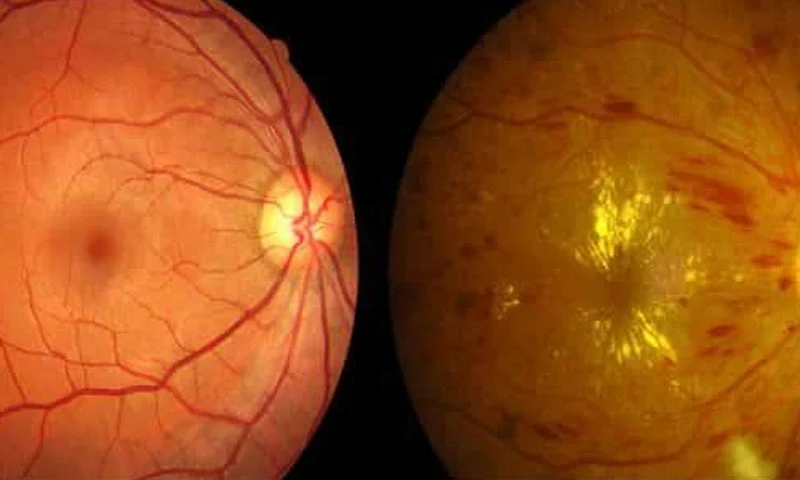
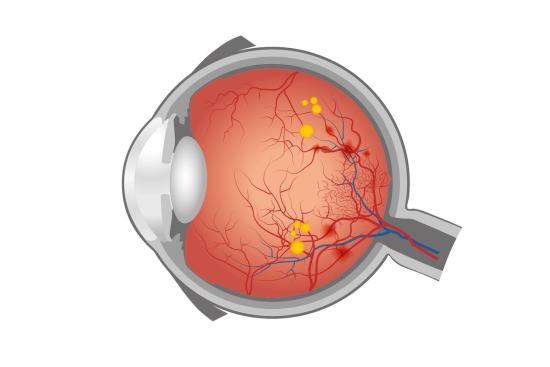
Diabetic retinopathy is one of the most serious eye complications of diabetes. It occurs when chronically elevated blood sugar levels damage the tiny blood vessels that supply the retina.
This damage can lead to leakage of fluid or bleeding within the retinal tissue, resulting in blurred vision, the appearance of dark floaters, and—in advanced stages—progressive vision loss that may become permanent if not treated in time.
Diabetic retinopathy is usually classified into stages, starting with mild non‑proliferative retinopathy, then progressing to moderate and severe non‑proliferative stages, and finally to proliferative diabetic retinopathy, which is more dangerous and is characterized by the growth of fragile, abnormal new blood vessels inside the eye.
Understanding the nature of this disease helps people with diabetes in Yanbu recognize how crucial regular eye examinations and early detection are, so that treatment can begin before diabetic retinopathy in Yanbu reaches advanced stages that are much harder to manage.
Causes and Risk Factors for the Development of Diabetic Retinopathy (in line with the research intent)
Chronic Hyperglycemia
Persistent, poorly controlled high blood sugar is one of the most important causes and risk factors for developing diabetic retinopathy.
When blood glucose levels remain elevated for long periods, the tiny blood vessels that supply the retina gradually become damaged, leading to their weakening, bleeding, or leaking of fluid into the retinal tissue.
This cumulative damage increases the likelihood of vision loss over time if diabetes is not well controlled.
For this reason, people with diabetes in Yanbu are advised to follow a strict treatment plan that includes proper blood sugar management and regular check‑ups with an ophthalmologist to detect any early signs of diabetic retinopathy before it progresses to advanced stages.
Ongoing glycemic control is a cornerstone of prevention and helps reduce the need for complex treatments for diabetic retinopathy in Yanbu.
High Blood Pressure
Hypertension is a major factor that accelerates the progression of diabetic retinopathy.
Elevated blood pressure places additional stress on the small blood vessels inside the eye, making them more prone to damage and leakage, especially in people with diabetes whose vessels are already affected by chronic hyperglycemia.
The combination of diabetes and hypertension greatly increases the risk of serious retinal complications, such as retinal hemorrhages or diabetic macular edema, both of which can directly impair visual acuity.
Therefore, controlling blood pressure alongside blood glucose is an essential part of preventing and managing diabetic retinopathy in Yanbu. Patients are advised to monitor their blood pressure regularly and follow up with an internist or cardiologist in addition to their eye specialist.
Cholesterol and Blood Lipids
Dyslipidemia and elevated cholesterol levels are important risk factors that can hasten the development of diabetic retinopathy.
High levels of cholesterol and triglycerides promote the buildup of lipids within the retinal microvasculature, leading to fatty deposits (hard and soft exudates) that can interfere with the delivery of blood and oxygen to retinal cells.
This disturbance contributes to progressive retinal damage and increases the likelihood of requiring interventions such as intravitreal injections or retinal laser therapy.
Adopting a healthier lifestyle, following a balanced diet, and using lipid‑lowering medications when indicated are key components of preventing and slowing the progression of diabetic retinopathy in patients in Yanbu.
Keeping blood lipids under control helps protect the eyes and preserve vision for as long as possible.
Duration of Diabetes
The longer a person has diabetes, the higher their risk of developing diabetic retinopathy and its complications.
Over many years of disease, the retinal blood vessels are continuously exposed to the harmful effects of elevated blood glucose, even when treatment is generally adequate.
Studies show that most patients with type 1 or type 2 diabetes are at varying degrees of risk for diabetic retinopathy after several years of living with the disease, particularly if other risk factors such as hypertension or hyperlipidemia are present.
For this reason, anyone in Yanbu who has had diabetes for several years is strongly advised to undergo regular eye examinations, even in the absence of symptoms. Early detection of retinal changes makes it possible to start treating diabetic retinopathy in its initial stages, before it causes significant visual impairment.
Pregnancy
Pregnancy is a particularly sensitive period during which diabetic retinopathy can progress more rapidly in women with pre‑existing diabetes.
Hormonal and metabolic changes during pregnancy can affect blood glucose stability, making glycemic control more difficult and increasing stress on the retinal microcirculation.
Women with gestational diabetes or pre‑existing type 1 or type 2 diabetes may notice faster changes in their eye condition if blood sugar is not carefully managed.
Women with diabetes in Yanbu are therefore advised to have a comprehensive dilated fundus examination before conceiving whenever possible, followed by regular monitoring throughout pregnancy and after delivery, to ensure that diabetic retinopathy does not develop or advance to a more severe stage.
Close coordination between the obstetrician, endocrinologist, and ophthalmologist is essential to design an integrated care plan that safeguards both the mother’s health and her vision during pregnancy.
Signs and Symptoms of Diabetic Retinopathy

Blurred vision
Blurred vision is one of the most common signs of diabetic retinopathy. Patients often notice it when trying to read, use their phone, or focus on fine details.
This blurring occurs when fluid leaks from the tiny retinal blood vessels, leading to swelling of the macula (the center responsible for sharp vision) or changes in retinal thickness.
If you are a diabetic patient in Yanbu and have noticed that your vision is no longer as clear as it used to be, or that you need to bring objects closer than usual, this may be an early indicator of diabetic retinopathy. In such cases, you should see an eye specialist to assess your condition and start appropriate treatment before serious complications occur.
Floaters
Seeing floaters in your field of vision—such as small dark spots or transparent strands that drift with eye movement—is an important sign of diabetic retinopathy, particularly in advanced stages or when vitreous hemorrhage occurs.
These floaters are often caused by blood or other substances leaking from abnormal retinal blood vessels, and they may signal the onset of more serious complications such as retinal detachment.
If you notice a sudden increase in the number of floaters, or if they are accompanied by flashes of light, you must urgently consult an ophthalmologist in Yanbu. Early intervention in treating diabetic retinopathy is crucial to protecting your eyesight and preventing permanent vision loss.
Poor night vision
Reduced night vision is a symptom many people with diabetes tend to overlook, yet it is an early sign that the retina is being affected and pathological changes are beginning to occur.
Patients may experience difficulty driving at night, trouble seeing steps and pathways in dim lighting, or a need for stronger lighting than usual to carry out everyday tasks.
This decline in night vision is linked to damage of the light-sensitive cells in the retina due to prolonged high blood sugar levels. Paying attention to this symptom and discussing it with an eye doctor in Yanbu can help detect diabetic retinopathy at an early stage and allow for a treatment plan that preserves visual quality.
Sudden loss of vision
Sudden loss of vision is one of the most serious warning signs of diabetic retinopathy and often indicates acute complications such as vitreous hemorrhage, retinal detachment, or severe macular edema.
This loss of vision may affect part of the visual field or cause complete loss of sight in one or both eyes, and it is usually a consequence of advanced, untreated diabetic retinopathy.
If a person with diabetes in Yanbu experiences any sudden or rapidly worsening deterioration in vision, this is an emergency that requires immediate evaluation by an ophthalmologist or a visit to the emergency department. Prompt treatment at this stage can make a critical difference in regaining some vision or preserving the remaining eyesight.
Stages of Diabetic Retinopathy in Support of the Research Objective

Proliferative Diabetic Retinopathy
Proliferative diabetic retinopathy (PDR) is an advanced stage of diabetic retinopathy that develops when parts of the retina are deprived of adequate blood supply for a prolonged period. In response, the eye begins to form new, abnormal blood vessels (neovascularization) in an attempt to compensate for the lack of oxygen.
These new vessels are extremely fragile and prone to bleeding into the vitreous cavity, leading to marked visual disturbance or even sudden vision loss. They may also be associated with fibrous tissue formation and traction on the retina, which can progress to tractional retinal detachment if not treated in a timely manner.
In diabetic retinopathy treatment centers in Yanbu, early detection of PDR is crucial. Ophthalmologists use fluorescein angiography to evaluate retinal blood flow, and panretinal photocoagulation (PRP) laser therapy to suppress the growth of abnormal vessels. In addition, intravitreal injections of anti‑VEGF (anti‑vascular endothelial growth factor) agents are commonly used. In more advanced cases, pars plana vitrectomy may be recommended to preserve the remaining vision.
Diabetic Macular Edema
Diabetic macular edema (DME) is one of the most significant complications of diabetic retinopathy and occurs when fluid leaks from damaged retinal blood vessels and accumulates in the macula—the area responsible for sharp central vision.
DME is the most common cause of visual impairment in patients with diabetes. Affected individuals experience blurring of central vision, difficulty reading and seeing fine details, and may notice that straight lines appear wavy or distorted.
In diabetic retinopathy clinics in Yanbu, DME is diagnosed using optical coherence tomography (OCT), which accurately measures macular thickness. Based on the findings, a tailored treatment plan is developed that may include intravitreal anti‑VEGF injections, intravitreal corticosteroid injections, and in selected cases focal or grid laser treatment, depending on the condition of the retina.
Strict control of blood glucose, blood pressure, and cholesterol remains the cornerstone of managing diabetic macular edema and reducing the risk of recurrence. Patients in Yanbu are advised to have regular follow‑up with both their ophthalmologist and diabetologist to achieve the best possible long‑term visual outcomes.
The importance of regular retinal screening in Yanbu (for research-oriented intent)
Regular retinal screening in Yanbu is a cornerstone of preventing complications of diabetic retinopathy and detecting it at an early stage, before it causes permanent visual impairment.
In diabetes, the tiny blood vessels supplying the retina can gradually become damaged without any noticeable symptoms at first. For this reason, ophthalmologists in Yanbu recommend a comprehensive dilated fundus examination and retinal imaging at least once a year, or as frequently as advised by the treating physician.
Early retinal screening in Yanbu helps in diagnosing diabetic retinopathy in its initial stages, which allows timely initiation of appropriate treatment such as intravitreal injections, retinal laser therapy, or other evidence‑based options for managing diabetic retinopathy, before the disease progresses to vitreous hemorrhage, retinal detachment, or severe loss of vision.
Regular examinations also enable the physician to monitor how well blood sugar, blood pressure, and cholesterol are being controlled and how this is affecting ocular health, and to provide tailored medical advice for each patient according to their individual condition.
If you have diabetes and live in Yanbu, adhering to a regular retinal screening schedule with a specialized ophthalmologist is a real investment in preserving your eyesight and reducing the likelihood of needing complex, invasive interventions in the future.
Examinations and Diagnosis at Batal Eye Specialty Center in Yanbu

Fundus Examination and Visual Acuity Assessment
At Batal Eye Specialty Center in Yanbu, the evaluation of diabetic retinopathy starts with a comprehensive fundus examination and visual acuity testing to allow early detection of any retinal changes.
Pupil dilation is performed using special eye drops, after which the ophthalmologist employs advanced imaging and examination devices to carefully evaluate the fundus. This helps in detecting retinal hemorrhages, exudates, and diabetic macular edema.
Visual acuity is measured using standardized eye charts to determine the degree of visual impairment and whether the patient requires glasses, medical therapy, or laser intervention.
These fundamental assessments at Batal Eye Specialty Center in Yanbu represent the first step in formulating a tailored treatment plan for diabetic retinopathy in each individual case.
Fluorescein Angiography and OCT
As part of the diagnostic work-up at Batal Eye Specialty Center in Yanbu, fluorescein angiography is used to assess retinal blood flow in patients with diabetes.
A safe fluorescent dye is injected intravenously, followed by a series of fundus images that help identify areas of leakage, vascular occlusion, or abnormal neovascularization associated with diabetic retinopathy.
The center also provides Optical Coherence Tomography (OCT), a noninvasive and painless imaging modality that uses special light waves to obtain highly detailed cross‑sectional scans of the macula (the center of vision).
OCT enables precise measurement of retinal thickness and accurate detection of diabetic macular edema, guiding the ophthalmologist in choosing the most appropriate management approach, whether intravitreal injections, laser treatment, or close periodic follow‑up.
Additional Tests for Macular Edema Assessment
In addition to the primary diagnostic tests, Batal Eye Specialty Center in Yanbu offers a range of complementary investigations to evaluate macular edema secondary to diabetic retinopathy.
These may include intraocular pressure (IOP) measurement to rule out coexisting ocular hypertension or glaucoma related to the disease or its treatment, as well as high‑resolution color fundus photography to document disease progression at each visit.
Visual field testing can also be employed in selected cases where involvement of the central or peripheral visual field is suspected, providing insight into the functional impact of macular edema on the patient’s vision.
Through this integrated diagnostic approach, Batal Eye Specialty Center in Yanbu ensures more accurate characterization of macular edema and supports individualized planning of diabetic retinopathy treatment for every patient.
Available Treatment Options for Diabetic Retinopathy in Yanbu
Intravitreal Anti‑VEGF Injections
Intravitreal injections of anti‑vascular endothelial growth factor (Anti‑VEGF) agents are among the most effective treatment options available for diabetic retinopathy in Yanbu, especially in cases of diabetic macular edema and mild retinal hemorrhages.
These injections work by inhibiting the growth of abnormal blood vessels and reducing fluid leakage, which helps improve visual acuity or at least stabilize it and prevent further deterioration.
The injection is administered directly into the eye in a specialized ophthalmology clinic in Yanbu under strict sterile conditions and with simple topical anesthesia. Patients usually require a series of injections at regular intervals, determined by the ophthalmologist according to the severity of diabetic retinopathy and the condition of the retina.
Patients in Yanbu are advised to discuss this option with their treating physician to understand the expected number of sessions and to weigh the benefits of treatment against potential risks—such as infection or elevated intraocular pressure—which remain uncommon when proper medical protocols are followed.
Intravitreal Steroid Injections
Intravitreal steroid injections are another treatment option for diabetic retinopathy in Yanbu, particularly for patients who do not respond adequately to Anti‑VEGF injections, or in specific situations as judged appropriate by the ophthalmologist.
Corticosteroids help reduce inflammation and swelling in the macula (the center of the visual field), which contributes to decreasing macular edema and improving visual clarity.
Steroids may be administered as short‑acting intravitreal injections or as a small, long‑acting intraocular implant, and the ophthalmologist selects the most suitable form based on the stage of diabetic retinopathy and the desired duration of treatment.
It is important for patients in Yanbu to be aware that this type of treatment may be associated with certain side effects, such as increased intraocular pressure or accelerated cataract formation. Regular follow‑up is therefore essential, including monitoring eye pressure and examining the lens and retina to ensure both the safety and effectiveness of therapy.
Laser Photocoagulation
Laser photocoagulation is one of the oldest and most widely used treatments for diabetic retinopathy in Yanbu, and it still plays a key role, especially in advanced stages or when there are abnormal blood vessels at risk of bleeding.
The laser works by applying precise thermal burns to targeted areas of the retina, helping to limit the growth of abnormal vessels and reduce the risk of intraocular hemorrhage or tractional retinal detachment.
The ophthalmologist may use focal laser to treat localized edema around the macula, or panretinal (scatter) photocoagulation to treat extensive areas of the retina in cases of proliferative diabetic retinopathy.
Laser sessions are performed in ophthalmology clinics in Yanbu under topical anesthesia, and in most cases the patient can resume daily activities shortly afterwards, while adhering to scheduled follow‑up visits to monitor retinal response and disease progression.
Vitrectomy Surgery
Pars plana vitrectomy is considered an advanced surgical option for managing diabetic retinopathy in Yanbu and is typically reserved for complicated cases, such as dense vitreous hemorrhage, fibrovascular proliferation with traction on the retina, or early tractional retinal detachment due to diabetes.
During this procedure, the ophthalmic surgeon removes the cloudy or blood‑filled vitreous gel from inside the eye, addresses fibrous membranes and tractional bands on the retina, and may use endolaser treatment along with intraocular gas or silicone oil tamponade to help stabilize the retina in the correct position.
The surgery is performed in a fully equipped operating room and represents an important vision‑saving option when more conservative treatments fail to control diabetic retinopathy.
Patients in Yanbu should discuss the details of vitrectomy with their surgeon, including the expected recovery period and the need for optimal control of blood glucose and blood pressure before and after surgery to maximize the chances of success and reduce the risk of complications.
What to Expect During Your Treatment Visit
Examination Steps
During your diabetic retinopathy visit in Yanbu, the ophthalmologist begins with a thorough eye assessment before deciding on any treatment plan.
First, the doctor reviews your medical history with diabetes, how well your blood sugar is controlled, and the medications you are taking. This is followed by testing your visual acuity and measuring your intraocular pressure.
Next, dilating eye drops are instilled to widen the pupil so the ophthalmologist can carefully examine the fundus, retina, and retinal blood vessels. Advanced imaging techniques may be used, such as fundus photography with laser-based devices or optical coherence tomography (OCT), to determine the stage of diabetic retinopathy and detect any macular edema, hemorrhages, or abnormal new blood vessel formation (neovascularization).
These steps are essential for selecting the most appropriate treatment option for diabetic retinopathy in Yanbu—whether retinal laser therapy, intravitreal injections, or vitreoretinal surgery—and for giving you a clear picture of what is happening inside your eyes.
Explaining the Treatment Plan
Once the examination is complete, the doctor explains in detail the findings of the retinal assessment, what they mean for the current stage of your diabetic retinopathy, and whether your condition is considered early or advanced.
You will then be informed about the treatment options available in Yanbu, such as retinal laser sessions, intravitreal injections to reduce macular edema, or surgical intervention in more advanced cases. The ophthalmologist clarifies the goal of each procedure, the expected number of sessions, the anticipated outcomes, and the possible risks or complications.
The doctor also emphasizes the link between the success of diabetic retinopathy treatment and good control of blood glucose, blood pressure, and cholesterol, and provides practical advice on regular follow-up and how often you should see your eye specialist in Yanbu.
At this stage, you have the opportunity to ask all your questions so that you leave with a clear, understandable, and personalized treatment plan that suits your medical condition and lifestyle.
Initiating Treatment and Follow-Up
After agreeing on the plan, treatment for diabetic retinopathy is initiated according to what best fits your condition. You may be scheduled for retinal laser sessions, regular appointments for intravitreal injections, or booked for retinal surgery if needed.
During each treatment session, the medical team at the diabetic retinopathy treatment center in Yanbu walks you through every step, explains what you might feel during the procedure, how long it will take, and what instructions you should follow after leaving the clinic.
Once treatment has started, regular follow‑up visits are scheduled to monitor retinal improvement, reassess visual acuity, and repeat retinal imaging to ensure that your eyes are responding to therapy. The treatment plan can be adjusted based on these results.
Keeping your follow‑up appointments, maintaining good blood sugar control, and continuing regular visits with your ophthalmologist in Yanbu are all crucial to preserving your vision and slowing the progression of diabetic retinopathy over the long term.
Cost of Diabetic Retinopathy Treatment in Yanbu
The cost of treating diabetic retinopathy in Yanbu varies depending on how advanced the condition is and the type of intervention required, whether it is laser photocoagulation, intravitreal injections, or more complex retinal surgery.
Typically, the total cost of diabetic retinopathy management in Yanbu includes the initial consultation with an ophthalmologist, specialized retinal investigations such as fundus photography, fluorescein angiography, or Optical Coherence Tomography (OCT), in addition to the cost of treatment sessions and regular follow‑up visits to monitor disease stability.
Prices are also influenced by the reputation of the medical center, the experience of the retinal specialist, and the use of advanced technologies and modern equipment in the management of diabetic retinopathy.
Some centers in Yanbu offer treatment packages or installment plans, and health insurance may cover part of the expenses, depending on the type and extent of coverage.
For this reason, it is advisable to contact several eye centers in Yanbu directly to obtain accurate information about the cost of diabetic retinopathy treatment and available payment options, while ensuring that care is provided by a retina subspecialist to achieve the best possible outcomes.
Why Choose Batal Specialized Eye Center in Yanbu?
A Specialized Retina Team
Batal Eye Specialty Center in Yanbu is home to a highly trained consultant team dedicated to managing retinal diseases, with particular expertise in diabetic retinopathy across all its stages.
Our team has extensive hands‑on experience in diagnosing and treating diabetic retinopathy, from early, asymptomatic stages to advanced, vision‑threatening conditions.
Physicians at Batal Center follow the latest international evidence‑based protocols in retinal care, including intravitreal injections, retinal laser therapy, and advanced micro‑surgical procedures.
Having a dedicated retina team available locally in Yanbu means patients receive prompt, accurate assessment and timely treatment plans without needing to travel to other cities, which significantly improves the chances of preserving vision and reducing diabetes‑related eye complications.
Advanced Diagnostic Technology
Batal Eye Specialty Center in Yanbu is committed to using state‑of‑the‑art diagnostic equipment specifically designed to detect diabetic retinopathy at its earliest stages.
The center offers high‑precision tests such as fluorescein fundus angiography and optical coherence tomography (OCT), which allow detailed assessment of retinal thickness and the presence of macular edema or retinal hemorrhages with exceptional accuracy.
These advanced imaging modalities make it possible to design a tailored treatment plan for each patient and to closely monitor the retina’s response to intravitreal injections or laser therapy at every step.
Relying on modern diagnostic technologies within Batal Center in Yanbu reduces the risk of missing early retinal changes and improves the likelihood of successfully treating diabetic retinopathy before it progresses to more advanced stages.
Reliable Treatment Outcomes
Choosing Batal Eye Specialty Center in Yanbu for the management of diabetic retinopathy means relying on a strong clinical track record and outcomes that are well‑documented and clinically validated.
Our ophthalmologists design treatment strategies based on solid scientific evidence, with meticulous, scheduled follow‑up visits to refine and adjust therapy according to retinal response and visual improvement.
Emphasis on early detection, individualized treatment selection, and regular monitoring leads to stable, long‑term outcomes and helps preserve vision for the longest possible duration in patients with diabetes.
By combining specialized medical expertise with cutting‑edge technology, Batal Center in Yanbu delivers advanced care for diabetic retinopathy, achieving high rates of disease stabilization and reducing the need for complex surgical interventions, provided patients adhere to the recommended treatment and follow‑up schedule.
Book Your Appointment Now for Diabetic Retinopathy Screening and Treatment at Batal Specialized Medical Complex in Yanbu
If you’re looking for the best place to treat diabetic retinopathy in Yanbu, you can now easily book an appointment at Batal Specialized Medical Complex. Our team includes ophthalmologists experienced in the diagnosis and follow‑up of diabetic retinopathy, using state-of-the-art diagnostic equipment.
We provide comprehensive eye examinations, including detailed fundus (retinal) evaluation, retinal imaging, and macular thickness measurement (for the macula/center of vision). Based on your condition, we design an individualized treatment plan, which may include intravitreal injections, retinal laser therapy, or surgical intervention when indicated, to help slow disease progression and protect your vision in the long term.
Book your diabetic retinal screening appointment now at Batal Specialized Medical Complex in Yanbu to assess your condition early, establish regular follow-up, and reduce the risk of serious complications such as vitreous hemorrhage or retinal detachment.
Choosing a specialized center for diabetic retinopathy treatment in Yanbu is key to preserving your sight and quality of life—especially if you’ve had diabetes for many years or have noticed any recent drop in vision, blurred vision, or sudden visual changes.
You can book your appointment via phone call or through the Complex’s online channels. Your appointment will be confirmed quickly and with simple steps that match your needs and your search intent for reliable, integrated medical care for diabetic retinopathy.