
Med info
Eyelid lift in Jeddah: When is it cosmetic and when is it functional? Your guide to making the right decision

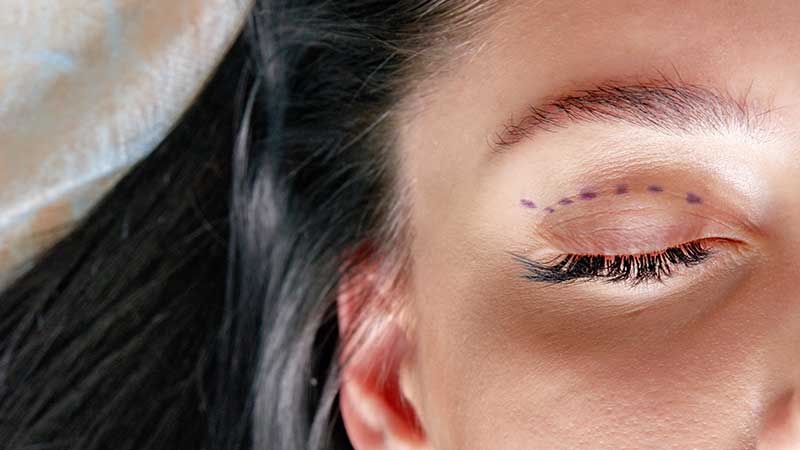
When Is Eyelid Lift in Jeddah Considered a Cosmetic Procedure?
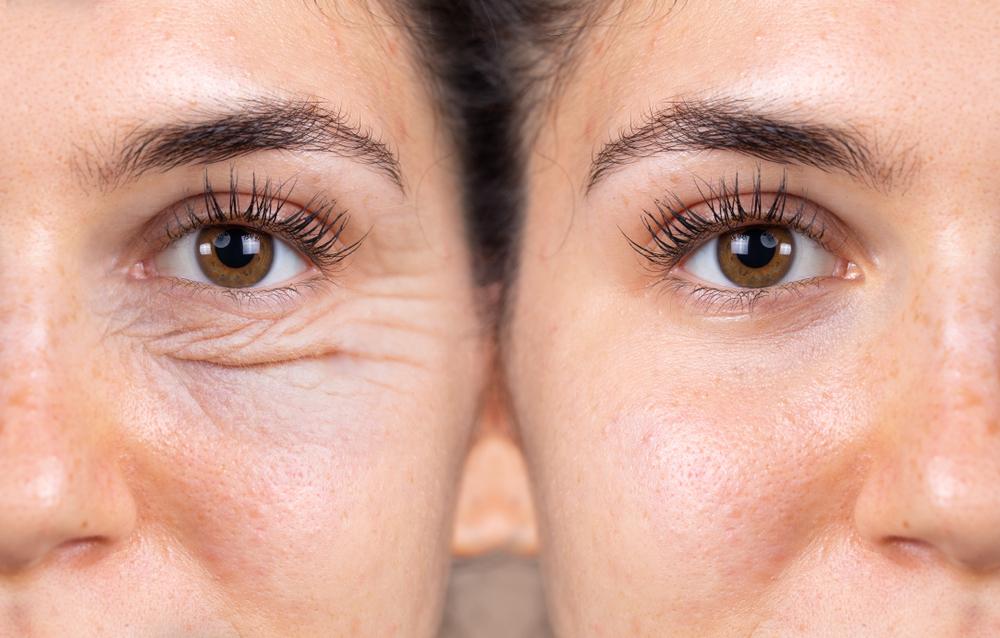
An eyelid lift in Jeddah is considered a cosmetic procedure when its primary goal is to enhance the appearance of the eyes and highlight the beauty of the facial features, rather than address a pressing medical problem such as visual field obstruction.
In such cases, a person may opt for upper or lower blepharoplasty to smooth out fine wrinkles, reduce puffiness caused by excess fat deposits, and tighten sagging skin that creates a tired look or makes them appear older than they really are.
Many people choose eyelid surgery in Jeddah purely for aesthetic reasons: to harmonize the shape of the eyes with the eyebrows and cheeks, and to rejuvenate the eye area while preserving their natural facial expression.
This procedure is usually recommended for generally healthy individuals without uncontrolled chronic conditions, who have realistic expectations about the outcome of blepharoplasty, and who are seeking a fresher, more vibrant appearance that aligns with Jeddah’s social and professional environment.
When Is Eyelid Surgery in Jeddah Considered a Functional (Medical) Procedure?
Eyelid surgery (blepharoplasty) in Jeddah is considered a functional, medically indicated procedure when sagging of the upper or lower eyelids is not merely a cosmetic concern, but starts to interfere with vision and day‑to‑day activities.
In such cases, excess skin or drooping of the eyelid can narrow the upper or peripheral visual field, making it more difficult and tiring to drive, read, or use a computer. Patients may also suffer from recurrent headaches due to constantly lifting the eyebrows to compensate for the droopy lids, a bothersome feeling of heaviness around the eyes, or chronic irritation and redness caused by friction from the redundant skin.
In these situations, plastic surgeons and ophthalmologists in Jeddah usually perform a comprehensive assessment, including visual acuity and visual field testing, to document that blepharoplasty is medically necessary rather than purely cosmetic.
Once it is demonstrated that the procedure will improve visual function and relieve symptoms, eyelid surgery can be classified as a functional medical intervention. This may allow some patients to obtain partial coverage of the procedure costs through certain health insurance plans, depending on the applicable terms and policies.
How does the doctor decide whether the case is cosmetic or functional?
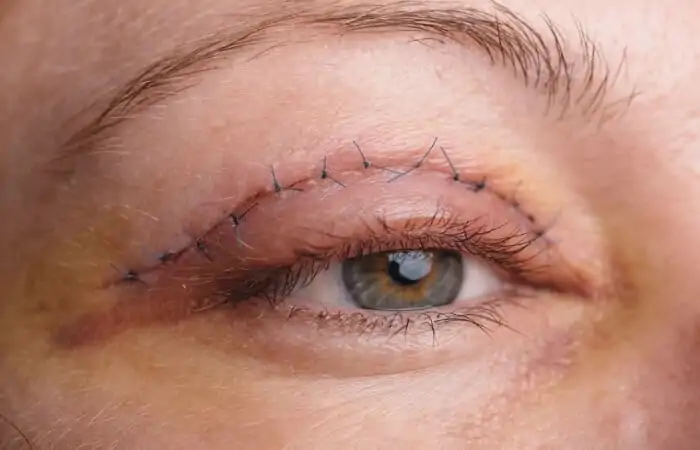
The eyelid surgeon in Jeddah begins with a thorough assessment of both the shape and function of the eyelids, using clinical examination and detailed questions about the patient’s symptoms.
If drooping of the upper lid or excess skin interferes with the upper visual field, causes headaches from constantly lifting the eyebrows, or creates a noticeable feeling of heaviness in the eyelids, the condition is generally classified as functional. In such cases, the doctor may request visual field testing or ocular imaging to document the impact of the eyelid droop on vision.
On the other hand, if the main purpose of blepharoplasty is to enhance the cosmetic appearance of the eyes—tightening loose skin, removing puffiness, and improving dark circles—without any clear effect on vision, the case is considered cosmetic.
In blepharoplasty centers in Jeddah, the physician relies on a combination of clinical examination, evaluation of the patient’s complaints, and visual test results to accurately determine whether the eyelid surgery is purely cosmetic or both functional and cosmetic. This distinction also helps in discussing potential insurance coverage and selecting the most appropriate treatment plan.
The Difference Between Cosmetic and Functional Eyelid Lift Results
Understanding the difference between cosmetic and functional eyelid lift (blepharoplasty) outcomes in Jeddah is essential to help patients choose the most suitable procedure for their condition and the results they can realistically expect.
A cosmetic eyelid lift focuses primarily on enhancing the aesthetic appearance of the eyes by removing excess skin, puffiness, and fatty deposits that create a tired or aged look. This gives the eyes a more youthful, refreshed appearance and improves overall facial harmony.
In contrast, a functional eyelid lift is usually performed when there is significant drooping of the upper eyelid (ptosis or severe dermatochalasis) that restricts the visual field, or causes a feeling of heaviness, headaches, or difficulty with tasks such as driving and reading. In this case, the primary goal is to improve the visual field and relieve functional symptoms, with cosmetic improvement often considered a secondary but common added benefit.
In eyelid surgery clinics in Jeddah, oculoplastic and plastic surgeons carefully assess the condition of the eyelids to determine whether the patient needs a cosmetic blepharoplasty, a functional procedure, or a combination of both. The aim is to achieve the best possible balance between optimizing vision and enhancing appearance, in line with the patient’s expectations and medical safety standards.
Does the treatment approach differ between the two conditions?
Yes, the management of upper and lower eyelid laxity in Jeddah differs according to the degree of sagging and the underlying cause, although the main objective is the same: to enhance both the functional and aesthetic appearance of the eyes.
In cases of upper eyelid ptosis or significant skin laxity that narrows the visual field or makes the eyes look tired, upper blepharoplasty is commonly recommended. This procedure is usually performed under local anesthesia in advanced cosmetic clinics in Jeddah, and involves excising excess skin, tightening the underlying muscles, and removing surplus fat when needed.
Lower eyelid laxity, under-eye bags, and dark circles are often treated with lower blepharoplasty, which focuses on redistributing or removing excess fat and tightening the skin to improve the appearance of puffiness and fine wrinkles.
In mild cases, non-surgical options such as dermal fillers, laser resurfacing, or plasma (Plasma J/Plasma) treatments may be used instead of surgical blepharoplasty, particularly for individuals seeking faster solutions with minimal downtime.
A cosmetic surgeon in Jeddah will determine the most appropriate technique after a thorough assessment of both the upper and lower eyelids, as selecting the right approach is key to achieving safe, natural-looking blepharoplasty results.
Eyelid lift results in Jeddah: what to expect before and after surgery
Eyelid lift (blepharoplasty) results in Jeddah are typically both gradual and clearly noticeable, and tend to be most satisfactory when you choose an experienced oculoplastic surgeon or facial plastic surgeon who specializes in upper and lower eyelid surgery.
Before the procedure, the surgeon will assess the degree of skin laxity, the presence of puffiness and excess fat pads, and how much these affect the shape of the eyes or the visual field. You’ll also receive a clear explanation of the expected outcome, recovery timeline, and how your eyes are likely to look before and after surgery, sometimes supported by illustrative before‑and‑after images.
In the first few weeks following blepharoplasty, it is normal to experience some swelling and mild bruising around the eyes, which gradually subsides. Initial results usually start to become visible within 7–14 days, with a noticeable improvement in eyelid contour and overall eye appearance.
The final outcome of an eyelid lift in Jeddah generally becomes apparent within 2–3 months. At this stage, the eyelids appear firmer, excess sagging skin is eliminated, and under‑eye bags and dark circles related to fat prolapse are reduced, giving the eyes and the entire face a fresher, more youthful look.
Surgical scars are typically fine and discreet, hidden within the natural eyelid crease in upper blepharoplasty or just below the lash line in lower blepharoplasty. They fade progressively over time and become barely visible, especially when post‑operative instructions are followed carefully, such as avoiding rubbing the eyes, using cold compresses, and applying sunscreen.
In this way, eyelid lift surgery in Jeddah generally meets most patients’ expectations by enhancing appearance, addressing sagging and puffiness, and maintaining a natural look without overcorrection—explaining why it is increasingly sought after as a long‑term cosmetic and functional solution.
When Should You Consider Eyelid Lift Surgery in Jeddah?
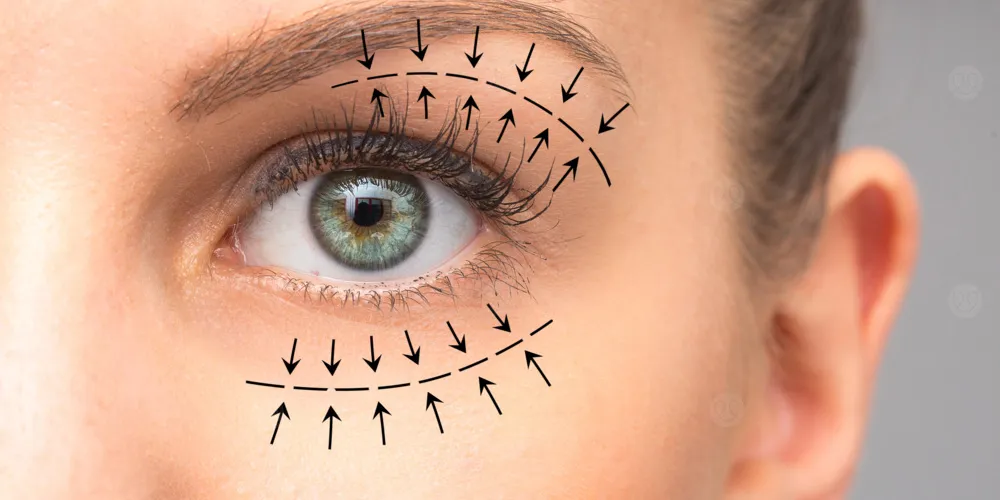
You may want to consider undergoing an eyelid lift (blepharoplasty) in Jeddah when sagging skin around your eyes or puffiness of the upper and lower eyelids starts to noticeably affect your appearance or your field of vision.
If you observe that your upper eyelids are drooping over your eyes, narrowing your vision or creating a sensation of heaviness in the lids, or if under‑eye bags and dark circles make you look older or constantly tired despite getting enough rest, an eyelid lift may be an appropriate functional and cosmetic solution.
Many men and women also turn to eyelid lift surgery in Jeddah after topical creams, skincare products, and non‑surgical techniques fail to deliver the desired improvement, and they seek a longer‑lasting option that restores a fresher, more youthful look while preserving natural facial features.
In such cases, consulting an oculoplastic surgeon (eye plastic surgeon) or a board‑certified plastic surgeon in Jeddah is essential. They can accurately assess the condition of your eyelids, determine whether blepharoplasty is medically and aesthetically suitable for you, and select the most appropriate technique based on skin thickness, the degree of laxity, and the presence of excess fat or muscle laxity.
How Much Does Eyelid Surgery Cost in Jeddah?
Eyelid lift surgery (blepharoplasty) in Jeddah typically costs between 8,000 and 18,000 SAR, though the final price may be higher or lower depending on several important medical and logistical factors.
These include the experience of a board-certified plastic surgeon, the reputation and accreditation of the clinic or hospital, and the type of procedure required—whether upper blepharoplasty, lower blepharoplasty, or both. The total cost also usually reflects anesthesia fees, preoperative investigations, and postoperative care.
Prices in Jeddah can vary further based on the degree of skin laxity, the presence of excess fat or puffiness around the eyes, and whether more advanced surgical techniques are needed to achieve optimal results.
It is essential not to base your decision solely on the lowest price, but to look for a safe and well-qualified surgeon who offers a reasonable balance between cost, safety, and outcome. Consulting a plastic surgeon who specializes in blepharoplasty is always recommended, so they can assess your individual case and provide an accurate cost estimate.
This approach ensures patients have a clear understanding of the total cost of eyelid surgery in Jeddah, including whether the quoted price covers follow-up visits, medications, and any supportive treatments after the operation.
Best Oculoplastic / Eyelid Lift Surgeon in Jeddah
When looking for the best oculoplastic surgeon or eyelid lift specialist in Jeddah, it’s essential to focus on the surgeon’s experience with upper and lower blepharoplasty, the number of successful procedures performed, and the medical center’s reputation in terms of sterilization standards and postoperative care.
Dr. Tareq Al-Najjar – Oculoplastic & Eyelid Cosmetic Surgeon in Jeddah
Dr. Tareq Al-Najjar is considered one of the leading names in cosmetic eye and eyelid surgery in Jeddah, thanks to his extensive experience and his focus on delivering natural, safe results.
He has distinguished expertise in upper and lower eyelid lift (blepharoplasty), treating droopy eyelids and under‑eye bags, making him a strong choice for those seeking the best oculoplastic and eyelid lift surgeon in Jeddah.
Dr. Al-Najjar relies on up‑to‑date techniques in cosmetic eyelid surgery, with great attention to preserving the natural shape of the eyes and enhancing the overall facial appearance without overcorrection or an artificial look.
He offers thorough consultations to accurately assess the condition of the eyelids and determine whether the patient needs an upper blepharoplasty, lower blepharoplasty, or a combination of both, while clearly explaining each step of the procedure and the expected outcomes.
Choosing a subspecialized surgeon like Dr. Tareq Al‑Najjar in Jeddah helps achieve satisfying, rejuvenating results in eyelid lifting and eye aesthetics, while minimizing the risk of complications and restoring a fresher, more youthful appearance.
Start with a Thorough Evaluation Before Eyelid Lift Surgery in Jeddah at Batal Eye Specialized Center
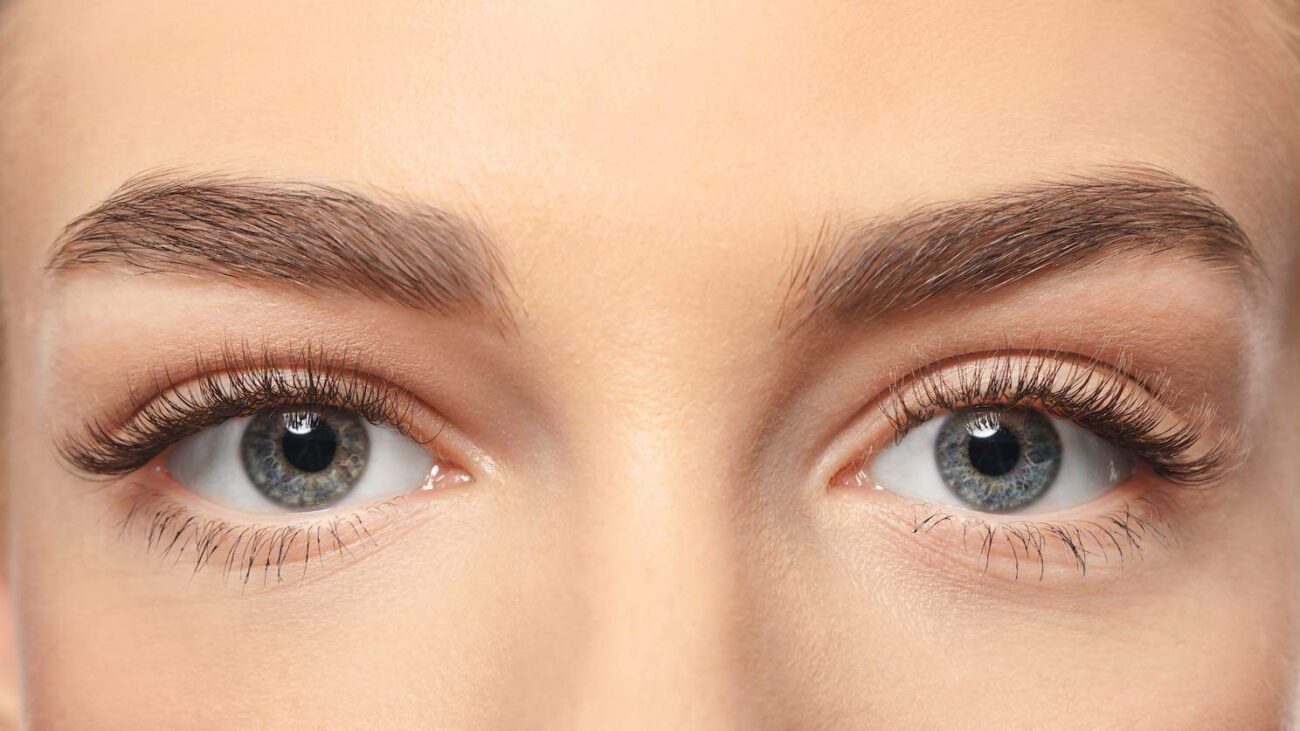
Before deciding to undergo eyelid lift surgery in Jeddah, Batal Eye Specialized Center ensures that your case is carefully and comprehensively evaluated to achieve the best aesthetic and medical outcomes.
The specialist begins by reviewing your medical history, assessing eyelid muscle strength, and checking how completely your eyes can close, along with evaluating skin quality and the degree of sagging or puffiness around the eyes.
A comprehensive eye examination is also performed, including visual acuity testing, intraocular pressure measurement, dry eye assessment, and confirming the health of the cornea and retina before proceeding with blepharoplasty.
This detailed assessment helps determine whether you are a suitable candidate for upper eyelid surgery, lower eyelid surgery, or a combination of both, and to select the most appropriate technique for your condition, whether a conventional surgical approach or procedures using fine, minimal incisions.
Through these well‑structured clinical steps, Batal Eye Specialized Center in Jeddah ensures a safe and effective eyelid lift that meets your cosmetic expectations while preserving the health of your eyes and the optimal function of your eyelids.