
Med info
Is vision correction safe for diabetic patients?

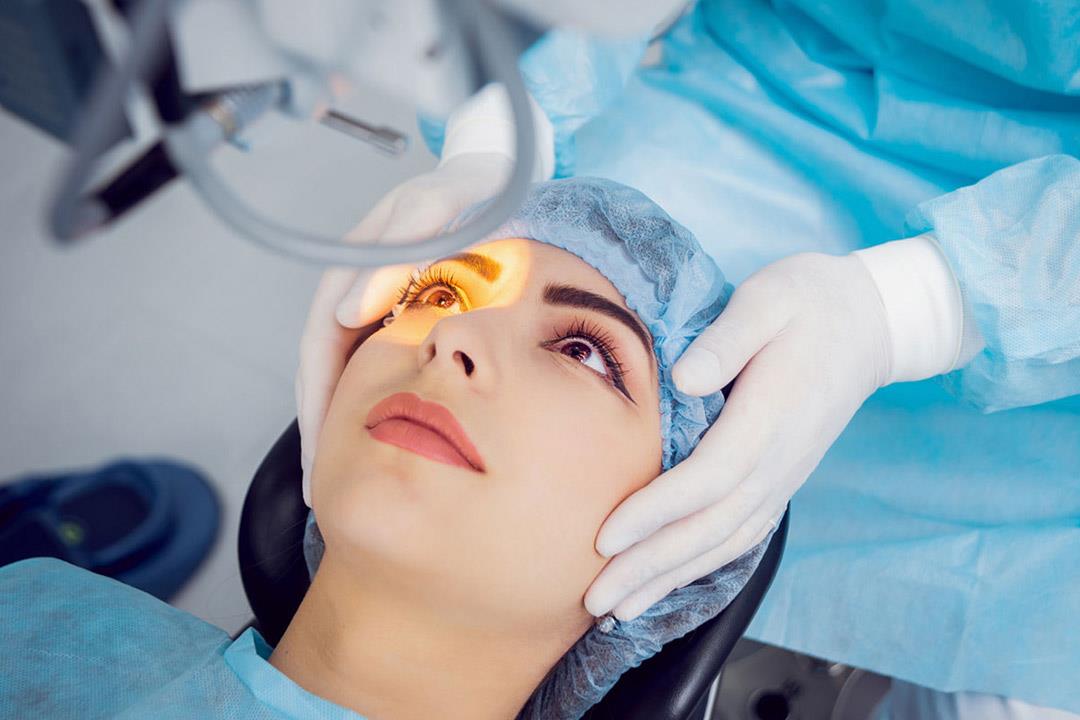
Can people with diabetes undergo vision correction surgery?
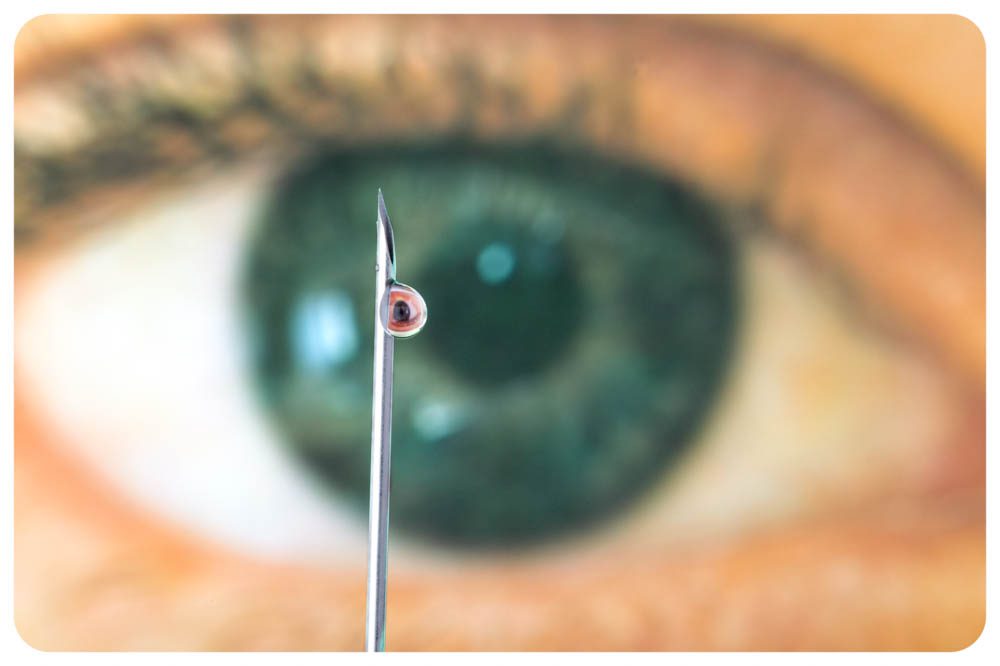
Yes, some individuals with diabetes can undergo vision correction procedures such as LASIK or Femto-LASIK, but this depends on a thorough assessment of the eyes and the level of diabetes control.
Before considering refractive surgery in a person with diabetes, blood sugar levels must be well controlled and stable for a sufficient period of time. Significant fluctuations in glucose can affect the accuracy of refractive measurements and interfere with corneal healing after the procedure.
It is also essential to rule out diabetes-related eye complications such as diabetic retinopathy, diabetic macular edema, or severe dry eye, as these conditions may compromise the safety and effectiveness of refractive surgery in diabetic patients.
The decision therefore hinges on a comprehensive evaluation by an ophthalmologist, including a retinal exam, corneal thickness measurement, and verification of stable refraction, to determine whether the patient is a suitable candidate for surgery or should instead opt for safer alternatives such as prescription glasses or contact lenses.
In general, the better controlled the diabetes and the fewer ocular complications present, the higher the likelihood that vision correction surgery can be performed with relative safety, provided there is ongoing medical follow‑up.
What are the prerequisites for vision correction in patients with diabetes?
Stability of Refractive Error
One of the key prerequisites for vision correction in patients with diabetes is ensuring that their refractive error has been stable for a sufficient period, usually at least 6–12 months.
Ongoing fluctuations in blood glucose levels can alter the thickness of the crystalline lens and the amount of intraocular fluid, leading to changes in refraction from time to time.
For this reason, ophthalmologists usually require that the patient’s prescription be almost unchanged across several consecutive eye examinations before proceeding with refractive surgery in diabetic patients.
Stable refraction reduces the likelihood of needing an enhancement procedure later, and improves the accuracy of the outcome and the patient’s satisfaction after surgery.
Comprehensive Retinal Examination
A thorough retinal examination is an essential requirement before performing refractive surgery in patients with diabetes, as it can detect diabetic retinopathy, retinal hemorrhages, or macular edema involving the fovea.
If any retinal pathology is found, the ophthalmologist may postpone the refractive procedure until the underlying problem has been managed first—whether with retinal laser therapy, intravitreal injections, or other appropriate treatments.
The goal is to ensure that the retina is healthy and capable of providing good visual acuity after surgery, since laser vision correction and similar procedures do not treat visual loss caused by retinal damage.
Regular retinal screening for diabetic patients, both before and after refractive surgery, helps preserve long‑term ocular health and lowers the risk of complications.
Corneal and Ocular Surface Assessment
Before proceeding with refractive surgery in diabetic patients, a detailed assessment of corneal thickness, shape, and overall health is performed using advanced tests such as corneal topography and pachymetry.
People with diabetes may be more prone to dry eye disease and delayed epithelial healing, so the ophthalmologist pays close attention to the tear film, and checks for any corneal inflammation, erosions, or allergic changes.
If the ocular surface is unstable or dry eye is severe, the physician may recommend treating the dryness and optimizing corneal health first, before considering any refractive procedure.
Successful refractive surgery in diabetic patients depends heavily on a healthy cornea and a stable ocular surface, which lowers the risk of infection and speeds up postoperative recovery.
Review of Medical History and Medications
A comprehensive review of the medical history is a fundamental step before refractive surgery in patients with diabetes. This includes the duration of diabetes, the level of glycemic control, and the presence of systemic complications such as diabetic nephropathy or neuropathy.
The ophthalmologist will also inquire about all current medications, particularly anticoagulants, antihypertensives, and any drugs that may affect wound healing or immune function.
Certain medications or coexisting conditions may necessitate postponing surgery or modifying the type of refractive procedure to maximize safety.
Careful evaluation of the medical history and medications enables the ophthalmologist to assess the patient’s suitability for surgery and to select the most appropriate vision correction method for diabetic patients with the lowest possible risk.
When is vision correction not recommended for patients with diabetes?
Advanced Diabetic Retinopathy
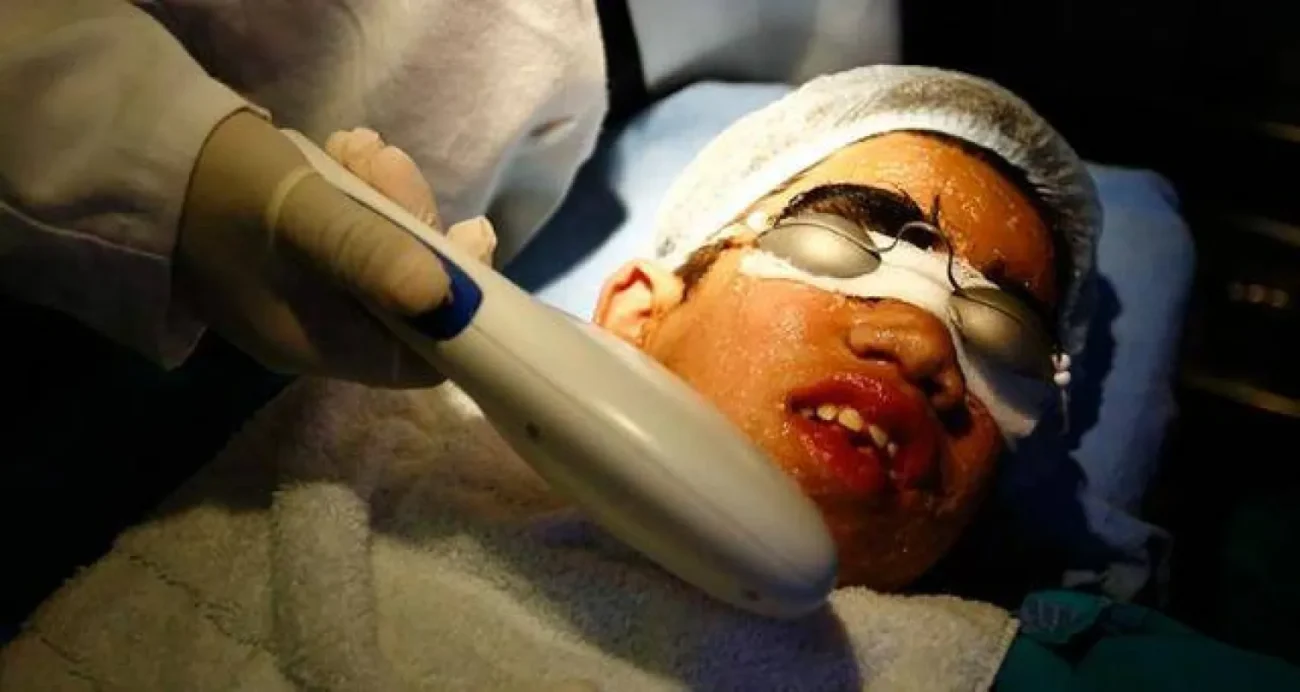
In advanced stages of diabetic retinopathy—such as vitreous hemorrhage, significant exudates, or proliferative changes with new abnormal blood vessels in the retina—refractive surgery is generally not recommended for patients with diabetes.
Laser vision correction or phakic/intraocular lens implantation does not treat the underlying retinal disease. In fact, it may delay essential sight‑saving treatments such as panretinal photocoagulation or intravitreal injections for diabetic retinopathy.
For this reason, a thorough retinal assessment by a retina specialist is essential before considering any form of vision correction. Any advanced retinopathy should be properly treated and stabilized first to help preserve vision in the long term.
Poor Glycemic Control
One of the main situations in which refractive surgery is not advised for diabetic patients is when blood glucose levels are unstable.
Frequent hyperglycemia or marked fluctuations in blood sugar directly affect the shape of the cornea and the crystalline lens, leading to continuous shifts in refractive error and unstable visual acuity.
Under these circumstances, the outcome of laser vision correction is unlikely to be accurate or long‑lasting, and the patient may soon require glasses again.
Ophthalmologists usually recommend postponing refractive surgery until the glycated hemoglobin (HbA1c) level is within an acceptable range and remains stable for a suitable period before proceeding with any vision correction procedure in diabetic patients.
Impaired Wound Healing or Ongoing Infections
A diabetic patient who has clearly delayed wound healing or recurrent infections of the eye or eyelids is considered a temporarily unsuitable candidate for laser vision correction.
Chronic hyperglycemia can impair tissue healing and increase the risk of postoperative infection, which may lead to serious corneal complications and compromised visual quality.
In such cases, it is crucial first to optimize diabetes control, treat any active inflammation or significant ocular surface disease (such as severe dry eye), and ensure that the corneal surface is healthy before considering refractive surgery.
Conditions That Require Other Treatment First
In some diabetic patients, other eye conditions must be treated as a priority before thinking about vision correction—for example, visually significant cataract, glaucoma (elevated intraocular pressure with optic nerve damage), or clinically significant macular edema affecting central vision.
In these situations, refractive surgery is not the primary concern; the underlying cause of visual impairment must be addressed first.
Once cataract, glaucoma, or diabetic macular edema has been appropriately treated and the eye is stable, the feasibility and safety of refractive surgery can then be reassessed more accurately for the diabetic patient.
What are the best vision correction options for people with diabetes?
LASIK

LASIK is one of the most common vision correction procedures, but it is not always the best option for people with diabetes.
The decision to perform LASIK in a diabetic patient depends largely on how well blood glucose is controlled and whether the refractive error has been stable for a sufficient period of time.
If the patient has diabetic retinopathy or marked fluctuations in blood sugar levels, LASIK is often not recommended, as the cornea may be more prone to dryness and impaired wound healing.
Before considering LASIK as a vision correction method for someone with diabetes, a comprehensive ocular assessment is essential. This should include evaluation of the cornea, retina, and retinal microvasculature, and confirming the absence of active diabetes‑related ocular complications.
In general, LASIK can be an acceptable option for diabetic patients with good metabolic control and no ocular complications, but the decision must be individualized and made in consultation with a corneal and refractive surgery specialist.
Femtosecond LASIK (Femto‑LASIK)
Femto‑LASIK is an advanced form of conventional LASIK that uses a femtosecond laser to create the corneal flap with greater precision.
For vision correction in patients with diabetes, Femto‑LASIK may offer a relatively higher safety profile compared with standard LASIK, as it allows more accurate control of flap thickness and reduces mechanical risks associated with microkeratome use.
However, the same fundamental prerequisites still apply: good glycemic control, stable refraction, and absence of advanced diabetic retinopathy or significant ocular surface disease such as severe dry eye.
Femto‑LASIK is considered a suitable refractive option for some diabetic patients, especially those with adequate corneal thickness and no severe diabetic complications, provided that the potential risks and benefits are thoroughly discussed with the treating ophthalmologist.
PRK (Photorefractive Keratectomy)
PRK, or surface ablation, may in certain situations be a safer alternative to LASIK for patients with diabetes, as it does not involve creating a deep corneal flap.
In the context of vision correction for diabetics, PRK is sometimes preferred when the cornea is relatively thin or when there is concern about impaired healing in the deeper corneal layers.
Nevertheless, diabetic patients require close postoperative monitoring, as epithelial healing on the corneal surface can be somewhat slower, making strict adherence to prescribed eye drops and follow‑up visits essential.
For those seeking the most appropriate vision correction technique in the presence of diabetes, PRK can be a good option when blood sugar is well controlled, the retina is stable, and the patient is prepared for a comparatively longer recovery period with careful compliance to medical instructions.
Implantable Collamer Lens (ICL)
Implantable Collamer Lens (ICL) surgery is an important option when the cornea is not suitable for LASIK or PRK, or when myopia or hyperopia is high.
In diabetic patients undergoing vision correction, ICL has the advantage of not requiring removal of corneal tissue; instead, a thin intraocular lens is implanted in front of the natural crystalline lens, thus minimizing reliance on corneal healing, which may be compromised in diabetes.
Even so, it is crucial to ensure a healthy anterior chamber, appropriate intraocular pressure, and the absence of advanced diabetic retinopathy before proceeding with ICL implantation.
ICL can be one of the most suitable refractive techniques for certain diabetic patients who are poor candidates for LASIK or PRK, provided that the preoperative assessment is meticulous and the procedure is performed by an ophthalmic surgeon experienced in managing diabetic eyes.
What tests does a diabetic patient need before eye refractive surgery?
Before undergoing vision correction surgery, a patient with diabetes needs a set of precise evaluations to ensure the eyes are healthy and blood glucose is well controlled.
This includes measuring glycated hemoglobin (HbA1c) to confirm that diabetes is stable and to reduce the risk of complications during and after the procedure.
The ophthalmologist will also request a comprehensive retinal assessment, such as a dilated fundus examination or Optical Coherence Tomography (OCT), to detect any diabetic retinopathy or macular edema that might influence the decision to proceed with refractive surgery.
In addition, intraocular pressure is measured, corneal thickness is assessed, visual acuity is tested, and a detailed refraction is performed to determine the most appropriate type of vision correction procedure for the diabetic patient.
In some cases, the surgeon may also request general medical tests such as kidney function tests and basic blood work, especially for patients on insulin therapy or those with chronic diabetic complications, to ensure the safety of anesthesia and the procedure outcomes.
Together, these comprehensive evaluations help in selecting the most suitable refractive technique for patients with diabetes and in minimizing the risk of complications or delayed recovery after surgery.
What is recovery like after vision correction surgery for patients with diabetes?
Recovery after vision correction surgery in people with diabetes is usually slightly longer and more delicate than in individuals without diabetes. This is because high blood sugar can affect the small blood vessels and slow down tissue healing.
After the procedure, patients with diabetes are generally advised to rest for a few days, avoid rubbing the eyes, and protect them from dust and contaminated water. Prescribed eye drops—such as antibiotics, anti‑inflammatory drops, and lubricating drops—should be used exactly as directed, as good adherence significantly reduces the risk of complications and helps speed up recovery.
During the first few weeks, it is especially important for the person with diabetes to monitor blood glucose regularly and keep it within the target range. Poor glucose control may slow corneal healing and increase the risk of infections or fluctuations in visual acuity.
Vision usually improves progressively over several days to weeks, but achieving full and stable visual recovery may take longer in patients with diabetes. For this reason, regular follow‑up appointments with the ophthalmologist are essential to assess corneal healing, adjust medications when needed, and detect early issues such as dry eye or regression of the refractive correction.
With these measures and good adherence to medical instructions, the recovery period after vision correction in people with diabetes can be completed safely, with optimal outcomes in terms of visual clarity and stability.
What are the potential risks of laser vision correction in people with diabetes?
Delayed Corneal Healing
Delayed corneal healing is one of the main potential risks of laser vision correction in people with diabetes, especially in those with chronically elevated blood glucose or diabetic peripheral neuropathy.
Poor glycemic control impairs the microcirculation and reduces the regenerative capacity of corneal cells, which can slow the healing of the corneal flap or surface after LASIK or other laser procedures.
This delayed healing may prolong the period of blurred vision, increase the likelihood of postoperative pain or discomfort, and slightly raise the risk of superficial corneal scarring that can affect the final visual acuity.
For this reason, ophthalmologists strongly emphasize the need for good glycemic control before undergoing vision correction, along with close postoperative follow-up to ensure safe and proper corneal healing.
Increased Risk of Dry Eye
An increased tendency toward dry eye after laser vision correction is a notable concern in patients with diabetes, as diabetes itself can reduce tear production and compromise the quality of the tear film.
Following procedures such as LASIK and femto-LASIK, most patients experience a temporary increase in dryness, but in individuals with diabetes, dry eye can be more pronounced and longer-lasting if not addressed promptly.
Dry eye may cause burning, foreign-body sensation, or fluctuating and blurred vision, which can negatively affect the patient’s overall satisfaction with the outcome of surgery.
To minimize this risk, regular use of lubricating eye drops is recommended, along with a thorough preoperative dry eye assessment and strict adherence to postoperative instructions to maintain corneal surface stability and visual quality.
Risk of Infection and Rare Complications
The risk of infection after laser vision correction is slightly higher in patients with diabetes than in non-diabetics, due to the impact of hyperglycemia on the immune system and the body’s ability to fight infection.
Although infections after laser procedures such as LASIK are generally rare, poorly controlled diabetes may increase the chance of developing keratitis or superficial ocular surface infection if sterilization and postoperative care instructions are not followed meticulously.
In rare cases, delayed corneal healing may be associated with complications such as superficial corneal haze or a decline in visual clarity, which may require additional treatment and close monitoring.
Therefore, ophthalmologists stress the importance of tight glycemic control, using prophylactic eye drops (antibiotics and topical corticosteroids) exactly as prescribed, and seeking urgent medical attention in case of severe pain, marked redness, or sudden deterioration in vision after surgery.
Impact of Retinal Disease on Final Outcomes
Even when laser vision correction successfully addresses refractive errors such as myopia, hyperopia, or astigmatism, untreated diabetic retinopathy can still limit the quality of the final visual outcome.
Diabetes-related retinal problems—such as retinal hemorrhages or diabetic macular edema (swelling of the central retina)—can result in visual acuity that falls short of expectations after refractive surgery, despite a clear cornea and a technically successful procedure.
For this reason, a detailed retinal evaluation is essential before performing laser vision correction in patients with diabetes. The ophthalmologist may recommend treating diabetic retinopathy first—using retinal laser photocoagulation or intravitreal injections—before proceeding with refractive surgery.
Good glycemic control and early treatment of retinal disease help maximize the visual benefits of laser vision correction and reduce the risk of disappointment due to limited improvement in vision after surgery.
Best Ophthalmologist for Vision Correction in Diabetic Patients in Jeddah
Dr. Issa Baessa and His Expertise in Managing Diabetic Eye Cases
Dr. Issa Baessa is regarded as one of the leading specialists for laser vision correction in patients with diabetes in Jeddah, thanks to his extensive experience in managing diabetes‑related eye complications.
He begins with a comprehensive assessment of each diabetic patient, which includes evaluating glycemic control, performing a detailed fundus examination, and assessing the retina, cornea, and intraocular pressure before deciding on any vision correction procedure.
This integrated approach makes it possible to select the safest and most appropriate technique, and to provide an individualized treatment plan that minimizes potential risks and maximizes the likelihood of successful vision correction in line with the patient’s overall health status.
Book Your Appointment Now for Vision Correction for Diabetic Patients at Batal Eye Specialty Center
Schedule your vision correction consultation now for diabetic patients at Batal Eye Specialty Center and benefit from a comprehensive pre‑procedure eye assessment to ensure the highest standards of safety.
Our center brings together a select team of ophthalmologists specialized in managing diabetic retinopathy and performing vision correction procedures tailored to your medical condition, using advanced technologies designed to enhance visual acuity without compromising the retina or cornea.
Before recommending any vision correction procedure, we will carefully evaluate your blood glucose control, corneal thickness, intraocular pressure, and retinal status to confirm that the treatment is both safe and appropriate for you.
Booking is simple—whether by phone or through our online system—so you can receive a personalized medical consultation on the most suitable vision correction options for diabetic patients, with a clear explanation of potential risks, expected benefits, and the post‑operative follow‑up plan.
By choosing Batal Eye Specialty Center, you are opting for comprehensive, patient‑centered care that puts your vision safety first, in line with the latest international medical standards for vision correction in diabetic patients.