
Med info
Retinal monitoring for diabetic patients in the summer

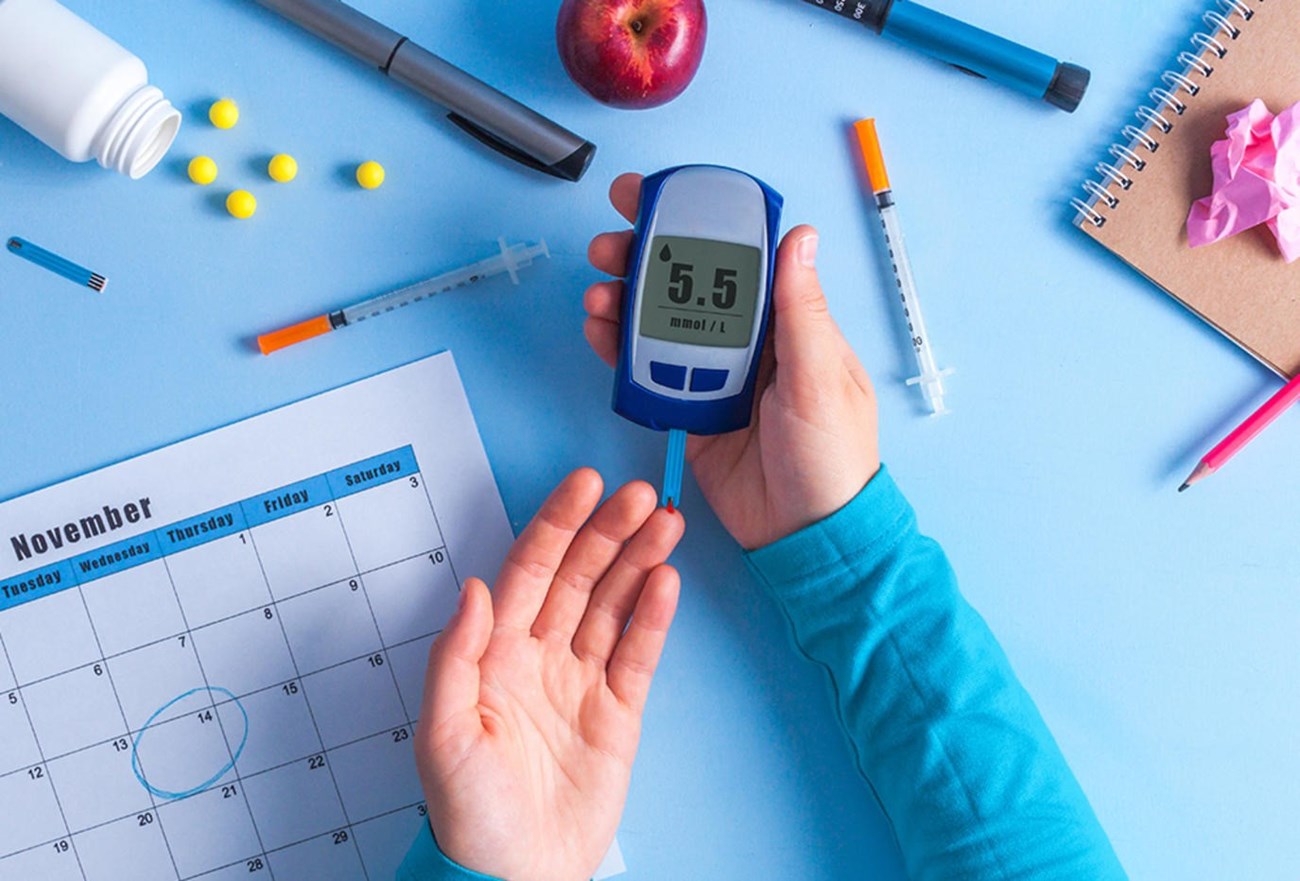
Why is retinal screening essential for people with diabetes during the summer?
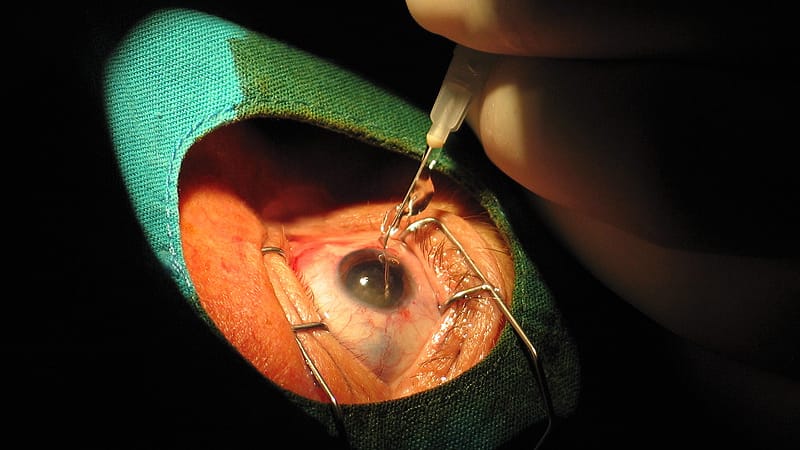
Retinal screening in summer is a critical step in preventing complications of diabetic retinopathy, a condition that can silently worsen without obvious symptoms.
During this season, increased exposure to ultraviolet (UV) radiation and higher temperatures can affect blood glucose stability and lead to greater fluctuations, which in turn raise the risk of damage to the tiny blood vessels in the retina.
Travel, changes in daily routine, and irregularity in medication schedules or meal times during summer vacations can also impair diabetes control. This makes retinal follow‑up particularly important in the summer to detect any early changes and manage them before vision loss occurs.
Fundus examination and specialized retinal imaging help assess the condition of retinal blood vessels and detect early signs of bleeding, swelling (edema), or fluid leakage. This enables the physician to adjust the treatment plan and provide tailored preventive advice to preserve vision in the long term.
For these reasons, sticking to scheduled retinal check‑ups during the summer—along with good glycemic control, sun protection, and maintaining a healthy lifestyle—is one of the most important measures to protect the eyes and reduce the risk of diabetes‑related blindness.
How does summer affect retinal health in people with diabetes?
During the summer, the retina in individuals with diabetes can be impacted by several factors that work together to increase the risk of diabetic retinopathy or accelerate its progression.
High temperatures may lead to dehydration and reduced body fluids, which in turn increase blood viscosity and impair microcirculation in the tiny vessels that supply the retina. This can compromise retinal perfusion and raise the likelihood of hemorrhages and macular swelling (edema).
Excessive exposure to ultraviolet (UV) rays without adequate eye protection can also aggravate oxidative stress in the highly delicate retinal tissue, particularly in patients with unstable or pre‑existing diabetic retinopathy.
In addition, blood glucose levels often become more erratic in summer due to changes in diet, physical activity, and travel routines, which directly affects the stability of the retinal microvasculature.
For these reasons, summer is considered a sensitive period that warrants regular retinal check‑ups for people with diabetes, along with strict blood glucose control, adequate hydration, and the use of high‑quality, medically approved sunglasses to minimize harmful seasonal effects on the retina and help preserve visual function.
Symptoms That Require Immediate Retinal Examination
Sudden or Gradually Worsening Blurred Vision
A sudden onset of blurred vision, or blurring that gradually gets worse, is one of the most important warning signs that diabetic patients should never ignore—whether in summer or at any time of the year.
This symptom may indicate the onset of diabetic retinopathy or the development of fluid accumulation in the macula (diabetic macular edema), a condition that can directly affect visual acuity if not diagnosed and treated early.
If you notice difficulty reading, hazy or foggy vision when looking at near or distant objects, or a reduction in color contrast and clarity, do not wait for the holiday season to end or for the weather to improve. Book an appointment with an ophthalmologist for a dilated retinal examination and imaging if needed.
New Black Spots or Floating Objects (Floaters)
Seeing small black dots, strands, or moving floaters that drift with eye movement is a symptom that should not be overlooked, especially in people with diabetes who are at risk of retinal complications.
These floaters may be related to changes in the vitreous gel inside the eye, but sometimes they are an early sign of a minor retinal hemorrhage or the beginning of a retinal tear due to diabetic retinopathy.
In summer, with increased activity, travel, and changes in sleep and eating patterns, patients may dismiss these symptoms as “normal” or temporary. Ignoring them, however, can allow the underlying problem to progress.
The appearance of new floaters or a noticeable increase in their number warrants prompt retinal assessment to ensure that the retina is intact and to allow early intervention if required.
Flashes of Light or Loss of Part of the Visual Field
Seeing sudden flashes of light, a sensation of lightning in the eye, or noticing that part of your visual field is missing (such as a dark shadow or curtain coming across one side of your vision) are serious warning signs that require urgent retinal evaluation.
These symptoms may indicate traction on the retina, a retinal tear, or the early stages of retinal detachment—one of the most serious complications of diabetic retinopathy, which can lead to permanent vision loss if not diagnosed and treated immediately.
Do not attribute these symptoms solely to eye strain or summer heat. Treat them as true red flags, especially if you have had diabetes for many years or live with persistently elevated blood glucose levels.
Any sudden change in your visual field is an emergency symptom that should not be postponed and must prompt an immediate visit to an eye specialist for a thorough retinal examination.
When Does It Become an Emergency?
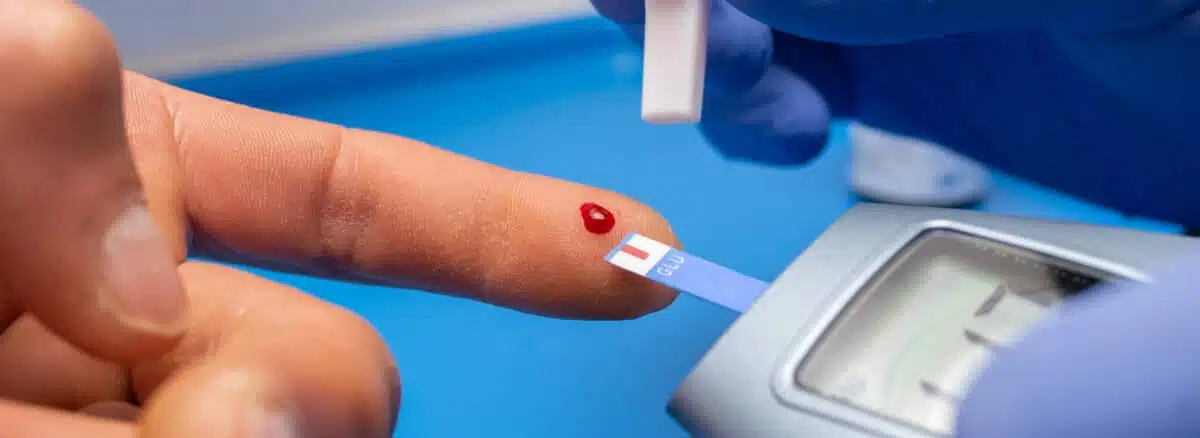
The situation becomes an emergency and cannot be delayed when sudden blurred vision, an increase in floaters, or the appearance of light flashes is accompanied by sudden loss of part of your vision or severe eye pain.
In such cases, you should go straight to the emergency department or see a retina specialist without waiting until after the holiday or the end of a heatwave.
For people with diabetes, any acute change in vision—whether in summer or at any other time—may indicate rapidly progressing diabetic retinopathy, vitreous hemorrhage, or retinal detachment that could require urgent laser treatment or surgery.
The golden rule is: the earlier the retina is examined and the problem is identified, the better the chances of preserving sight. Do not postpone seeing your doctor if you experience any worrying change in your vision.
What tests help monitor the retina in people with diabetes in a research‑oriented context?
Retinal follow‑up for patients with diabetes typically starts with a dilated fundus examination. The ophthalmologist instills drops to dilate the pupil, then carefully examines the retina, lens, and optic nerve to detect any hemorrhages, exudates, or early microvascular changes. This step is particularly important in summer, when dry eye and increased sun exposure are more common.
Digital fundus photography is also used to document the retinal status and compare images across visits. In addition, Optical Coherence Tomography (OCT) provides detailed cross‑sectional images of the retinal layers and is especially useful for detecting diabetic macular edema, even when symptoms are still subtle.
In more advanced stages of diabetic retinopathy, fluorescein angiography may be requested to identify areas of vascular leakage or non‑perfusion. The findings guide treatment planning, whether by retinal laser photocoagulation or intravitreal injections.
Adhering to these regular screening tests—at least once a year, or as advised by the treating physician—is the most effective strategy to preserve retinal health in people with diabetes, throughout summer and all seasons, and to help prevent visual impairment or sudden vision loss.
How often should people with diabetes have a retinal exam?
Most individuals with diabetes are advised to have a retinal (dilated fundus) examination at least once a year to detect diabetic retinopathy at an early stage, before any symptoms appear. If the ophthalmologist detects changes in the retina, or if the patient has additional risk factors such as hypertension, high cholesterol, or long-standing diabetes, they may recommend more frequent follow‑ups every 3–6 months.
For patients whose condition is stable and who show no significant retinal changes, the doctor may extend the interval between retinal exams to once every two years. However, this decision is only made after a thorough assessment of the patient’s overall health and diabetes control.
In the summer in particular, higher temperatures and potential fluctuations in blood glucose—due to changes in routine, travel, or fasting—make retinal monitoring even more critical for people with diabetes. Neglecting scheduled fundus examinations during this period can allow diabetic retinopathy to progress rapidly without the patient noticing.
It is therefore essential to adhere to at least the recommended minimum frequency of retinal screening, and to see an ophthalmologist immediately if there is any blurring of vision, the appearance of dark spots (floaters), or flashes of light, regardless of when the next routine check‑up is due.
How to Get Ready for a Retinal Exam in the Summer
To get the most benefit from diabetic retinal follow‑up during the summer, it’s important to prepare well before your appointment so the results are accurate and the experience is as comfortable as possible.
Whenever you can, schedule your retinal exam at cooler times of the day, such as early morning or late afternoon. This helps reduce discomfort from bright sunlight after your pupils are dilated.
Make sure you wear good-quality sunglasses—preferably prescription sunglasses if you use them—when leaving the clinic, as dilated pupils make your eyes much more sensitive to strong summer light.
Before your retinal exam, try to keep your blood glucose as well controlled as possible. Bring a list of your current medications, along with your latest HbA1c result and/or recent home glucose readings. This information helps the ophthalmologist more accurately assess how diabetes is affecting your retina.
If possible, have someone accompany you to drive you home, since temporary blurred vision from the dilating drops can last for several hours.
Don’t forget to drink enough water before and after your eye appointment, especially in hot weather. Avoid prolonged, unnecessary fasting that might put you at risk of hypoglycemia while you are waiting.
By following these simple steps, retinal examination in the summer becomes safer and more comfortable, and you improve your chances of detecting and managing diabetic retinopathy before serious complications develop.
Tips for Protecting the Retina and Eyes During Summer
Maintaining Stable Blood Glucose Levels

Keeping blood glucose levels stable during the summer is a key step in protecting the retina and eyes in people with diabetes. Frequent episodes of hyperglycemia or hypoglycemia increase the risk of diabetic retinopathy and make the retinal blood vessels more fragile, especially when exposed to summer heat and dehydration.
It is therefore advisable to monitor blood glucose regularly, particularly on hot days or when spending long periods in direct sunlight, while strictly adhering to prescribed medication or insulin regimens.
Make sure you drink enough water, and avoid skipping or significantly delaying meals because of outings or travel during the summer, as this can trigger sharp glucose fluctuations that directly impact eye health.
The closer blood glucose is to the target range, the easier it becomes to protect the retina and reduce the risk of visual complications throughout the summer.
Using Appropriate Sunglasses
Choosing the right sunglasses in summer plays a direct role in protecting the retina and eyes, especially in people with diabetes whose eyes are often more sensitive to light.
Use high‑quality sunglasses that provide 100% protection from ultraviolet radiation (labeled UV400), as UV rays can accelerate damage to the crystalline lens and retina over time.
Ideally, sunglasses should have a large frame or a wrap‑around design to reduce the amount of direct and reflected light reaching the eyes.
Avoid cheap, unregulated sunglasses; they may dim the light without offering real UV protection, causing pupillary dilation and exposing the retina to even more ultraviolet radiation.
Wearing appropriate sunglasses consistently during outdoor activities in summer is one of the simplest yet most important measures to protect the retina and eyes in people with diabetes.
Adhering to Blood Pressure and Cholesterol Treatment
Controlling high blood pressure and dyslipidemia is just as important as managing blood glucose when it comes to protecting the retina and eyes during the summer.
Elevated blood pressure and high cholesterol together increase the risk of damage to the small blood vessels supplying the retina, thereby raising the likelihood and severity of diabetic retinopathy and its complications.
In summer, high temperatures and dehydration can influence blood pressure, making it essential to take antihypertensive and lipid‑lowering medications regularly and on schedule, and never to stop or adjust doses without consulting the treating physician.
Good control of these risk factors improves ocular perfusion and reduces lipid deposition within retinal vessels, thereby lowering the risk of retinal hemorrhage or macular edema.
When strict control of blood pressure and cholesterol is combined with good glycemic control, protection of the retina and eyes throughout the summer becomes more effective and sustainable over the long term.
Avoiding Factors That Worsen Diabetes Complications
To better protect the retina and eyes during summer, it is important to avoid, as far as possible, factors that heighten the risk of diabetes‑related complications.
Chief among these is smoking, which impairs the microcirculation of the eye and increases the likelihood of progression of diabetic retinopathy.
It is also advisable to limit excessive late‑night wakefulness and intense physical exertion in hot weather, as sleep deprivation and dehydration can cause fluctuations in blood glucose and blood pressure, both of which negatively affect eye health.
Avoid prolonged exposure to direct sunlight during peak hours without proper protection, and make sure to take breaks in the shade and drink water regularly.
Do not postpone ophthalmology follow‑up appointments because of travel plans or a busy holiday schedule; early detection of any retinal changes is crucial to preventing vision loss.
By staying away from these high‑risk behaviors, you significantly improve your chances of maintaining a healthy retina and good vision throughout the summer.
Best Retina Specialist in Jeddah
Dr. Waddah Jalabi and His Expertise in Managing Diabetic Retinopathy
Dr. Waddah Jalabi is considered one of the leading ophthalmologists for patients seeking the best retina specialist in Jeddah to manage diabetic retinopathy, especially during the summer months.
He has extensive experience in detecting the early stages of diabetic retinopathy using advanced retinal imaging technologies, enabling him to identify subtle retinal changes before they progress.
His expertise is reflected in his ability to design individualized treatment plans for each patient, whether through retinal laser therapy, intravitreal injections, or close periodic monitoring. These plans are tailored according to the patient’s age, duration of diabetes, and level of glycemic control.
Dr. Jalabi is also distinguished by his emphasis on the importance of regular follow‑up during the summer, a time when many patients are more likely to miss appointments due to travel or disruptions in their daily routine.
Because this article focuses on retinal follow‑up for patients with diabetes in the summer, Dr. Jalabi’s experience in educating patients about the necessity of keeping their appointments and not postponing retinal examinations makes him an excellent choice for anyone seeking precise assessment and safe, evidence‑based treatment in Jeddah.
In this way, he combines high clinical expertise with a practical understanding of patients’ everyday challenges, which helps preserve vision and reduces the long‑term complications of diabetic retinopathy.
Book a Diabetic Retinal Screening at Batal Eye Specialty Center
During the summer, the risk of dry eye and fluctuating blood glucose levels increases, which can directly impact retinal health in people with diabetes and raise the likelihood of silent vision deterioration without obvious symptoms.
At Batal Eye Specialty Center, you can easily book a diabetic retinal screening, often with same-day appointments. The center is equipped with advanced retinal imaging and fundus photography systems that provide high‑resolution visualization of the back of the eye, with pharmacologic pupil dilation when needed. Retinal images are accurately compared with previous visits to detect any subtle, early changes in the retinal blood vessels.
The center’s staff includes consultant ophthalmologists specialized in diabetic retinopathy who design individualized summer follow‑up plans for each patient, aiming to reduce diabetes‑related eye complications. They also provide clear guidance on blood sugar control, preventing dehydration, and adhering to regular follow‑up visits.
If you have diabetes and are searching for the best place to monitor your retina health during the summer, scheduling a retinal screening at Batal Eye Specialty Center is a key step in protecting your vision early and preventing long‑term vision loss.