Med info
The difference between LASIK, Femto LASIK, and Femto SMILE

What Is LASIK Surgery?
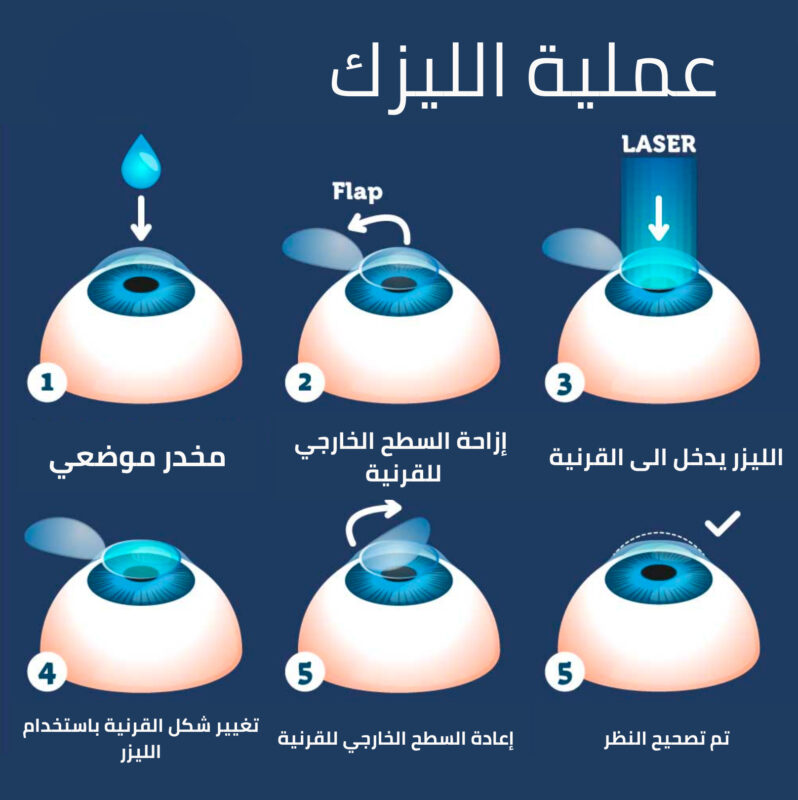
LASIK surgery is an advanced vision correction procedure used to treat refractive errors such as nearsightedness, farsightedness, and astigmatism by reshaping the cornea using laser technology with high precision. During LASIK, a thin flap is first created in the cornea, then an excimer laser is used to reshape the corneal tissue so light focuses correctly on the retina, improving vision clarity and reducing or eliminating the need for glasses or contact lenses. LASIK is considered the foundation from which Femto LASIK and Femto SMILE technologies evolved, so understanding what LASIK is and how it works helps patients better understand the differences between LASIK, Femto LASIK, and Femto SMILE and choose the most suitable option in consultation with an eye specialist.
What Is Femto LASIK?
Femto LASIK is one of the advanced laser vision correction techniques and is considered an evolution of traditional LASIK. Instead of using a surgical blade to create the corneal flap, a femtosecond laser is used. In Femto LASIK, the femtosecond laser creates an ultra-precise and uniform corneal flap, after which an excimer laser reshapes the cornea to correct nearsightedness, farsightedness, or astigmatism. This technique provides greater precision and control over flap thickness and positioning, improving safety and visual stability compared to traditional LASIK while reducing complications associated with mechanical cutting. Femto LASIK is often recommended for patients seeking greater precision and more stable visual outcomes, and it is widely offered in specialized centers providing advanced vision correction options such as LASIK, Femto LASIK, and Femto SMILE.
What Is Femto SMILE?
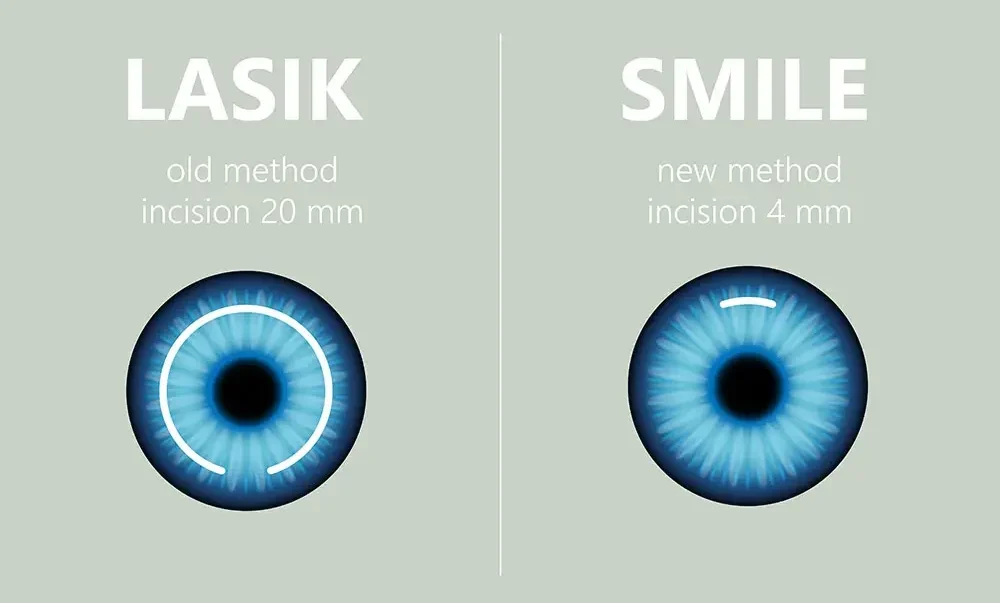
Femto SMILE (Small Incision Lenticule Extraction) is one of the latest laser vision correction technologies and is considered a more advanced development compared to LASIK and Femto LASIK because it is performed through a very small incision without creating a corneal flap. In this procedure, a femtosecond laser creates a thin lenticule inside the corneal tissue, which is then removed through a tiny opening only a few millimeters wide. This changes the corneal curvature and corrects refractive errors such as nearsightedness and astigmatism. Femto SMILE is less invasive to the corneal structure compared to LASIK and Femto LASIK, helping preserve corneal strength, reduce dry eye symptoms, and speed up recovery, making it a preferred option for many patients seeking a modern and safe laser vision correction technique with minimal complications.
The Difference Between LASIK, Femto LASIK, and Femto SMILE
Difference in Procedure Method
| Technique | Procedure Method |
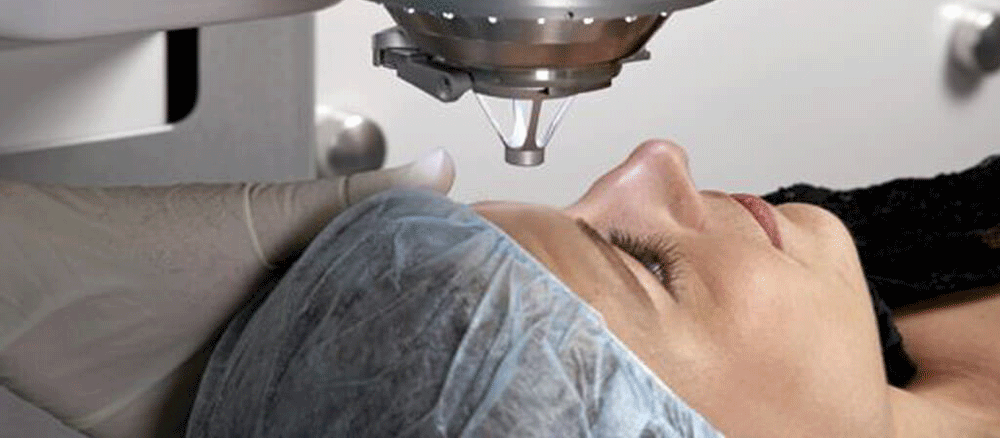
| LASIK | A corneal flap is created using a surgical instrument, followed by reshaping the cornea with an excimer laser. |
| Femto LASIK | The flap is created using a femtosecond laser instead of a surgical blade, followed by excimer laser correction. |
| Femto SMILE | Vision correction is performed through a very small incision without creating a full corneal flap, using only a femtosecond laser. |
Difference in Recovery Time
| Technique | Recovery Time |
| LASIK | Vision usually improves significantly within 24–48 hours. |
| Femto LASIK | Recovery is similarly fast, often with greater comfort in some cases. |
| Femto SMILE | Visual recovery may be slightly more gradual during the first few days, but recovery is generally comfortable and stable. |
Difference in Accuracy of Results
| Technique | Accuracy of Results |
| LASIK | Highly effective and accurate for most refractive errors. |
| Femto LASIK | Greater precision in flap creation and surgical control. |
| Femto SMILE | Excellent outcomes, especially for myopia and astigmatism. |
Difference in Dry Eye Symptoms
| Technique | Likelihood of Dry Eye |
| LASIK | Higher likelihood of temporary dry eye after surgery. |
| Femto LASIK | Lower risk compared to traditional LASIK due to laser precision. |
| Femto SMILE | Lowest likelihood of dry eye because more corneal nerves are preserved. |
Difference in Safety Level
| Technique | Safety Level |
| LASIK | Safe and effective for suitable candidates. |
| Femto LASIK | Higher safety level due to laser-based flap creation instead of surgical instruments. |
| Femto SMILE | One of the most advanced techniques in preserving corneal tissue and stability. |
Difference in Suitability for Corneal Thickness
| Technique | Corneal Thickness Suitability |
| LASIK | Requires relatively adequate corneal thickness. |
| Femto LASIK | May be suitable for some patients with thinner corneas compared to LASIK. |
| Femto SMILE | Suitable for many sensitive corneal cases while preserving more corneal tissue. |
Difference in Procedure Duration
| Technique | Procedure Duration |
| LASIK | Usually takes around 10–15 minutes for both eyes. |
| Femto LASIK | Similar duration to traditional LASIK. |
| Femto SMILE | May take a similar or slightly longer time depending on the case. |
Difference in Cost
| Technique | Approximate Cost |
| LASIK | Usually the least expensive among laser vision correction procedures. |
| Femto LASIK | More expensive than LASIK due to the use of femtosecond laser technology. |
| Femto SMILE | Typically the most expensive as it is one of the latest vision correction technologies. |
Which Is Better: LASIK, Femto LASIK, or Femto SMILE?
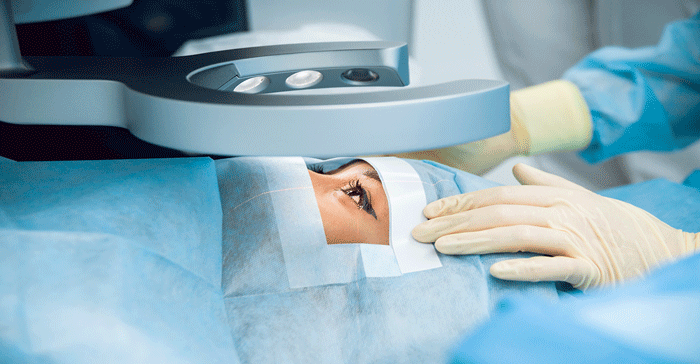
There is no single procedure that can be considered the best for everyone. The choice between LASIK, Femto LASIK, and Femto SMILE depends on the condition of the eyes, the degree of refractive error, corneal thickness, and lifestyle. Traditional LASIK is suitable for many cases of nearsightedness, farsightedness, and astigmatism and is an effective solution for patients without thin corneas or significant ocular surface problems. Femto LASIK uses a femtosecond laser to create the corneal flap with greater precision, making it a preferred option for patients seeking enhanced safety, accuracy, and reduced flap-related complications. Femto SMILE, on the other hand, is one of the most advanced vision correction techniques because it does not require a large corneal flap and is performed through a small incision, helping preserve corneal strength, reduce dry eye symptoms, and speed up recovery. Ultimately, the best option is the one most suitable for your specific condition after a comprehensive eye examination by a specialized ophthalmologist.
Best Doctor for Vision Correction Surgery in Jeddah – Dr. Baraa Faham