
Med info
Fat bags under the eyes: When are they treated surgically?

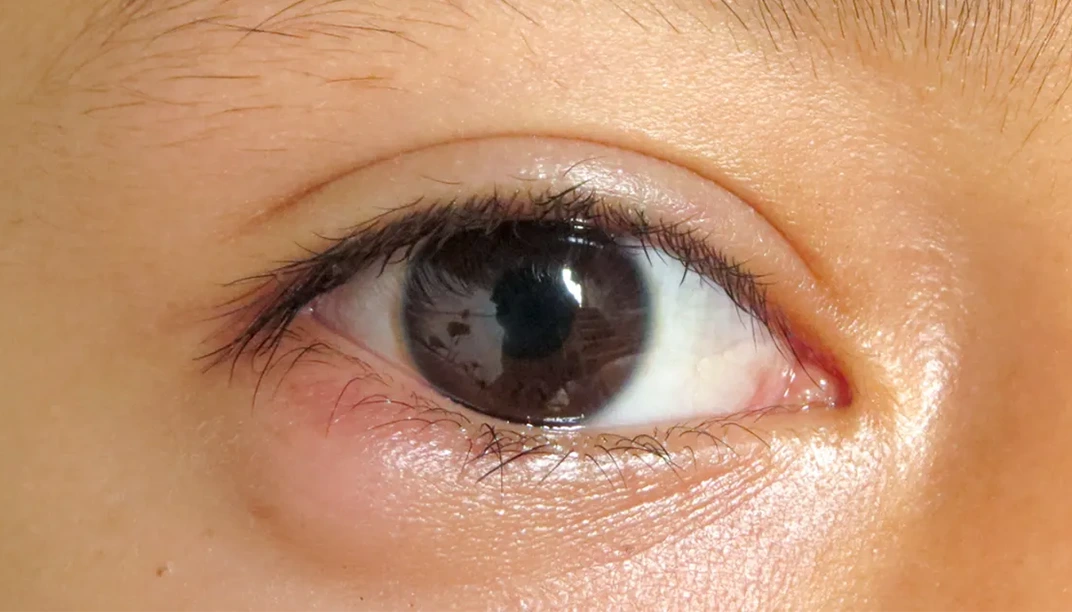
What are under‑eye fat pads?
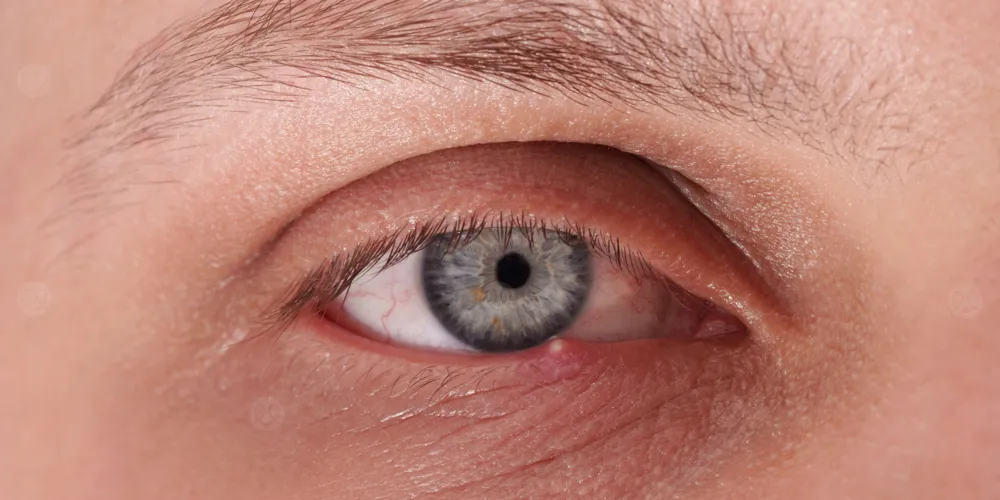
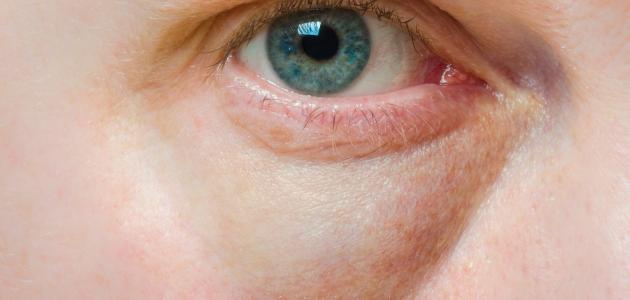
Under‑eye fat pads are small bulges or swellings that appear beneath the lower eyelid. They result from the forward protrusion or accumulation of naturally occurring fat compartments around the eye. This usually happens with advancing age, as the skin loses elasticity and the supporting muscles and tissues in this delicate area become weaker.
Although under‑eye fat pads are not considered a serious medical problem in most cases, they are cosmetically bothersome for many people. They can make the face look tired or older, and may sometimes be associated with dark circles or laxity (sagging) of the lower eyelid.
These pads form when the tissues surrounding the eye weaken, allowing orbital fat to shift forward and collect beneath the skin. Genetic predisposition, lack of sleep, fluid retention, smoking, and certain chronic medical conditions can all contribute to making them more prominent.
Understanding what under‑eye fat pads are and what causes them helps in choosing the most appropriate way to address them—whether through lifestyle modifications or by resorting to specialized medical and cosmetic procedures to improve the appearance of the under‑eye area.
Causes of Under-Eye Fat Pads
Aging and weakening of the supporting tissues
As we age, the supporting structures around the eye—such as the muscles and ligaments that keep the orbital fat in place—gradually weaken.
Over time, these tissues lose elasticity and firmness, allowing pockets of fat to shift forward and appear as under‑eye fat pads.
Aging is also associated with a decline in collagen and elastin production and thinning of the skin. The skin under the eyes becomes thinner and more translucent, making fat bulges beneath it more visible and prominent.
For this reason, aging is one of the most common causes of under‑eye fat bags, even in people who do not have any other underlying health problems.
Genetics and family facial structure
Genetic factors play a key role in the development of under‑eye fat pads. A person may inherit the shape of the eye socket, skin thickness, and pattern of fat distribution from one or both parents.
Some families have a bone structure that leaves the under‑eye area hollow or poorly supported, which makes it easier for fat pads to protrude even at a relatively young age.
If one or more family members have persistent puffiness under the eyes, the person is more likely to develop under‑eye fat bags as well, even with a generally healthy lifestyle.
Recognizing this hereditary component helps in understanding the root cause of the problem and in choosing the most appropriate treatment or preventive options.
Fluid retention and allergies
Fluid retention in the facial tissues—especially around the eyes—is one of the factors that can cause or accentuate the appearance of under‑eye fat pads.
Fluid may accumulate under the eyes due to high salt intake, hormonal changes, or certain medications, leading to more noticeable swelling in this delicate area.
Nasal allergies and ocular allergies can also cause chronic inflammation and puffiness of the eyelids. Frequent eye rubbing further weakens the supporting tissues over time, contributing to persistent or near‑persistent under‑eye fat bulges.
Managing allergies and reducing salt in the diet can help ease swelling and lessen the visibility of these bags.
Lack of sleep and chronic stress
Insufficient sleep and chronic stress do not always create new fat pads under the eyes, but they are important factors that make existing fat bulges more visible.
Poor sleep impairs blood and lymphatic circulation around the eyes, leading to fluid buildup, dark circles, and swelling that draw attention to any underlying fat pads.
Chronic stress elevates stress hormones such as cortisol, which can disrupt fluid balance and fat distribution in the body and increase the tendency of tissues to become inflamed and saggy.
Improving sleep habits and managing stress are therefore important supportive measures in addressing the causes of under‑eye fat bags and minimizing their appearance.
Smoking and daily habits that affect the skin
Smoking is a major accelerator of skin aging. It reduces blood flow to the tissues and impairs collagen production, which leads to faster sagging of the skin and supporting structures around the eyes.
This laxity allows fat pads to slip forward and present as under‑eye bags at an earlier age than would normally be expected.
In addition to smoking, other daily habits—such as excessive sun exposure without sunscreen, not removing makeup before sleep, and rubbing the eyes vigorously—also weaken the under‑eye skin and hasten the appearance of puffiness.
Cutting down or quitting smoking and adopting a consistent skincare routine for the eye area help reduce the impact of these factors on the formation and enlargement of under‑eye fat bags.
Medical conditions that may worsen under‑eye puffiness
Certain medical conditions may not directly cause the formation of under‑eye fat pads, but they can worsen swelling and make existing fat bags more obvious.
These include thyroid disorders, kidney diseases that cause fluid retention, as well as some heart and liver conditions, and chronic sinus problems.
In such situations, fluid accumulates in the tissues around the eyes, combining with the protruding fat pads and resulting in more pronounced and persistent puffiness.
Therefore, if there is sudden or marked swelling under the eyes accompanied by other general symptoms, it is important to consult a physician to rule out any underlying health condition contributing to increased under‑eye swelling and fat bags.
Types of Under‑Eye Fat Pouches
True Fat Pads
True under‑eye fat pads are the most common form of under‑eye “bags.” They usually appear as a constant bulge in the lower eyelid that looks like a permanent puffiness.
These pads develop when the normal orbital fat around the eye shifts forward with age, or due to a genetic predisposition.
This type of under‑eye bag does not improve with sleep or cutting down on salt, because it is not simply fluid retention; it reflects structural changes in the fat tissue and weakening of the lower eyelid support structures (ligaments and septum).
True fat pads are usually present on both sides and may be associated with mild skin laxity, which can make the eyes look tired or older.
They are typically treated with cosmetic procedures such as lower blepharoplasty (lower eyelid lift/eyelid surgery), or with newer approaches like laser techniques or injectable treatments, depending on the patient’s condition and the degree of protrusion.
Swelling Due to Fluid Retention
Among what people call “under‑eye bags,” some are in fact swelling caused by fluid retention rather than true fat pads.
This type of puffiness often shows up in the morning after waking, and may worsen with high salt intake, lack of sleep, or in the presence of circulatory, kidney, or heart problems.
Fluid‑retention swelling under the eyes tends to feel soft, fluctuates in severity from day to day, and may affect the entire lower eyelid region rather than just the area of the fat pads.
Improving lifestyle habits, drinking adequate water, reducing salt, and treating the underlying medical cause all help reduce this kind of under‑eye puffiness.
Fluid retention is often mistaken for fat pads, so a proper assessment by a specialist is important to distinguish between different types of swelling and choose the most appropriate treatment.
Skin Laxity of the Lower Eyelid
Loose skin around the lower eyelid is closely linked to the appearance of under‑eye bags, as lax skin can make the underlying fat pad look more prominent.
With age, the skin around the eyes loses elasticity and collagen density, so it appears as excess, wrinkled skin over or under the fat pads, which exaggerates puffiness and fine lines.
In some patients, there is no significant fat protrusion; the main issue is skin laxity itself, which can give the illusion of an under‑eye bag even without a major increase in fat volume.
This type of lower‑eyelid problem can be managed with various options such as laser skin tightening, collagen‑stimulating injectables, thread lifts, or surgical eyelid tightening (blepharoplasty), chosen according to the degree of laxity and whether true fat pads are present.
Understanding how skin laxity interacts with under‑eye fat pads helps create a precise treatment plan, which often combines skin tightening with removal or redistribution of fat to achieve a more youthful look.
Puffiness Related to Allergy or Inflammation
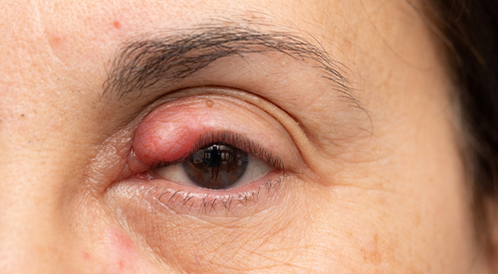
Another group of swellings that are commonly confused with under‑eye fat pads are those caused by allergic reactions or inflammatory processes.
In these cases, swelling appears suddenly or recurs under the eyes, often accompanied by itching, redness, tearing, or a burning sensation in or around the eyes.
Allergy to cosmetics, contact lenses, dust, pollen, or certain foods can all trigger under‑eye puffiness that mimics fat pads, while in reality it is inflammatory edema of the tissues.
This kind of swelling is variable rather than constant; it may worsen during allergy seasons or after exposure to a trigger, then improve with antihistamines, suitable eye drops, or avoidance of the allergen.
Distinguishing stable, structural fat pads from fluctuating allergy‑related puffiness is crucial, as treatment of the former is mainly cosmetic or surgical, whereas the latter depends on controlling the allergy and inflammation rather than removing fat.
Symptoms of Under-Eye Fat Pads
The symptoms of under-eye fat pads typically appear as a persistent puffiness or swelling beneath the lower eyelid, which tends to be more noticeable in the morning or with fatigue.
A person may observe soft, bulging “pockets” of fat that do not disappear with rest or sufficient sleep, along with subtle changes in the shape of the eyes or overall facial features.
In some cases, under-eye fat pads may be accompanied by a feeling of heaviness or mild discomfort around the eyes, or a sensation of dryness due to changes in how the tear film spreads across the eye’s surface.
Over time, the condition can become more pronounced, with the fat pads appearing more prominent and the development of dark shadows or circles that accentuate a tired, worn-out look.
These fat pads usually do not cause sharp pain or itching. However, any sudden swelling, redness, pain, or visual disturbance requires prompt evaluation by an ophthalmologist or dermatologist to rule out more serious underlying conditions.
When should you see a doctor?
Under‑eye fat pads don’t always require medical treatment, but you should see a doctor if they appear suddenly, grow rapidly, or are accompanied by redness, pain, or marked swelling around the eye. These signs may indicate an infection or an eyelid disorder rather than simple cosmetic under‑eye bags.
It is also advisable to consult an ophthalmologist or dermatologist if the under‑eye bags bother you cosmetically and affect your self‑confidence, or if they are associated with itching, persistent tearing, blurred vision, or difficulty fully closing your eyes.
Medical evaluation is particularly important if you have chronic conditions such as thyroid disease, kidney disease, or heart disease, because puffiness under the eyes can sometimes be a manifestation of fluid retention or an underlying systemic problem.
The physician will assess your condition and distinguish age‑related under‑eye fat prolapse from abnormal swelling, then recommend the most appropriate management—ranging from simple lifestyle adjustments and topical treatments to cosmetic interventions such as laser procedures or minor surgery, when indicated.
How are under‑eye fat pads diagnosed?
Diagnosis of under‑eye fat pads usually begins with a clinical examination by a dermatologist or ophthalmologist. The doctor carefully inspects the lower eyelid area, assessing the texture, size, and color of the fatty bulge and determining whether the swelling is due to true fat prolapse or simply under‑eye puffiness caused by fluid retention, fatigue, or allergies.
The physician will also review your medical history, including any autoimmune or dermatologic conditions, current medications, and whether similar issues run in the family.
In some cases, additional tests may be requested, such as blood work to rule out thyroid dysfunction or kidney problems, and imaging studies like ultrasound or MRI if there is suspicion of a deeper mass or a potentially malignant lesion.
This thorough diagnostic approach helps guide an appropriate treatment plan for under‑eye fat pads—whether they only require a minor cosmetic procedure, medical therapy, or more specialized evaluation in complex cases.
Non-Surgical Treatment of Under-Eye Fat Pads
Lifestyle and Sleep Optimization
Adopting a healthier lifestyle and improving sleep habits are among the most important steps in managing under‑eye fat pads without surgery, especially when the issue is related to fatigue or fluid retention.
Sleeping 7–8 hours at night on a regular schedule helps reduce periorbital puffiness and prevents fat pads from becoming more prominent.
It is also advisable to sleep with the head slightly elevated using an extra pillow to minimize fluid pooling in the under‑eye area.
Quitting smoking, cutting down on dietary salt, avoiding staying up late, and drinking enough water throughout the day all support better circulation around the eyes and can significantly reduce the prominence of under‑eye fat pads.
Cold Compresses and Reducing Fluid Retention
Cold compresses are a simple yet effective method to help improve the appearance of under‑eye fat pads without surgery, particularly when the swelling is linked to fluid retention.
Applying a cold water compress or a clean cloth soaked in cold water over the eyes for 5–10 minutes helps constrict blood vessels and decrease periorbital swelling.
Chilled cucumber slices or cooled green tea bags can also be used, as they help soothe the skin and reduce the puffy appearance under the eyes.
While this approach will not permanently remove fat pads, it can reduce puffiness and improve the overall look of the area, especially when combined with a healthy lifestyle, lower salt intake, and adequate hydration.
Topical Creams and Local Treatments
Topical eye creams play an important role in improving the appearance of under‑eye fat pads without surgery, particularly when they contain clinically studied ingredients.
Key beneficial components include hyaluronic acid to hydrate the delicate under‑eye skin, retinol to stimulate cell turnover, and caffeine to help reduce puffiness and enhance superficial microcirculation.
Eye creams should be applied gently, without rubbing, and according to each product’s instructions, as the skin in this area is thin and sensitive.
Although topical products cannot dissolve fat pads completely, they can mildly tighten the skin and reduce the appearance of fine lines and wrinkles, making under‑eye bags less noticeable and enhancing the overall appearance of the eyes.
Fillers to Improve the Under‑Eye Contour
Under‑eye fillers are a popular non‑surgical option for improving the appearance of under‑eye fat pads.
In this technique, a dermatologist or plastic surgeon injects substances such as hyaluronic acid‑based fillers into the hollow area beneath the fat pads to fill depressions and smooth the transition between the lower eyelid and the cheek.
Fillers do not remove the fat pad itself; rather, they minimize the height difference between the bulging and hollow areas, making the bags less conspicuous and more harmonious with the rest of the face.
Results are typically almost immediate and may last from several months up to over a year, depending on the type of filler and individual factors. Treatment must be performed in a reputable clinic by a qualified specialist to reduce the risk of complications such as swelling or lumpiness.
Laser, Peels, and Non‑Surgical Skin Tightening
Laser procedures, chemical peels, and non‑surgical skin tightening have become key tools in managing under‑eye fat pads without surgery, especially when there is noticeable skin laxity.
Fractional laser resurfacing stimulates collagen production and tightens the skin, which helps reduce the sagging that accentuates under‑eye fat pads and makes them appear less prominent.
Light to medium‑depth chemical peels can improve the tone and texture of the under‑eye skin and soften fine lines that make puffiness more visible.
There are also non‑surgical tightening modalities such as focused ultrasound (HIFU) and radiofrequency devices, which target deeper tissue layers to improve skin firmness.
These procedures do not completely eliminate fat pads; however, they decrease skin laxity and enhance the contour of the under‑eye area. An individualized treatment plan is usually designed after assessment by a qualified physician.
When is surgery needed for under‑eye fat bags?
Surgical treatment for under‑eye fat bags is considered when they cause a bothersome cosmetic appearance that affects self‑confidence, or when there is marked laxity of the lower eyelid that no longer responds to conservative cosmetic options such as creams, fillers, or laser treatments.
In general, surgery is recommended when the size of the fat pads remains stable for a long time or progressively increases, or when they start to interfere with peripheral vision, cause a feeling of heaviness in the eyelids, or are associated with advanced sagging of the surrounding skin and muscles.
Surgery is also preferred when there are no medical conditions that contraindicate anesthesia, and only after careful assessment by an ophthalmologist or an oculoplastic/eyelid plastic surgeon. The specialist will determine whether lower eyelid surgery (blepharoplasty / lower eyelid lift) to remove or reposition the fat pads is the most appropriate choice, or if non‑surgical options can still provide a safe and natural‑looking result.
Types of Surgical Procedures for Treating Under‑Eye Fat Pads
Transconjunctival Lower Blepharoplasty
Transconjunctival lower blepharoplasty is one of the most common surgical techniques used to treat under‑eye fat pads in patients who have prominent fat bulges without significant skin laxity.
In this approach, the surgeon makes an internal incision through the conjunctiva on the inside of the lower eyelid, allowing direct access to the under‑eye fat pads to remove or reposition them, without leaving visible scars on the skin surface.
This technique is typically suitable for younger patients or those with relatively good skin elasticity, where the primary goal is to correct fat prolapse under the eyes while preserving the natural contour of the eyelid and maintaining a youthful appearance of the eyes.
Because the incision is internal, this method involves less disturbance of the superficial tissues, which may help shorten recovery time and reduce the risk of altering the shape or position of the lower eyelid, provided the patient is appropriately selected and the procedure is performed by an experienced oculoplastic surgeon or facial plastic surgeon.
Removal or Repositioning of Under‑Eye Fat
Many surgical procedures for under‑eye bags are based on selectively removing or repositioning the excess fat that has accumulated in the lower eyelid.
In some cases, the surgeon removes a portion of the protruding fat pads when the bulge is pronounced and distorts the contour of the under‑eye area, taking care not to over‑resect the fat so the patient does not end up looking older or developing a hollowed appearance under the eyes.
In other situations, fat repositioning is a better option: instead of simply removing the fat, it is redistributed from the bulging areas to adjacent hollows or darker depressions under the eyes, creating a smoother transition and softening under‑eye shadows and fine lines.
This strategy helps preserve volume and fullness in the tear trough and lower eyelid region, while improving the overall contour and treating under‑eye bags in a more natural and long‑lasting way, especially in patients who have both fat prolapse and volume loss in the upper cheek (midtface).
Tightening Loose Skin Around the Lower Eyelid
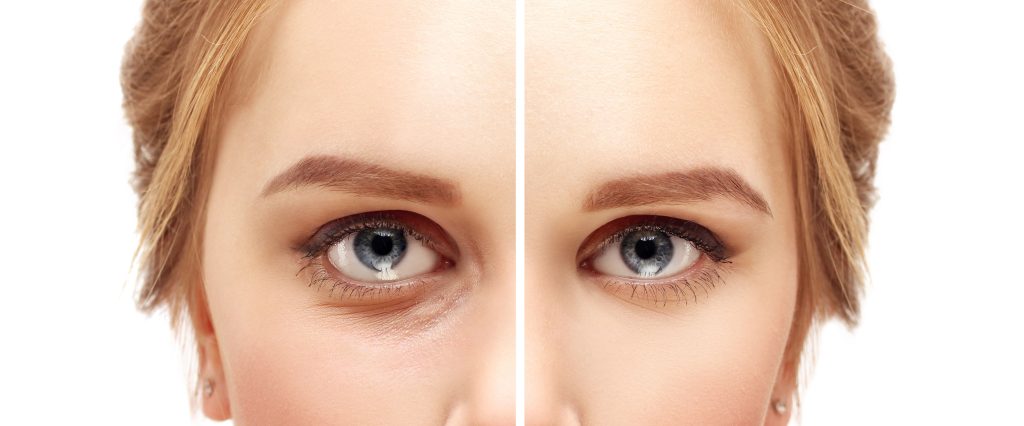
In some patients with under‑eye bags, the problem is not limited to fat prolapse; it is also accompanied by noticeable skin laxity and wrinkles around the lower eyelid.
In such cases, the surgeon may recommend a procedure that combines treatment of the under‑eye fat pads with tightening of the loose skin around the lower eyelid.
A fine external incision is usually placed just below the lower lash line or hidden within natural skin creases, allowing the surgeon to gently tighten the skin, remove the excess, and reinforce the supporting structures of the eyelid to improve its stability and aesthetic appearance.
Addressing skin laxity in this way can provide a more complete outcome: not only are the fat bulges reduced, but fine lines and wrinkles that contribute to a tired, aged look are also softened.
This type of lower eyelid surgery is more commonly chosen for older patients or those with significant skin laxity that cannot be adequately corrected with a transconjunctival approach alone or with non‑surgical treatments.
Combining Surgery with Other Aesthetic Procedures
Under‑eye bags are often just one of several concerns affecting the appearance of the eye area and the face as a whole.
For this reason, surgeons may recommend combining lower eyelid surgery for under‑eye bags with additional cosmetic procedures to achieve a more harmonious and natural‑looking result.
These may include upper blepharoplasty (upper eyelid lift), brow lift, autologous fat grafting or dermal filler injections to the cheeks or tear troughs, and laser resurfacing sessions to improve skin texture and reduce fine pigmentation and wrinkles.
Integrating lower eyelid surgery with complementary aesthetic treatments allows simultaneous correction of wrinkles, skin laxity, dark circles, and midface volume loss, rather than focusing solely on the fat pads under the eyes.
This comprehensive approach can rejuvenate the entire periocular area and the midface, while preserving natural facial proportions and avoiding an artificial or “over‑operated” appearance.
The decision to combine procedures is made after a thorough clinical evaluation of the skin, muscles, and fat compartments, and with careful consideration of the patient’s goals and expectations for the final outcome.
Recovery After Under-Eye Fat Pad (Bag) Surgery
Recovery after under-eye fat pad (eye bag) surgery usually begins within a few days. You may notice mild to moderate swelling and some bruising around the lower eyelid; these are normal reactions and typically fade gradually over 1–2 weeks.
Doctors generally recommend applying cold compresses during the first 48 hours and keeping the head elevated while sleeping to help reduce swelling. It’s also important to avoid rubbing the eyes, lifting heavy objects, or bending over for long periods during the first week.
Your surgeon will often prescribe an eye ointment or eye drops to prevent dryness and infection. You should follow the medication schedule precisely and attend all follow-up appointments as instructed.
Most patients can resume light daily activities after about 3–5 days. However, it’s best to postpone using eye makeup and to avoid direct sun exposure for roughly two weeks. During this time, wearing large sunglasses and protecting the surgical area is strongly advised.
When postoperative instructions are followed carefully, any scars—if present—are usually fine and barely visible. The final, more refreshed and youthful appearance of the eyes becomes evident over the following weeks, with continuous improvement in skin texture and reduction of puffiness.
Can under-eye fat pads come back?
Yes, under-eye fat pads can recur in some cases, even after treatment or surgical removal, especially if underlying factors persist, such as aging, genetic predisposition, or fluid retention.
Although lower eyelid surgery (blepharoplasty) usually provides long-lasting results, the skin and surrounding tissues continue to age and change over time. This can lead to new laxity or mild puffiness in the under-eye area.
Unhealthy lifestyle habits—such as insufficient sleep, smoking, and a high-sodium diet—can also worsen under-eye puffiness or make residual fat pads more noticeable.
For this reason, physicians often recommend combining the appropriate treatment with regular follow-up visits to a dermatologist or plastic surgeon, along with adopting healthy lifestyle habits. This approach helps reduce the likelihood of recurrence and maintain treatment results for as long as possible.
Best Oculoplastic Surgeon in Jeddah – Dr. Tarek Al-Najjar
Dr. Tarek Al‑Najjar is considered one of Jeddah’s leading oculoplastic (eye plastic surgery) specialists, with particular expertise in treating under‑eye fat bags using the latest surgical and non‑surgical techniques, while prioritizing eye safety and enhancing natural eye aesthetics.
Dr. Tarek begins with a thorough assessment of each case, identifying the underlying cause of under‑eye puffiness—whether due to skin laxity, fat protrusion, hereditary factors, or aging—then designs a personalized treatment plan. This may include lower eyelid blepharoplasty to remove or reposition under‑eye fat pads, laser-based procedures, or cosmetic injectables to improve dark circles and sagging.
He is committed to using advanced eyelid and eye-area rejuvenation techniques that minimize swelling and shorten recovery time, while delivering natural-looking results that leave patients appearing more refreshed and youthful. This has made him a preferred choice for anyone seeking the best oculoplastic surgeon in Jeddah for safe and highly effective treatment of under‑eye fat bags.
Book Your Consultation for Under-Eye Fat Bag Treatment at Batal Specialized Eye Center
If you are struggling with under-eye fat bags and looking for a medical or cosmetic solution to achieve a fresher and more youthful appearance, Batal Specialized Eye Center offers comprehensive evaluations and personalized treatment plans tailored to your condition.
Through a detailed assessment of the eyelids and the surrounding eye area, our specialists determine the exact cause of the puffiness — whether it is due to protruding fat pads, skin laxity, fluid retention, or hereditary factors — and recommend the most suitable treatment option, ranging from non-surgical procedures to advanced eyelid cosmetic surgery.
At Batal Specialized Eye Center, we are committed to providing the latest techniques for under-eye fat bag treatment with natural-looking results and a comfortable recovery process, under the care of highly experienced eye cosmetic specialists in Jeddah.
Book your appointment today and receive a professional consultation designed to help you restore a more refreshed, youthful, and confident appearance with a treatment plan tailored specifically to your needs and aesthetic goals.