
Med info
Signs of strabismus in children: early symptoms and when to be concerned?

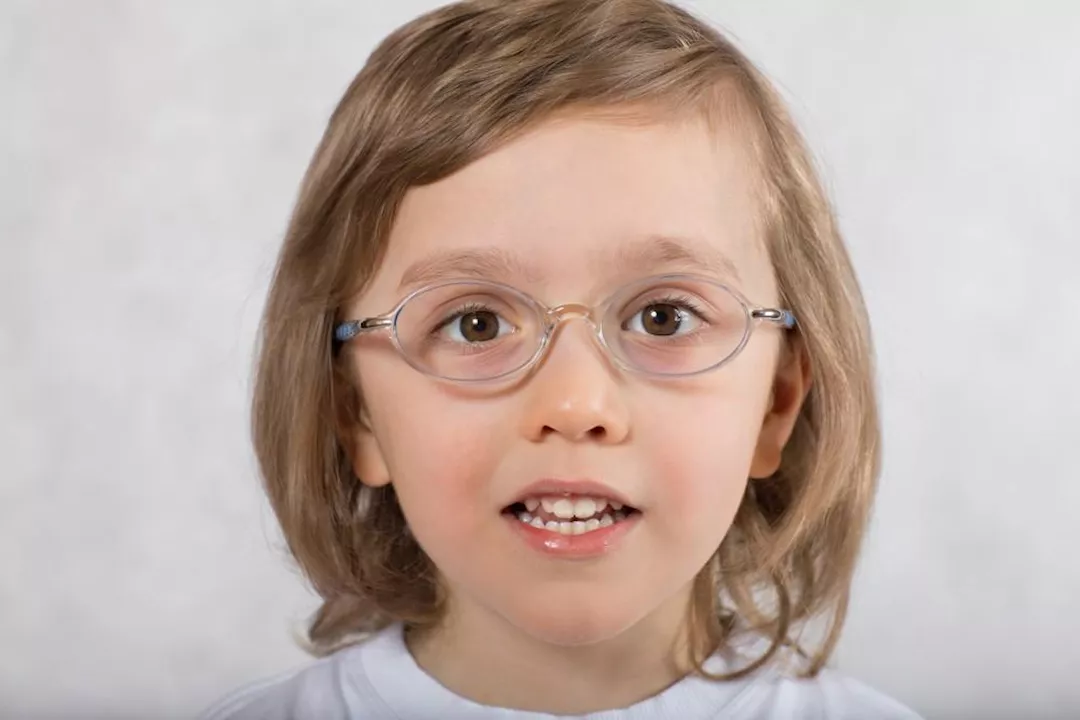
Signs of Strabismus in Children (Early Symptoms to Watch For)
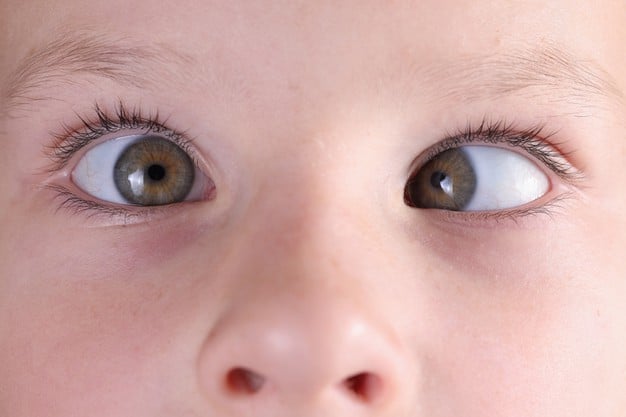
Clear, Easily Noticeable Signs
Marked inward or outward deviation of one eye
A clearly visible inward or outward turn of one eye is one of the earliest and most obvious signs of strabismus in children.
A mother might notice that one eye looks straight ahead while the other eye drifts inward toward the nose or outward toward the ear.
If this misalignment keeps recurring or becomes constant, it is an important warning sign that requires prompt assessment by a pediatric ophthalmologist to determine the type and severity of strabismus and to prevent reduced vision in the deviating eye.
Eyes not aligned when looking at the same object
When a child focuses on a toy or the TV screen, both eyes should naturally move together in the same direction.
If the eyes are not aligned, or each eye appears to be looking in a slightly different direction when focusing on the same object, this is a sign of strabismus that should not be ignored.
This misalignment may be subtle at first, but if left untreated it can later lead to amblyopia (lazy eye), headaches, or difficulty with binocular vision.
Using only one eye and neglecting the other
If you notice that your child relies on one eye to see clearly—such as tilting the head, or unconsciously covering one eye to improve vision—this may indicate strabismus or reduced vision in the other eye.
Persistently ignoring one eye can lead to amblyopia (lazy eye), which is one of the common complications of childhood strabismus if not managed in time.
Early consultation with an eye specialist helps preserve visual acuity in the underused eye and improves eye alignment.
Eyes looking in different directions in photographs
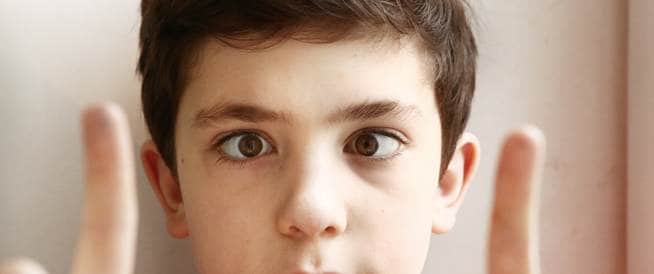
Reviewing photographs of the child may reveal signs of strabismus that are not easily noticed in daily life.
In some pictures, one pupil may appear to be looking directly at the camera while the other eye is turned slightly inward or outward.
If this pattern appears in several photos, especially those taken with flash, it may indicate strabismus or asymmetry in eye movement, and warrants a comprehensive eye examination.
Closing one eye, especially in bright light
A child who closes one eye when exposed to bright light, going outdoors in the sun, or trying to focus on distant objects may be showing an indirect sign of strabismus.
This behavior can mean that using both eyes together causes blurred or double vision, prompting the child to close one eye to see more clearly.
Frequent closing of the same eye in everyday situations should be taken seriously, as it may be an early sign of misalignment or visual weakness.
Indirect Signs That May Suggest Strabismus
Tilting or turning the head when looking
A child who consistently tilts the head to one side, or turns it when watching TV or looking at the board in class, may be compensating for an eye misalignment.
The child adopts this posture automatically to find a head position that provides clearer vision and reduces double vision.
If your child’s head position looks unusual or is repeatedly tilted during visual tasks, it is important to have the eyes examined to rule out strabismus or an eye muscle disorder.
Holding objects abnormally close to the face
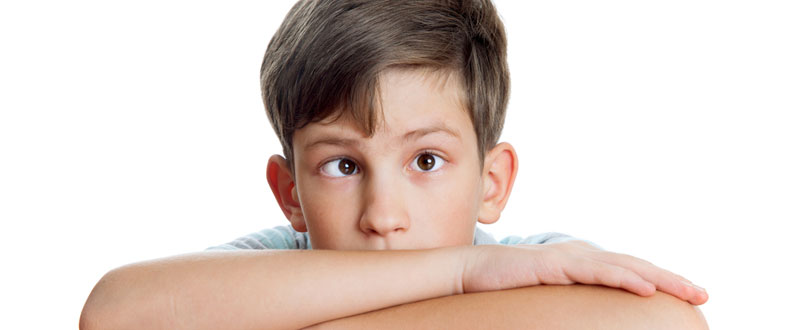
Bringing books, toys, or a phone very close to the face is not only a sign of refractive error; it can also be associated with strabismus.
In some types of strabismus, children struggle to use both eyes together to focus on distant objects, so they hold things closer to see them more clearly.
This is one of the signs that warrants a full eye assessment, including visual acuity testing and evaluation of ocular alignment.
Difficulty maintaining visual focus or attention
A child with strabismus may have trouble sustaining visual attention during tasks such as reading, coloring within the lines, or following the teacher’s explanation in class.
Double or blurred vision caused by misalignment can make the child tire quickly and lose interest in visually demanding activities.
If your child avoids tasks that require prolonged visual concentration, or complains of eye strain, strabismus should be considered as a possible underlying cause.
Frequent eye rubbing
Frequent eye rubbing is not always due to allergies or dryness; it can also be an indirect sign of strabismus.
Constant rubbing may result from visual fatigue or discomfort caused by the brain receiving mismatched images from the two eyes.
If eye rubbing occurs along with other signs such as head tilt or obvious eye deviation, an eye examination is needed to check vision and eye alignment.
Avoiding activities that require visual focus
Some children with strabismus tend to avoid games that need good eye–hand coordination, such as building blocks, ball games, drawing, or coloring.
They may also show little interest in reading or looking at picture books for extended periods because of visual discomfort.
Avoidance of these activities—especially if accompanied by poor school performance or frequent headaches—may be an indirect sign of strabismus or another visual problem that requires specialist evaluation.
Difficulty tracking moving objects

One of the more subtle signs of strabismus in children is difficulty following moving objects, such as a ball while playing, passing cars, or fast-moving animations on a screen.
You may notice that the child quickly loses sight of the target or moves the head instead of moving the eyes to follow it.
This difficulty in visual tracking may indicate a problem in coordinating eye movements, as seen in certain types of strabismus, and calls for a detailed assessment of eye function and motility.
Signs of Strabismus in Infants (When Do Problems Start to Appear?)
Poor Eye Fixation on Faces or Toys
In the first few months of life, infants may not fixate clearly on faces or toys, and this is usually normal up to about 2–3 months of age.
However, if after 3 months the baby still does not fix their gaze on the mother’s or father’s face and does not visually follow nearby toys, this may be an early sign of strabismus (eye misalignment) or reduced vision.
Frequent and persistent difficulty in maintaining eye contact can indicate a problem in eye movement coordination or visual development. In such cases, it is advisable to consult a pediatric ophthalmologist if this sign persists beyond 3–4 months of age.
Early observation at this stage helps detect signs of strabismus in infants in time, before the problem progresses.
Occasional Lack of Coordination Between the Eyes
Some random, uncoordinated eye movements are normal in the first weeks of life, but by around 2–3 months, eye movements should gradually become more coordinated.
If parents notice that the eyes are frequently moving out of sync, or that one eye tends to drift in a different direction from the other, especially after 3 months of age, this may represent the onset of strabismus in infants.
Persistent lack of coordination between the eyes may mean the brain is not properly synchronizing input from both eyes, increasing the risk of permanent strabismus if not diagnosed and treated early.
Mild Intermittent Deviation in One Eye
During the first few months, a slight, intermittent deviation of one eye may be noticed, particularly when the baby is tired or during feeding. This can still be considered within normal limits up to about 4–6 months of age.
However, if this intermittent deviation persists or becomes more frequent after 6 months, it may be an early sign of strabismus.
The deviation may be inward (esotropia) or outward (exotropia). Identifying it at this early age allows for timely intervention before the misalignment becomes constant and begins to interfere with normal visual development.
Poor Tracking of Moving Objects
From around 2–3 months of age, infants are expected to gradually begin tracking moving objects with their eyes, such as a moving hand, toy, or face in front of them.
If after 3–4 months the baby is not clearly following moving objects, or is tracking them with one eye only, this may be an early sign of strabismus or impaired vision.
Difficulty tracking moving objects suggests a problem with the eyes working together (binocular vision) and can be an important early indicator of strabismus in infants, warranting assessment by a pediatric ophthalmologist.
Signs of Strabismus After 6 Months of Age
After 6 months, eye movements and alignment should be more stable. Any obvious or persistent deviation of one or both eyes at this stage is usually considered abnormal.
At this age, it becomes easier for parents to notice signs of strabismus, as the child is far more visually engaged with people and surroundings.
If early signs were missed in the first months, the problem of strabismus often becomes more apparent after 6 months, which is why close observation during this period is recommended.
Persistent, Clearly Visible Eye Deviation
If a noticeable deviation of one or both eyes continues beyond 6 months of age and is no longer intermittent, but constant or almost constant, this strongly suggests strabismus that requires prompt evaluation.
Ongoing eye deviation means the brain may begin to ignore the image from the misaligned eye, increasing the risk of amblyopia (lazy eye) and permanent reduction in visual acuity if not treated early.
This is one of the most important signs of strabismus in infants and young children, and medical assessment by a pediatric ophthalmologist should not be delayed once it is observed.
Constant Lack of Parallel Alignment of the Eyes
If, after 6 months of age, the eyes are not aligned when looking straight ahead or when focusing on a specific object, this is a clear sign of strabismus.
If the parents notice that each eye appears to be looking in a different direction, or that the visual axes are not aligned in photos or during play, this suggests a problem with ocular alignment.
Persistent misalignment of the eyes generally does not resolve on its own and most often reflects strabismus that requires early diagnosis and an appropriate treatment plan to preserve the child’s visual function.
Difficulty Focusing on Near Objects
When a child older than 6 months has difficulty focusing on nearby toys, picture books, or the mother’s face during feeding or play, the cause may be strabismus or reduced visual acuity.
Strabismus—especially accommodative esotropia associated with hyperopia (farsightedness)—can impair the child’s ability to converge the eyes properly when looking at near objects.
Noticing difficulty focusing on close objects, especially when accompanied by eye deviation or other symptoms, helps determine when the strabismus began and guides parents to seek early medical advice.
Poor Visual Response to Surroundings
In the second half of the first year, a baby is expected to show clear interest in the environment, such as following people, turning toward toys, and showing visual curiosity.
If an infant seems not to respond visually to surrounding objects, or does not react to movement or colors as other children of the same age do, this may indicate a visual problem or strabismus affecting visual quality.
Reduced visual response, together with other signs like eye deviation or poor tracking of moving objects, should prompt a visit to a pediatric ophthalmologist to determine whether this is due to strabismus or another visual disorder.
Delayed Visual Engagement Compared With Other Children
If parents notice that their child is less visually engaged than peers, does not look at people or toys to the same extent, or is late in making eye contact and smiling at faces, this may be an early sign of a visual deficit or strabismus.
This delay in visual interaction may not be very obvious in the first months, but it becomes clearer after 6 months of age, when most babies show strong visual interest in their surroundings.
Comparing the child’s visual behavior with that of peers of the same age can help parents detect when strabismus may be emerging and seek early medical evaluation to prevent its progression and its impact on visual development and visual skills.
The Difference Between Normal and Transient Strabismus in Infants (for Search Intent)
Understanding the difference between normal, transient eye misalignment and true strabismus in infants is essential for reassuring parents and for early detection of genuine strabismus.
From birth up to about 3–4 months of age, an infant may show transient eye deviation, often referred to as “pseudostrabismus.” In this case, the eyes can appear misaligned at times due to the immaturity of the extraocular muscles or because of a broad nasal bridge and the skin folds around the eyes. This is usually a normal finding and tends to resolve gradually as the child grows.
Pathological or persistent strabismus in infants, on the other hand, is characterized by continuous misalignment of one or both eyes beyond the age of 4–6 months, an increasing frequency of eye deviation, or a constant deviation in a specific direction (inward, outward, upward, or downward). In such cases, the misalignment is no longer considered transient and should prompt urgent evaluation by a pediatric ophthalmologist.
Being able to distinguish between normal, transient misalignment and true strabismus helps parents recognize when eye deviation is simply part of normal visual development and when it may indicate an underlying problem that could lead to amblyopia (lazy eye) and reduced vision if not treated early.
When are signs of strabismus in children considered serious?
Signs of strabismus in children become concerning when eye misalignment appears suddenly after the eyes had previously been straight, when the squint persists constantly beyond the age of 4–6 months in infants without any sign of improvement, or when it is accompanied by other symptoms such as reduced vision in one eye, your child closing one eye to focus, a persistent head tilt to one side, frequent headaches, or double vision.
In such cases, the squint may indicate deeper problems such as amblyopia (lazy eye), significant refractive errors, or neurological and brain disorders. This makes early assessment by a pediatric ophthalmologist essential to prevent permanent vision loss.
Therefore, if you notice that your child’s strabismus is becoming more obvious, not improving over time, or is associated with sudden changes in visual behavior—such as frequent tripping, or needing to sit very close to the TV or hold books very near—the child should be examined promptly by a doctor to identify the cause and start an appropriate treatment plan.
When should you see an eye specialist if you notice signs of strabismus?
Parents should seek prompt evaluation by a pediatric ophthalmologist as soon as they notice any signs of strabismus (eye misalignment) in their child. These signs include one eye drifting inward or outward consistently or repeatedly, the child closing one eye when trying to focus, holding books or sitting very close to the TV, or frequent complaints of headaches or blurred vision.
The earlier strabismus is diagnosed in children, the easier it is to treat and the better the visual outcome—especially before the age of 6–7 years, which is considered the critical period for visual development.
It is important not to “wait and see” or assume that the eye turn will resolve on its own, particularly if the deviation persists for more than a few weeks after the age of 4–6 months, appears suddenly after an injury or illness, or if there is intermittent strabismus that worsens with fatigue.
In such situations, urgent assessment is needed to rule out amblyopia (lazy eye), retinal disease, optic nerve problems, or other neurological conditions.
Therefore, any suspicion of strabismus in a child—even if mild or intermittent—warrants scheduling an appointment with a pediatric ophthalmologist for early evaluation and an appropriate treatment plan to protect the child’s vision in the long term.
Best Pediatric Strabismus Specialist in Jeddah
Dr. Ahmed Al-Batal – Specialist in Diagnosing Strabismus in Children
Dr. Ahmed Al-Batal is considered one of the leading names when looking for the best specialist in diagnosing strabismus in children in Jeddah, thanks to his extensive experience in pediatric ophthalmology and his use of state-of-the-art equipment to accurately assess ocular misalignment.
He is keen on performing a comprehensive eye examination for the child, starting from visual acuity testing, measuring the angle of deviation, and evaluating the extraocular muscles, all the way to ruling out underlying organic causes such as refractive errors, corneal opacities, or lens opacities.
Dr. Ahmed Al-Batal follows internationally recognized diagnostic protocols, which help in the early detection of strabismus and in distinguishing true strabismus from pseudostrabismus. This approach spares parents unnecessary anxiety and ensures that the child receives an appropriate treatment plan at the right time.
Thanks to his specialized expertise in diagnosing strabismus in children in Jeddah, parents receive an accurate assessment of their child’s condition, along with a clear explanation of the signs of strabismus and the available options for follow-up and treatment.
Book a Strabismus Evaluation for Your Child Now at Batal Eye Specialty Center
Don’t wait until signs of strabismus in children become more pronounced. Early diagnosis is key to protecting your child’s vision and treating eye misalignment before it affects normal visual development.
At Batal Eye Specialty Center, we offer a dedicated pediatric strabismus clinic, supervised by experienced pediatric ophthalmologists. We use state‑of‑the‑art diagnostic equipment to accurately examine the eyes, assess the angle of deviation, measure visual acuity, and prescribe corrective glasses when needed.
Booking a strabismus assessment for your child at Batal Eye Specialty Center helps detect any eye misalignment or early amblyopia (lazy eye), and allows us to design an individualized treatment plan. This may include prescription eyeglasses, eye exercises, occlusion therapy (eye patches), or surgery when indicated.
You can now schedule a strabismus screening appointment for your child easily by calling the center or booking online, ensuring your child receives comprehensive eye care at a specialized facility committed to pediatric eye health according to the highest medical standards.