
Med info
Am I a suitable candidate for LASIK surgery? A comprehensive assessment to determine your suitability for vision correction.


Am I a good candidate for LASIK? How is my suitability for the procedure determined in a clinically accurate way?
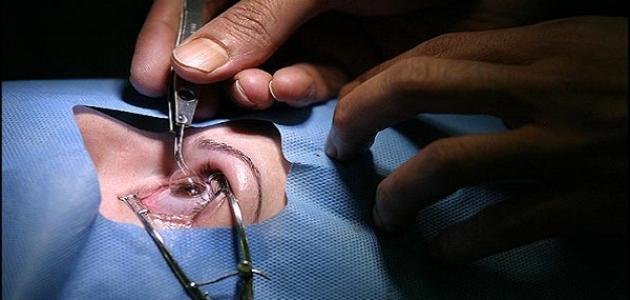
To determine whether you are a suitable candidate for LASIK, an ophthalmologist performs a comprehensive eye examination that carefully evaluates the degree of refractive error (myopia, hyperopia, or astigmatism), corneal thickness, and the stability of your prescription, in addition to ruling out eye conditions such as keratoconus, severe dry eye disease, or glaucoma.
Generally, candidates are expected to be over 18 years of age, have a stable glasses or contact lens prescription for at least one year, and not suffer from uncontrolled systemic conditions such as poorly controlled diabetes or autoimmune diseases.
During the assessment, the surgeon will typically perform corneal topography, measure intraocular pressure, and examine the fundus of the eye to ensure the retina is healthy. Based on these findings, they determine whether LASIK is appropriate for you or whether alternatives—such as surface ablation (PRK) or phakic intraocular lens implantation—would be safer or more effective.
Searching for an answer to “Am I a good candidate for LASIK?” reflects a real interest in understanding the medical criteria, safety profile, and potential risks before making a decision. For that reason, it is strongly recommended to book a consultation with an ophthalmologist who specializes in refractive surgery, so you can receive an individualized, evidence-based assessment of your suitability for the procedure.
LASIK Eligibility Criteria — Do You Qualify?
Being 18 or Older with Stable Vision
One of the main criteria for LASIK surgery is that the patient must be at least 18 years old, with a stable prescription for at least one year before the procedure.
Stable vision means that your eyeglass or contact lens prescription has not changed significantly during that period. Performing LASIK while the refractive error is still changing increases the risk that your vision will deteriorate again after surgery.
For this reason, the ophthalmologist will ask detailed questions about your history of glasses or contact lens use and review previous prescriptions to confirm that your refraction is stable and that you are a suitable candidate for LASIK, ensuring safe and long‑lasting vision correction.
Having a Suitable Type of Refractive Error (Myopia, Hyperopia, or Astigmatism)
Not all refractive errors are eligible for LASIK. Medical guidelines require that the type of vision problem be one that can be effectively corrected by reshaping the cornea with an excimer laser—typically myopia (short‑sightedness), hyperopia (long‑sightedness), or astigmatism within specific limits.
Moderate myopia, selected cases of hyperopia, and mild to moderate astigmatism are usually the best candidates. Very high refractive errors may be better managed with other techniques instead of LASIK, or with alternative solutions.
Therefore, the ophthalmologist precisely measures your refractive error using specialized diagnostic devices to determine whether the type and degree of your visual impairment fall within the safe and effective range for LASIK correction.
Having Adequate Corneal Thickness
Corneal thickness is a critical requirement for LASIK. The procedure works by reshaping the cornea with a laser, which involves removing a controlled amount of corneal tissue. This requires sufficient thickness to maintain the structural integrity and biomechanical strength of the eye after surgery.
If the cornea is too thin, the risk of complications increases, such as postoperative corneal weakening or progressive corneal deformation (ectasia). In such cases, the surgeon may decline to perform LASIK and instead recommend alternatives like SMILE (femto‑SMILE) or phakic intraocular lenses.
The ophthalmologist measures corneal thickness using devices such as Pentacam or pachymetry to ensure it is within safe limits, and based on that assessment determines whether your corneal anatomy is suitable for LASIK.
Absence of Eye Diseases that Could Affect the Outcome
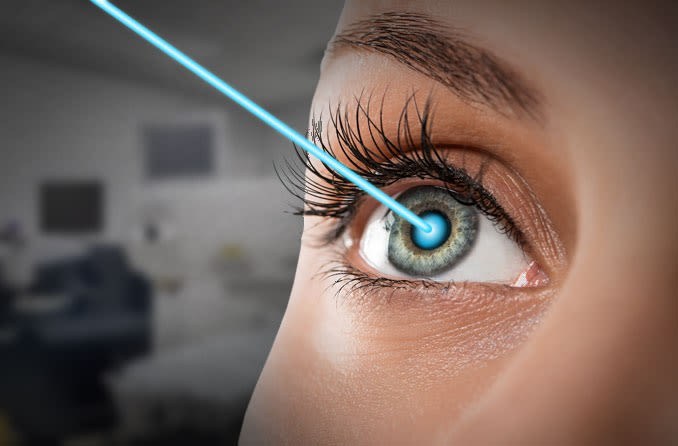
Before considering LASIK, it is essential to ensure that the eyes are free of conditions that might interfere with corneal healing or compromise the surgical result, such as keratoconus, severe dry eye, corneal infections or inflammations, as well as retinal or optic nerve diseases.
These problems can reduce visual quality after LASIK or increase the risk of complications. Therefore, the preoperative evaluation includes detailed corneal assessment, dilated fundus examination, intraocular pressure measurement, and evaluation of tear film and ocular surface.
If any pathology is detected, the doctor will first treat the underlying condition or may advise against LASIK and suggest alternative options. This approach ensures that you meet the safety criteria for LASIK and maximizes your chances of achieving the best possible outcome with minimal risk.
When am I not a good candidate for LASIK?
You may not be a suitable candidate for LASIK if you have an excessively thin or irregularly shaped cornea (such as in keratoconus), or if your vision has not been stable and your glasses or contact lens prescription has changed repeatedly over the past year, as this can compromise the long‑term stability of the result.
LASIK is also generally not recommended in the presence of certain eye diseases, such as uncontrolled glaucoma, severe dry eye, recurrent eye infections, or corneal scarring.
In addition, LASIK may not be appropriate for individuals with uncontrolled chronic autoimmune diseases (such as systemic lupus erythematosus or rheumatoid arthritis) or poorly controlled diabetes, as these conditions can interfere with proper corneal healing after surgery.
It is usually advised to postpone or avoid LASIK during pregnancy and breastfeeding, due to hormonal fluctuations that can cause temporary changes in vision.
To determine whether you are a suitable candidate for LASIK, your ophthalmologist will rely on a comprehensive eye examination and precise measurements of the cornea and your visual status. The decision is therefore not based solely on age or prescription strength, but on an overall assessment designed to ensure the safety of the procedure and the durability of its outcome.
How is the pre-LASIK assessment done before making a decision?
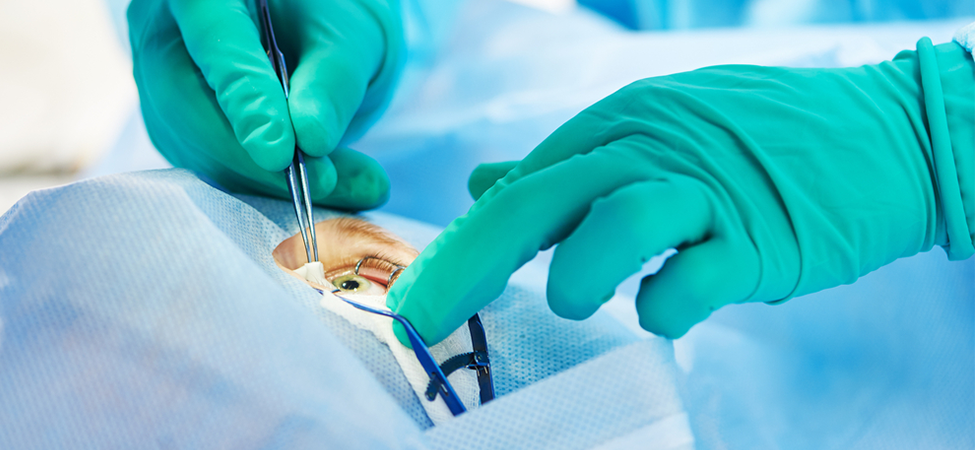
Before deciding on LASIK surgery, the ophthalmologist performs a comprehensive eye examination to make sure you’re a suitable candidate and that the procedure can be carried out as safely and predictably as possible.
The assessment starts with a detailed medical history, including chronic conditions such as diabetes and hypertension, current medications, and any previous eye surgeries or procedures.
Visual acuity is then measured precisely to determine the degree of myopia (short-sightedness), hyperopia (long-sightedness), and the presence and extent of astigmatism.
Next, a corneal topography scan is performed to map the shape and curvature of the cornea and to evaluate its thickness. This helps detect conditions such as keratoconus or abnormal corneal thinning, which are among the most important factors in deciding whether LASIK is appropriate in your case.
Corneal thickness is further assessed using devices such as the Pentacam or a pachymeter, as corneal thickness is critical for the safety of removing corneal tissue during LASIK.
The evaluation also includes assessing dry eye status, checking the crystalline or intraocular lens position, and examining the fundus and retina to ensure they are healthy.
Based on all these findings together, your surgeon will determine whether you are a good candidate for LASIK or whether alternative options such as SMILE (Small Incision Lenticule Extraction) or phakic intraocular lens implantation would be more suitable if LASIK criteria are not fully met.
Through these meticulous steps, the pre-LASIK workup is designed to clearly answer your main question: am I truly a suitable candidate for LASIK or not?
If I’m not a candidate for LASIK… what are my options?
If your medical evaluation shows that you’re not suitable for LASIK, this doesn’t necessarily mean you’re not a candidate for permanent vision correction. There are several safe and effective alternatives that your ophthalmologist can discuss with you based on your eye health, corneal thickness, and the degree of your refractive error.
In many cases, you may be a good candidate for other laser vision correction procedures such as PRK (Photorefractive Keratectomy, also known as surface ablation) or SMILE (Small Incision Lenticule Extraction). These techniques also use laser technology to correct myopia, hyperopia, or astigmatism, but with a different approach that can be more suitable for thin corneas or certain eye conditions.
For some patients, the most appropriate choice may be Implantable Collamer Lenses (ICL), which are placed inside the eye without removing the natural lens. This option is often recommended for people with high myopia or corneas that are not suitable for LASIK.
If none of the surgical options for vision correction are appropriate in your case, your doctor may recommend continuing with prescription eyeglasses or high-quality contact lenses as a safe and long-term method of vision correction.
What truly matters is not insisting on LASIK simply because it is popular, but rather finding the “best vision correction method” for your specific situation. This should be done after consulting a qualified ophthalmologist and undergoing comprehensive eye examinations to ensure safety and stable, long-lasting results.
What results can you expect if you’re a good candidate for LASIK?
If your ophthalmologist confirms that you’re a suitable candidate for LASIK, you can generally expect a clear and rapid improvement in visual acuity, reducing or even eliminating your dependence on glasses or contact lenses for most daily activities.
Many patients notice a significant difference in their vision within 24–48 hours after LASIK, with ongoing gradual improvement over the following weeks until the final visual outcome stabilizes.
In appropriately selected cases, LASIK achieves high success and patient satisfaction rates, with most individuals able to drive, use digital screens, and carry out their routine tasks without the need for additional visual correction.
You may still need mild prescription glasses for certain detailed tasks or later in life due to age-related changes, but this does not diminish the effectiveness of the procedure in reducing your reliance on eyewear.
Strictly following postoperative instructions, attending all follow‑up appointments, and choosing a reputable center with an experienced refractive surgeon are key factors in achieving the best possible results and minimizing the risk of complications.
Best LASIK Eye Surgeon in Jeddah
Dr. Bara’a Fahham – Consultant Laser Vision Correction Specialist in Jeddah
Dr. Bara’a Fahham is considered one of the leading names when looking for the best LASIK eye surgeon in Jeddah, thanks to his extensive experience in the various types of laser vision correction procedures.
He follows strict, evidence‑based clinical protocols that begin with a comprehensive evaluation of the eyes, including corneal thickness measurement and precise assessment of the refractive error, to ensure the patient is a suitable candidate for LASIK before making any final decision.
In his practice, he utilizes advanced technologies in LASIK, femto‑LASIK, and surface ablation (PRK and similar techniques), with a strong emphasis on selecting the most appropriate technique for each individual case rather than relying on a one‑size‑fits‑all approach.
If you’re searching for the best LASIK specialist in Jeddah to answer the question, “Am I a good candidate for LASIK?”, Dr. Bara’a Fahham’s clear explanation of potential risks and benefits, along with his priority for patient safety above all else, will help you make an informed decision that aligns with your visual needs and lifestyle.
Book a professional LASIK suitability assessment at Batal Specialized Eye Center to determine whether you are a good candidate for laser vision correction, based on solid clinical criteria rather than guesswork.
Schedule your LASIK evaluation now at Batal Specialized Eye Center to accurately and safely assess your eligibility for laser vision correction.
During this specialized visit, the ophthalmologist performs a comprehensive eye examination, including visual acuity testing, corneal thickness (pachymetry) measurement, dilated fundus examination, and confirming the stability of your refractive error, to determine whether you are a suitable candidate for LASIK or any other refractive surgery option.
This integrated medical assessment helps you answer the question, “Am I a good candidate for LASIK?” using clear, evidence‑based criteria instead of assumptions or general information.
By choosing to undergo your LASIK evaluation at a specialized center such as Batal Specialized Eye Center, you ensure that you receive an individualized treatment plan tailored to your eyes, with a clear explanation of potential risks, expected outcomes, and alternative procedures if LASIK is not the most appropriate option for you.
With this step, you set yourself on the right path toward making a safe, well‑informed decision about vision correction, while benefiting from the expertise of ophthalmology specialists and the latest corneal imaging technologies and advanced laser evaluation tools.