
Med info
Drooping eyelids: 9 signs that require an immediate visit to the eye doctor

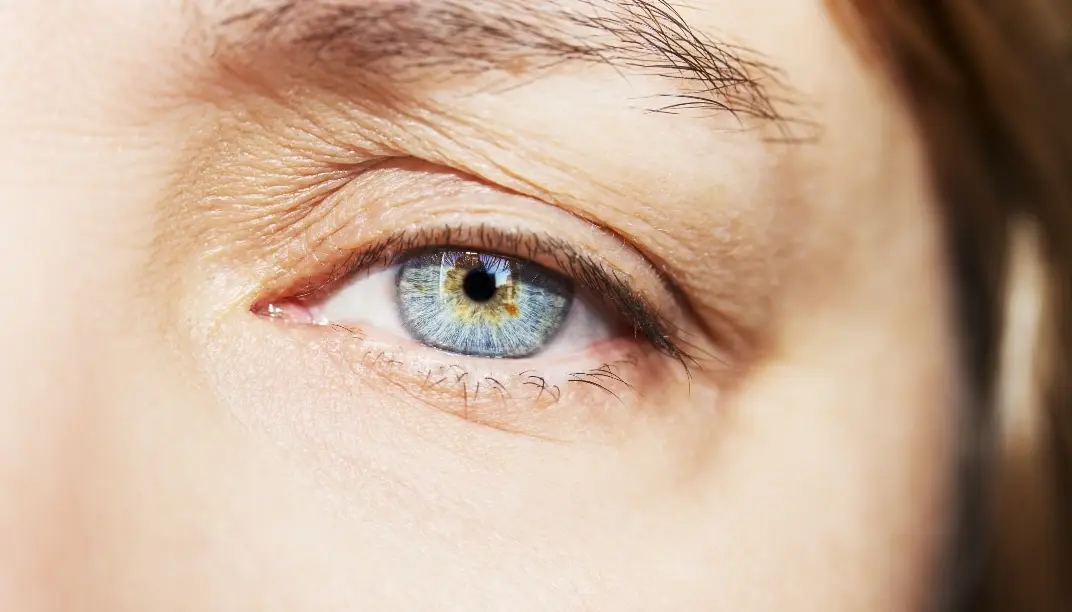
What signs of eyelid drooping require an urgent visit to the ophthalmologist?
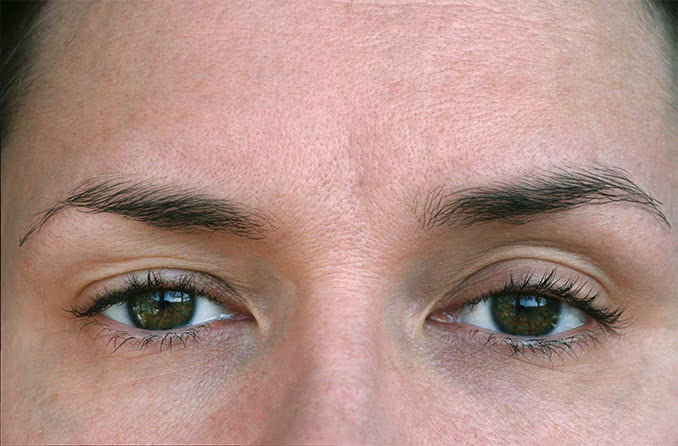
Eyelid drooping that interferes with vision
Ptosis that covers part of the pupil or visual field is one of the most important warning signs that require an urgent visit to an ophthalmologist.
When a patient starts to raise their eyebrows or tilt their head back just to see clearly, this indicates that the droopy eyelid is already affecting daily vision tasks such as reading, driving, or using a mobile phone.
In this situation, ptosis is no longer a purely cosmetic concern, but a functional problem that may require specialist assessment and surgical or non‑surgical treatment to protect vision.
Sudden onset of eyelid drooping
Eyelid drooping that appears suddenly within hours or a few days is considered an important red flag and calls for an urgent eye examination.
Acute ptosis may indicate a neurological problem or a sudden weakness of the levator muscle responsible for lifting the eyelid, and may sometimes be related to conditions that require rapid medical intervention, such as third cranial nerve palsy or neuromuscular syndromes.
Any sudden change in eyelid position should therefore never be ignored, especially if the drooping is accompanied by severe headache, eye pain, or changes in eye movements.
Ptosis affecting one eye only
When ptosis occurs in one eye only, the likelihood of a local or neurological cause becomes higher, making an eye specialist consultation essential.
Unilateral ptosis may be associated with disease of the levator palpebrae superioris muscle, pathology affecting the nerves supplying the eyelid, or masses in the eyelid or orbit that compress the muscles.
Early diagnosis in such cases helps to rule out serious causes and determine whether the ptosis requires surgical correction or can be managed conservatively.
Double vision or blurred vision
If ptosis is associated with diplopia (seeing two images of the same object) or blurred vision, this is a significant sign that warrants thorough evaluation by an ophthalmologist.
The combination of eyelid drooping and double vision may point to involvement of the extraocular motor nerves or to neuromuscular disorders such as myasthenia gravis, which require early diagnosis and treatment.
Ignoring this sign can lead to progression of the underlying problem and increasing visual difficulty in daily activities, so it should not be dismissed as simple fatigue or eye strain.
Feeling of heaviness in the eyelid or difficulty opening the eye
A persistent feeling of heaviness in the eyelid or the need to exert effort to open the eye are warning signs that may indicate clinically significant ptosis.
Patients may notice that they have to lift their eyebrows or even use their fingers to raise the eyelid while reading or concentrating, which suggests weakness of the eyelid muscle or excess skin laxity.
At this stage, an ophthalmologist can assess the degree of ptosis and develop a management plan to prevent progression and improve comfort and visual quality.
Progressive worsening of eyelid drooping over time
Ptosis that gradually worsens over months or years should not be overlooked, particularly if the drooping starts to interfere with vision or cause visual fatigue.
Progressive eyelid drooping may reflect gradual weakening of the levator muscle, advanced dermatochalasis (excess eyelid skin), or age‑related changes.
If you notice that your eyelid appears increasingly droopy in photos over time, or that one eye looks noticeably smaller, it is advisable to see an ophthalmologist to determine the optimal timing for intervention.
Change in eye shape or eyelid asymmetry
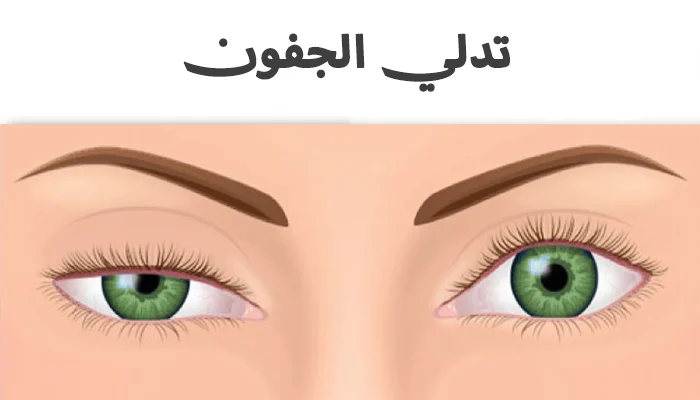
A clear difference in the appearance of the two eyes or an obvious asymmetry in eyelid height is one of the most common visible signs of ptosis, often noticed in photographs or in the mirror.
When one upper eyelid is significantly lower than the other, or one eye appears smaller or narrower because of drooping, a specialist evaluation is needed to rule out underlying muscle, nerve, or periocular tissue disorders.
Eyelid asymmetry does not only affect facial aesthetics; it may also reflect a medical condition that requires monitoring and treatment to safeguard ocular health.
Associated alarming symptoms
Ptosis accompanied by concerning symptoms such as severe headache, periocular pain, impaired eye movements, nausea, facial drooping, or difficulty speaking or swallowing is an emergency and requires immediate assessment by an ophthalmologist or in the emergency department.
These signs may indicate serious neurological or vascular conditions, such as cranial nerve palsies, neuromuscular junction disorders, or even intracranial vascular pathology.
In such situations, medical consultation should not be delayed or replaced with home remedies, as early diagnosis can be critical for protecting vision and overall health.
Difficulty using the eyes normally
If eyelid drooping begins to interfere with everyday tasks such as reading, using a computer, driving, or watching television, this indicates that the ptosis has progressed beyond a mild stage and requires an eye specialist’s evaluation.
Patients may find themselves constantly tilting their head or lifting their eyebrows to see better, which can lead to headaches or neck pain—clear signs that the body is compensating for eyelid weakness.
Assessing ptosis at this point helps in selecting the most appropriate treatment to improve visual function and prevent complications such as amblyopia, especially in children.
When Do These Signs Become Serious?

Eyelid drooping becomes a serious concern when it starts to block part of the visual field or makes it difficult to open the eye normally—especially while driving, reading, or using electronic devices.
If drooping of the eyelid is accompanied by a sudden headache, double vision, eye pain or pain around the eye, or if there are sudden changes in pupil size or eye movements, this may indicate an underlying neurological or muscular disorder that requires urgent medical evaluation.
In children, ptosis is particularly worrisome if the drooping eyelid covers the pupil, as this can lead to amblyopia (lazy eye) and permanent visual impairment if not treated early.
You should seek immediate assessment by an ophthalmologist or neurologist if you notice a rapid worsening of the droop, ptosis affecting only one eyelid without an obvious cause, or difficulty moving the facial muscles. Early diagnosis is essential to determine whether surgical correction of ptosis or other treatments are needed before complications progress.
When should you see an eye doctor immediately?
You should seek urgent evaluation by an ophthalmologist if you notice a sudden drooping of one or both eyelids, especially if it affects only one eye or is associated with difficulty fully opening or closing the eye.
A sudden onset of eyelid drooping (ptosis) can be a sign of serious conditions such as facial nerve palsy (Bell’s palsy), stroke, or trauma to the eye or head. It should not be managed by home observation alone.
Get emergency medical care right away if the drooping eyelid is accompanied by double vision, sudden blurred vision, severe eye pain, a sudden and intense headache, or any difficulty with speech or movement.
You should also see an eye doctor promptly if the drooping eyelid is blocking part of your visual field or causing significant eye strain while reading or driving. This is especially important in children, as delayed treatment can interfere with visual development and lead to amblyopia (lazy eye).
Early diagnosis of eyelid drooping allows the ophthalmologist to identify the underlying cause accurately and choose the most appropriate treatment plan, whether that involves glasses, exercises, medications, or corrective eyelid surgery (functional or cosmetic ptosis repair).
The best doctor for treating eyelid ptosis in Jeddah
Dr. Tarek Al-Najjar
Dr. Tarek Al‑Najjar is considered one of the leading names in cosmetic and oculoplastic surgery for those looking for the best specialist to treat eyelid ptosis in Jeddah, especially patients troubled by symptoms such as heavy drooping lids, a restricted visual field, or a persistently tired appearance of the eyes.
Dr. Tarek has extensive experience in accurately assessing the severity of eyelid ptosis, whether it is mild and primarily affects the cosmetic appearance of the eyes, or more advanced and responsible for blocking part of the superior visual field.
His approach is based on a thorough clinical examination of the eyes, eyelids, and levator muscles, with careful evaluation of how ptosis impacts vision as well as facial symmetry. This allows him to tailor an optimal treatment plan to each individual case.
In Jeddah, Dr. Tarek offers a wide range of advanced medical and surgical options for the management of eyelid ptosis, giving equal attention to the functional aspect (improving vision) and the aesthetic aspect (enhancing eye shape and restoring a refreshed look). This makes him a strong choice for patients seeking a balance between effective medical treatment and a natural cosmetic outcome.
If you have noticed signs of eyelid ptosis—such as difficulty fully opening your eyes, raising your eyebrows in order to see more clearly, or a constant feeling of heaviness in the eyelids—booking a consultation with Dr. Tarek Al‑Najjar in Jeddah can provide you with a specialized assessment and a precisely tailored treatment plan for your condition.
Book a Specialist Consultation for Ptosis Assessment at Batal Eye Specialty Center

If you are noticing signs of upper eyelid drooping—such as heaviness of the upper lid, narrowed eye opening, blurred vision, or constantly having to raise your eyebrows to see more clearly—schedule a specialized consultation at Batal Eye Specialty Center for an accurate assessment of your condition.
Our center brings together a distinguished team of consultants in functional and cosmetic eyelid and oculoplastic surgery. They use state-of-the-art diagnostic equipment to evaluate eyelid ptosis, measure its impact on your visual field, and determine the exact degree of drooping.
During the consultation, potential causes of ptosis are thoroughly evaluated, including age-related changes, weakness of the levator muscle, genetic predisposition, or previous trauma and surgeries. Based on this evaluation, a personalized treatment plan is developed, which may include regular follow‑up, non-surgical interventions, or surgical eyelid lifting (ptosis repair/blepharoplasty) when indicated.
Booking a ptosis consultation at Batal Eye Specialty Center helps prevent progression of the condition, enhances the appearance and symmetry of your eyes, and restores comfortable, safe vision—all with strict adherence to medical safety standards and naturally aesthetic results.
Contact Batal Eye Specialty Center now to schedule your ptosis evaluation and benefit from the expertise of highly qualified specialists in the precise diagnosis and management of eyelid disorders.