
Med info
Hereditary eye diseases in children: When should we start screening? A comprehensive guide to early detection and treatment

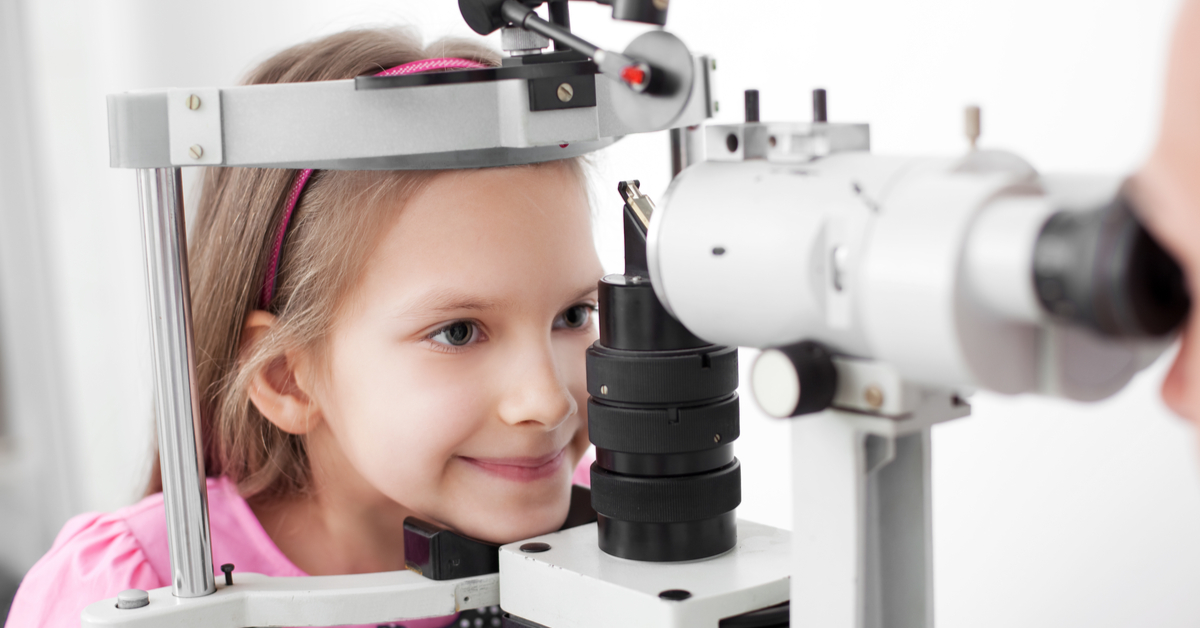
What Are Hereditary Eye Diseases in Children?

Hereditary eye diseases in children are a group of visual disorders caused by genetic defects passed from parents to their child. These defects can affect how the eye develops or how the retina or optic nerve function, starting from birth or during the early years of life.
These inherited conditions include problems such as inherited blindness, genetic visual impairment, hereditary strabismus (eye misalignment), retinal dystrophies, optic neuropathies, congenital glaucoma, and congenital cataracts. They may present as severe visual loss, extreme sensitivity to light, involuntary eye movements (nystagmus), or delayed ability to visually follow objects.
The severity of hereditary eye diseases in children varies greatly. Some conditions are mild and can be managed with glasses or early interventions, while others are more complex and require close follow-up with a pediatric ophthalmologist, along with genetic testing to accurately identify the specific disorder, plan appropriate treatment, and prevent complications that could lead to vision loss.
Understanding the nature of these inherited conditions helps parents recognize early warning signs and seek timely specialist care—especially when there is a family history of vision problems or eye surgeries at a young age.
Why Is Early Detection of Inherited Eye Diseases So Important?
Early detection of inherited eye diseases in children is a critical step in protecting their vision and preventing serious complications that can progress to permanent visual impairment or even blindness.
The earlier conditions such as inherited retinal dystrophies, hereditary macular degeneration, or congenital glaucoma are diagnosed, the greater the chance of effective intervention and of improving visual acuity and overall quality of life over the long term.
Early screening also helps identify risk factors in children with a family history of eye disease, enabling the ophthalmologist to establish a structured follow-up plan and provide tailored preventive advice for each case.
Moreover, timely diagnosis supports the child’s visual, motor, and cognitive development, as undetected visual impairment is often associated with poor academic performance, learning difficulties, and challenges in communication.
Parents are therefore advised to consult a pediatric ophthalmologist promptly if they notice any unusual signs in their child’s vision, or if there is a known family history of inherited eye disease, to ensure early detection and timely management.
When should we start screening children for inherited eye diseases?
Newborn Eye Screening (0–2 Months): What Is Checked?
Screening for hereditary eye diseases in children essentially begins at birth, as newborn eye examination is a critical step for early detection of serious problems.
The pediatrician or ophthalmologist performs a red reflex test to assess the clarity of the cornea, lens, and retina, and to detect early hereditary conditions such as congenital cataract or inherited retinal tumors.
Eye movements and alignment are also evaluated, along with the infant’s response to light, all of which are important indicators of healthy optic nerve and retinal function.
If there is a strong family history of hereditary eye diseases in children—such as inherited retinal dystrophies or congenital glaucoma—early referral to a pediatric ophthalmologist is recommended to perform more detailed examinations during the first weeks of life.
Infant Eye Screening (2–12 Months): Warning Signs and Needed Tests
Between 2 and 12 months of age, the question of when to begin screening for hereditary eye diseases in children remains highly relevant, because some disorders are not obvious at birth and develop over the following months.
During this stage, clinicians monitor whether the infant tracks objects and faces, responds to visual smiles, and shows normal eye movements, while ensuring there is no obvious strabismus or nystagmus. These signs may accompany certain hereditary disorders of the retina or optic nerve.
If parents notice a white pupillary reflex in photographs, abnormal head posture, or marked light sensitivity, they should seek urgent evaluation by an ophthalmologist, as these symptoms may signal hereditary eye conditions that require prompt diagnosis and rapid intervention.
In this period, a comprehensive dilated fundus examination may be recommended if there is a known genetic risk in the family or if any abnormalities in vision or eye movements are observed.
Early Childhood Eye Screening (1–5 Years)
From 1 to 5 years of age, this is one of the most critical stages for screening hereditary eye diseases in children, because visual acuity develops rapidly, and any delay in diagnosis can lead to amblyopia or permanent visual impairment.
During routine follow-up visits, visual acuity is assessed using age‑appropriate methods, and refractive errors (myopia, hyperopia, and astigmatism) are evaluated, along with screening for strabismus and assessment of extraocular muscle function.
Children with a family history of hereditary eye diseases—such as inherited retinal disorders or familial strabismus—require regular eye examinations, which may be scheduled annually or as advised by the ophthalmologist.
The aim at this stage is to detect any hereditary or refractive problem early and correct it with glasses or adjunctive therapies before the child starts school, thereby supporting optimal visual development and future academic performance.
School-Age Eye Screening (5 Years and Above)
Once a child reaches school age, regular eye examinations become an essential part of health maintenance, especially when there is a family history of hereditary eye diseases in children.
At this age, visual acuity can be measured more precisely, refractive errors can be accurately identified, and any sudden decrease in vision can be monitored, which may indicate progression of a hereditary disease affecting the retina or optic nerve.
A comprehensive eye examination should be performed before school entry and repeated every 1–2 years, or more frequently if recommended by the ophthalmologist due to known hereditary eye conditions in the family.
Any complaints of recurrent headache, habit of sitting very close to the TV or books, difficulty seeing the classroom board, or concerns raised by teachers about poor vision should never be ignored, as they may be the first indicators of visual problems related to an underlying hereditary or refractive disorder requiring early management.
Risk Factors That Call for Early Eye Examination in Children
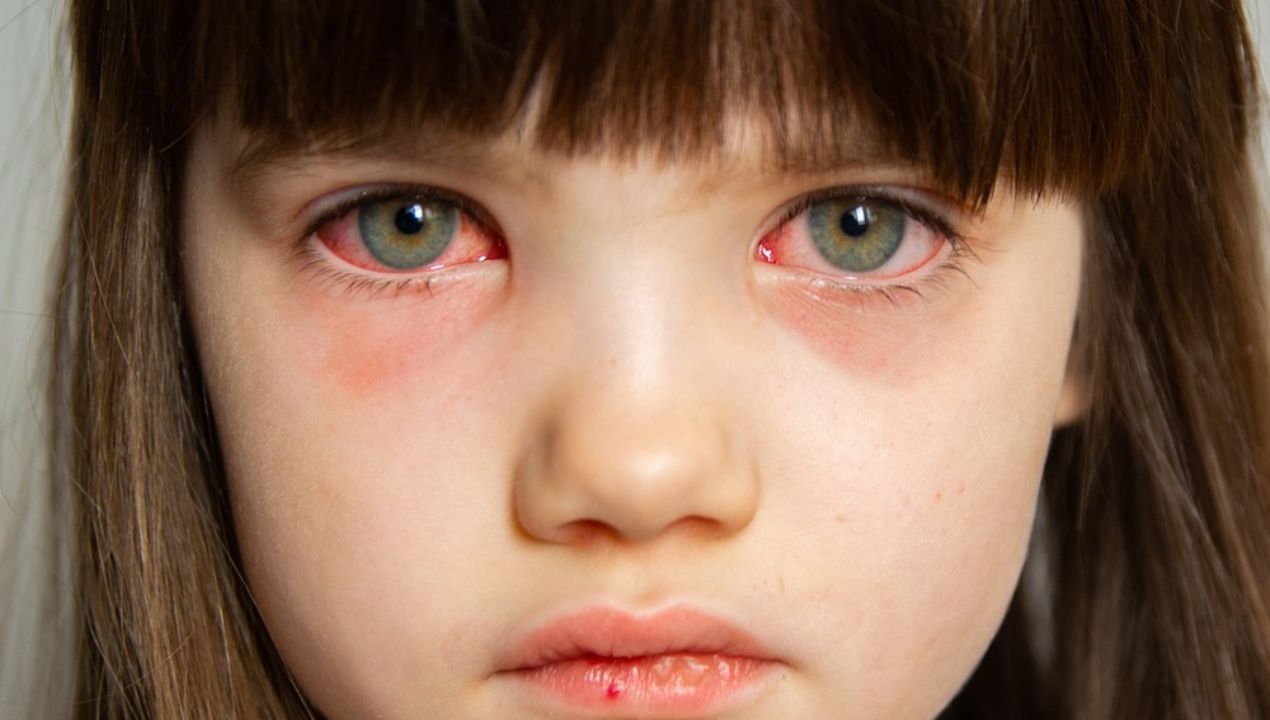
The likelihood of hereditary eye diseases in children increases in the presence of certain risk factors that make an early, thorough examination by a pediatric ophthalmologist especially important.
Key among these is a family history of inherited eye conditions such as strabismus (eye misalignment), severe refractive errors, inherited retinal diseases, or early-onset blindness in either parent or siblings.
Consanguineous marriage (marriage between relatives) is also a major factor in passing hereditary eye disorders to children, particularly in families where similar conditions have appeared across multiple generations.
Other risk factors include preterm birth, low birth weight, and the mother’s exposure during pregnancy to viral infections or medications known to affect ocular development.
Early warning signs that warrant immediate assessment include involuntary eye movements (nystagmus), a white reflex in the pupil (leukocoria), marked sensitivity to light (photophobia), or delayed visual responses to faces and surrounding objects.
Recognizing these risk factors enables parents to seek timely screening—an essential step in detecting hereditary eye diseases at an early stage, improving the chances of effective treatment, reducing complications, and preserving the child’s vision in the long term.
Treatment Options for Inherited Eye Diseases in Children
Pharmacological treatment
In certain pediatric hereditary eye diseases, medication-based treatment can help relieve symptoms or slow the progression of vision loss, even if it does not address the underlying genetic cause itself.
Pediatric ophthalmologists may prescribe eye drops, ointments, or oral medications depending on the specific condition—for example, intraocular pressure–lowering drops in cases of congenital or hereditary glaucoma, or lubricating drops to manage dry eye associated with genetic disorders.
Drug therapy is typically part of a comprehensive treatment plan that includes regular follow-up visits, periodic eye examinations, and dose adjustments based on how the child responds.
It is crucial for parents to follow the dosing instructions accurately and avoid stopping or changing medications without consulting the doctor, as some hereditary eye diseases in children can worsen rapidly if treatment is interrupted or neglected.
Glasses and contact lenses
Glasses and contact lenses play a key role in improving vision in children with hereditary eye conditions, such as high myopia, hyperopia, or genetically driven astigmatism.
Optical correction using eyeglasses or prescription contact lenses enhances the child’s ability to see, learn, and concentrate, and helps reduce the impact of visual impairment on academic performance and social development.
In certain hereditary retinal disorders or cases of strabismus, the ophthalmologist may recommend special lenses or glasses with specific filters to improve contrast sensitivity and reduce glare, thereby enhancing the child’s functional vision in daily life.
Choosing appropriate eyewear and regularly updating the prescription as the child grows are essential components of managing hereditary eye diseases in children, and require close cooperation between the family, the ophthalmologist, and the optometrist.
Surgical interventions
Ophthalmic surgery can be an important option in selected cases of hereditary eye disease in children, particularly when medications or glasses alone are insufficient to improve vision or protect ocular structures.
Examples include surgery to remove congenital cataracts, glaucoma surgery in hereditary glaucoma to lower intraocular pressure and protect the optic nerve, or strabismus surgery to improve eye alignment and visual appearance.
The need for surgery is determined after thorough ophthalmic evaluation, with detailed discussion of potential risks and benefits with the parents, emphasizing that the primary goal is to preserve as much visual function as possible and improve the child’s quality of life.
After surgery, children require regular follow-up and may need eye drops, glasses, or vision therapy/eye exercises according to the treatment plan, as surgical intervention is often just one component of a long-term management strategy for hereditary eye diseases in childhood.
Best Pediatric Ophthalmologist in Jeddah for Treating Hereditary Eye Diseases in Children
Dr. Mohammed Jaid – Pediatric Ophthalmology Consultant & Specialist in Precise Diagnosis of Inherited Eye Diseases
Dr. Mohammed Jaid is regarded as one of the leading pediatric ophthalmologists in Jeddah for the diagnosis and treatment of inherited eye diseases in children, thanks to his extensive experience in managing complex pediatric cases.
He has advanced, subspecialty training in pediatric ophthalmology and genetic eye disorders, which enables him to accurately distinguish between common visual problems and those caused by hereditary conditions such as inherited retinal dystrophies, keratoconus, or optic nerve atrophy.
Dr. Jaid relies on state-of-the-art diagnostic equipment specifically adapted for children, along with advanced assessment protocols that include retinal imaging, visual field testing, and corneal pachymetry, in addition to incorporating family history and, when needed, genetic data.
Choosing Dr. Mohammed Jaid as your pediatric ophthalmologist in Jeddah for managing inherited eye diseases means your child will receive a comprehensive and precise assessment from the very first visit, and a scientifically sound, up‑to‑date treatment plan tailored to the child’s age, overall health, and long‑term visual prognosis.
How Are Hereditary Eye Diseases Diagnosed in Children?
Diagnosing hereditary eye diseases in children begins with a detailed medical and family history. The ophthalmologist asks about any relatives with blindness, low vision, strabismus (squint), or retinal disorders, and also reviews the pregnancy and birth history as well as any associated medical conditions.
This is followed by a comprehensive eye examination, including visual acuity testing, assessment of eye movements, and checking the pupillary response to light. Specialized instruments are then used to examine the fundus, retina, and optic nerve to identify any changes suggestive of an inherited eye condition.
In some cases, more advanced tests are required, such as optical coherence tomography (OCT) of the retina, fluorescein angiography to image the retinal blood vessels, and electroretinography (ERG) to accurately evaluate the function of retinal photoreceptor cells.
To confirm the diagnosis of hereditary eye disease in children, the physician may also request genetic testing in collaboration with a clinical geneticist. This helps identify the specific genetic mutation, estimate the risk of recurrence in siblings or future pregnancies, and guide the selection of the most appropriate treatment plan and long‑term follow‑up.
Through this integrated approach, hereditary eye diseases can be detected early in children, improving the chances of preserving remaining vision and enhancing their overall quality of life.
The Role of Parents in the Early Detection of Hereditary Eye Diseases
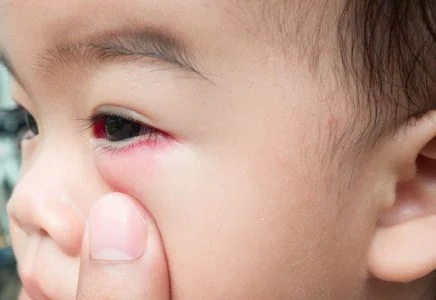
Parents play a pivotal role in the early detection of hereditary eye disorders in children—such as hereditary strabismus, inherited retinal dystrophies, and optic nerve atrophy—which is essential for protecting vision and reducing long-term complications.
It is important for parents to observe their child’s visual behavior on a daily basis: the ability to focus on faces and toys, track moving objects, respond to light, and any signs of excessive blinking, persistent tearing, noticeable squinting or misalignment of the eyes, or nystagmus (involuntary eye movements).
Raising parents’ awareness of the family history of hereditary eye conditions, and informing the ophthalmologist of any similar cases among relatives, is a key step in assessing the child’s risk and planning appropriate early screening.
Parents should also avoid delaying an eye examination if they notice any delay in visual development, complaints of blurred vision or headaches, or behaviors such as sitting very close to the television or holding books too near. Regular eye check‑ups and early diagnosis of hereditary eye diseases make it possible to start treatment or visual rehabilitation programs sooner, thereby improving the chances of preserving vision and enhancing the child’s quality of life.
Cost of Pediatric Eye Disease Screening in Jeddah and Insurance Coverage
The cost of screening for hereditary eye diseases in children in Jeddah typically ranges from 200 to 600 SAR or more, depending on the reputation of the medical center, the ophthalmologist’s level of experience, and the diagnostic technologies used—such as fundus photography and advanced digital imaging.
In many pediatric ophthalmology centers, the total cost may be higher if the child requires additional tests to detect inherited disorders of the retina or optic nerve.
Health insurance often covers part or all of the cost of a pediatric eye examination if the child is referred by a pediatrician or if there is documented suspicion of a hereditary eye disease. However, the extent of coverage varies according to the insurance provider and policy type.
Parents are therefore advised to review the terms of their insurance policy and to contact their insurance company or the eye center in Jeddah directly to confirm whether hereditary eye disease screening for children is covered and if prior authorization is required before booking an appointment.
Why Is Batal Specialist Center the Best Choice for Genetic Eye Disease Screening?
Batal Specialist Center is regarded as one of the leading facilities for detecting and diagnosing hereditary eye diseases in children, as it combines advanced clinical expertise with state-of-the-art ocular genetic diagnostic technologies in one place.
The center is staffed by consultants in ophthalmology and pediatric ophthalmology with extensive experience managing early-onset visual impairment, strabismus, inherited retinal dystrophies, and hereditary optic neuropathies. They are skilled at integrating family history, clinical findings, and advanced diagnostic tests to reach an accurate diagnosis.
The center utilizes high-resolution retinal imaging systems, specialized tests for retinal and optic nerve function, and provides access to genetic testing when indicated. This approach supports early identification of hereditary eye disorders—before permanent visual damage occurs.
In addition, physicians at Batal Specialist Center are committed to long-term follow-up plans for each child, while educating families about the nature of the genetic condition, its potential recurrence among siblings, and available options for prevention and early surveillance. All of this makes the center an ideal choice for parents seeking a trusted facility for the screening and management of hereditary eye diseases in children, in line with the latest international medical guidelines.