
Med info
The difference between true strabismus and pseudo-strabismus in children

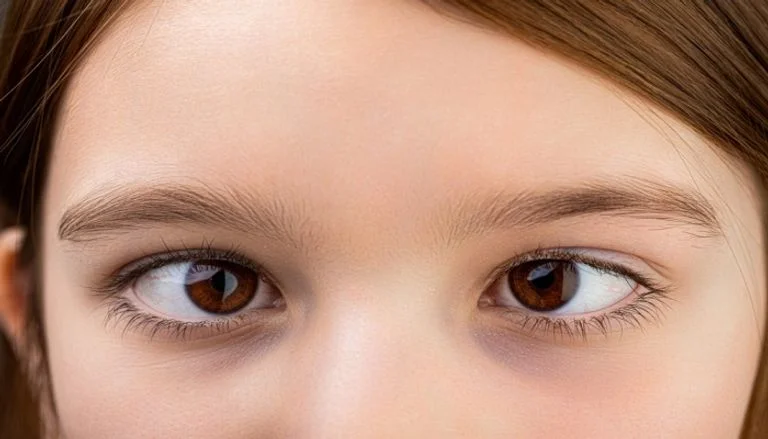
What Is Pseudostrabismus in Children?
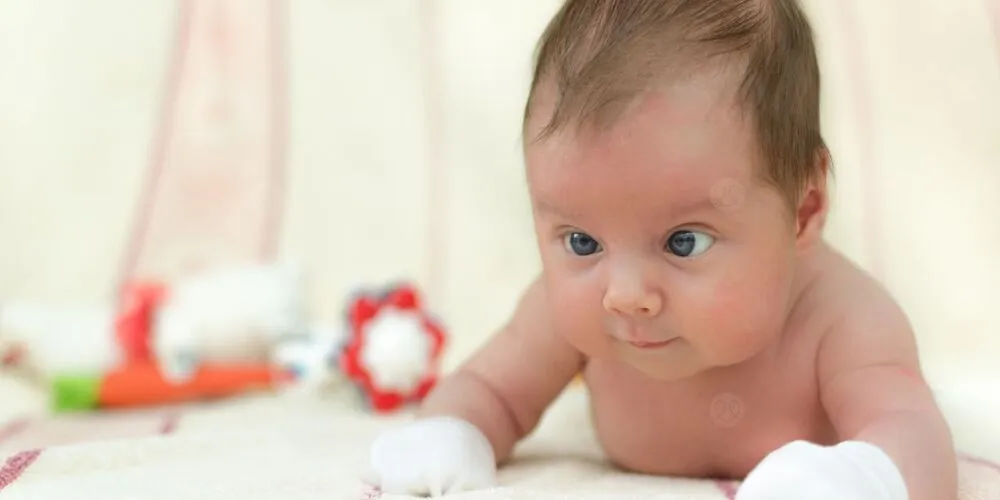
Pseudostrabismus in children is a condition in which a child’s eyes appear misaligned or turned to one side, while in reality the eyes are medically normal and properly aligned.
This misleading appearance is most often due to the shape of the facial bones in infants and young children, or the presence of an inner eyelid fold (epicanthal fold), or a broad, flat nasal bridge. These features can cover part of the white of the eye (sclera), making it look as though one or both eyes are deviating.
In pseudostrabismus, the child’s vision, eye function, and brain function are not affected, and no treatment is usually required. However, it is important that the child be examined by a pediatric ophthalmologist to rule out true strabismus or any underlying visual problems.
Understanding the difference between pseudostrabismus and true strabismus in children helps parents feel reassured and enables them to act early if the doctor identifies any issue that requires monitoring or optical correction.
What’s the difference between true strabismus and pseudostrabismus in children?
Characteristics of True Strabismus
True strabismus in children is a genuine misalignment of one or both eyes, so that the two eyes are not directed at the same point at the same time.
A key feature of true strabismus is that it is clearly visible in photographs and on clinical examination, and it is usually constant or frequently recurrent, rather than appearing only in certain gaze positions.
Unlike pseudostrabismus, true strabismus in children can lead to reduced vision in one eye, a condition known as amblyopia (lazy eye), if not treated early. Parents may also notice that the child tends to close one eye when trying to focus or when exposed to bright light.
On examination of the corneal light reflex, the reflection appears in non-symmetrical positions in the two eyes, confirming the presence of true strabismus that requires assessment and treatment by a pediatric ophthalmologist.
Characteristics of Pseudostrabismus
Pseudostrabismus in children is a condition in which the eyes appear to be misaligned, while in reality the visual axes are normal and the eyes are properly aligned.
Pseudostrabismus is most often due to facial anatomy, such as a broad nasal bridge or prominent epicanthal folds at the inner corners of the eyes, which create a false impression of squinting.
In pseudostrabismus, vision is normal in both eyes, and it does not cause decreased visual acuity or amblyopia. The apparent misalignment often lessens or disappears altogether when the child looks in certain directions, or as the face grows and the features, including the nasal bridge, become more defined.
When the child’s corneal light reflex is examined, the reflection appears in symmetrical positions in both eyes. This finding distinguishes pseudostrabismus from true strabismus and reassures parents that the problem is cosmetic only.
Comparative Table Between the Two Conditions
To clarify the difference between true strabismus and pseudostrabismus in children, the following comparison helps parents understand the main distinctions:
- Cause of the appearance:
- True strabismus: A real deviation due to a problem in the extraocular muscles or the nerves controlling eye movements.
- Pseudostrabismus: The shape of the nose and surrounding eyelid skin creates the impression of strabismus without an actual deviation.
- Effect on vision:
- True strabismus: May lead to decreased vision and amblyopia (lazy eye) if not treated early.
- Pseudostrabismus: Does not affect visual acuity; vision is usually completely normal.
- Appearance in photos and on examination:
- True strabismus: Clearly visible in photographs and on clinical examination, with asymmetric corneal light reflexes.
- Pseudostrabismus: May appear in photographs only, while corneal light reflexes are symmetrical on clinical examination.
- Course over time:
- True strabismus: May worsen or remain stable and requires ongoing follow‑up and treatment by a pediatric ophthalmologist.
- Pseudostrabismus: Typically improves or disappears gradually as the face grows and the nasal bridge develops.
These differences help parents determine whether their child has true strabismus, which requires treatment, or pseudostrabismus, which is merely a cosmetic appearance but still warrants confirmation by a specialist eye examination.
What causes pseudostrabismus in children?
Nasal bridge width and its impact on eye appearance
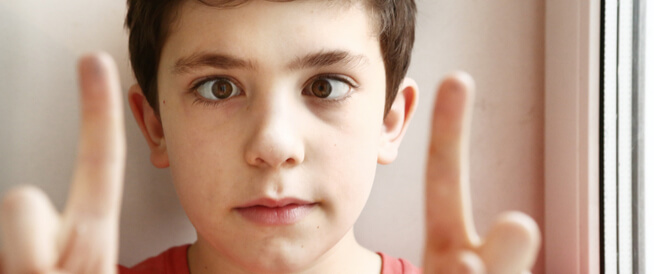
The width of the nasal bridge is one of the main anatomical reasons for pseudo-strabismus in children, especially during the first years of life.
When the nasal bridge is broad or flat, it covers a larger part of the inner corner of the eye, making it look as if one or both eyes are turned inward, even though the visual axes are actually straight and normal.
This common form of pseudo-strabismus often leads parents to believe that the child has true esotropia (inward squint), while ophthalmologic examination turns out completely normal.
As the child grows and the facial bones develop and the nasal bridge becomes higher, this false impression of squint gradually diminishes, and the eyes appear more aligned and straight.
Inner skin folds around the eyes
Inner skin folds, known medically as epicanthal folds, are among the common causes of pseudo-strabismus in children.
When these folds are present at the inner corner of the eye, they cover part of the sclera (the white of the eye), giving the impression that the eye is deviating inward, although eye position is entirely normal.
These folds are more noticeable in children with a broad nose or a round face, and they may gradually become less prominent as the child grows and the skin around the eyes becomes more taut.
Therefore, epicanthal folds are a purely anatomical cause of pseudo-strabismus in children and do not indicate a problem with the extraocular muscles or the nerves responsible for eye movements.
Differences in the shape or size of the eye opening
A slight difference in the shape or size of the palpebral fissure (eye opening) between the two sides can create the illusion of strabismus and is considered one of the causes of pseudo-strabismus in children.
When one palpebral fissure is slightly wider or narrower than the other, the light reflexes and the amount of visible sclera may appear asymmetrical, which can give the impression that one eye is misaligned.
This difference is usually congenital and within normal variation, and by itself does not indicate true strabismus or visual impairment; it falls under the category of pseudo-strabismus related to eyelid configuration.
The ophthalmologist examines the visual axes and ocular motility to distinguish pseudo-strabismus from true strabismus, which requires early monitoring and treatment.
Temporary causes related to age and facial growth
Some causes of pseudo-strabismus in children are temporary, linked to a specific age period and to the growth and remodeling of the facial bones.
In the first months and years of life, the child’s face is fuller, the nose is flatter, and the skin folds around the eyes are more pronounced, all of which increase the likelihood of a pseudo-strabismus appearance.
As the child grows older and the nasal and malar (cheek) bones develop and the distribution of subcutaneous fat changes, the shape of the eyes and surrounding area becomes more defined, and this misleading appearance of squint often disappears without any medical intervention.
Understanding these normal facial growth changes is therefore important to reassure parents, while emphasizing the need for regular eye examinations to rule out the development of true strabismus over time.
How can parents detect pseudostrabismus at home?
Parents can observe signs of pseudostrabismus in their child at home by looking carefully at the eyes in good lighting and paying attention to the light reflex on the pupil when taking photos or looking directly at the child.
Sometimes one eye may appear to be turning inward because of a broad nasal bridge or prominent skin folds at the inner corner of the eyes (epicanthal folds). However, on closer inspection, both eyes are actually aligned, and the corneal light reflex falls in the same position in each eye.
Reassuring features that point toward pseudostrabismus include the child using both eyes normally, following moving objects well, not consistently tilting or turning the head to one side, and not complaining of headaches or visual fatigue as they grow older.
Despite this, it is recommended to have the child examined by a pediatric ophthalmologist if there is any suspicion of strabismus. Distinguishing pseudostrabismus from true strabismus requires a specialized eye examination to ensure the child’s vision is healthy and to rule out any problems related to the eye muscles or refractive errors.
How Is Pseudostrabismus Diagnosed in Children?
Pseudostrabismus in children is diagnosed by an ophthalmologist after a comprehensive eye examination to rule out true strabismus and any visual problems.
The doctor begins by taking a detailed medical and family history, then examines the child’s facial features, eyelids, and the inner nasal bridge. These anatomical features can create the appearance of crossed eyes even when the eyes are actually well aligned.
A corneal light reflex test (Hirschberg test) is then performed, in which the doctor shines a light toward the child’s eyes to check that the light reflection is symmetrical on both pupils. Eye movements are also assessed in all directions to ensure proper ocular alignment and motility.
When indicated—especially if there is a family history of strabismus or reduced vision—the doctor may also perform visual acuity testing and a dilated fundus examination.
This careful evaluation helps reassure parents that what appears to be a squint is in fact pseudostrabismus, which typically does not require treatment, while underlining the importance of regular follow‑up to monitor normal visual development.
When is strabismus in a child a warning sign that needs an eye doctor?
Persistent deviation in one eye
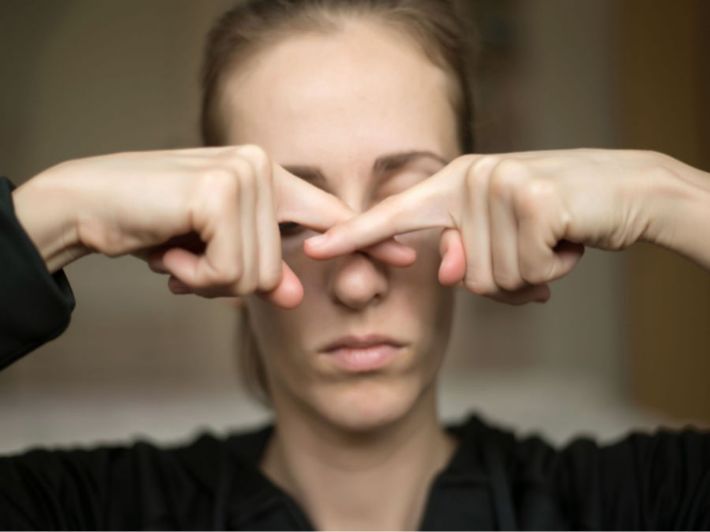
A constant deviation of one eye in a child—whether inward, outward, upward, or downward—is one of the most important warning signs that require an immediate visit to a pediatric ophthalmologist, to confirm whether this is true strabismus rather than pseudostrabismus.
If parents notice that the child’s eye appears misaligned all day or for most of the time, or that the squint does not improve as the child grows, this suggests that the problem is not just related to eyelid shape or a broad nasal bridge, as in pseudostrabismus, but may be a constant, true squint that needs early diagnosis and treatment.
In such cases, it is not advisable to “wait and see” or assume that the squint will disappear over time, because delaying medical evaluation can interfere with the normal development of vision and increase the risk of amblyopia (lazy eye) or permanent visual impairment.
Poor visual tracking or difficulty focusing
Poor visual tracking, or difficulty focusing with both eyes on moving objects or nearby faces, may be a concerning sign—especially if the child does not follow toys with their eyes or does not look toward someone calling or waving to them.
When a child’s squint is accompanied by an inability to track objects or to maintain gaze for even short periods, this warrants an eye examination to assess the health of the eye, retina, and optic nerves, and to distinguish between pseudostrabismus, true strabismus, or other visual disorders.
Early follow‑up with a pediatric ophthalmology specialist helps detect any early visual weakness and establish an appropriate treatment plan—whether with corrective glasses, eye exercises, or other interventions—before the problem affects the child’s learning, motor development, and visual skills.
Other vision‑related symptoms
If a child’s squint is associated with other symptoms—such as sitting very close to the TV or books, habitually tilting the head to see more clearly, frequent eye rubbing, or complaints of headache or blurred vision (in older children who can express these symptoms)—this calls for prompt medical assessment.
The presence of these signs along with eye misalignment may indicate a refractive error (such as myopia or hyperopia), reduced visual acuity, or true strabismus that requires intervention, rather than simple pseudostrabismus caused by facial features.
Consulting an eye specialist as soon as any of these symptoms appear enables accurate diagnosis, exclusion of serious eye disease, and reassurance that the child’s squint is not masking an underlying visual problem that could affect long‑term visual development.
Does Pseudostrabismus in Children Require Treatment?
In most cases, pseudostrabismus in children does not require any treatment. It is not a true misalignment of the eye muscles; rather, it is an optical illusion caused by facial features such as a broad nasal bridge or specific eyelid shapes in infants.
Pseudostrabismus typically improves on its own as the child grows, facial features become more defined, and the eyes appear more aligned, without the need for glasses or surgery.
However, it is essential for the child to be examined by a pediatric ophthalmologist to confirm that the condition is indeed pseudostrabismus and not a true strabismus, which can affect visual development if left untreated.
If the examination shows that the child has actual strabismus or reduced visual acuity, then a tailored treatment plan is needed. This may include prescription glasses, occlusion therapy (eye patching), vision therapy/orthoptic exercises, or surgery, depending on the individual case.
In summary, pseudostrabismus itself does not require direct treatment, but it does call for careful evaluation and regular follow‑up to ensure healthy eye development and normal visual function.
When does pseudostrabismus resolve on its own?
In most cases, pseudostrabismus in infants and young children does not require any treatment, as it usually resolves spontaneously with growth and facial bone development.
The apparent misalignment typically starts to improve gradually during the first year of life and up to around two years of age, as the nasal bridge widens and the eye shape becomes more defined.
As long as a pediatric ophthalmologist confirms that the child has pseudostrabismus rather than true strabismus, and that vision in both eyes is normal, simple observation and reassuring the parents are usually sufficient, without any need for medical intervention.
It is important to understand that the disappearance of pseudostrabismus is a gradual process. Parents may notice that the eyes look straighter from some angles and more misaligned from others, and this is normal and not a cause for concern as long as the diagnosis has been clearly established.
Cases that require regular follow-up
Although pseudostrabismus in children generally does not need treatment, certain situations do warrant periodic follow-up with an eye specialist to ensure that true strabismus or visual impairment does not develop.
These include a family history of strabismus or amblyopia (lazy eye), suspected difference in visual acuity between the two eyes, the presence of congenital eye diseases, or global developmental delay.
Regular follow-up visits help detect any progression from pseudostrabismus to true strabismus at an early stage, allowing timely intervention before the child’s visual development is affected.
The ophthalmologist usually schedules follow-up appointments based on the child’s age and clinical condition. In early childhood, visits may be every 6–12 months, with reassessment of visual acuity and measurement of any ocular deviation.
When is treatment necessary?
Treatment is not directed at pseudostrabismus itself, but at cases where a comprehensive eye examination confirms the presence of true strabismus or an underlying visual problem.
Therapy becomes necessary if the examination shows an actual inward or outward deviation of one or both eyes, if amblyopia is detected in one eye, if there is a significant difference in refractive error or visual acuity between the eyes, or if there are refractive errors requiring corrective glasses.
In such situations, reassurance alone is not enough; a structured management plan is needed. This may include prescription eyeglasses, occlusion therapy (patching the better-seeing eye for specific periods), or other treatments tailored by a pediatric ophthalmologist.
Neglecting treatment in the presence of true strabismus can impair visual development and lead to permanent amblyopia. For this reason, accurately distinguishing pseudostrabismus from true strabismus is the critical first step in deciding whether a child needs active treatment.
Here’s a polished, context‑appropriate English translation with correct medical phrasing and without literal wording:
Best Pediatric Strabismus Specialist in Jeddah
Dr. Ahmed Al-Batal
Dr. Ahmed Al‑Batal is regarded as one of Jeddah’s leading consultant ophthalmologists, with a subspecialty focus on pediatric strabismus. Parents seeking the best pediatric strabismus care in Jeddah frequently turn to him for his extensive experience in diagnosing and managing both pseudostrabismus and true strabismus in children.
Dr. Al‑Batal heads Al‑Batal Specialized Medical Complex, a comprehensive eye care center equipped with state‑of‑the‑art pediatric ophthalmic diagnostic devices. This advanced setup enables accurate differentiation between pseudostrabismus, often related to facial structure or a broad nasal bridge, and true strabismus, which requires early, structured intervention.
He pays particular attention to creating a calm, reassuring environment for the child during examination, while clearly and simply explaining the condition to parents—whether it is pseudostrabismus that only needs observation and periodic follow‑up, or a form of strabismus that calls for active treatment. This patient‑ and family‑centered approach has made him the first choice for many families looking for the best pediatric strabismus specialist in Jeddah.
By combining many years of clinical experience with the latest advances in pediatric ophthalmology, Dr. Ahmed Al‑Batal provides meticulous care for complex cases, with a consistent emphasis on reassuring families and offering preventive guidance based on up‑to‑date international medical guidelines.
Diagnosing Pseudostrabismus in Children at Batal Eye Specialty Center
At Batal Eye Specialty Center, diagnosing pseudostrabismus in children is based on a thorough, integrated assessment designed to confirm proper ocular alignment and to rule out true strabismus at an early stage.
The pediatric ophthalmologist begins with a comprehensive medical and ocular history, followed by careful observation of the eye appearance, eyelid position, and nasal bridge. The child then undergoes specialized tests such as the corneal light reflex test (Hirschberg test) and the cover test, which help accurately distinguish pseudostrabismus from true strabismus.
Visual acuity and refractive status (refraction) are also evaluated to detect any refractive errors that might influence the apparent eye alignment. Pupil-dilating drops may be used to allow a detailed fundus examination and to verify the health of the retina and optic nerve.
With the support of advanced diagnostic equipment and fellowship-trained pediatric ophthalmologists, Batal Eye Specialty Center provides reliable diagnosis of pseudostrabismus in children. Parents receive a clear explanation of the child’s condition and an appropriate follow‑up plan, which helps reassure the family and prevents unnecessary anxiety about the child’s vision.
Book an Eye Alignment Assessment for Your Child at Batal Eye Specialty Center
If you’ve noticed signs of pseudostrabismus (pseudo-crossed eyes) in your child, or you feel their eyes don’t seem to be aligned in the same direction, schedule an early assessment at Batal Eye Specialty Center to ensure an accurate and reassuring diagnosis.
Our ophthalmologists perform comprehensive pediatric eye examinations and use state-of-the-art diagnostic equipment to distinguish between pseudostrabismus and true strabismus, taking into account your child’s age, medical history, and visual development.
This evaluation helps detect any vision problems at an early stage—such as reduced visual acuity or ocular misalignment—so they can be treated promptly, before they impact your child’s school performance or visual development.
Booking a pseudostrabismus assessment for your child at Batal Eye Specialty Center gives you clear answers about your child’s eye condition, along with a tailored follow-up or treatment plan when needed, delivered by a team specialized in pediatric ophthalmology in a child- and family-friendly environment.