Med info
How long does it take to return to normal life after vision correction surgery?

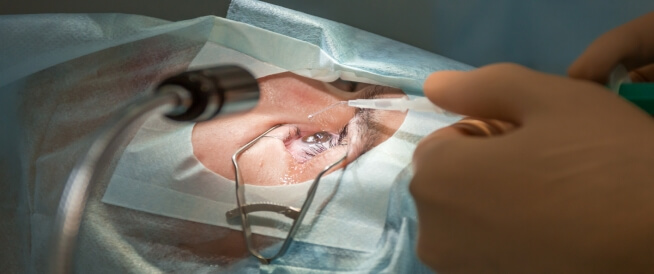
What to Expect in the First Few Hours After Vision Correction Surgery
The First 6 Hours After Surgery

During the first six hours after vision correction surgery, it’s normal to feel a mild burning sensation, experience excessive tearing, and have a feeling as if there’s a foreign body in the eye.
You may also notice marked light sensitivity and a strong urge to keep your eyes closed most of the time.
In these first few hours after the procedure, it’s best to rest in a dark or dimly lit room and to adhere strictly to the eye drops prescribed by your ophthalmologist, as they help reduce inflammation and dryness and promote faster healing.
Doctors usually advise against rubbing the eyes and recommend avoiding screens (phone, TV, computer) to minimize eye strain during this sensitive period.
If you develop pain that is not relieved by over‑the‑counter painkillers, or if you notice a sudden, significant deterioration in vision in the first hours after surgery, you should contact your eye surgeon immediately for assessment.
Expected (Normal) Postoperative Symptoms
In the hours following vision correction surgery, a number of common, expected symptoms may appear that are not usually a cause for concern. These include blurred vision, light sensitivity, eye redness, and increased tearing.
It is also common to experience a sensation of dryness or mild pricking at the eyelid margin. These symptoms generally improve gradually with the use of lubricating and anti‑inflammatory eye drops prescribed after the procedure.
You should expect some fluctuation in your vision on the first day; it may seem clearer at times and hazier at others. This is a normal part of the early recovery phase after refractive surgery.
What matters most during these initial hours is to monitor your symptoms closely and to follow the postoperative instructions carefully, such as avoiding eye rubbing and protecting the eyes from dust and direct water exposure, in order to preserve the results of the surgery.
When Does Initial Visual Improvement Begin?
In most cases, initial improvement in vision begins within the first few hours after refractive surgery, although the degree of improvement varies from person to person.
You may notice that your vision is already better than it was before surgery, but still somewhat blurry or not yet optimally sharp. This is entirely expected during the first 24 hours of recovery.
Some patients experience a noticeable improvement in vision after just a few hours, while others may need a day or two before their sight starts to stabilize to a more consistent level.
During the first hours after surgery, you should not use your visual sharpness as a measure of the procedure’s success, as the cornea is still healing and the eye needs time before the final result stabilizes.
Getting adequate rest and using your prescribed eye drops as directed will help accelerate the initial improvement in vision and support achieving the best possible outcome from your vision correction surgery.
What is the first night after vision correction surgery like?
The first night after vision correction surgery is considered the most critical phase in your recovery journey. Many ophthalmologists refer to it as the eye’s “initial adaptation phase” to its new condition.
During the first few hours, you may experience mild burning, itching, or a sensation similar to having a foreign body in the eye, along with blurred vision and marked sensitivity to light. These symptoms are common and expected after procedures such as LASIK, Femto-LASIK, or SMILE and other types of refractive surgery.
Your doctor will usually advise complete rest that first night, avoiding screens and reading, and wearing an eye shield or protective goggles while sleeping to prevent rubbing or pressing on the eye.
Using the prescribed lubricating eye drops, antibiotic drops, and pain relievers at the recommended times helps minimize discomfort and promote faster healing.
By the next morning, you’ll often notice a clear improvement in your vision. However, keep in mind that your eyesight will continue to stabilize over the following weeks. It is therefore essential to follow all post‑operative instructions carefully, and to contact your ophthalmologist immediately if you experience severe, persistent pain or a sudden deterioration in vision.
Recovery After Vision Correction Surgery: The First Week
During the first week after vision correction surgery, the main goal is to protect the eyes and support the natural healing process so that the visual improvement stabilizes progressively.
Your doctor will usually prescribe antibiotic eye drops, anti‑inflammatory drops, and artificial tears to reduce dryness and redness. These should be used regularly, exactly as directed in terms of dose and frequency.
In the first few days, it’s common to experience mild blurry vision, light sensitivity, and a feeling of grittiness or a slight itch in the eye. These symptoms are expected as long as they are not accompanied by severe pain or a sudden drop in vision.
During the first week of recovery, it is crucial to avoid rubbing your eyes completely, and to stay away from eye makeup, swimming, and exposing the eyes directly to water (such as shower spray). You should also wear the protective shield or safety glasses while sleeping and in crowded environments if your doctor advises this.
It is also recommended to limit screen time in the early days after surgery and to take frequent breaks to rest your eyes and reduce visual strain.
The first follow‑up visit, usually scheduled within 24–48 hours after the procedure, is essential to assess how quickly you are healing and to make sure there are no complications such as infection or significant dry eye.
By strictly following these medical instructions, you can support proper healing during the first week and maximize your chances of achieving the best possible visual acuity in both the short and long term.
When Can Patients Resume Their Normal Daily Life?
When can I return to work or school?
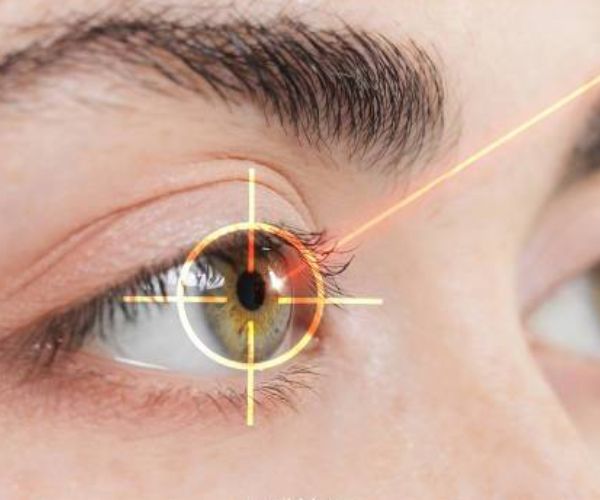
The timing of returning to work or study after refractive eye surgery depends on the type of procedure, the nature of the patient’s job, and individual healing speed.
With surface procedures such as Photorefractive Keratectomy (PRK), patients usually need about 5–7 days before gradually resuming daily activities, as vision is often blurry in the first few days and there may be burning, discomfort, or light sensitivity.
After LASIK or Femto-LASIK, most patients can return to office-based work or school within 2–3 days, provided their vision is relatively stable and they are getting enough rest.
People whose work involves intensive visual tasks and prolonged screen time are advised to reduce working hours during the first week, take frequent breaks to rest the eyes, and avoid or minimize dryness.
Those who work in environments with dust, smoke, or chemical exposure may need a longer recovery period—up to two weeks—and must strictly adhere to wearing protective goggles or safety glasses as instructed by their surgeon.
Overall, patients are encouraged to resume work or study gradually after refractive surgery, while complying with prescribed eye drops and avoiding excessive eye strain during the first few weeks to ensure the best long‑term outcome.
When is it safe to drive?
Being able to drive safely after refractive surgery is a key part of returning to normal life, but it requires two main conditions: adequate visual clarity and comfort, with no disturbing glare or double vision.
After LASIK and Femto-LASIK, some patients can drive short distances within 24–48 hours, as long as the next‑day postoperative check confirms that visual acuity meets driving standards and that there is no significant blurring or troublesome glare, especially at night.
For surface laser procedures such as PRK, patients are generally advised to avoid driving for about 4–7 days, because vision tends to be less stable while the corneal surface is healing, and night vision may be temporarily affected.
Night driving is best avoided during the first week after any refractive procedure if the patient notices halos around lights or intense glare, to avoid putting themselves and others at risk.
It is important to first test vision in a familiar, safe environment before attempting longer trips, and to contact the ophthalmologist immediately if there is any sudden drop in vision, unusual pain, or marked redness.
When is it allowed to travel after refractive surgery?
Traveling after refractive surgery—whether by plane or by car for long distances—should be timed appropriately so as not to interfere with healing or ocular comfort.
In most cases, air travel is permissible 3–5 days after LASIK or Femto-LASIK, provided the eye is stable and free of complications. Cabin pressure does not directly affect the cornea, but the dry air in aircraft cabins can aggravate dry eye symptoms.
For that reason, patients resuming normal life and planning to travel after refractive surgery are advised to carry lubricating eye drops, use them regularly during the flight, avoid rubbing their eyes, and not sit directly under strong air vents.
Following PRK, some surgeons prefer to delay air travel for about a week, until the therapeutic bandage contact lens is removed and the corneal surface has healed sufficiently.
For long car journeys, it is better to wait a few days up to a week, break the trip into shorter segments with rest stops, and refrain from driving personally if vision is not yet fully stable.
It is essential to consult the treating ophthalmologist before booking travel soon after refractive surgery, especially for long trips or travel to very dry or intensely sunny climates, so that the preventive drop regimen can be optimized and a safe return to daily activities can be ensured.
Recovery Timeline After Vision Correction Surgery
The recovery timeline after vision correction surgery typically begins within a few hours of the procedure. During this period, you may experience mild burning, tearing, and blurred vision. These are normal postoperative symptoms and usually subside within 24–48 hours with the use of prescribed eye drops and adequate rest.
In the first week after surgery, protecting the eyes from dust and dry air is crucial. You should avoid rubbing your eyes or exposing them directly to water (such as in swimming pools). During this stage, vision usually improves gradually to a level that allows you to resume light daily activities.
From the second week up to the end of the first month, visual clarity and stability generally improve further. However, you will still need to wear sunglasses outdoors and should minimize prolonged screen time or any activity that causes significant visual strain.
After about three months, most patients achieve near-complete stabilization of visual acuity following vision correction surgery. Most temporary side effects—such as halos around lights or mild dryness—tend to resolve or become easily manageable with lubricating eye drops.
Nevertheless, adhering to scheduled follow‑up visits with your ophthalmologist remains a vital part of the recovery plan. These visits help ensure that the cornea is healing properly and allow for early detection and management of any potential complications.
When Can You Resume Exercise After Vision Correction Surgery?
The timing for getting back to exercise after vision correction surgery depends on the type of procedure (LASIK, Femto-LASIK, PRK) and how quickly each patient’s cornea heals. In general, light activities such as walking are usually allowed after 24–48 hours, provided you avoid excessive sweating and keep water, soap, and shampoo out of the eyes.
Moderate-intensity exercise, such as light jogging or simple resistance training, is typically postponed for about 1–2 weeks after surgery. During this phase, protective sports eyewear is recommended, and you should avoid rubbing your eyes entirely.
High-impact or contact sports, such as football, boxing, swimming, intense gym workouts, and heavy weightlifting, usually require at least 3–4 weeks, and sometimes longer, before they are considered safe. Any blow to the eye or significant pressure during this period may affect corneal flap stability and compromise the surgical outcome.
Ultimately, closely following your ophthalmologist’s instructions and attending all scheduled follow-up visits are the key factors in determining the safest time for each patient to return to sports after vision correction surgery, without increasing the risk of eye complications.
What should you avoid during the recovery period?
Rubbing the Eyes
During the recovery period after vision correction surgery, rubbing your eyes is one of the most dangerous habits and must be strictly avoided.
Any pressure on the eye or rubbing it can cause the cornea to shift before it has fully healed, which may compromise the outcome of the procedure and increase the risk of infection or corneal surface irregularities.
If you experience itching or burning in your eyes after surgery, use the lubricating eye drops prescribed by your ophthalmologist, or simply close your eyes for a few minutes instead of rubbing them. Make sure to wear the protective shield or safety goggles while sleeping in the first few days to prevent accidental eye rubbing.
Eye Makeup and Contact Lenses

During the post‑operative recovery period, you should avoid using eye makeup such as eyeliner, mascara, and eyeshadow, as cosmetic particles can enter the eye and cause irritation or infection that may interfere with corneal healing.
Contact lenses are also contraindicated in the first few weeks after surgery because they exert pressure on the ocular surface and disrupt the natural healing process, in addition to potentially introducing bacteria and increasing the risk of infection.
Rely on prescription sunglasses or protective eyewear instead of contact lenses, and wait until your ophthalmologist allows you to gradually resume using eye makeup and contact lenses once healing is complete.
Swimming, Saunas, and Polluted Environments
It is essential during the recovery period after vision correction surgery to refrain from swimming in pools, the sea, or hot tubs (jacuzzis), as the water may contain chlorine, microorganisms, and irritants that can enter the eye and lead to serious infections.
You should also avoid saunas and steam rooms in the first days and weeks after surgery, since high temperature and humidity can worsen dry eye and compromise the tear film that protects the corneal surface during healing.
In addition, try to stay away from polluted and crowded places filled with smoke, chemical fumes, or heavy dust. A clean environment supports faster recovery and helps maintain the long‑term results of your vision correction procedure.
Excessive Sun and Dust Exposure
While recovering from vision correction surgery, you should limit direct exposure to sunlight, especially in the first few days, because bright light and ultraviolet (UV) rays can increase ocular sensitivity, inflammation, and dryness.
Wear high‑quality, UV‑protective sunglasses whenever you go out during the day, and avoid dust and very dry air as much as possible. Dust particles can irritate the ocular surface and trigger itching that may tempt you to rub your eyes, exposing you to unnecessary complications.
The more consistently you protect your eyes from sun and dust during recovery, the better your chances of preserving the surgical outcome and regaining comfortable, clear vision more quickly.
How can recovery be accelerated after vision correction surgery?
.
Adhering to Prescribed Eye Drops
Strict adherence to the eye drop regimen prescribed by your ophthalmologist is one of the most important factors in speeding up recovery after refractive eye surgery.
Lubricating, anti‑inflammatory, and antibiotic eye drops help reduce irritation and dryness and prevent infection, which supports safe and rapid corneal healing.
Use your drops exactly as directed in terms of dose and timing, and do not stop them on your own, even if your vision seems to improve quickly.
Avoid touching your eye or eyelashes with the tip of the dropper bottle to keep it sterile, and wash your hands thoroughly before each application.
Following your doctor’s instructions regarding medicated eye drops enhances the outcome of your vision correction procedure and reduces the risk of complications.
Adequate Hydration and Sufficient Sleep
Keeping your body and eyes well hydrated has a direct impact on how quickly you recover after refractive surgery.
Drinking enough water throughout the day and using the prescribed lubricating drops reduces the sensation of dryness and burning that may occur after the procedure.
Getting enough regular sleep gives your eyes time to rest and regenerate, as corneal healing becomes more active during deep sleep.
Aim for sufficient nightly sleep and avoid staying up late or straining your eyes on screens in the first days following surgery.
Good hydration combined with quality sleep forms a fundamental pillar in supporting ocular healing and accelerating recovery after vision correction.
Nutrition that Supports Eye Health
Choosing a healthy diet rich in eye‑friendly nutrients helps speed up recovery after refractive surgery and improves the quality of tissue healing.
Foods high in antioxidants, such as leafy greens (spinach, arugula) and brightly colored fruits and vegetables (carrots, oranges, berries), support the health of the cornea and retina.
Omega‑3 fatty acids found in fatty fish (salmon, sardines) and nuts help reduce dry eye symptoms and improve the tear film.
Make sure you also get adequate amounts of vitamins A, C, and E, as well as zinc, either through food or through supplements recommended by your doctor.
Adopting a balanced diet after vision correction surgery not only accelerates recovery, but also helps maintain long‑term eye health and stable vision.
The Importance of Follow‑Up Appointments
Attending all scheduled follow‑up appointments with your ophthalmologist after refractive surgery is an essential part of speeding up recovery and ensuring stable results.
During these visits, your doctor checks that the cornea is healing well, your refractive error is stable, and that there are no signs of inflammation or complications requiring early intervention.
The dosing schedule of your drops can be adjusted, and additional supportive treatments can be prescribed based on your specific condition—decisions that cannot be made accurately without an in‑person examination.
Even if your vision feels excellent and your symptoms are mild, do not skip your follow‑up visits, especially in the first few weeks after surgery.
Committing to these appointments ensures a faster, safer recovery after vision correction and helps preserve the best possible surgical outcome.
When Should You Contact Your Doctor Immediately?
Severe or Worsening Pain
After laser vision correction, it is normal to experience some discomfort or mild burning. However, if you feel severe pain, or if the pain keeps getting worse instead of improving, you should contact your doctor immediately.
Unusually intense pain can indicate a problem in the cornea, such as an abrasion, inflammation (keratitis), elevated intraocular pressure, or other complications that require urgent management.
Do not wait for the pain to go away on its own, especially if it is accompanied by severe headache, nausea, or difficulty opening the eye. Early medical intervention helps prevent vision deterioration and supports proper recovery after refractive surgery.
Sudden Decrease in Vision
Any sudden or noticeable drop in visual acuity after laser vision correction requires immediate contact with your ophthalmologist.
If you experience marked blurring that was not present before, sudden difficulty seeing near or distant objects, or persistent double or “ghost” images, this may indicate corneal edema, displacement of the flap (in LASIK procedures), or early intraocular infection or inflammation.
Prompt assessment by your doctor is essential to identify the cause of vision loss and to intervene before permanent complications develop. A sudden change in vision after surgery is not considered a normal part of the healing process.
Marked Redness or Abnormal Discharge
Mild eye redness is expected after laser vision correction, but pronounced or increasing redness—especially when accompanied by pain, marked light sensitivity (photophobia), or thick yellow or green discharge—requires urgent medical review.
Abnormal discharge can be a sign of bacterial or viral infection of the cornea (keratitis) or conjunctiva (conjunctivitis), both of which may require antibiotic eye drops or specific treatment to avoid affecting healing and long‑term visual clarity.
Do not use random over‑the‑counter drops or home remedies in this situation. Instead, contact the ophthalmologist who performed your refractive surgery to examine the eye and prescribe the appropriate therapy.
Signs of Infection or Early Complications
One of the most critical issues to watch for after laser vision correction is the appearance of signs suggestive of infection or early postoperative complications, such as unexplained fever, intense burning that does not improve, noticeable eyelid swelling, pain with eye movements, or seeing strong colored halos around lights with persistent blurring.
Infection can also present as a worsening foreign‑body sensation in the eye, increasing redness and discharge, and lack of improvement despite following postoperative instructions.
In these situations, you must contact your doctor immediately rather than waiting for your scheduled follow‑up visit. Treating infection or complications at an early stage is crucial for protecting the cornea and preserving the results of your refractive surgery and the quality of your vision over the long term.
Does Recovery Time Vary Depending on the Type of Vision Correction Surgery?
Yes, recovery time after vision correction surgery varies significantly depending on the type of procedure and the technology used. This explains why patient experiences differ between LASIK, PRK, and Femto-SMILE.
With conventional LASIK, recovery is generally faster. Patients often notice a marked improvement in visual acuity within 24–48 hours, and can usually resume most day-to-day activities within a few days, provided they adhere to medical instructions and use their prescribed eye drops correctly.
In contrast, recovery after PRK (Photorefractive Keratectomy) or other surface ablation procedures tends to be slower, as the corneal surface needs more time to heal. Initial recovery may take up to a week, with gradual improvement in visual quality continuing over several weeks.
Femto-SMILE (Small Incision Lenticule Extraction) often offers a balance between rapid recovery and preserving corneal integrity. Patients typically regain stable vision within a few days, with a lower likelihood of experiencing significant dryness compared to some other techniques.
It’s important to understand that recovery time is influenced not only by the type of surgery, but also by individual factors such as corneal thickness, the degree of myopia or hyperopia, adherence to prophylactic treatment, and avoiding eye rubbing, dust exposure, or prolonged screen time in the early postoperative period.
For this reason, it is advisable to discuss the expected recovery course in detail with your ophthalmic surgeon before choosing the type of refractive surgery most suitable for your case, to ensure realistic expectations and a comfortable, safe recovery plan.
Best Eye Surgeon for Vision Correction in Jeddah
.
Dr. Bara’a Fahham and His Expertise in Vision Correction Surgery
Dr. Bara’a Fahham is one of the leading specialists sought by patients looking for the best eye surgeon for vision correction in Jeddah—particularly those who value the recovery phase just as much as the success of the procedure itself.
With extensive experience in various refractive surgery techniques—such as LASIK, Femto-LASIK, and PRK (surface ablation)—he is able to select the most suitable method for each individual case, ensuring faster recovery and minimizing potential complications.
He follows precise medical protocols when explaining postoperative instructions to his patients, including prescribed medications, recommended rest periods, and the expected day‑by‑day improvement in vision.
This level of expertise and clarity in postoperative follow‑up has led many patients to consider Dr. Bara’a Fahham a top choice for those seeking the best vision correction specialist in Jeddah, with meticulous attention to the post-surgical care phase.
Book Your Consultation at Batal Eye Specialty Center
For a safe and comfortable recovery after vision correction surgery, schedule a consultation at Batal Eye Specialty Center with a distinguished team of consultant ophthalmologists experienced in laser vision correction, LASIK, and phakic intraocular lens (IOL) implantation.
During your initial consultation, your eyes will be thoroughly assessed using advanced diagnostic technologies. Your surgeon will walk you through a step‑by‑step recovery plan, explain post‑operative instructions, expected corneal healing timelines, and the schedule of follow‑up visits to help you achieve the best possible visual acuity.
The center provides clear medical guidance on prescribed medications and eye drops, as well as detailed instructions on postoperative eye care after vision correction surgery. The medical team will also answer all your questions about normal postoperative symptoms and advise you on warning signs that require urgent medical attention.
You can easily book your appointment by phone or online, choosing the time that best suits you, and begin your recovery journey after vision correction surgery with confidence and peace of mind under the supervision of an experienced ophthalmology team.