
Med info
Is eye misalignment after birth normal?

What Is Meant by Eye Deviation After Birth?

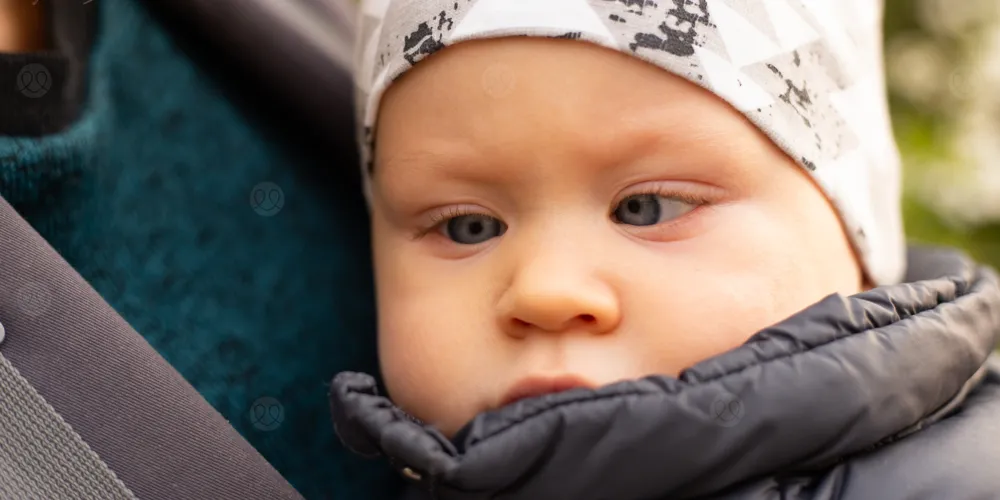
Postnatal eye deviation refers to a condition in which parents notice that their baby’s eyes are not aligned in the same direction; in other words, one or both eyes are clearly and persistently drifting away from the normal visual axis.
This condition is medically known as infantile strabismus, and it may appear in the first days or weeks after birth, or during the early months of life.
In some cases, eye deviation after birth is mild and temporary, due to the immaturity of the visual system. However, if the misalignment persists or is pronounced, it requires thorough assessment by a pediatric ophthalmologist to rule out underlying causes such as reduced vision in one eye (amblyopia), or problems involving the extraocular muscles or the nerves controlling eye movements.
Understanding what is meant by eye deviation after birth helps parents distinguish between a transient, normal misalignment in the first months of life and true strabismus, which can affect the development of vision and visual clarity in the child if not detected and treated in a timely manner.
Is eye deviation after birth normal?
In many cases, eye deviation in newborns is considered a normal and temporary finding, especially during the first few months of life, because the extraocular muscles are still developing and learning to work together in a coordinated way.
However, it is important to distinguish between a mild, intermittent misalignment that comes and goes, and true strabismus (squint) that persists or worsens over time.
Eye deviation in newborns is usually normal if it appears occasionally and gradually disappears by the age of about 3–6 months. If the misalignment continues beyond this age range, or is clearly present most or all of the time, it is advisable to consult a pediatric ophthalmologist to rule out constant strabismus or other problems such as refractive errors, reduced visual acuity, or amblyopia (lazy eye).
Parents should be aware that early detection of eye misalignment after birth greatly improves the chances of successful treatment of strabismus and helps prevent long‑term complications affecting the child’s vision.
What causes eye deviation in newborns?
Incomplete Development of the Extraocular Muscles
Incomplete development of the extraocular muscles in newborns is one of the common reasons for eye deviation in the first few months of life.
When the eye muscles are not yet fully strong or well-coordinated, it becomes difficult for the baby to keep both eyes aligned in the same direction. This can lead to a transient or intermittent deviation, especially when the baby is tired or focusing on a near object.
In most cases, this deviation is part of a normal developmental stage and gradually improves as the child grows and the eye muscles and visual system mature.
However, if the eye misalignment persists beyond 4–6 months of age, or appears constant and obvious, it may indicate true strabismus that requires thorough evaluation by a pediatric ophthalmologist to determine the cause and plan appropriate treatment.
Genetic Factors and Family History
Genetic factors and family history play a significant role in the development of eye deviation in newborns.
If one of the parents or siblings has strabismus or had visual problems during childhood, the likelihood of the baby developing eye misalignment in the first weeks or months of life increases.
Genetic predispositions may affect the strength of the extraocular muscles, the function of the nerves controlling eye movements, or the anatomical structure of the eye itself, leading to imbalance in ocular alignment.
Therefore, early eye examinations are recommended for children with a strong family history of strabismus or visual disorders, to detect any deviation at an early stage and treat it in a timely manner.
Congenital Visual Disorders
Certain congenital visual disorders—such as high hyperopia (marked farsightedness), congenital cataract, or corneal opacities present at birth—can be a direct cause of eye deviation in newborns.
When one eye does not see as clearly as the other, the brain tends to rely more on the stronger eye, neglecting the weaker one, which results in noticeable deviation or manifest strabismus.
This type of eye deviation may also be associated with amblyopia (lazy eye) if not detected and treated early, which can adversely affect long-term visual development.
Eye examination soon after birth and during the first months of life helps identify such congenital abnormalities and correct them with appropriate spectacles or other treatments before they cause permanent ocular misalignment.
Rare Neurological Disorders
In some rare cases, eye deviation in newborns is related to neurological disorders that affect the cranial nerves responsible for eye movements or the visual centers in the brain.
These disorders may lead to poor control of eye movements or partial paralysis of one or more extraocular muscles, resulting in clear strabismus from the first days or weeks after birth.
Such conditions are often accompanied by other neurological signs, such as delayed motor milestones or impaired visual responses, which require comprehensive assessment by both a pediatric neurologist and a pediatric ophthalmologist.
Early detection of these neurological causes of eye deviation allows for a comprehensive treatment plan, which may include rehabilitative therapy, management of the underlying neurological disorder, and close visual follow‑up.
Signs that Newborn Eye Deviation Requires Medical Evaluation
Persistence of eye deviation after 4–6 months of age
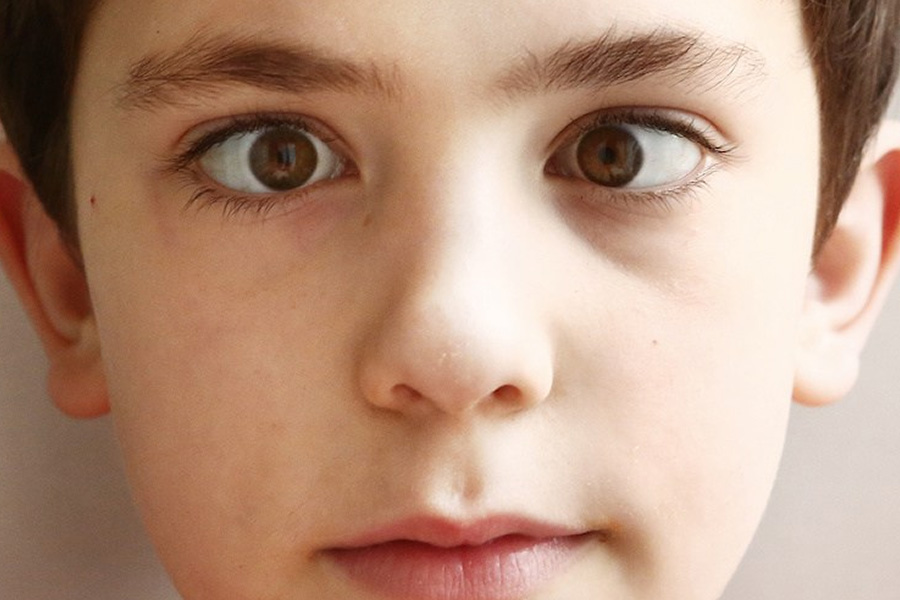
If eye misalignment persists beyond 4 to 6 months of age, this is one of the most important warning signs that strabismus requires thorough medical evaluation.
In the first few months after birth, brief or occasional eye crossing can be normal. However, if the eye deviation remains clearly noticeable after the age of six months, the child should be examined by a pediatric ophthalmologist.
Persistent strabismus at this age may indicate constant strabismus, a problem with the extraocular muscles, or an issue in visual development, which can later affect visual acuity and lead to amblyopia (lazy eye).
Early assessment of eye misalignment in infants helps in planning appropriate management, such as observation, prescription glasses, occlusion therapy (eye patching), or surgical intervention when needed.
Therefore, noticing that eye deviation continues beyond 4–6 months of age is a clear red flag that calls for prompt medical evaluation rather than waiting for the child to “grow out of it.”
Repeated deviation of one eye
When eye deviation after birth consistently and clearly affects only one eye, this is an important sign that strabismus requires specialist assessment.
Frequent strabismus in just one eye can cause the brain to rely on the “good” eye and suppress the deviating one, which significantly increases the risk of amblyopia and permanent reduction in vision if not treated early.
If caregivers observe that the same eye always turns in or out when the child focuses on objects, is tired, or exposed to bright light, they should not rely on home observation alone and must seek a comprehensive eye examination.
Early diagnosis of unilateral strabismus in infants enables ophthalmologists to preserve visual function in both eyes and minimize long‑term complications.
Poor visual tracking of objects
Poor tracking of moving objects, or an infant’s failure to follow the mother’s face or colorful toys, may be an additional sign that eye misalignment needs medical evaluation.
Normally, a baby gradually begins to track objects with both eyes soon after birth, and this tracking becomes more evident by 2–3 months of age.
If the family notices that the infant does not fixate well, does not follow objects, or that only one eye moves while the other drifts or remains fixed, this warrants a detailed examination of the eyes and the visual pathway.
Poor visual tracking can be associated with strabismus, retinal disorders, or optic nerve dysfunction. For this reason, it should not be dismissed simply because the child is still very young.
Presence of other vision‑related symptoms
The appearance of additional symptoms related to vision alongside eye deviation after birth is a strong indicator that strabismus requires urgent medical assessment.
These symptoms include the child getting excessively close to light sources or objects, frequent blinking, tilting the head to one side when looking, marked light sensitivity (photophobia), or eye movements that appear shaky or oscillatory (nystagmus).
Caregivers may also notice that the child rubs the eyes frequently, seems uncomfortable when trying to focus, or that the pupil looks abnormal in color or shape.
When these signs occur together with eye misalignment, they may point to an underlying visual or structural problem in the eye, making a visit to a pediatric ophthalmologist essential for accurate diagnosis and early treatment planning.
How Is Strabismus Diagnosed in Infants?
Strabismus in infants is diagnosed through a comprehensive eye examination performed by a pediatric ophthalmologist. The evaluation starts with a detailed medical and birth history, followed by observing the shape of the eyes, pupillary movements, and gaze direction to determine whether the eye misalignment is constant or intermittent.
The ophthalmologist then performs a corneal light reflex test (Hirschberg test) to check whether light reflects from the same point on both corneas, in addition to a cover–uncover test to detect any latent deviation (latent strabismus).
In some cases, dilating eye drops are used to widen the pupil and allow a thorough examination of the fundus, ensuring that the retina and optic nerve are healthy. At the same visit, the doctor measures the degree of refractive error—such as hyperopia, myopia, or astigmatism—that may be contributing to the strabismus.
Early diagnosis of strabismus in infants is crucial for timely treatment planning and for preventing amblyopia (lazy eye) and permanent vision loss later in life.
What are the complications of ignoring true strabismus?
Overlooking true strabismus (real eye deviation) after birth can lead to serious consequences for a child’s vision and visual development if it is not diagnosed and treated early.
Leaving strabismus untreated often results in what is known as amblyopia (lazy eye), where the brain learns to rely on only one eye and suppresses input from the deviating eye, causing a permanent reduction in visual acuity in that eye.
Uncorrected strabismus also makes it difficult to develop proper stereopsis (3D vision) and depth perception, which can later affect balance and fine motor skills such as writing, reading, and playing sports.
The child may additionally suffer from chronic headaches, visual fatigue, and difficulty concentrating at school, along with psychological and social issues due to the cosmetic misalignment of the eyes and the resulting low self‑esteem.
For these reasons, seeing an ophthalmologist as soon as any eye deviation is noticed after birth—and distinguishing true strabismus from pseudostrabismus—is essential to prevent long‑term complications affecting vision and overall quality of life in the future.
Does Postnatal Eye Deviation Require Treatment?
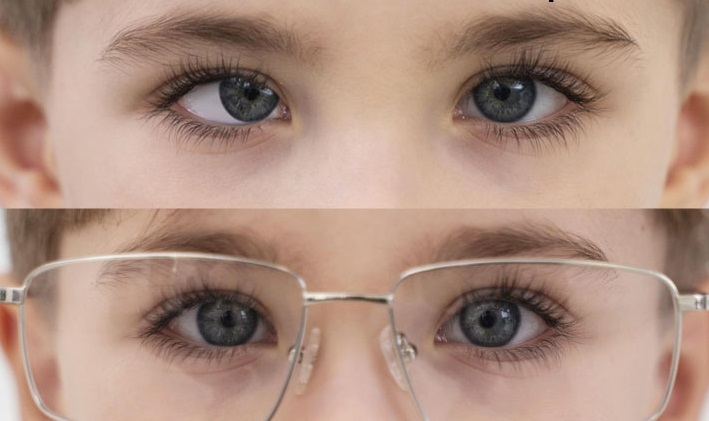
Whether eye deviation in newborns needs treatment depends on the underlying cause, how long it lasts, and how severe it is.
During the first few months, a mild and intermittent eye deviation is often seen in infants. In many cases this is considered normal, as the eye muscles are still developing and gaining full control. It usually resolves on its own as the baby grows, typically within the first six months of life.
However, if the deviation persists beyond this period, is constantly noticeable in one or both eyes, or is associated with marked strabismus, nystagmus (involuntary eye movements), or poor ability to track objects, the child should be evaluated by a pediatric ophthalmologist. Delaying assessment and treatment may lead to amblyopia (lazy eye) and permanent visual impairment.
In such cases, the ophthalmologist may recommend prescription glasses, eye exercises and vision therapy, or patching of the stronger eye to stimulate the weaker one. In more advanced or resistant cases, surgery may be required to correct the eye misalignment.
Early evaluation by a specialist is therefore essential to determine whether postnatal eye deviation is a normal developmental variation that will resolve spontaneously, or a pathological condition that requires intervention to protect the child’s long‑term vision.
The Best Pediatric Ophthalmologist in Jeddah
Dr. Mohammed Jayed – Pediatric Ophthalmology and Strabismus Consultations
Dr. Mohammed Jayed is considered among the leading pediatric ophthalmologists in Jeddah, particularly in the diagnosis and management of strabismus and postnatal ocular misalignment.
He has extensive experience in treating various forms of strabismus in infants and children, including latent strabismus and squint associated with amblyopia or reduced visual acuity. This makes him a strong choice for parents seeking highly specialized, meticulous eye care for their children.
Dr. Jayed’s consultations typically begin with a comprehensive assessment of the child’s vision, evaluation of ocular motility, and precise measurement of ocular deviation using state-of-the-art diagnostic equipment, followed by an individualized treatment plan tailored to the child’s age and type of strabismus.
This integrated approach supports early intervention—an essential factor in effectively managing postnatal eye misalignment and improving the child’s long-term visual outcomes—further reinforcing his reputation as one of the top pediatric eye specialists in Jeddah.
Book a Newborn Eye Alignment Screening at Batal Eye Center
Batal Eye Center offers highly accurate postnatal eye alignment screening for newborns, performed by pediatric ophthalmology consultants using advanced diagnostic technologies to detect strabismus and ocular misalignment at an early stage.
Scheduling a newborn eye alignment exam helps identify any issues in ocular alignment or early visual impairment before they affect visual development or overall growth.
During the visit, the pediatric ophthalmologist assesses eye movements, pupillary alignment, and the back of the eye (fundus), and measures visual function in a way that is appropriate for the infant’s age. The findings are then explained to the parents in clear, simple terms, along with a structured treatment plan when needed.
You can now easily book a newborn eye alignment screening at Batal Specialized Eye Center by phone or online, ensuring early and accurate follow‑up of your baby’s eye health and reducing the risk of future complications such as strabismus or amblyopia (lazy eye).