
Med info
Jelly-Like Swelling on the White of the Eye: Causes, Treatment, and When to Seek Help

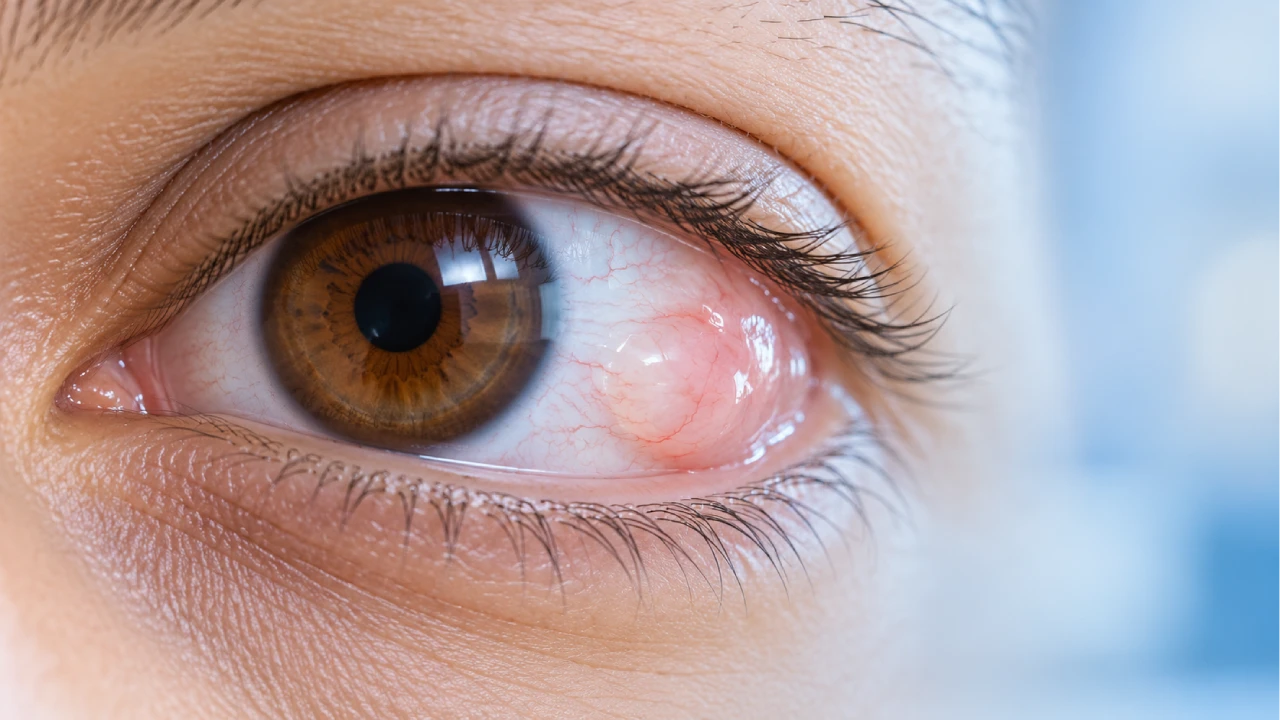
Noticing a clear, jelly-like swelling on the white of your eye can be unsettling. One possible explanation is conjunctival chemosis, which means swelling of the thin, transparent membrane covering the white of the eye. However, a small cyst or another surface change can look similar, so appearance alone cannot confirm the diagnosis.
Treatment depends on the cause and any accompanying symptoms. Eye pain, changes in vision, or difficulty closing the eye require prompt medical assessment.
What Is Jelly-Like Swelling on the White of the Eye?
The conjunctiva is a thin, clear membrane that covers the sclera—the white part of the eye—and lines the inside of the eyelids. When fluid collects within this membrane, it can become raised and swollen, creating a soft, blister-like or gelatinous appearance.
This means that what looks like swelling of the eye white may actually involve the membrane covering it rather than the sclera itself.
The swelling may affect a small area or extend across more of the eye’s surface. Redness, watering, or itching may occur alongside it. Although its appearance can help guide an examination, a mirror or phone photograph cannot reliably establish what is causing it.
When Does Eye Swelling Need Urgent Medical Attention?
The urgency depends on the symptoms accompanying the swelling. Seek urgent eye care if you experience:
- Eye pain, particularly if it is severe or worsening.
- Blurred or reduced vision, or significant sensitivity to light.
- Difficulty closing the eye completely.
- Severe swelling or swelling that increases rapidly.
- Fever with painful or restricted eye movement.
- A recent injury or a suspected foreign object in the eye.
- Pain or reduced vision following recent eye surgery.
Seek emergency care immediately if the swelling occurs with difficulty breathing, swelling of the lips or tongue, or feeling faint. These symptoms may indicate a severe allergic reaction.
If a chemical enters the eye, begin rinsing it immediately with clean running water and obtain emergency medical help. Do not wait for a routine appointment.
An absence of pain does not necessarily mean the swelling can be ignored, especially if it persists or keeps returning.
What Causes Jelly-Like Swelling on the White of the Eye?
Conjunctival swelling can develop in response to irritation, inflammation, or other conditions affecting the eye’s surface. When it started and which symptoms occur alongside it help the eye doctor identify the likely cause.
Eye Allergies and Repeated Rubbing
Eye allergies can cause itching, watering, redness, and conjunctival swelling. Symptoms may develop after exposure to triggers such as dust, pollen, or animal dander.
Rubbing can make the swelling worse by further irritating the eye’s surface. If a clear swelling appears after rubbing your eye, pressing or rubbing it again is unlikely to help.
Although itching may suggest an allergy, it does not confirm the diagnosis on its own.
Infectious Conjunctivitis
Swelling can occur as part of conjunctivitis, including infections caused by viruses or bacteria. Other symptoms may include redness, discharge, or eyelids that stick together.
These symptoms can overlap between different conditions. Discharge colour alone cannot reliably identify the cause or determine which eye drops are appropriate. Swelling also does not automatically mean that antibiotics are needed.
Irritants, Injuries, and Recent Eye Surgery
Smoke, dust, and certain chemicals can irritate the conjunctiva and cause swelling. An injury to the eye’s surface or a foreign object may also trigger it.
Chemosis can develop after some eye or eyelid procedures. If swelling appears after surgery, contact your surgeon and follow their instructions. Its significance depends on the procedure, when it began, and how severe it is; postoperative swelling should not automatically be assumed to be harmless.
Less Common Causes
Conjunctival swelling can sometimes be associated with thyroid eye disease or a reaction to a medicine or eye drop. These possibilities are considered according to your medical history and examination findings, particularly when swelling is recurrent or has no clear explanation.
Does Every Clear Bubble on the Eye Mean Chemosis?
No. People may describe different surface changes as a “water-filled cyst” or “jelly-like bubble,” even though these changes can have different causes.
Describing the location and appearance can help your eye doctor, but it cannot replace an examination.
| What you notice | What it may represent |
| A soft, raised layer over part of the eye white | Conjunctival swelling, or chemosis |
| A small, clearly defined bubble in one spot | A conjunctival cyst or another localised surface change |
| Puffiness in the eyelid skin or beneath the eye | Swelling in a different location from the conjunctiva |
Swelling on the eye’s surface differs from eyelid swelling and under-eye puffiness, although they can occur together.
Do not try to pop, drain, or move a bubble on the eye with an object. This can injure the eye’s surface or introduce infection.
How Does an Eye Doctor Diagnose the Cause?
Your eye doctor will ask when the swelling began, whether it appeared suddenly or gradually, whether it affects one or both eyes, and whether it returns after particular exposures.
They will also ask about itching, pain, discharge, and changes in vision, along with contact lens use, eye drops, recent injuries, and previous surgery.
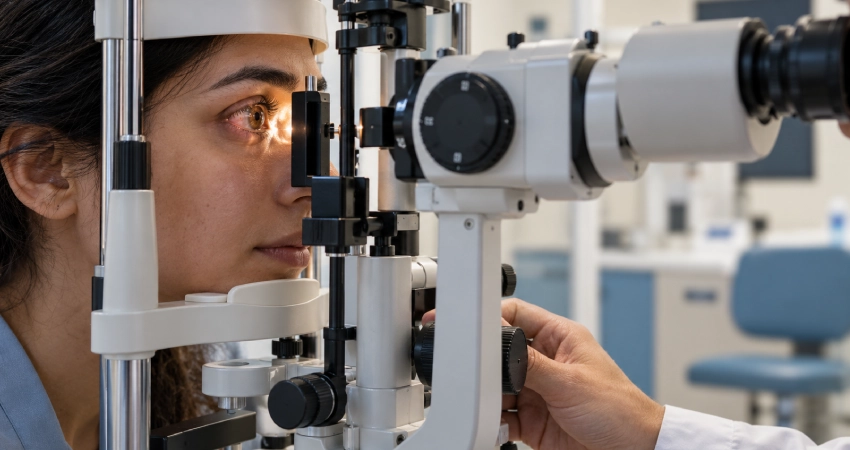
The examination generally includes checking your vision and inspecting the eye’s surface, conjunctiva, and eyelids. A slit lamp allows the doctor to examine these structures in detail. Additional tests are arranged only when the findings suggest they are needed.
Bring the names of any eye drops you use. If the swelling comes and goes, a photograph taken while it is visible may also be helpful, although it does not replace an in-person examination.
How Is Jelly-Like Swelling on the White of the Eye Treated?
There is no single eye drop that treats every cause of conjunctival swelling. Treatment focuses on addressing the underlying problem and protecting the eye’s surface while it recovers.
Relieving Irritation and Protecting the Eye
For mild swelling associated with allergies or irritation, the following measures may help:
- Avoid rubbing the eye or pressing on the swollen area.
- Stop wearing contact lenses while the eye is irritated, and seek advice before restarting them.
- Apply a clean, cool compress to the closed eyelid without pressure.
- Avoid known triggers where possible.
- Use lubricating eye drops when appropriate, following professional advice.
Do not apply ice directly to the eye. These measures may ease discomfort, but they do not treat every cause and should not delay assessment when warning signs are present.
Treating Allergies or Infection
If an allergy is responsible, your doctor may recommend allergy treatment suited to your symptoms and the condition of your eye’s surface.
If an infection is present, treatment depends on its cause. Antibiotics do not treat viral conjunctivitis or allergic inflammation.
Steroid eye drops should only be used under medical supervision. They can mask symptoms, worsen certain infections, and affect eye pressure.
Avoid sharing another person’s eye drops or reusing an old prescription simply because the swelling looks familiar. Similar appearances can have different causes.
Managing Swelling After Surgery or Injury
If swelling develops after an operation, contact the surgeon who performed it and follow the prescribed treatment and review schedule. Do not stop your medication or add new drops without advice.
After an injury, the appropriate care depends on what happened. Pain, changes in vision, or a suspected foreign object require urgent assessment rather than home treatment alone.
How Long Does the Swelling Last, and Can It Return?
Recovery time depends on the cause, the severity of the swelling, and the response to treatment. Some cases improve within days, while others take longer, particularly after certain procedures or when the underlying trigger remains present. There is no single recovery timeline that applies to everyone.
Swelling may return with repeated exposure to allergens, continued eye rubbing, or the use of an irritating product. If it repeatedly appears in the same location or develops without an obvious trigger, arrange an eye examination rather than repeatedly treating it yourself.
Seek reassessment if the swelling persists, worsens, or new symptoms develop. Do not wait for it to settle on its own if you experience pain or a change in vision.
Have Your Eye Swelling Assessed at Batal Eye Center in Jeddah
Choosing the right treatment starts with understanding what is causing the swelling. An eye examination can help distinguish conjunctival chemosis from a localised cyst or another surface change and guide the next steps in your care.
Book an eye examination at Batal Eye Center in Jeddah to assess the swelling and discuss treatment appropriate for your condition.