Med info
Eyebrow lift around the eye: Who is it suitable for?

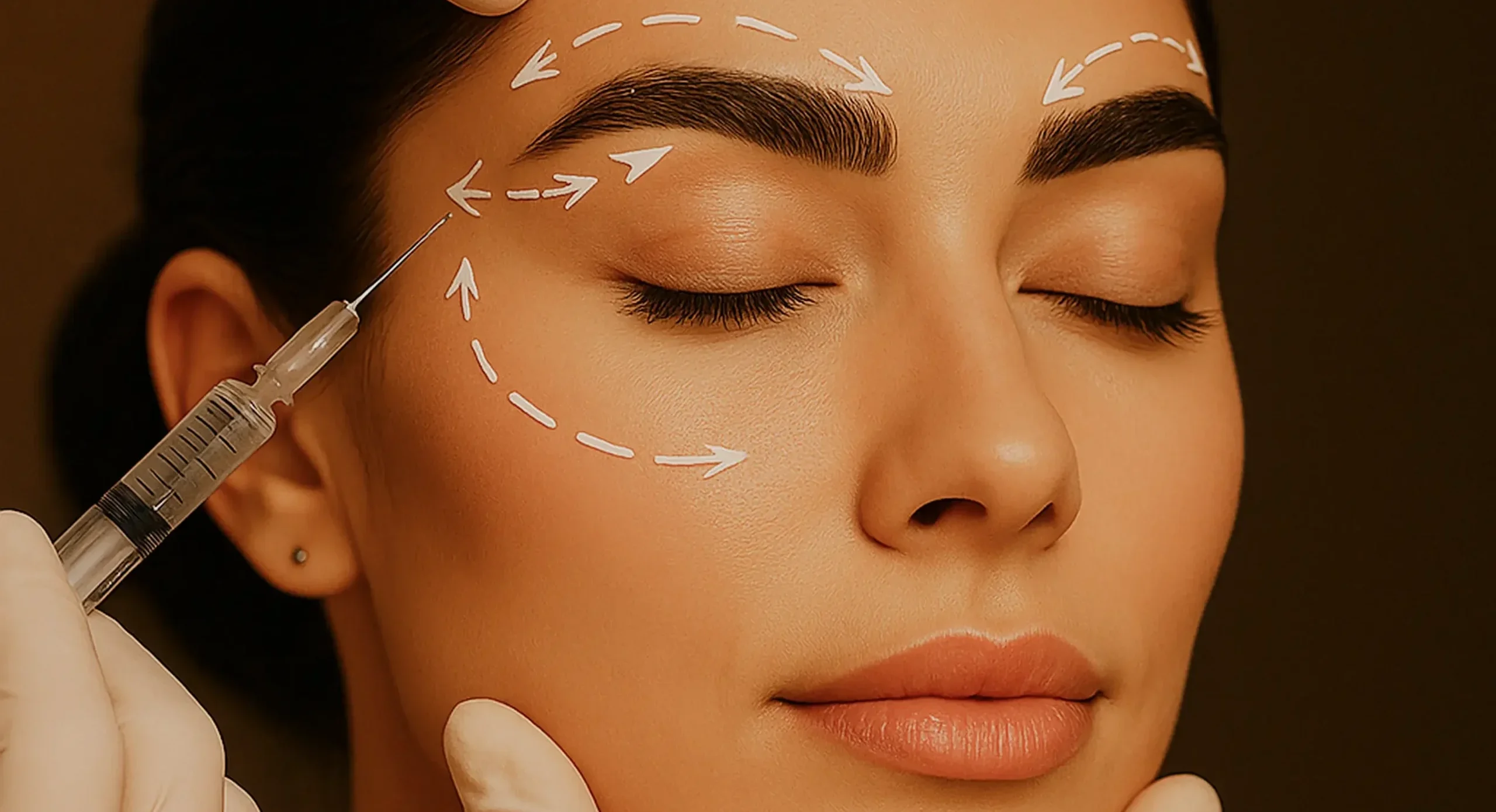
Overview of Periorbital Brow Lift
A periorbital brow lift is a cosmetic surgical procedure designed to enhance the appearance of the forehead and upper eye area by tightening the skin and elevating the eyebrows to a more youthful, harmonious position that better matches the overall facial features.
This procedure helps reduce brow ptosis (drooping eyebrows), soften horizontal forehead wrinkles, and minimize vertical frown lines between the eyebrows (glabellar lines), resulting in a fresher, more alert look around the eyes.
Brow lifting around the eye can be performed using several techniques, including traditional (open) brow lift, endoscopic brow lift, or thread lift, with the surgeon selecting the most appropriate method based on the patient’s anatomy, degree of sagging, and aesthetic goals.
Beyond its cosmetic benefits, a brow lift may also improve the visual field in some patients whose severely drooping brows and excess upper eyelid skin encroach on the upper eyelid and partially obstruct vision.
Many individuals search for information about periorbital brow lift to understand its benefits, expected results, procedural steps, and whether it is an appropriate solution for their specific concern. This overview serves as an initial guide to the nature of the procedure before consulting a qualified plastic or oculoplastic surgeon.
Who is a periorbital brow lift suitable for?
People with age‑related brow ptosis
Periorbital brow lift is suitable for individuals who have started to notice a gradual drooping of the eyebrows with age, leading to a smaller visible upper eyelid area and a heavier look around the eyes.
Over time, the skin loses elasticity and the ligaments and muscles that support the eyebrow weaken, causing the brow to descend from its natural position and sit closer to the eye.
In such cases, a brow lift can help restore the eyebrow to a more balanced level, open up the eye area, and improve the overall harmony of the upper face, while maintaining natural—not “frozen” or artificial—facial expressions.
People whose sagging brows create a tired or sad appearance
A periorbital brow lift is particularly suitable for people who look constantly tired or sad, even when they are well‑rested and getting enough sleep.
Excess skin above the eyes and a low‑lying brow can give the impression of fatigue or worry, even if this doesn’t reflect how the person actually feels.
In these cases, a brow lift can reduce this negative appearance by tightening and slightly elevating the area, giving the face a fresher, more relaxed expression, making the eyes look more open and reducing the persistent “sad look.”
Cases where brow droop affects vision
In some patients, a brow lift is not purely cosmetic but becomes functionally important when significant brow ptosis blocks part of the superior visual field.
If a patient notices difficulty fully opening their eyes, or finds themselves constantly raising their forehead or tilting their head back to see clearly, eyebrow descent may be one of the contributing factors.
In this situation, a plastic surgeon or oculoplastic surgeon can assess how much the drooping brow is affecting vision using specialized visual field tests. If a functional impact is confirmed, a brow lift—sometimes combined with an upper blepharoplasty (upper eyelid lift)—may be recommended to improve both vision and appearance.
People with prominent forehead lines and wrinkles
Individuals with deep horizontal forehead lines or frown lines (glabellar lines) between the eyebrows, caused by continuously lifting the forehead to compensate for low brows, may be good candidates for a brow lift.
Overusing the frontalis muscle to overcome brow droop, over time, deepens forehead wrinkles and can make a person look older.
A brow lift can reduce the need for constant voluntary elevation of the forehead, easing the strain on these muscles and potentially softening visible wrinkles. It may also enhance and stabilize the results of other treatments such as botulinum toxin (Botox) injections, making them look more natural.
People seeking a younger, more refreshed appearance
A periorbital brow lift is suitable for anyone looking to restore a more youthful, refreshed look in the upper third of the face, especially when the eye area appears older than the rest of the facial features.
The impact of the procedure is not limited to the eyebrow itself; it also affects the shape of the eye, the upper eyelid contour, and facial expressions in general, resulting in a more alert and lively gaze.
Brow lift surgery is a good option for those seeking longer‑lasting results than temporary injectables can provide, provided they have realistic expectations and plan carefully with their surgeon to achieve a natural, non‑exaggerated outcome.
Medical and aesthetic indications for brow lift
Periorbital brow lift is often indicated in situations that combine cosmetic and sometimes medical motivations.
From an aesthetic perspective, it is performed to address tissue laxity, brow ptosis, forehead wrinkles, and the “frowning” or “angry” look between the eyebrows.
From a medical standpoint, it may be advised when brow descent contributes to narrowing of the visual field or causes headaches due to chronic overuse of the forehead muscles to keep the brows elevated throughout the day.
The clinical assessment includes evaluating brow position, skin quality, muscular strength around the eyes and forehead, and the impact of the problem on both visual function and appearance. This helps determine whether a brow lift alone is appropriate or whether it should be combined with other procedures such as upper eyelid surgery (blepharoplasty).
Appropriate age, general health, and skin condition
Periorbital brow lift is generally suitable for individuals in their mid‑thirties and older, when tissue laxity and loss of elasticity become more evident. However, it can be considered at a younger age in cases of hereditary brow ptosis or marked asymmetry between the two brows.
Candidates should be in good overall health, without uncontrolled conditions such as poorly managed hypertension, bleeding disorders, or severe problems with wound healing.
Skin type is also taken into account: very thick or oily skin may require specific techniques, while thin, delicate skin requires special care to minimize the risk of visible scarring.
It is equally important that patients have realistic expectations and understand that a brow lift improves the appearance of the eye area but does not halt the aging process. Rather, it softens its visible effects and rejuvenates the upper frame of the eyes.
Who Might Not Be a Good Candidate for Periorbital Brow Lift?
Medical conditions that may contraindicate the procedure
Certain health conditions can make a brow lift around the eyes unsuitable or significantly higher risk.
Patients with uncontrolled hypertension, unstable heart disease, or a recent history of thromboembolic events are more likely to face complications during surgery or anesthesia.
Likewise, individuals with poorly controlled diabetes or severe immunosuppression may experience impaired wound healing, which increases the risk of infection and delayed recovery after a periorbital brow lift.
For these reasons, plastic surgeons place great emphasis on evaluating overall health status, and may request reports from a cardiologist or internal medicine specialist before deciding whether a brow lift around the eyes is appropriate.
Patients with impaired wound healing or bleeding disorders
People who are clearly poor candidates for a periorbital brow lift include those with coagulation disorders or significant wound-healing problems.
Patients with hemophilia, or those on high-dose anticoagulants (such as warfarin) or certain antiplatelet agents, have a higher risk of excessive bleeding and pronounced bruising during and after a brow lift.
Similarly, patients with a history of hypertrophic scars or keloids, or chronically slow wound healing, may not achieve a satisfactory cosmetic outcome in the eye area after surgery.
In such cases, the physician may recommend adjusting medication dosages under the supervision of the treating doctor, or considering non-surgical alternatives to lifting the brow around the eyes.
Smokers and the impact of smoking on outcomes
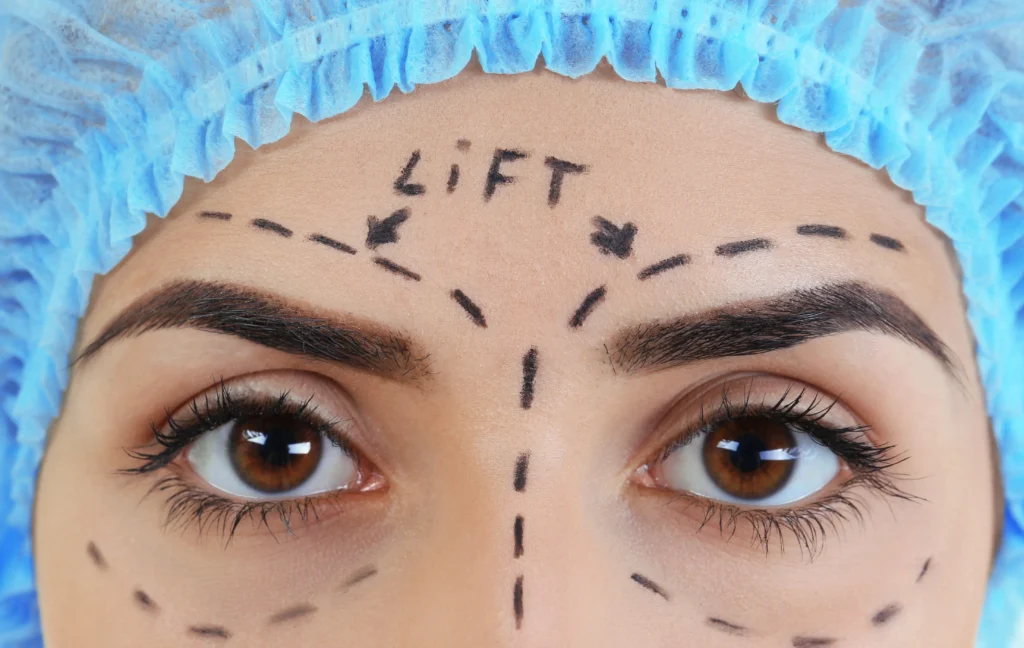
Smoking is one of the most important factors that can make some individuals unsuitable candidates for a brow lift around the eyes.
Nicotine reduces blood flow to the skin, impairs wound healing, increases the risk of infection, and exacerbates postoperative swelling and bruising.
Smokers are also more likely to develop more visible scarring and experience delayed recovery, which negatively affects the final aesthetic outcome of the brow lift.
Therefore, many surgeons require patients to stop smoking for a specified period before and after a periorbital brow lift, and may decline to perform the procedure if the patient does not comply, to protect both safety and results.
Unrealistic expectations or body image–related psychological disorders
Not everyone who desires a brow lift around the eyes is psychologically suited for the procedure.
Individuals with body dysmorphic disorder, or those who fixate excessively on very minor perceived flaws, may remain dissatisfied regardless of how technically successful the surgery is.
Patients who tie their entire sense of happiness to the appearance of their brows or eye area, or expect a brow lift to radically transform their social or romantic life, are often not good candidates for surgery.
In such situations, the surgeon may recommend psychological evaluation or counseling before considering a cosmetic procedure such as a periorbital brow lift, to ensure emotional stability and foster realistic satisfaction with the outcome.
When might the doctor recommend postponing the procedure?
A person may be a suitable candidate for a brow lift around the eyes in general, yet the surgeon may still advise postponing the procedure.
This is common when there are active skin infections around the eyes or on the scalp, or in the case of recent severe sunburn affecting the forehead region.
Postponement is also recommended after major surgeries, or immediately following pregnancy and childbirth, until overall health, hormonal balance, and general physical stability have normalized.
The surgeon may additionally ask to delay surgery until blood pressure or diabetes is brought under control, or until the patient has been smoke-free for a sufficient period.
In these situations, postponing the procedure is in the patient’s best interest, to achieve the best possible outcome and minimize the risk of complications after a brow lift around the eyes.
Types of Periorbital Brow Lift
Traditional Surgical Brow Lift
The traditional surgical brow lift is one of the oldest and most effective brow-lifting techniques for patients with marked brow descent and significant excess skin in the upper eyelid area.
A long surgical incision is made, usually hidden within the scalp, through which the skin and underlying tissues are tightened and the brow is repositioned to a more youthful, harmonious level relative to the eyes.
This approach suits patients seeking long‑lasting, noticeably lifted results and who are comfortable with a longer recovery period compared with non‑surgical options.
It is generally a suitable choice for older patients or those with advanced drooping that cannot be adequately corrected with Botox, threads, or fillers alone.
Endoscopic Brow Lift
The endoscopic brow lift is a less invasive evolution of the traditional brow lift. It uses a small endoscope inserted through several tiny incisions in the scalp to elevate and reposition the brow tissues in a controlled, precise manner.
This technique helps minimize scarring and downtime while maintaining very natural results and improving horizontal lines between the forehead and eyebrows.
An endoscopic brow lift is ideal for patients with mild to moderate brow ptosis and prominent expression lines who want a semi‑permanent solution with less invasive surgery.
Trichophytic Brow Lift Technique
The trichophytic brow lift technique places the incision right along the hairline so that new hair grows through the scar, rendering it almost invisible over time.
This method is used when lifting the brow and correcting forehead laxity are needed, while preserving a natural hairline without noticeable recession.
It is particularly suitable for patients with a high forehead or those concerned about visible scarring, as it provides brow elevation with a more refined cosmetic outcome in the forehead and hairline region.
Direct or Lateral Brow Lift
A direct or lateral brow lift targets a specific segment of the eyebrow and is often used to elevate the outer third of the brow (the “tail”) or to correct asymmetry between the two brows.
It is performed through a small incision placed directly above or just lateral to the eyebrow, allowing very precise tightening of the skin in the targeted peri‑orbital area.
This option is preferred in selected cases, such as marked asymmetry between brow heights, or in older patients with localized drooping who do not require a full forehead lift.
Brow Lift with Botox
A Botox brow lift is one of the most common non‑surgical brow‑elevating techniques. Carefully measured doses of botulinum toxin are injected into specific forehead and peri‑orbital muscles.
Botox relaxes the muscles that pull the brow downward, allowing the elevator muscles to lift the brow slightly and create a more open, refreshed eye appearance.
This approach is suitable for younger patients or those with mild brow descent and dynamic wrinkles who prefer a temporary, adjustable solution without surgery.
Results usually last around 4–6 months and require repeat treatments to maintain the lifting effect.
Brow Lift with PDO Threads
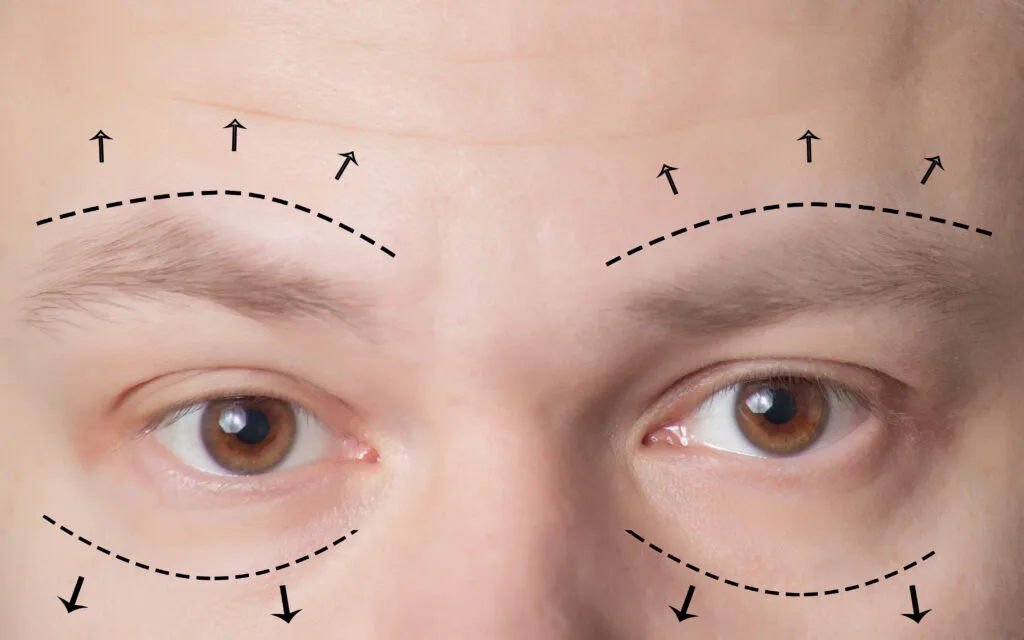
A PDO thread brow lift is a minimally invasive technique in which absorbable threads are placed under the skin to reposition and support the tissues, lifting the brow upward and slightly outward.
It provides an immediate lifting effect to the eye area and the brow tail, while also stimulating collagen production over time to improve skin quality.
This method is suitable for patients with mild to moderate drooping who want longer‑lasting results than Botox but are not ready for full surgery.
Results typically last between 9 and 18 months, depending on the type of threads used, skin condition, and post‑procedure care.
Fillers and Peri‑Orbital Lifting Techniques
Using dermal fillers to elevate the brow involves injecting volumizing substances such as hyaluronic acid into strategic points above the brow or in the temple region to support and indirectly lift the brow complex.
Fillers can restore volume and soften the appearance of mild brow descent, especially when sagging is mainly due to volume loss rather than significant skin laxity.
They are often combined with other modalities such as Botox, threads, or skin‑tightening devices to achieve a more balanced and natural rejuvenation around the eyes.
RF, Ultherapy, and Non‑Surgical Skin‑Tightening
Radiofrequency (RF) treatments, Ultherapy (focused ultrasound), and other non‑surgical skin‑tightening technologies are suitable for patients seeking mild to moderate brow elevation without injections or surgery.
These modalities work by delivering controlled heat to the deeper layers of the skin, stimulating collagen remodeling, which gradually tightens the skin around the eyes and gently lifts the brow over the following months.
Such treatments are ideal for early stages of brow ptosis or as adjunctive maintenance after surgery or Botox to prolong results.
Improvements are gradual and may require multiple sessions, with the advantage of virtually no downtime.
Potential Risks and Complications After Brow Lift Surgery
Although a brow lift around the eye area is generally considered a relatively safe procedure when performed by a board‑certified plastic surgeon, there are some potential risks and complications that should be understood before making a decision.
In the first few days, swelling and bruising may appear around the eyes and forehead, along with temporary numbness or tingling in the forehead due to irritation of superficial sensory nerves. These symptoms usually improve gradually as the tissues heal.
In rare cases, asymmetry between the two eyebrows may occur, or the brow may be lifted more than desired, resulting in an unnatural look. In such situations, a secondary corrective procedure may be required.
Infection, subcutaneous bleeding (hematoma), or delayed wound healing can also occur, particularly in smokers and patients with diabetes. For this reason, it is essential to follow your surgeon’s pre‑ and postoperative instructions carefully in order to reduce these risks.
Less commonly, patients may experience eye irritation or dryness caused by subtle changes in the position of the upper eyelid. In very rare cases, there may be temporary weakness in brow movement if one of the motor nerves supplying the forehead muscles is affected.
Choosing a qualified plastic surgeon, undergoing a thorough medical evaluation, and adhering strictly to the recommended recovery period are key factors that significantly reduce the likelihood of complications after a brow lift and help achieve natural‑looking, safe results.
Best Brow Lift Surgeon in Jeddah – Dr. Tareq Al-Najjar (Eye Area Focus)
Dr. Tareq Al-Najjar is considered one of the leading surgeons in Jeddah for brow lift procedures around the eye area, especially for patients who suffer from brow ptosis, excess upper eyelid skin, or a permanently tired or sad appearance despite being in good health.
With meticulous surgical expertise and an aesthetic understanding of the forehead and periorbital region, Dr. Al-Najjar carefully evaluates each case to determine whether a brow lift is the most appropriate option, or if the patient would benefit more from complementary procedures such as upper blepharoplasty (upper eyelid lift) or non-surgical treatments.
Dr. Tareq focuses on achieving natural-looking results that preserve facial expressions while restoring a more youthful and refreshed appearance, without exaggeration. He provides a clear explanation of all stages of the procedure, expected recovery time, and potential risks, ensuring patient safety and informed decision-making.
If you are looking for the best brow lift doctor in Jeddah who can accurately assess your condition, offer an honest consultation, and design a personalized treatment plan, then Dr. Tareq Al-Najjar’s experience and scientific background make him a trusted choice for candidates suitable for this cosmetic procedure.
Book Your Periorbital Brow Lift Consultation at Batal Eye Specialty Center
If you suffer from brow drooping or heaviness of the upper eyelid that affects the appearance of your eyes or your visual field, you can book a periorbital brow lift consultation at Batal Eye Specialty Center with our team of experienced oculoplastic (ophthalmic plastic) surgery consultants.
During the initial consultation, your brow and eyelids are thoroughly evaluated, and the extent to which the sagging affects vision and eye function is carefully assessed. The most suitable brow-lift techniques are then discussed for your specific case, whether the goal is cosmetic, functional, or both.
Our doctors make sure to explain the expected results, recovery period, and potential risks in clear and simple language, and they design a tailored treatment plan that takes into account your age, skin type, and degree of drooping.
Booking a brow lift consultation at Batal Eye Specialty Center helps you make an informed medical decision based on a specialist assessment, with strict adherence to the highest standards of patient safety and outcomes that look natural while preserving your facial expressions.
You can contact the appointments department at the center to schedule your periorbital brow lift consultation at the time that suits you best and to receive accurate answers to all your questions before proceeding with the procedure.