
Med info
How do we prepare for our first visit to a pediatric ophthalmologist in Jeddah?

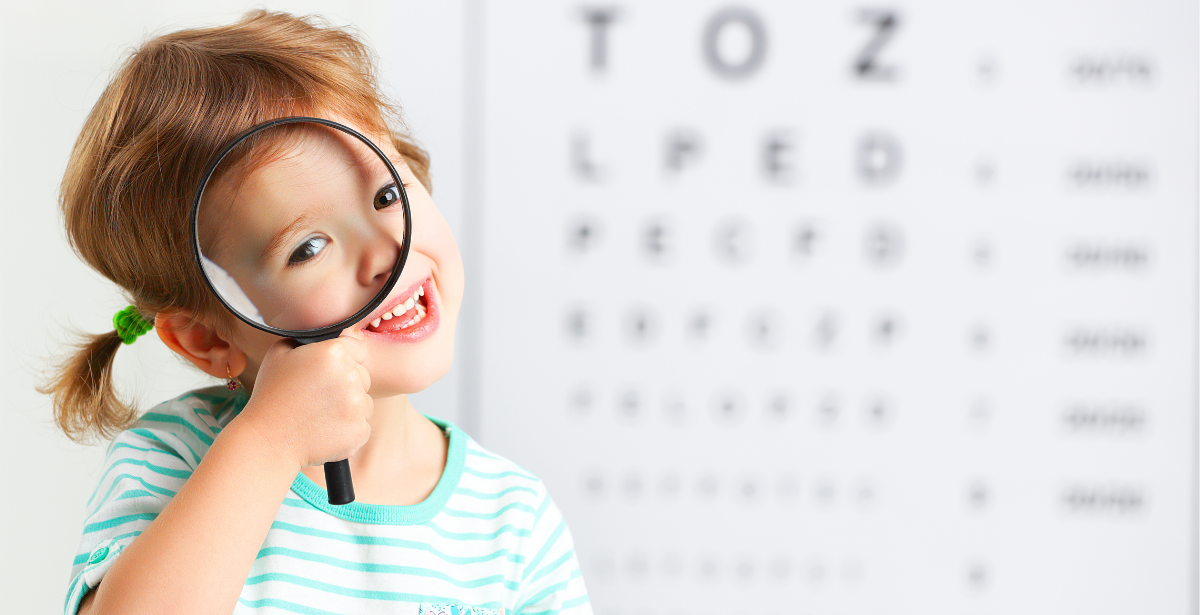
When should a child have their first visit to a pediatric ophthalmologist?
The first contact with eye care should start very early. In most cases, a newborn’s eyes are initially examined right after birth by the pediatrician to rule out congenital abnormalities or eye infections.
According to medical guidelines, a comprehensive eye examination is recommended between 6 and 12 months of age. Vision and eye movements should then be reassessed before school age, usually between 3 and 4 years, especially if there is a family history of refractive errors, strabismus (eye misalignment), or amblyopia (lazy eye).
An appointment with a pediatric ophthalmologist becomes urgent at any age if worrying signs appear, such as persistent strabismus, abnormal head posture to see better, sitting too close to the TV or holding books very close to the face, or continuous tearing and recurrent redness of the eyes.
Scheduling the first pediatric eye exam at the appropriate time helps detect and treat vision problems early, before they interfere with the child’s academic progress or long‑term visual development.
Why is the first visit to a pediatric ophthalmologist so important?
Early Detection of Strabismus and Amblyopia
A child’s first visit to a pediatric ophthalmologist is critically important, as it represents a golden opportunity to detect strabismus (eye misalignment) and amblyopia (lazy eye) before parents notice any obvious problem.
Through a comprehensive eye examination, the pediatric ophthalmologist can identify any deviation in eye alignment or reduced vision in one eye, which may gradually lead to amblyopia if left untreated.
Early treatment of strabismus and amblyopia in early childhood greatly increases the chances of restoring proper vision and supporting healthy visual development.
For this reason, the first visit to a pediatric eye specialist is considered a key preventive step to protect the child’s eyesight and avoid complications that could become permanent if diagnosis is delayed.
Identifying Vision Problems Before Starting School
Before a child starts school, a first visit to a pediatric ophthalmologist is essential to confirm that their vision is healthy and that they are visually ready to learn and participate in daily activities.
Some children may have myopia (short‑sightedness), hyperopia (long‑sightedness), or astigmatism without complaining directly, which can affect their ability to concentrate and to see the board or read books clearly.
Conducting an eye examination before school entry helps detect these refractive errors and correct them with appropriate eyeglasses, preparing the child to begin schooling with confidence and adequate visual ability.
In this way, the first visit to a pediatric eye doctor becomes an important investment in the child’s academic success and long‑term visual health.
How Eye Health Impacts Learning and Visual Development
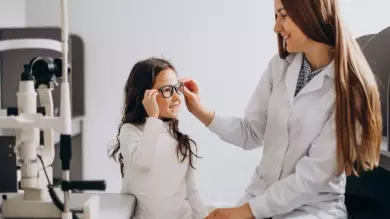
The importance of the first visit to a pediatric ophthalmologist is closely linked to the impact of eye health on a child’s learning and visual development.
Children rely heavily on their vision to acquire fundamental skills such as recognizing shapes and colors, learning to read and write, and following explanations in the classroom.
Any eye problem, such as uncorrected visual impairment or strabismus, may lead to learning difficulties, poor attention, or delays in visual and cognitive development.
Through this initial visit, the pediatric ophthalmologist can assess the child’s visual function early on and correct any issues that might interfere with learning, visual growth, and cognitive development, helping ensure a healthy and well‑supported start to their educational journey.
How to Prepare Your Child for Their First Eye Doctor Visit
Preparing your child emotionally and behaviorally before their first pediatric eye exam helps ensure more accurate results and a more comfortable experience for both of you.
Start by explaining in simple, age‑appropriate language that the eye doctor will “look at your eyes and make sure you can see well,” and that it doesn’t hurt. You can watch a short introductory video together or read a story about visiting the eye doctor to ease any anxiety.
Let your child know in advance about the basic steps of the exam, such as looking at pictures or illuminated letters, or having eye drops put in, while reassuring them that any discomfort will be brief and temporary.
Schedule the appointment at a time when your child is usually rested, not tired or hungry, and make sure to bring any previous medical reports, older glasses, or prescriptions if available.
Bringing a favorite toy or book can help distract them in the waiting room, and comfortable clothing will make it easier for them to relax.
Avoid using the eye doctor as a threat or source of fear. Instead, use calm, reassuring phrases that build their confidence and encourage them to ask questions. The more secure and cooperative your child feels, the more successful the pediatric eye exam will be—and the better it will support their long‑term eye health.
What happens during a child’s first visit to the pediatric ophthalmologist?
External Eye Examination and Pupil Light Reflex
During a child’s first visit to the pediatric ophthalmologist, the exam usually begins with an assessment of the external structures of the eye, including the eyelids, cornea, and conjunctiva, to rule out any inflammations or congenital abnormalities.
The ophthalmologist then uses a small light to test how each pupil responds to light, observing the degree of constriction and dilation in each eye separately.
This simple test helps in the early detection of problems involving the optic nerve or visual pathways in the brain and is considered a key step in evaluating the child’s overall eye health during the initial visit.
Assessment of Eye Movements and Alignment
At the first pediatric eye visit, the doctor evaluates eye movements in all directions by asking the child to follow a shiny object or an engaging toy.
The ophthalmologist observes whether both eyes move together in a coordinated way and checks for any obvious or subtle strabismus (eye misalignment) or weakness in one of the extraocular muscles.
This assessment is crucial for early detection of strabismus and other alignment disorders, since treating them in childhood greatly improves the chances of developing normal binocular vision and helps prevent amblyopia (lazy eye).
Age-Appropriate Visual Acuity Testing
During the initial examination, the pediatric ophthalmologist measures the child’s visual acuity using methods appropriate to the child’s age and level of cooperation.
The doctor may use specialized charts with pictures or symbols instead of letters for younger children, or may observe how the child focuses on objects and tracks toys or images with their eyes.
Visual acuity testing helps identify reduced vision, myopia (nearsightedness), hyperopia (farsightedness), and astigmatism, and guides decisions on whether the child needs corrective glasses or scheduled follow‑up.
When Are Dilating Eye Drops Used?
During the first pediatric eye visit, the ophthalmologist may decide to use pupil‑dilating eye drops if a detailed examination of the fundus (back of the eye) is needed, or to accurately measure the child’s refractive error in order to prescribe the most suitable glasses.
These drops temporarily relax the eye’s focusing (accommodative) muscles and dilate the pupil, allowing a clearer view of the optic nerve and retina and helping uncover any hidden problems.
The ophthalmologist explains to the parents why the drops are being used and how long their effect is expected to last, and clarifies that temporary blurred vision and increased sensitivity to light after the exam are normal side effects that usually resolve within a few hours.
Best Pediatric Ophthalmologist in Jeddah
Dr. Mohammed Jade – Expertise in Pediatric Ophthalmology and Eye Surgery
Dr. Mohammed Jade is considered one of the leading pediatric ophthalmologists in Jeddah, particularly when it comes to managing complex eye conditions in children.
He has extensive experience in pediatric ophthalmology and eye surgery, making him a reassuring choice for parents bringing their child for a first eye examination to ensure early, accurate diagnosis and treatment of visual problems.
His approach combines solid clinical expertise with a calm, child-friendly manner, which helps complete the required examinations without causing stress or fear for the child.
Dr. Jade relies on the latest technologies to diagnose strabismus, amblyopia, and refractive errors in children, in addition to his proficiency in performing delicate surgical procedures when indicated.
Choosing to consult a specialist like Dr. Mohammed Jade at your child’s first visit can save a great deal of time and anxiety, and helps establish a clear treatment plan that safeguards your child’s vision in the long term.
Book Your Child’s First Pediatric Eye Exam at Batal Specialist Eye Center
When you book your child’s first appointment with a pediatric ophthalmologist at Batal Specialist Eye Center, you ensure a precise and comprehensive evaluation of their eyes using the latest clinically approved diagnostic equipment and technologies.
Our center is staffed with pediatric ophthalmology specialists experienced in diagnosing refractive errors, strabismus (eye misalignment), amblyopia (lazy eye), and early vision problems. We pay special attention to creating a child‑friendly environment that helps reduce anxiety for both the child and the parents.
You can schedule your child’s first pediatric eye exam easily by phone or through online booking, choosing the most convenient time for your family and receiving clear instructions on how to prepare your child for the initial assessment.
The reception and nursing teams at Batal Specialist Eye Center will support you through each step of the booking process, explain the follow‑up plan after the first visit, and outline regular review schedules to help protect your child’s vision over the long term.