Med info
Are multifocal lens implants right for you? Your guide to making the right decision before surgery

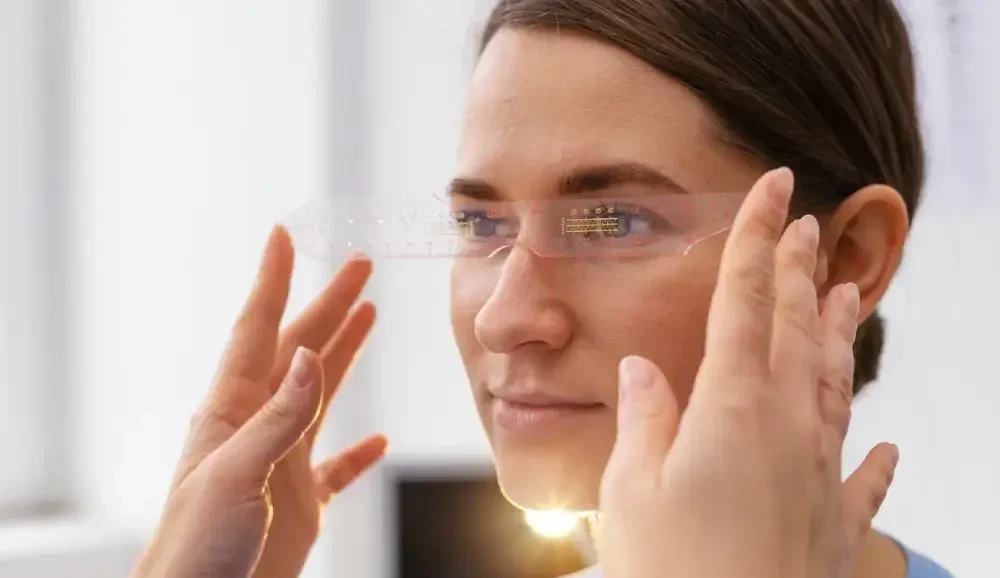
What Are Multifocal Lenses?

Multifocal intraocular lenses (IOLs) are lenses implanted inside the eye during cataract surgery or as a refractive solution to correct vision. They are specially designed to provide clear vision at multiple distances—far, intermediate, and near—thereby reducing or even eliminating the need for glasses after surgery.
These lenses rely on advanced optical technology that distributes incoming light into different focal points, allowing the eye to focus on distant objects such as road signs while driving, intermediate distances such as a computer screen, and near tasks such as reading.
Multifocal IOLs are considered an advanced option for people who want to be less dependent on reading glasses after cataract surgery, or who wish to correct age‑related refractive errors like presbyopia. They can significantly enhance quality of life and functional vision in day‑to‑day activities.
The choice of a suitable multifocal lens depends on the condition of the eye, the patient’s lifestyle, and the degree of myopia, hyperopia, and astigmatism. A detailed assessment by a specialist ophthalmologist is essential to determine whether multifocal IOLs are appropriate before proceeding with implantation.
How Do Multifocal Intraocular Lenses Work?
Multifocal intraocular lenses (IOLs) are designed to split incoming light into different focal zones, allowing the eye to focus clearly at far, intermediate, and near distances after removal of the natural lens affected by cataract or age‑related lens changes (presbyopia).
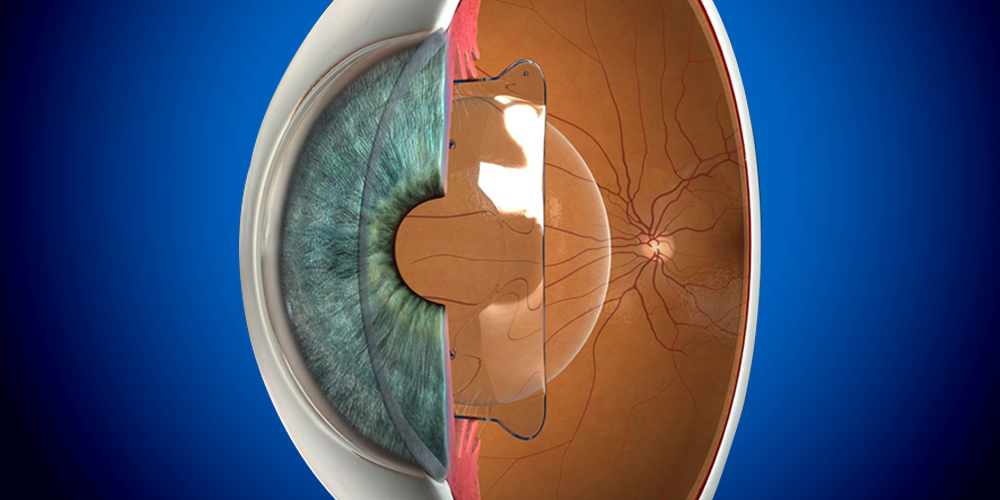
These lenses are implanted during a minimally invasive procedure through a microscopic incision in the cornea. The multifocal IOL is then precisely positioned in place of the natural lens, behind the pupil, and functions as a permanent artificial lens that does not require maintenance.
Multifocal IOLs incorporate concentric rings or specialized optical zones based on advanced optical technology that redistributes light to multiple focal points. This reduces the patient’s dependence on glasses after surgery, particularly for tasks such as reading, using a smartphone, and driving.
The effectiveness of multifocal intraocular lenses depends heavily on choosing the appropriate lens type based on corneal status, the degree of astigmatism, and the patient’s daily visual needs. For this reason, a thorough ophthalmic evaluation by a specialist is essential before deciding on multifocal IOL implantation.
This technology is considered one of the most advanced options for permanent vision correction, offering a broad range of clear vision, improving quality of life, and significantly decreasing the need for glasses after cataract surgery.
Who is a good candidate for these lenses?
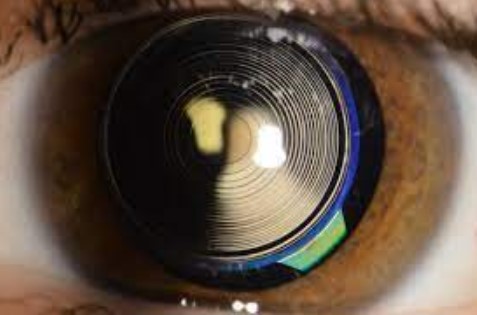
Multifocal lens implants are an excellent option for people with vision problems caused by cataracts or presbyopia who wish to reduce their dependence on glasses for distance, intermediate, and near vision as much as possible.
They are generally suitable for individuals over the age of forty who are in good general health and do not suffer from serious eye conditions such as advanced glaucoma, macular degeneration, or severe retinal disease.
Ideally, the candidate should have a stable glasses prescription, no significant dry eye disease, and no irregular corneal astigmatism. It is also important to have realistic expectations about the outcome: multifocal intraocular lenses can significantly improve day‑to‑day visual function — such as driving, reading, and using the computer — without constant need for spectacles, but they may not be the best choice for people who spend long hours driving at night or who require extremely sharp vision in dim lighting.
For this reason, the ophthalmologist determines whether multifocal intraocular lens implantation is appropriate on a case‑by‑case basis, after a comprehensive eye examination and an assessment of the patient’s lifestyle and visual needs.
Who Is Not a Good Candidate?
Multifocal intraocular lenses are not suitable for every patient. In some situations, a monofocal lens or other vision‑correction options are safer and more effective.
In general, multifocal lenses are not recommended for patients with advanced corneal disease such as keratoconus or visually significant corneal opacities, as well as those with advanced diabetic retinopathy, age‑related macular degeneration, or optic nerve damage, because the quality of vision is unlikely to improve as expected.
They are also usually avoided in patients with severe, uncontrolled dry eye disease, unstable corneal measurements, or a history of complex eye surgeries.
Multifocal lenses may likewise be a poor choice for people who drive extensively at night or who are particularly bothered by glare and halos around lights, since these visual phenomena can be more pronounced with multifocal implants.
An ophthalmologist evaluates each case individually—considering a detailed clinical examination, corneal thickness and stability, retinal and optic nerve health, as well as the patient’s lifestyle—to determine whether multifocal intraocular lenses are a safe and appropriate option to achieve the best possible visual quality.
Advantages of Multifocal Intraocular Lenses (IOLs) in Line with Research Intent
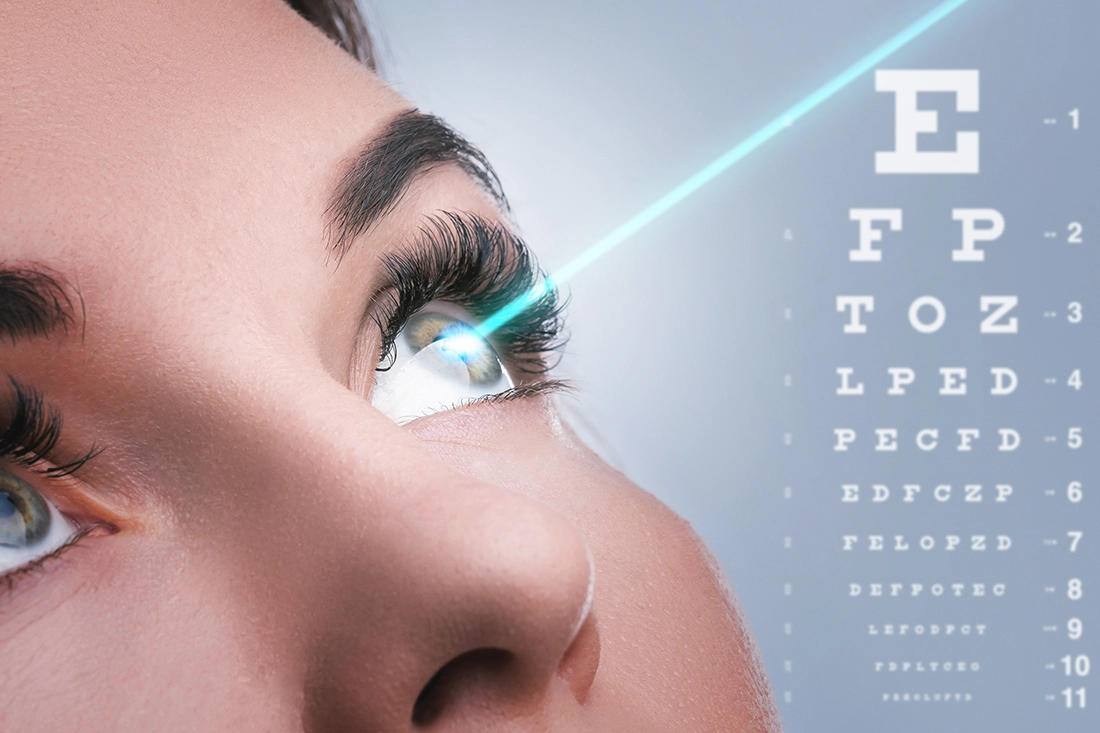
Multifocal intraocular lens implantation provides patients with clear vision at multiple distances simultaneously—far (such as driving), intermediate (such as computer work), and near (such as reading)—which significantly reduces dependence on glasses after surgery.
These lenses are considered an advanced option in cataract surgery and in vision correction after the age of forty, as they help address conditions such as presbyopia while improving visual quality under good lighting conditions.
Multifocal IOLs are designed with precise optical technology that distributes light across more than one focal point, creating a balance between visual clarity and the patient’s independence from glasses in most daily activities.
With the continuous development of intraocular lens implantation techniques, multifocal lenses have become safer and more effective, offering stable long-term visual outcomes. This has made them a popular choice for individuals seeking a comprehensive and long-lasting solution to age-related vision problems.
Disadvantages of Multifocal IOLs — What You Need to Know Before Deciding (Aligned With Search Intent)
Before choosing multifocal intraocular lenses (IOLs), it’s essential to clearly understand their potential drawbacks so you can make a decision that fits your lifestyle and visual expectations.
Some patients experience halos and glare around lights, particularly when driving at night. This can be bothersome during the first few weeks or months after surgery.
In addition, there may be a slight reduction in contrast sensitivity in some cases, meaning it can become more difficult to distinguish fine details in low-light conditions compared with monofocal lenses.
Another drawback of multifocal lenses is the need for neuroadaptation, where the brain takes time to adjust to the new visual system. During this period, you may feel some temporary discomfort or mild visual disturbance.
For certain occupations or activities that require very precise night vision or extremely fine visual detail, multifocal IOLs may not be the ideal option.
Moreover, multifocal IOLs are generally more expensive than conventional lenses, and in many cases, they are not covered by health insurance.
It is therefore important to discuss your medical history, the severity of dry eye, and any retinal or corneal diseases with your ophthalmologist. Conditions such as diabetic retinopathy or keratoconus can reduce the effectiveness of multifocal lenses and make their drawbacks more noticeable.
Understanding these points will help you weigh the pros and cons and choose the most suitable type of IOL before proceeding with multifocal lens implantation.
Are the results guaranteed for everyone?
The outcomes of multifocal intraocular lens (IOL) implantation cannot be guaranteed 100% for every patient. The success of the procedure depends on several factors, including overall ocular health, the severity of the cataract, and the presence of other eye conditions such as dry eye disease, retinal disorders, or elevated intraocular pressure (glaucoma risk).
Although multifocal IOLs are designed to improve both near and distance vision and to reduce dependence on glasses, some patients may initially experience visual phenomena such as glare from lights at night or halos around light sources. These symptoms often lessen over time as the brain adapts to the new way of processing visual information (neuroadaptation).
An ophthalmologist will assess whether multifocal lenses are suitable on a case‑by‑case basis through a comprehensive eye examination and precise measurements to determine the most appropriate lens type and to set realistic expectations for the visual outcome.
In summary, multifocal IOL implantation is considered a safe and effective option for many appropriately selected patients, but it is not the ideal choice for everyone. It is essential to discuss expectations, potential side effects, and likely results with your eye surgeon before making a final decision.
The best multifocal lens implantation specialist in Jeddah
Precision in Pre-Operative Eye Assessment for Lens Implantation with Dr. Issa BaAissa
Dr. Issa BaAissa places great emphasis on the pre-operative assessment phase before implanting multifocal intraocular lenses, as it is the cornerstone for selecting the most suitable lens for each patient.
A comprehensive evaluation is performed, including corneal power assessment, axial length measurement, detailed corneal surface analysis, in addition to thorough examination of the retina and optic nerve.
This advanced level of evaluation ensures the selection of a multifocal lens that matches the patient’s lifestyle and reduces the likelihood of needing glasses after surgery.
For this reason, many patients seeking the best doctor for multifocal lens implantation in Jeddah look for this degree of diagnostic accuracy—one of the key features of Dr. BaAissa’s expertise.
Why Choose Batal Specialized Eye Center for Multifocal Lens Implantation?
Use of Advanced Diagnostic Devices to Determine the Optimal Lens
In the field of multifocal intraocular lens implantation, Dr. Issa BaAissa relies on state-of-the-art ophthalmic diagnostic systems, such as optical biometers for precise axial length measurement and 3D corneal topography and tomography devices.
These high-precision tools help determine the appropriate lens power and design according to the degree of astigmatism, pupil size, and corneal status.
The use of such advanced technologies contributes to excellent visual outcomes and minimizes residual refractive errors after surgery, making him a preferred choice for patients searching for the best multifocal lens surgeon in Jeddah.
Selecting a Multifocal Lens That Matches Your Daily Lifestyle
Dr. Issa BaAissa does not rely solely on clinical measurements; he also takes time to discuss the patient’s lifestyle in detail—what kind of work they do, whether they use computers for prolonged periods, if they frequently drive at night, and whether they spend many hours reading.
Based on this information, he recommends the most suitable type of multifocal lens, whether optimized more for intermediate vision, distance vision, or a balanced performance at near, intermediate, and far.
This level of customization leads to higher visual satisfaction and ensures that the surgical result aligns with the patient’s daily visual demands—another reason he is regarded as one of the leading specialists in multifocal lens implantation in Jeddah.
Expertise in Managing High Astigmatism Cases
Many cataract patients or those seeking to be free from glasses suffer from varying degrees of astigmatism.
Dr. Issa BaAissa has particular expertise in selecting multifocal toric intraocular lenses (multifocal toric IOLs) that correct astigmatism while providing multifocal vision, which significantly enhances visual clarity.
This experience in managing more complex cases results in more accurate and stable outcomes—exactly what patients look for when seeking the best doctor for multifocal lens implantation in Jeddah.
Aligning Patient Expectations with Realistic Outcomes
Before proceeding with multifocal lens implantation, Dr. Issa BaAissa makes sure to clearly explain the expected results, including the potential for some glare or halos in the early postoperative period.
This transparent discussion helps set realistic expectations, improves patient satisfaction, and reduces anxiety after surgery.
Such communication reflects the standards of advanced eye clinics and is a crucial factor when choosing the best specialist for multifocal lens implantation in Jeddah.
Tailoring the Lens Choice to Age and Natural Lens Status
Not every patient is a candidate for the same type of multifocal intraocular lens; age and the condition of the natural crystalline lens play a major role in decision-making.
Dr. Issa BaAissa considers the presence of early cataract changes, ocular surface dryness, or retinal disease before recommending a multifocal lens.
This comprehensive assessment helps avoid complications and allows selection of the most suitable long-term visual solution, distinguishing him as a prominent choice for those seeking the best doctor for multifocal lens implantation in Jeddah.
Combining Surgical Skill with Precise Lens Selection
The success of multifocal lens implantation depends not only on the lens itself but also on the surgeon’s precision during the procedure.
Dr. Issa BaAissa combines advanced surgical expertise with evidence-based, meticulous lens selection, ensuring that the lens is well-centered and stable, and that the patient attains the best possible visual acuity.
This integration of surgical proficiency and lens-planning expertise is one of the reasons many patients prefer him when looking for the best multifocal lens surgeon in Jeddah.
Careful Postoperative Follow-Up After Multifocal Lens Implantation
Following surgery, Dr. Issa BaAissa maintains close follow-up through scheduled visits to confirm lens stability and clarity of vision, and to promptly treat any mild dryness or inflammation that may occur.
Such postoperative care is an essential component of successful multifocal lens implantation and helps maintain high-quality vision over the long term.
Attention to the post-surgical phase adds a further strength when evaluating who is the best doctor for multifocal lens implantation in Jeddah.
Individualized Treatment Plan for Each Eye
The right and left eyes may have different needs in terms of refractive error or early cataract changes.
Therefore, Dr. Issa BaAissa designs a customized treatment plan for each eye and may choose slightly different multifocal lens profiles between the two eyes to achieve optimal binocular balance.
This advanced level of customization enhances overall binocular vision, making the visual experience closer to natural sight, and reinforces his standing as one of the best surgeons for multifocal lens implantation in Jeddah.
Leveraging Dr. Issa BaAissa’s Expertise in Previously Unsatisfactory Cases
Some patients visit the clinic after an unsatisfactory experience with lenses implanted elsewhere.
Dr. Issa BaAissa has substantial experience in evaluating such cases and identifying the underlying reasons for dissatisfaction—whether related to the lens choice itself or to another ocular issue.
In selected cases, the situation can be improved after careful reassessment and tailored management, offering patients a second chance at better vision and further strengthening his reputation among those seeking the best multifocal lens specialist in Jeddah.
Book your consultation now at Batal Eye Specialty Center and receive an accurate assessment to select the intraocular lens that best suits you, using the latest medical technologies and in line with search intent.
At Batal Eye Specialty Center, we offer advanced consultations for patients with cataracts and for those interested in multifocal intraocular lenses, with a thorough evaluation of your eye condition to ensure choosing the lens that best matches your visual needs and lifestyle.
Our medical team relies on state-of-the-art diagnostic equipment to measure corneal thickness, axial eye length, corneal curvature, and distance and near visual acuity. This comprehensive assessment helps improve the precision of intraocular lens implantation and reduces the likelihood of needing glasses after surgery.
During the consultation, a specialized ophthalmologist will explain the advantages and limitations of multifocal lenses compared with other IOL options, as well as the expected outcomes after surgery, taking into account your age, daily activities, and any associated conditions such as diabetes or dry eye disease.
Schedule your consultation now at Batal Eye Specialty Center to benefit from the expertise of cataract and IOL surgery consultants, alongside cutting-edge ocular imaging and lens power calculation technologies, and receive a personalized treatment plan that helps you safely regain clearer vision and reduce your dependence on glasses with confidence and reliability.