
Med info
Strabismus surgery with corrective threads for adults: Who is it suitable for?

What Is Adjustable-Suture Strabismus Surgery?
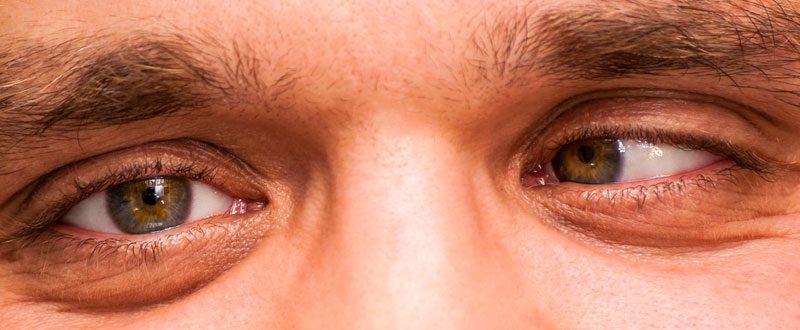
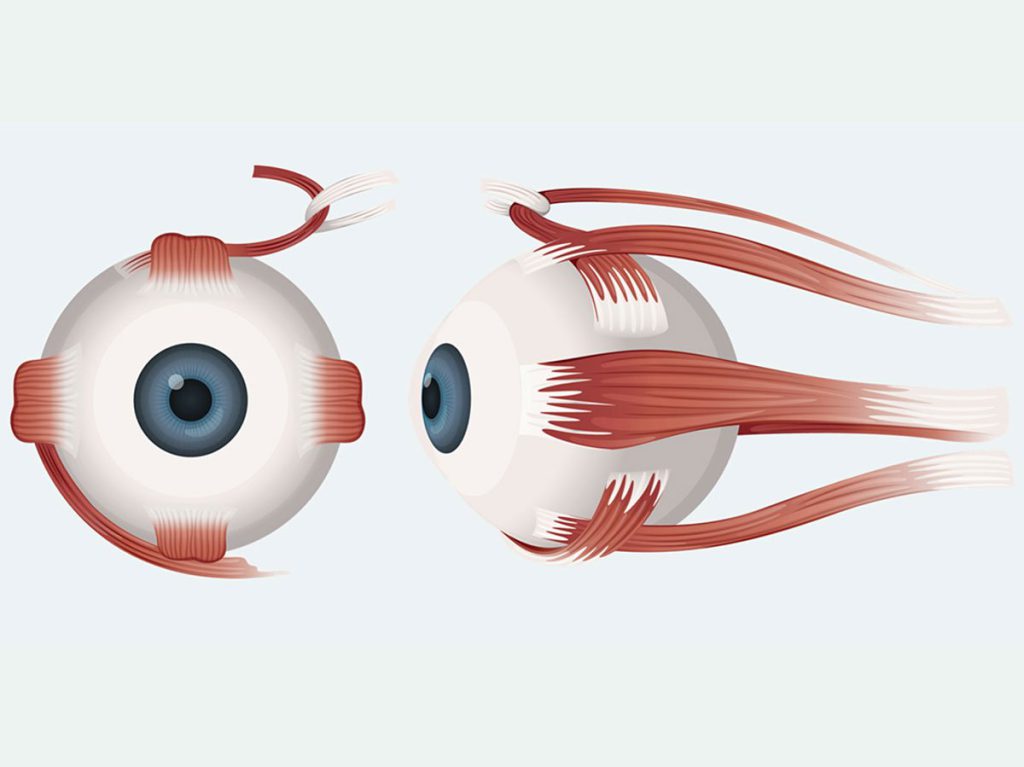
Adjustable-suture strabismus surgery is an advanced technique for correcting eye misalignment (strabismus). It involves placing a special surgical suture on the extraocular muscles that control eye movement, while leaving this suture “adjustable” for a short period after surgery.
The ophthalmic surgeon first performs an initial alignment of the eyes under general or local anesthesia. After the patient wakes up, the position of the eyes is carefully reassessed. If needed, the adjustable suture is tightened or loosened—usually on the same day or within 24 hours—to achieve the best possible ocular alignment.
Adjustable-suture strabismus surgery is most often used in adults or in complex strabismus cases, as it offers greater flexibility and safety in fine‑tuning the angle of deviation and reduces the risk of undercorrection, overcorrection, or recurrence of the strabismus.
This procedure is considered an advanced option in the management of strabismus. It aims to improve binocular vision and cosmetic appearance, while lowering the likelihood of needing repeat surgery.
Who Is This Technique Suitable For?
Selection Criteria and Ideal Candidates in Line with the Research Intent
Adjustable-suture strabismus surgery is an excellent option for patients with unstable or variable-angle strabismus, as well as for those who have undergone previous eye muscle surgery without achieving full correction of the deviation.
This technique is particularly recommended for adults and older adolescents who can cooperate with postoperative care. The use of adjustable sutures allows the surgeon to fine‑tune the position of the extraocular muscles within the first few hours or days after surgery, in order to achieve the most accurate ocular alignment possible.
Adjustable-suture strabismus surgery is also employed in complex cases, such as paralytic strabismus, large discrepancies between distance and near deviation, or situations where the final surgical outcome is difficult to predict with precision.
This approach is generally less suitable for young children or patients who are unable to tolerate postoperative adjustment, and it may also be avoided in certain systemic or ocular conditions that impair tissue healing.
Selecting an appropriate candidate for adjustable-suture strabismus surgery depends on a thorough assessment by a strabismus specialist. The ophthalmologist determines the indications based on the patient’s age, stability of the deviation angle, and medical and surgical history, to ensure the best possible functional and cosmetic outcomes with maximum safety.
Advantages and Benefits of Adjustable Sutures Compared to Conventional Techniques in Strabismus Surgery
Strabismus surgery using adjustable sutures offers greater precision and flexibility than traditional techniques, in which the extraocular muscles are permanently fixed in their final position from the start of the operation.
With the adjustable-suture technique, the surgeon can fine‑tune the position of the muscle in the hours following surgery. This allows for optimizing ocular alignment based on the post‑operative examination once the effect of anesthesia has worn off, thereby reducing the likelihood of residual strabismus or consecutive (overcorrected) strabismus.
Adjustable sutures also help achieve more stable, long‑term outcomes, particularly in complex strabismus or in recurrent cases after previous surgery, as they allow for precise control of muscle tension and effect.
From a practical standpoint, adjustable‑suture strabismus surgery may decrease the need for re‑operation and improve binocular vision and depth perception, which in turn has a positive impact on functional visual performance as well as the cosmetic appearance of the eyes.
For these reasons, adjustable sutures have become an advanced option in adult strabismus surgery and in selected pediatric cases, and are considered a preferred technique by many ophthalmic surgeons when aiming for safer, more predictable, and modifiable results.
Postoperative Adjustability and Options for Secondary Correction
One of the key advantages of adjustable sutures in strabismus surgery, compared with traditional techniques that permanently fix the muscle in place, is the ability to fine‑tune alignment after the operation.
With the adjustable suture technique, the surgeon can readjust suture tension within hours, and sometimes up to the first postoperative day. This allows for more precise correction of the strabismus angle, based on how the extraocular muscles respond and on the findings of the postoperative examination.
This direct postoperative adjustment reduces the likelihood of needing further strabismus surgery in the future and gives the surgeon greater flexibility in achieving optimal ocular alignment.
For the patient, this means a better chance of clearer vision and more stable binocular balance in a shorter time frame, while minimizing the risk of overcorrection or undercorrection that is more common with non‑adjustable, fixed techniques.
Less Scarring and Faster Recovery
In strabismus surgery using adjustable sutures, the conjunctival incisions are often smaller and tissue manipulation is usually less extensive than in conventional procedures. This typically results in less noticeable scarring and a more favorable cosmetic outcome.
Because the adjustable suture technique can achieve the desired alignment with more limited surgical dissection, postoperative swelling and inflammation are generally reduced, and patients tend to experience greater comfort in the early days after surgery.
These factors contribute to a shorter recovery period, enabling patients to resume their daily activities and visual tasks sooner than with older methods that require larger incisions and more extensive muscle repositioning.
In addition, minimal scarring and faster tissue healing help alleviate cosmetic concerns in both adults and children and enhance confidence in the outcome of strabismus surgery with adjustable sutures.
Types of Adjustable Sutures Relevant to the Study
Adjustable sutures used in strabismus surgery vary according to their material, duration of persistence in the eye, and the degree of postoperative control needed over extraocular muscle position. These variables help the surgeon select the most appropriate suture type for each case, in order to achieve the best possible alignment outcome.
The most common category is absorbable sutures, such as Vicryl (polyglactin 910), which gradually dissolve over a defined period and therefore do not usually require removal. They are often chosen when the surgeon intends to secure the muscle while still allowing for a limited adjustment window in the first hours or days after surgery.
There are also non‑absorbable sutures, such as nylon or polypropylene, which offer greater long‑term stability. These are frequently used in adjustable suture techniques, in which the muscle is tied in a temporary position and the surgeon is able to fine‑tune ocular alignment shortly after the procedure, to achieve precise binocular balance.
In addition, there are specially designed adjustable systems, such as sliding knots or locking (tie‑off) knots, which make it easier to advance or recess the muscle when needed, thereby reducing the likelihood of requiring reoperation.
The choice of adjustable suture type in strabismus surgery depends on the patient’s age, the type of strabismus, the angle of deviation, and the response of ocular tissues. Discussing with the surgeon which adjustable suture will be used and what the postoperative adjustment plan entails helps patients and their families understand the details of the procedure and its anticipated outcomes.
Preoperative Preparation: Tests and Instructions Before Surgery
Before undergoing adjustable-suture strabismus surgery, the patient goes through several essential assessments to ensure ocular and general health, and to optimize surgical outcomes.
The ophthalmologist typically performs a visual acuity test, precise measurement of the strabismus angle, and a detailed evaluation of extraocular muscle motility. When indicated—especially in children and older adults—additional systemic investigations may be requested, such as an electrocardiogram (ECG) and blood tests.
Prior to the day of surgery, the patient should inform the physician of all current medications, such as anticoagulants, antihypertensives, and antidiabetic drugs, as some may need to be temporarily adjusted or discontinued according to the treating doctor’s guidance.
If the procedure is planned under general anesthesia, the surgeon will usually advise fasting from food and liquids for approximately 6–8 hours before adjustable-suture strabismus surgery. Certain essential medications may still be taken with a small sip of water, but only after confirming this with the physician.
It is also important to arrange for an accompanying person to stay with the patient on the day of surgery and to ensure safe transport home. The patient should prepare items such as sunglasses and any prescribed eye drops in advance, and take the opportunity to ask the surgeon final questions regarding the surgical steps and expected recovery timeline, in order to reduce anxiety and be better prepared psychologically.
Surgical Steps: What Happens in the Operating Room?
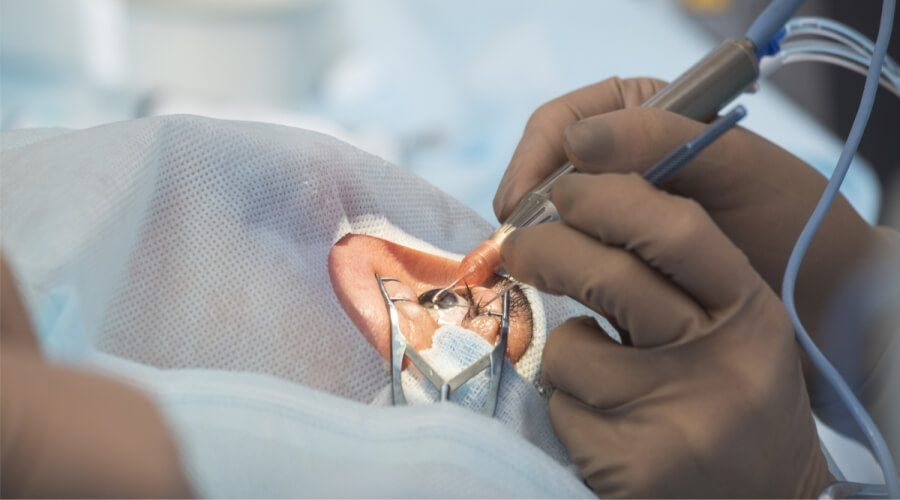
Strabismus surgery using adjustable sutures begins once the patient is brought into the operating room and given appropriate anesthesia—usually general anesthesia for children, and local anesthesia with or without mild sedation for adults, as determined by the anesthesiologist.
After sterilizing the eye and surrounding area, the ophthalmic surgeon makes small incisions in the conjunctiva (the thin white outer membrane of the eye) to access the extraocular muscles responsible for the eye misalignment.
The surgeon then carefully detaches the muscle, or a portion of it, and reattaches it to a new position on the eye wall using special adjustable sutures. The ends of these sutures are left in a way that allows the surgeon to fine‑tune the muscle tension after surgery, without the need for a new operation.
These steps may be repeated on one or more eye muscles, depending on the type of strabismus and the degree of deviation, after which the surgeon assesses the alignment and the ability of both eyes to work together as much as possible.
At the end of adjustable-suture strabismus surgery, the small incisions are closed, usually without the need for visible stitches. Eye drops or ointment and a topical antibiotic are applied, followed by a light eye dressing. The patient is then transferred to the recovery room for monitoring of vital signs before going home the same day in most cases.
Potential Risks, Complications, and How to Manage Them in Line with the Study’s Intent
Adjustable-suture strabismus surgery is generally considered a safe procedure; however, like any operation, it carries certain risks and potential complications that patients should be aware of before giving informed consent.
In the first few days after adjustable-suture strabismus surgery, patients may experience periocular redness, mild swelling, or slight discomfort. These symptoms are usually manageable with simple analgesics, cold compresses, and strict adherence to the topical antibiotic eye drops prescribed by the ophthalmologist.
Another possible issue is not achieving the desired cosmetic or functional alignment from the first attempt. Here lies a key advantage of adjustable sutures: they allow the surgeon to fine-tune the ocular deviation in the early postoperative period without the need for a full repeat surgery.
In rare cases, complications such as infection, subconjunctival hemorrhage, or temporary diplopia (double vision) may occur. Patients should be advised to seek immediate medical evaluation if they develop severe pain, unusual ocular discharge, sudden deterioration in visual acuity, or fever.
Optimal management of these complications depends on choosing an ophthalmic surgeon experienced in adjustable-suture strabismus surgery, following postoperative instructions carefully, and attending scheduled follow-up visits during the period of suture adjustment (tightening or loosening). This approach facilitates early detection and correction of any misalignment and reduces the likelihood of needing additional surgeries in the future.
What to expect immediately after adjustable-suture strabismus surgery

Once adjustable-suture strabismus surgery is completed, the patient is transferred to the recovery room, where vital signs—such as heart rate, blood pressure, and breathing—are monitored to ensure stability after anesthesia.
It is common to experience a burning sensation or mild eye pain, along with a feeling of grittiness or a foreign body in the eye, in addition to redness and increased tearing. These are typical post‑operative symptoms following extraocular muscle surgery and usually improve gradually over the first few days.
In the first few hours after surgery, the eye may appear slightly misaligned or not perfectly straight. This is expected, as the surgeon relies on the adjustable sutures to fine‑tune eye alignment during the first or second day after the operation.
The doctor may prescribe antibiotic eye drops and anti‑inflammatory drops to reduce swelling and redness, along with instructions to avoid rubbing the eye, exposing it to dust, and to rest at home for a few hours after discharge.
In most cases of adjustable‑suture strabismus surgery, patients can resume light daily activities within one to two days. However, they are advised to avoid strenuous physical exertion and swimming until the doctor confirms at the follow‑up visit that the tissues have healed sufficiently and it is safe to do so.
Recommended Follow‑Up Schedule and Postoperative Assessment Plan
After adjustable-suture strabismus surgery, the ophthalmologist establishes a detailed follow‑up plan to ensure stable eye alignment and optimal correction of the deviation angle.
The first follow‑up visit is usually scheduled for the next day or within the first few days after surgery to examine the wound and make sure there is no infection or significant swelling.
A key visit typically follows about 5–7 days after surgery, or at the time specified by the surgeon, to adjust the adjustable sutures and fine‑tune eye position as needed. This adjustability is a major advantage of this type of strabismus procedure.
Additional visits may be arranged during the first few weeks (for example, at weeks two and four) to monitor the stability of ocular alignment, assess visual acuity, and determine whether the patient needs glasses or specific orthoptic/eye exercises.
Over the longer term, regular check‑ups every 3–6 months during the first year, then annually thereafter, are recommended—especially for children—to allow early detection and prompt management of any recurrence of strabismus or development of amblyopia.
The postoperative assessment plan typically includes evaluating ocular motility in all directions of gaze, measuring the angle of deviation, performing a fundus examination, and testing binocular vision and the ability to use both eyes together.
Adhering to the recommended follow‑up schedule after adjustable‑suture strabismus surgery greatly improves long‑term outcomes and reduces the likelihood of needing additional surgical intervention.
The Best Strabismus Surgeon Using Adjustable Sutures in Jeddah
Dr. Ahmed Batal: Subspecialized Expertise and a Strong Track Record in Adult Strabismus Surgery
Dr. Ahmed Batal is considered one of the leading names for patients seeking the best surgeon for adjustable-suture strabismus surgery in Jeddah, thanks to his extensive experience and focused practice in this highly delicate field.
He has a strong record in correcting strabismus in adults using adjustable suture techniques, which allow fine-tuning of ocular alignment after surgery to achieve the most accurate result possible.
In his practice, he relies on up-to-date medical protocols and meticulous preoperative assessment of deviation angles, using precise measurements before surgery, alongside safe and individualized anesthesia plans for each case.
He also makes a point of thoroughly explaining the details of adjustable-suture strabismus surgery, including expected outcomes and recovery timeline, which helps build mutual trust and reassures patients before they decide to proceed with the operation.
This focused expertise has made him a key reference for patients in Jeddah who are seeking precise, natural-looking correction of strabismus.
Why Do Patients Choose Dr. Ahmed Batal?
Many patients choose Dr. Ahmed Batal when looking for the best surgeon for adjustable-suture strabismus surgery in Jeddah because he combines high-level clinical experience with genuine, patient-centered care throughout the treatment journey.
He is known for a comprehensive diagnostic approach: he does not limit his assessment to the cosmetic appearance of the eyes, but also evaluates extraocular muscle function, binocular vision, and the cosmetic and psychological impact of strabismus on the patient.
He dedicates ample time to listening to patients’ concerns and questions, and clearly outlines the available treatment options, including when adjustable-suture strabismus surgery is the most appropriate choice.
Many patients also praise his commitment to close postoperative follow-up, and his readiness to adjust the sutures during the first few days after surgery when needed, to achieve the best possible ocular alignment.
This combination of medical precision, consistently good outcomes, and clear, empathetic communication is what makes many patients choose him as their first option for surgical treatment of strabismus in Jeddah.
Book Your Consultation Now at Batal Eye Specialty Complex in Jeddah
If you have strabismus (eye misalignment) or are considering adjustable suture strabismus surgery, you can now book a consultation at Batal Eye Specialty Complex in Jeddah for an accurate assessment and a treatment plan tailored to your condition.
The center is staffed by a select team of ophthalmology consultants specializing in strabismus surgery for adults and children, using the latest medically approved techniques, including adjustable sutures. This technique helps achieve precise eye alignment and may reduce the likelihood of needing repeat surgery.
During your consultation, you will undergo a comprehensive eye examination, including measurement of the angle of deviation, review of your medical and ocular history, and a clear, simple explanation of the surgical steps, potential risks, and expected outcomes.
You can easily book your appointment by calling the center or using the online booking system, allowing you to choose the time that suits you best and receive advanced, safe strabismus care at a trusted, specialized eye center in Jeddah.