
Med info
Signs of Successful Eyelid Surgery: How to Assess Your Results and When to Expect Them

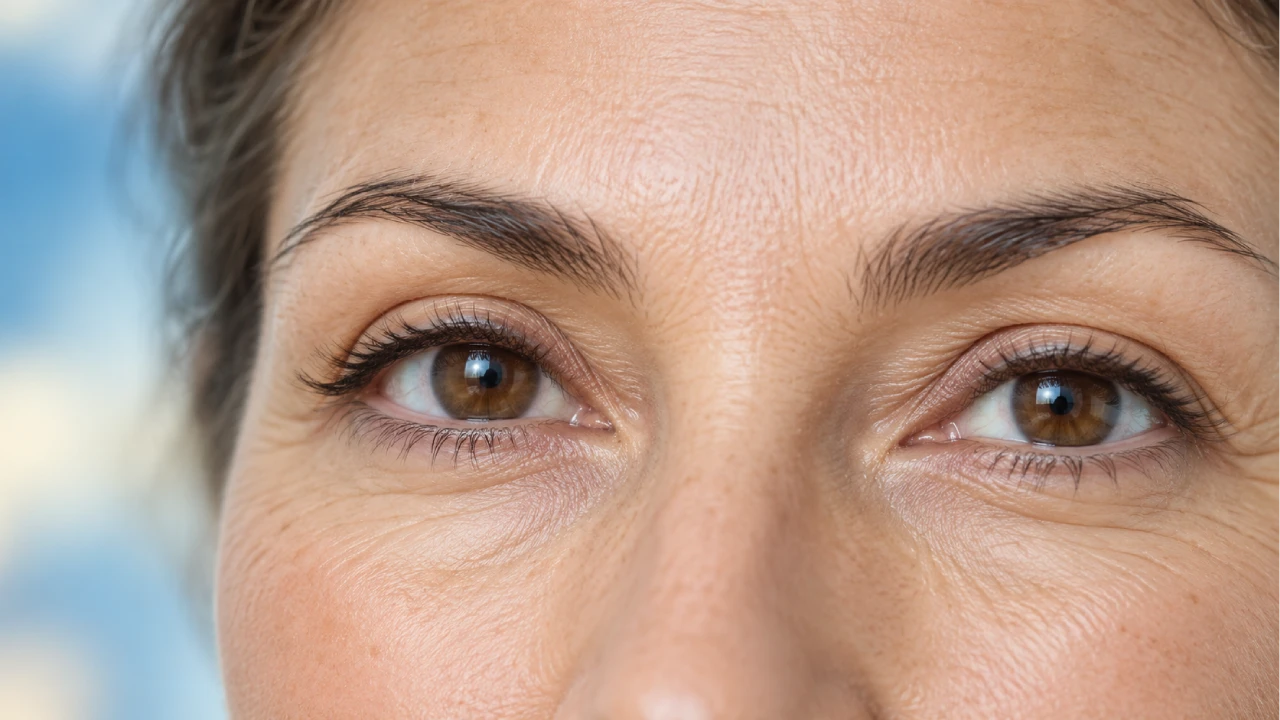
The main signs of successful eyelid surgery include improvement in the excess skin or puffiness the procedure was intended to address, a natural appearance, and eyelids that close properly and protect the eye’s surface.
However, the appearance of your eyes during the first few days cannot reliably predict the final result. Swelling and bruising can temporarily hide improvements and make the two sides look different.
Assessing the outcome requires follow-up examinations, an understanding of your recovery stage, and comparison with the goals agreed upon before surgery. Having little pain or having your stitches removed does not, by itself, mean the final result has settled.
What Are the Main Signs of Successful Eyelid Surgery?
Improvement in the Excess Skin or Puffiness Being Treated
The first consideration is whether surgery has improved the original concern. Upper eyelid surgery may address excess skin that obscures the eyelid crease or creates a feeling of heaviness. Lower eyelid surgery may target under-eye bags, excess skin, or both.
Understanding the difference between upper and lower eyelid surgery helps set realistic expectations. Each procedure has different goals and limitations. A successful result does not necessarily mean that every wrinkle or dark circle disappears.
Removing excess skin also differs from repairing true eyelid drooping, or ptosis, which involves the position of the eyelid margin and may relate to the lifting muscle or its tendon. Some patients need an additional procedure, depending on the examination findings.

A Natural Appearance and Appropriate Balance
A good outcome improves the eyelids while preserving the natural character of the eyes, without excessive tightness or an unwanted change in eyelid position.
Balance is assessed as swelling settles, taking into account any differences that existed before surgery. Perfect symmetry is not a requirement for success. Natural differences in eyebrow height, eyelid creases, and the surrounding facial structure can affect how the two sides look.
Proper Eyelid Closure and a Comfortable Eye Surface
Successful blepharoplasty involves more than appearance. The eyelids protect the eyes and help distribute tears with each blink.
An important part of the outcome is the ability to close the eyes properly, without a persistent problem that leaves the surface exposed or irritated.
Dryness or discomfort may occur during early recovery. However, difficulty closing an eye should be reported to the surgeon, particularly if it is accompanied by significant burning, pain, or blurred vision.
Improved Visual Field When Excess Skin Was Obstructing It
If excess upper eyelid skin was blocking part of the visual field, removing it may improve the area of vision that was previously obstructed.
This is different from correcting eyesight. Eyelid surgery does not treat short-sightedness, astigmatism, or every cause of reduced vision.
What Is the Difference Between Good Healing and a Successful Final Result?
Gradually decreasing swelling, fading bruises, and a closing incision suggest that healing is progressing. They do not, on their own, establish the final outcome.
A full assessment also considers the settled appearance, eyelid position and function, and how closely the result meets the original surgical goals.
| What you notice | What it may mean |
| Swelling and bruising gradually decrease | Recovery is progressing, with follow-up still needed |
| Excess skin improves and the eyes close properly | These are important elements of the outcome after healing |
| One side looks different early on | Uneven swelling may contribute; the surgeon should assess it |
| Severe pain or a sudden change in vision | Urgent medical assessment is needed |
Some swelling may remain even when recovery is progressing well. Equally, the absence of pain does not prove that the result has settled. The overall pattern of improvement and the examination findings matter more than any single sign.
When Will You See the Results of Eyelid Surgery?
The First Few Days: Focus on Healing
The eyelids may look swollen or feel tight, and bruising can develop around the eyes. These changes may be more noticeable on one side, making early comparisons unreliable.
At this stage, the priorities are incision care, eye protection, and follow-up appointments. Daily photographs should not be used to judge the final cosmetic result.
The Following Weeks: Improvements Become Clearer
As swelling and bruising subside, the eyelid contours and the effects of removing excess skin or treating puffiness become easier to see.
You may be able to return to work or some normal activities before healing is complete. Returning to everyday life does not mean that the final result has stabilised. The appropriate timing depends on the procedure, your work, and your surgeon’s advice.
The Following Months: Results and Scars Continue to Settle
The tissues and incision lines may continue to change over the following months. Scars can gradually become less noticeable, although they cannot be guaranteed to disappear completely.
Your surgeon will advise when the result can be assessed more reliably, based on the procedure and your individual healing response. There is no single final-results date that applies to everyone.
Do Swelling and Uneven Eyelids Mean the Surgery Has Failed?
Not necessarily. Swelling may resolve at different rates on each side, temporarily affecting the eyelid crease and the apparent shape of the eye opening.
However, it is also inappropriate to assume that every difference is normal or will disappear without assessment.
Your surgeon will consider when the difference appeared, how noticeable it is, whether it is improving, and whether symptoms such as pain or difficulty closing the eye are present.
If asymmetry persists beyond the expected recovery stage, an examination can help identify the cause before further treatment is discussed. Decisions about revision surgery should not be based on early photographs alone, while suspected complications should be assessed promptly.
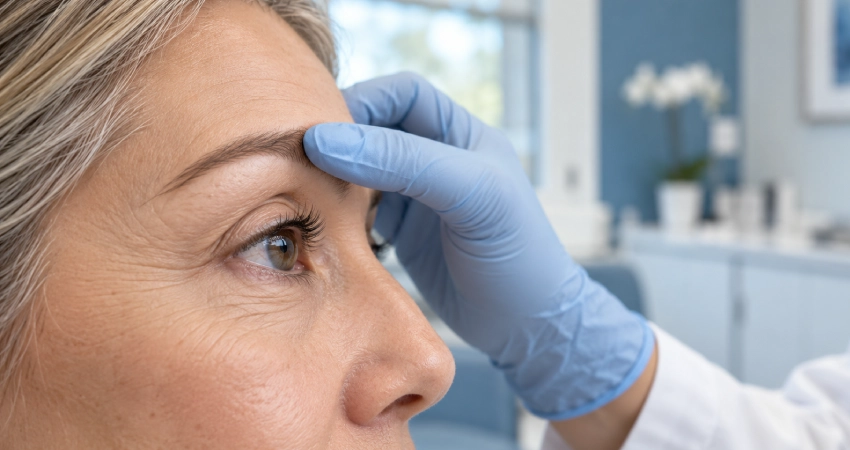
Which Symptoms Need Urgent Attention After Eyelid Surgery?
Sudden changes in vision, severe pain, or rapidly increasing and unusual swelling require urgent care, particularly when one eye is affected more than the other.
Contact your surgeon immediately. If you cannot reach them, seek emergency care rather than waiting for your routine review.
You should also contact your surgeon promptly if you develop:
- Difficulty closing the eye completely.
- Increasing redness around the incision, especially with discharge or fever.
- Separation of the wound edges or persistent bleeding.
- Severe irritation or symptoms that worsen instead of improving.
Understanding the risks of eyelid surgery can help you recognise the difference between temporary recovery symptoms and problems requiring treatment. It does not replace an assessment of new or worsening symptoms.
How Can You Support Recovery and Protect Your Results?
Your surgeon’s instructions should guide your recovery because care can differ according to the procedure and the condition of your eyes.
Helpful steps include:
- Attending follow-up appointments and using prescribed medication as directed.
- Applying compresses and cleaning the area according to your instructions.
- Avoiding rubbing the eyes or pressing on the incisions.
- Resuming exercise, contact lenses, and eye makeup only when your surgeon approves.
- Protecting the area from sunlight and wearing suitable sunglasses.
- Avoiding smoking to support wound healing.
- Using scar products or massaging the eyelids only if specifically advised.
Early recovery can involve swelling, bruising, dryness, or irritation. The appropriate way to manage these symptoms depends on your circumstances. Do not change your treatment simply because someone else had a similar experience.
Consult Dr. Tarek Al-Najjar About Your Eyelid Surgery Results
Dr. Tarek Al-Najjar is a consultant in oculoplastic and lacrimal surgery, with a clinical focus that includes eyelid surgery and the treatment of drooping and lax eyelids.
A specialist consultation can assess eyelid position and balance, eye closure, the condition of the eye’s surface, and whether the appearance is consistent with the current recovery stage.
These findings help determine whether continued monitoring, treatment of an associated problem, or discussion of other options is appropriate.
If you have already undergone surgery, begin by following up with the surgeon who performed it. They can interpret changes in the context of your procedure. A further specialist opinion may be helpful when needed; bring your surgical records, earlier photographs, and a list of your medications.
Have Your Eyelid Surgery Results Assessed at Batal Eye Center in Jeddah
Whether you are considering surgery or have questions about your recovery, a consultation in oculoplastic and eyelid surgery can help you understand realistic expectations and assess both appearance and eyelid function.
An examination can clarify the appropriate next step without prematurely judging the result or assuming that another operation is necessary.
Book a consultation with Dr. Tarek Al-Najjar at Batal Eye Center in Jeddah to assess your eyelids and discuss the options appropriate for your condition.