
Med info
Children’s eye problems in summer: allergies, screens, and prevention

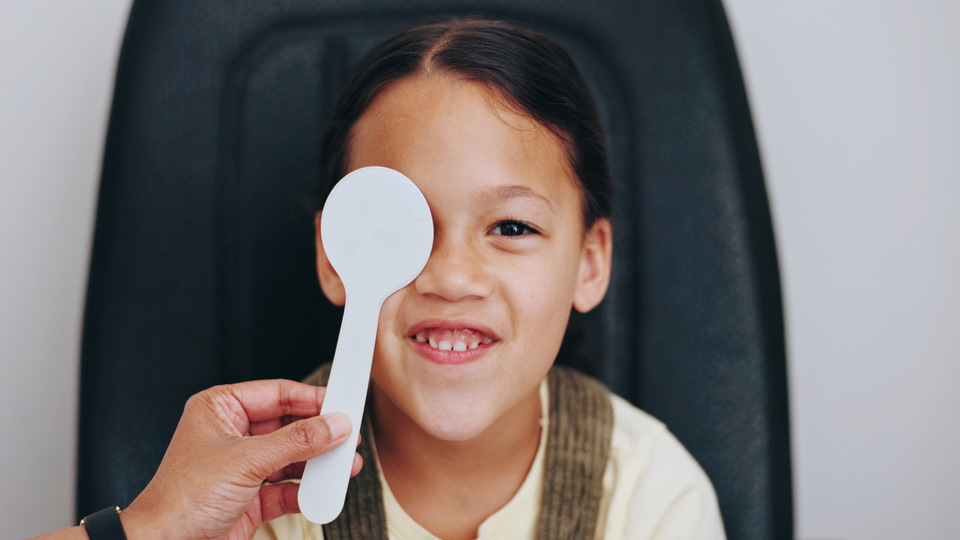
Why do eye problems in children increase during summer?
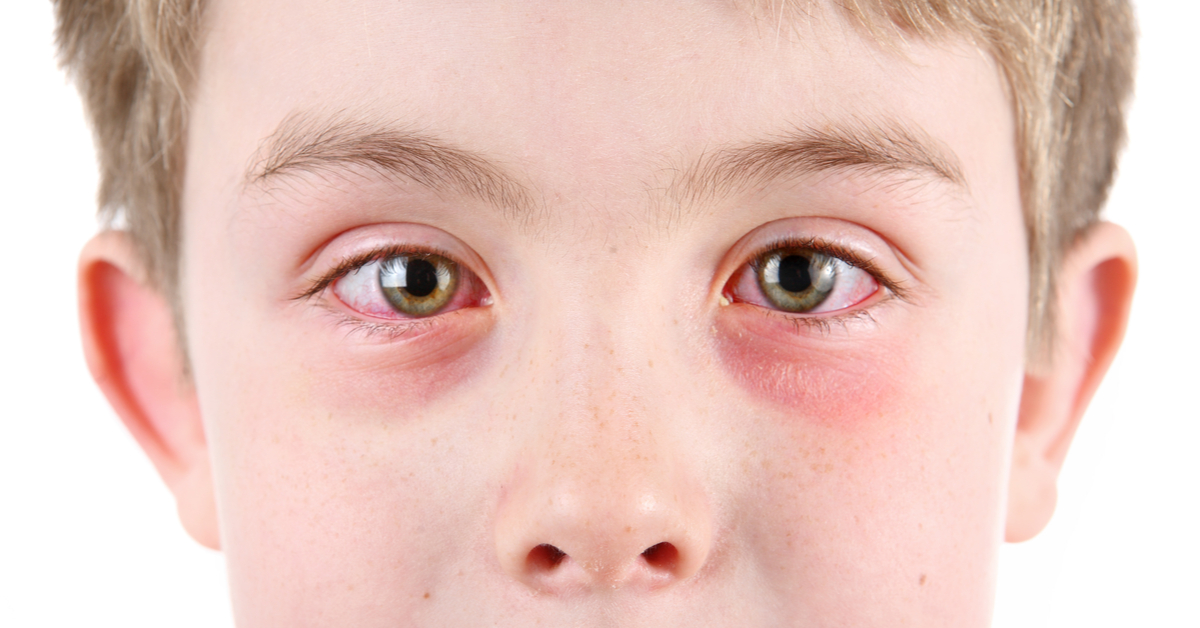
Eye problems in children become more common in summer because several eye‑irritating factors come together in this season.
Direct, prolonged exposure to ultraviolet (UV) rays can inflame the ocular surface, causing redness and increased light sensitivity—especially during outdoor play or at the beach, where sunlight is strongly reflected off water and sand.
High temperatures and frequent swimming in pools and the sea also irritate the eyes, allowing chlorine or other contaminants to enter, which raises the risk of infections such as conjunctivitis (pink eye) or seasonal allergic conjunctivitis.
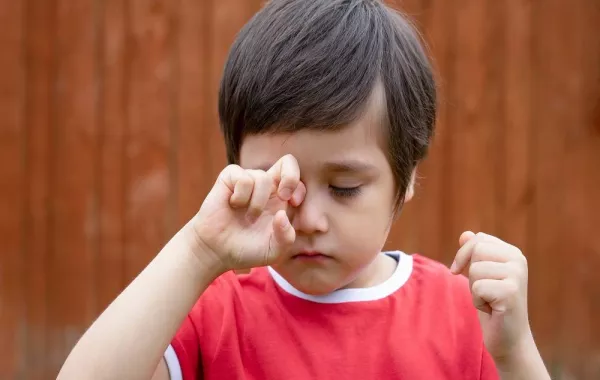
Children also tend to rub their eyes more often in hot weather because of sweat and active play. When their hands are not clean, this makes it easier to transmit bacteria and viruses to the eyes.
On top of that, dust, dry air, and prolonged use of air conditioning can contribute to dry eye symptoms, itching, and burning sensations.
For all these reasons, parents commonly ask in summer about the causes of eye problems in children and how to prevent them—measures such as using UV‑protective sunglasses designed for kids, keeping the eyes clean, limiting direct sun exposure, and protecting the eyes while swimming are especially important.
Eye Allergies in Children During Summer: Symptoms and Causes
Eye allergies in children during the summer are among the most common pediatric eye problems in this season. Complaints of itchiness, eye redness, and excessive tearing increase because of high temperatures and more frequent exposure to irritating environmental factors.
Key symptoms of eye allergies in children include: redness of the white part of the eye (conjunctival redness), persistent itching that makes the child rub their eyes vigorously, increased tearing or clear, stringy discharge, a burning or stinging sensation, mild eyelid swelling, along with light sensitivity and eye discomfort during outdoor play or swimming.
Summer eye allergies are usually triggered by exposure to airborne pollen, dust, swimming pool chlorine, and smoke. In addition, hot weather and constant use of air conditioners can cause dry eyes by destabilizing the tear film, making the eyes more vulnerable to irritants and allergens.
Strong perfumes, inappropriate personal care products for children, and wearing contact lenses (in older kids) can also raise the risk of developing eye allergy symptoms.
Recognizing the causes and symptoms of eye allergies in children during summer helps parents intervene early, protect their children’s eyes, and reduce the risk of complications from pediatric eye conditions in this hot season.
How Do Screens Affect Children’s Eyes During Summer Vacation?
With more free time over the summer, children tend to spend longer periods in front of screens, which increases their risk of developing digital eye strain and dry eye due to reduced blinking and prolonged focus on tablets, smartphones, and televisions.
Extended exposure to blue light emitted from screens can lead to headaches, temporary blurred vision, and difficulty concentrating. It may also worsen the symptoms of myopia (nearsightedness) in children who are already predisposed, especially when screen time is not interrupted with regular breaks and opportunities to look into the distance.
In summer, children often use devices in very bright environments, under direct sunlight, or in completely dark rooms. These uncomfortable visual conditions put extra strain on the eye muscles and can cause burning, redness, and a sensation of stinging or grittiness in the eyes.
Staying up late on screens before bedtime also disrupts a child’s circadian rhythm, reducing the quality of sleep that is essential for eye health and tissue repair. To protect children’s eyes during the summer, it is advisable to regulate screen time, follow the “20-20-20” rule (every 20 minutes, look at something 20 feet away for 20 seconds), and encourage outdoor play in natural light.
The most common eye problems in children during summer
Conjunctivitis (Pink Eye)
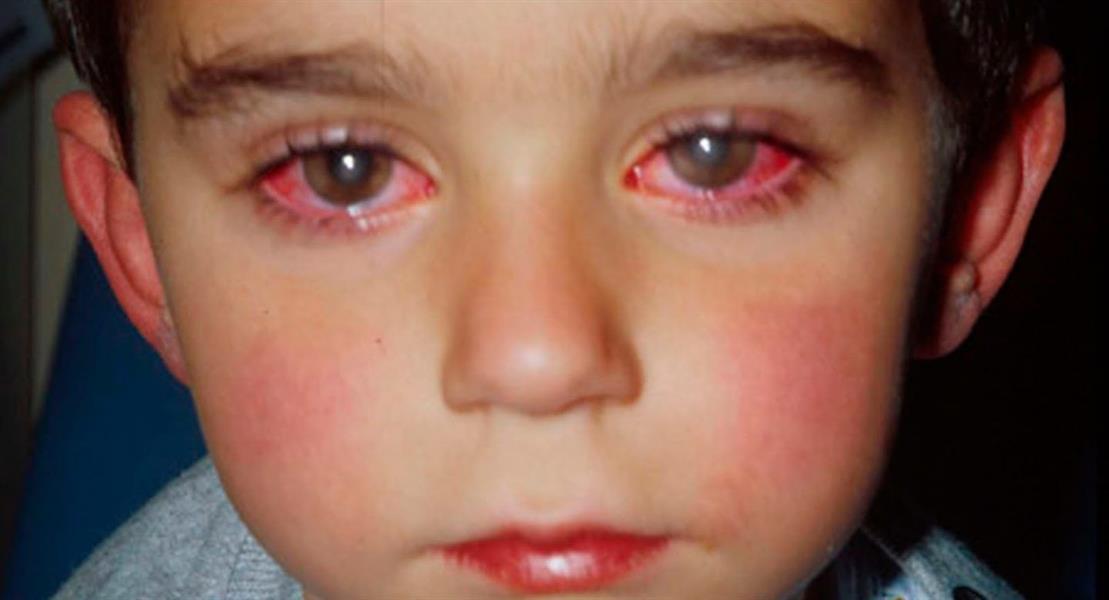
Conjunctivitis is one of the most common pediatric eye problems in summer, especially with increased exposure to dust, pollen, and contaminated pool water.
In children, pink eye typically presents with noticeable eye redness, excessive tearing or yellow discharge, associated with itching or burning and difficulty opening the eyes in bright sunlight.
During the summer, a child may develop viral, bacterial, or allergic conjunctivitis; therefore, it is essential to avoid using eye drops randomly and to consult a pediatric ophthalmologist to identify the underlying cause and prescribe the appropriate treatment.
Good hand hygiene, avoiding sharing towels, and limiting exposure to sources of infection help reduce the risk of conjunctivitis in children throughout the summer season.
Dry Eye in Children
With rising temperatures and prolonged use of air conditioning in summer, the likelihood of dry eye in children increases. This is one of the most common—and often overlooked—pediatric eye problems during this season.
Dry eye in children may present as stinging or burning, frequent eye rubbing, mild redness, or intermittent complaints of blurred vision, particularly after extended screen time.
Reducing screen time, encouraging the child to blink more often, maintaining adequate humidity in the room, and using preservative‑free artificial tears prescribed by a doctor can help relieve dry‑eye symptoms in summer.
If dryness persists or recurs frequently, an eye specialist should be consulted to rule out any underlying condition that might affect the child’s eye health in the long term.
Eye Irritation from Chlorine and Swimming Pools
Swimming is a favorite summer activity for children, but it can lead to eye irritation due to chlorine and other chemicals in pool water, making this a frequent pediatric eye complaint in the hotter months.
Chlorine‑induced eye irritation typically appears as redness, excessive tearing, burning, or a sensation of a foreign body in the eye, and the child may complain of discomfort immediately after leaving the pool.
To help prevent eye irritation in summer, it is advisable to use well‑fitting swimming goggles, rinse the eyes with clean water after swimming, and avoid overcrowded or poorly maintained pools.
If redness or pain persists after swimming, or if abnormal discharge appears, the child should be examined by an ophthalmologist to rule out an evolving eye infection.
Sand and Foreign Bodies in the Eye
Playing on the beach or in parks during summer increases the risk of sand, dust, or small particles entering a child’s eye. This is among the most common outdoor‑activity‑related eye problems in children during this season.
Parents may notice the child rubbing their eye vigorously, complaining of sudden pain, or feeling as if something is stuck in the eye, possibly accompanied by redness and increased tearing.
If sand or a foreign body gets into a child’s eye, the eye should never be rubbed. Instead, it should be gently rinsed with clean water or saline solution. If symptoms persist, or if the foreign body is visible and cannot be removed safely, an urgent visit to an eye doctor is necessary.
Preventive measures include teaching the child not to touch or rub their eyes with dirty hands and using protective eyewear when playing in dusty or sandy environments during summer to help safeguard their eye health.
When Do Summer Eye Problems in Children Require an Ophthalmologist Visit?
Symptoms That Require Urgent Medical Evaluation
During summer, children may develop eye symptoms that warrant prompt assessment by an ophthalmologist, especially with increased exposure to sunlight, swimming pools, and outdoor activities.
Key warning signs that need urgent medical evaluation include: marked, persistent eye redness that does not improve within 24–48 hours, noticeable swelling of the eyelids or around the eye, and thick purulent discharge with a yellow or greenish color.
Severe eye pain, a sudden complaint of blurred vision, or seeing flashes of light or black spots are also alarming signs that must not be ignored during the summer months.
In addition, if the child is constantly rubbing their eye, is unable to open it in daylight due to pronounced photophobia (light sensitivity), or keeps squinting or tearing excessively after swimming or playing at the beach, this may indicate inflammation, allergy, or trauma and requires an eye specialist’s evaluation as early as possible.
When Should You Go to the Emergency Department?
Some pediatric eye problems in summer cannot wait for a routine clinic appointment and require immediate transfer to the emergency department or urgent assessment by an on‑call ophthalmologist.
Foremost among these are: direct eye trauma while playing or after a fall, entry of a sharp foreign body or chemical substance into the eye (such as concentrated chlorine or disinfectants), or eye burns caused by fireworks or intense sunlight accompanied by severe pain.
You should also head to the emergency department if you notice sudden loss of vision, obvious difficulty opening the eye, marked eyelid swelling associated with fever, or abnormal limitation in eye movements.
In summer, the risk of infectious keratitis and conjunctivitis related to swimming pools or other sources of infection increases. If eye redness is accompanied by intense headache, nausea, or vomiting, the situation should be treated as an emergency and not deferred.
The Importance of Early Diagnosis to Prevent Complications
Early diagnosis of pediatric eye problems in summer is crucial for protecting the child’s vision and preventing potentially permanent complications.
Timely consultation with an ophthalmologist when worrisome symptoms appear helps treat ocular infections at an early stage, before they spread to the cornea or lead to scarring that can compromise visual acuity.
Prompt management of eye injuries related to summer activities or swimming also helps prevent progression to serious bacterial or viral infections and may reduce the need for aggressive medications or surgical intervention.
Through early diagnosis, the ophthalmologist can also educate parents on proper eye protection during summer—such as using appropriate UV‑protective sunglasses and ensuring eye hygiene after swimming—thereby reducing recurrence of problems and preserving long‑term eye health.
How to Protect Your Child’s Eyes During Summer
To keep your child’s eyes healthy in summer, start by making sure they wear proper pediatric sunglasses with lenses that provide 100% protection against UVA and UVB rays. This helps shield the cornea and retina from intense sun damage.
Next, have your child wear a wide-brimmed hat or use a sunshade/umbrella while playing outdoors to reduce direct exposure to sunlight and dust.
Encourage frequent handwashing with soap and water and remind your child not to rub their eyes. This helps lower the risk of allergic conjunctivitis as well as bacterial and viral eye infections that are more common in summer and in swimming pools.
If your child swims often, make sure they wear well-fitted swimming goggles to protect their eyes from chlorine and microorganisms that can cause redness, burning, or conjunctivitis (pink eye).
Also, keep your child well hydrated and include plenty of fruits and vegetables rich in vitamins A and C in their diet, as these nutrients support overall eye health.
Monitor your child for any unusual signs such as persistent redness, discharge, intense itching, or marked sensitivity to light. If you notice any of these symptoms, consult an ophthalmologist promptly so any problem can be diagnosed and treated early, before it worsens during the summer.
Common Mistakes Parents Make When Dealing with Summer Eye Problems
One of the most common mistakes parents make when dealing with children’s eye problems in summer is relying on home remedies—such as using rose water, tea, or random compresses—without consulting an ophthalmologist. These practices can worsen inflammation or trigger severe allergic reactions.
Some parents also resort to using old eye drops or medications that were previously prescribed for a different condition. This is particularly risky, as it may temporarily mask symptoms while the underlying problem continues to progress.
Another frequent mistake is allowing children to swim in crowded or poorly maintained pools without protective swimming goggles, then dismissing eye redness or itching as something “normal” in summer and not worth checking.
Many parents are also lax about protecting their children’s eyes from intense sunlight, neglecting to use proper children’s sunglasses with UV protection. This increases the risk of eye irritation and dryness.
Delaying a visit to an eye specialist and relying instead on self-diagnosis through internet searches is among the most serious errors. This can allow minor summer eye irritations to develop into more severe infections or complications that require longer and more intensive treatment.
Best Pediatric Ophthalmologist in Jeddah
Dr. Ahmad Al-Batal and His Expertise in Pediatric Ophthalmology
Dr. Ahmad Al‑Batal is regarded as one of the leading pediatric ophthalmologists in Jeddah, particularly in managing summer‑related eye problems in children such as allergic conjunctivitis, dry eye, and conjunctival infections associated with swimming, sunlight, and heat exposure.
Drawing on his extensive experience in pediatric ophthalmology, Dr. Al‑Batal relies on thorough clinical examination and advanced diagnostic tools to assess the cornea, conjunctiva, and tear film. This enables him to detect visual disturbances and seasonal eye infections at an early stage.
Dr. Al‑Batal is known for implementing up‑to‑date, evidence‑based treatment protocols, with great care in selecting eye drops and medications that are appropriate for the child’s age and ocular sensitivity—especially during summer, when the need for lubricating drops and anti‑allergy eye drops typically increases.
If you are looking for one of the best pediatric eye doctors in Jeddah to monitor your child’s eye health during the hot summer months, Dr. Ahmad Al‑Batal’s expertise in diagnosing and treating pediatric eye diseases makes him an outstanding choice to help protect your child’s vision and minimize the impact of summer‑related factors on their eyes.
Book a Comprehensive Eye Exam for Your Child at Batal Eye Specialty Center
As summer temperatures rise and children spend more time in the sun, swimming pools, and in front of digital screens, scheduling an eye exam for your child at Batal Eye Specialty Center becomes essential to detect any early signs of infection, allergy, dryness, or visual impairment.
Our center offers a dedicated pediatric ophthalmology clinic, staffed by board-certified pediatric ophthalmologists who use advanced, age-appropriate diagnostic equipment that is both safe and comfortable for children, in a calming environment designed to minimize their anxiety during the examination.
By booking an eye exam for your child at the beginning of the summer, you can ensure their eyes are healthy, adjust their prescription if needed, and receive professional preventive guidance on suitable sunglasses, as well as how to protect their eyes from chlorine, dust, and prolonged screen exposure.
If you notice frequent eye redness, itching, excessive tearing, constant eye rubbing, headaches, or your child sitting too close to the TV, schedule an eye exam now at Batal Eye Specialty Center to accurately assess their condition and develop a tailored treatment or prevention plan for the summer season.