
Med info
The difference between upper and lower eyelid lift

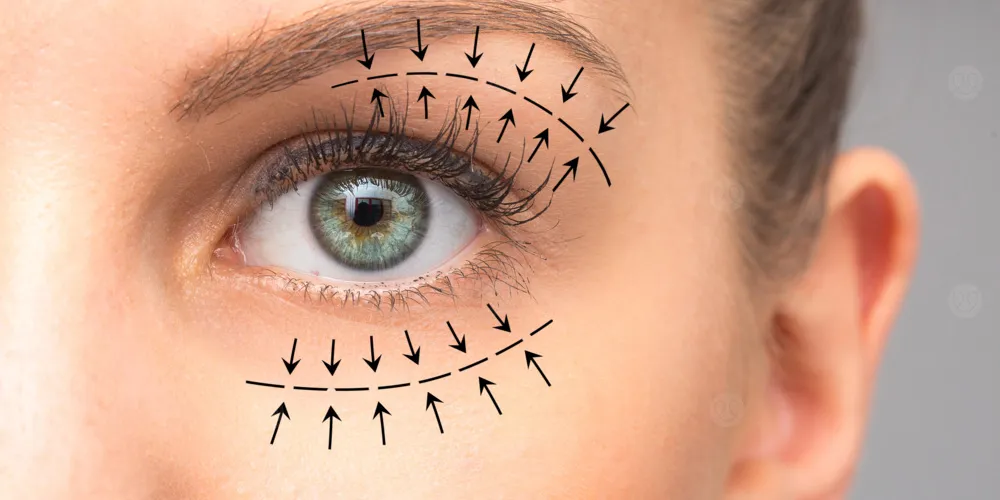
What is the difference between upper and lower eyelid lift?
Upper Eyelid Lift (Upper Blepharoplasty): Goals and Concerns It Addresses
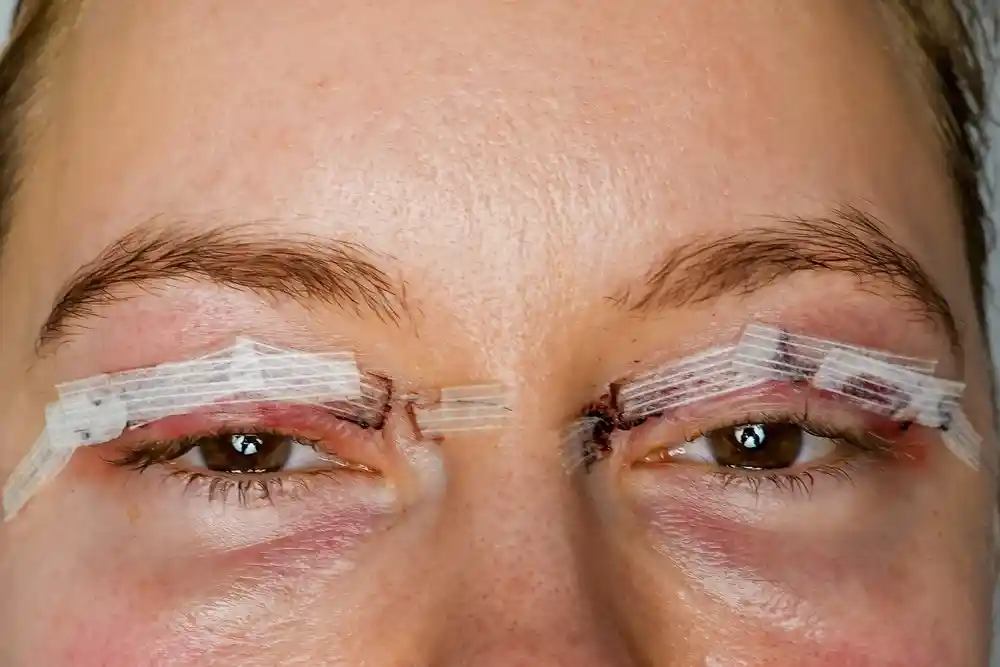
An upper eyelid lift focuses on correcting excessive drooping of the upper eyelid skin, which can narrow the upper visual field and give the eyes a tired or prematurely aged appearance.
In most cases, this procedure targets loose, sagging skin and excess fat that create a feeling of heaviness in the upper eyelid or form a “curtain” over the eye. This is what distinguishes an upper eyelid lift from a lower eyelid lift, which primarily addresses the area beneath the eye.
Key goals include enhancing the aesthetic appearance of the eyes, visually “opening” the eye so it appears wider and more alert, and, in some patients, reducing the sensation of heaviness in the upper eyelids.
In this way, upper blepharoplasty addresses both functional issues (such as impaired visual field) and cosmetic concerns in the upper part of the eye area, while the objectives differ partially when discussing lower eyelid surgery.
Lower Eyelid Lift (Lower Blepharoplasty): Goals and Concerns It Addresses
A lower eyelid lift primarily targets under‑eye bags and puffiness, as well as skin laxity that leads to a “tired‑eye” look or pronounced under‑eye shadows. This is what sets it apart from an upper eyelid lift, which focuses on excess skin above the eye.
The aim of lower blepharoplasty is to remove or reposition excess fat beneath the eye and tighten lax skin to improve under‑eye wrinkles and diminish the appearance of persistent puffiness.
This procedure helps create a smoother, more youthful contour under the eyes, which positively impacts the overall appearance of the face.
Compared with upper eyelid surgery, lower blepharoplasty is more heavily oriented toward cosmetic improvement, with less influence on the visual field. However, both procedures share a fundamental goal: restoring a more youthful, harmonious eye appearance that complements the rest of the facial features.
When Do You Need Upper Eyelid Lift Surgery (Upper Blepharoplasty)?
Sagging Upper Eyelid Skin
Sagging skin above the eye is one of the most common reasons to consider upper eyelid blepharoplasty, especially when excess skin becomes noticeable enough to cover part of the mobile eyelid.
If you see loose skin folds gathering over the lash line, find it difficult to apply eye makeup, or feel that your eyes look “closed off,” this may indicate that you could benefit from an upper eyelid lift.
In such cases, upper eyelid blepharoplasty helps remove excess skin and tighten the tissues around the eye, increasing the space between the eyebrow and the eyelashes and giving the eyes a more open, refreshed appearance.
Here, the role of upper eyelid surgery differs from lower eyelid blepharoplasty, which typically targets under‑eye bags and dark circles rather than sagging skin above the eye.
Ptosis and Its Effect on the Visual Field
Drooping of the upper eyelid (ptosis) is not only a cosmetic concern; it can also affect the visual field, particularly superior vision (looking upward or to the upper periphery).
If you notice that you constantly raise your eyebrows to open your eyes, tilt your head back to see clearly, or experience difficulty driving or reading because of a drooping lid, these are signs that an upper eyelid lift or ptosis repair may have become a medical necessity rather than a purely aesthetic choice.
In such situations, upper eyelid surgery helps remove redundant skin and elevate the eyelid margin, which improves the visual field and reduces strain around the eyes.
While lower eyelid blepharoplasty is mainly performed to enhance the appearance of the area beneath the eyes, upper eyelid surgery has a more direct impact on eye function and quality of vision.
Tired or Aged Appearance
When the face looks tired or older than it is despite getting enough sleep and following a good skincare routine, the main reason is often upper eyelid drooping and laxity of the skin around the eyes.
Excess skin accumulating above the eye and forming deep folds can create a permanently sad or fatigued expression, in which case an upper eyelid lift may be an appropriate option to restore a more youthful, refreshed look.
Upper eyelid blepharoplasty smooths the eye area, restores the natural eyelid crease, and reduces heavy shadows that give the impression of exhaustion.
While lower eyelid surgery helps reduce puffiness and dark circles under the eyes, the upper eyelid lift plays the primary role in redefining the eye contour and giving the face a more vibrant, harmonious expression.
When Do You Need Lower Eyelid Lift (Lower Blepharoplasty)?
Under-Eye Puffiness and Fat Pads
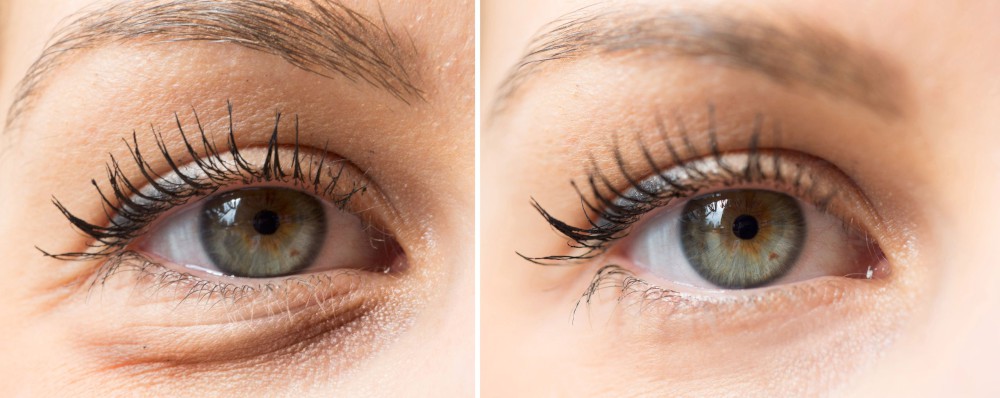
Under-eye puffiness and prominent fat pads are among the most common reasons people consult a cosmetic surgeon about lower eyelid blepharoplasty.
When these fat pockets become permanently visible and no longer improve with rest or lifestyle changes, lower eyelid tightening may be the most suitable option to eliminate the tired look around the eyes.
In such cases, the surgeon removes or repositions the under-eye fat and tightens the surrounding skin, resulting in a fresher, more youthful appearance.
If the under-eye bags remain obvious despite adequate sleep and the use of topical creams, and they start to affect your self-confidence or professional image, this is often a sign that you may benefit from lower eyelid blepharoplasty as a more effective and long‑lasting solution to improve the contour of the lower eyelid.
Sagging Skin Under the Eyes
Sagging skin beneath the eyes is a clear indication that you may need lower eyelid tightening, especially when the laxity becomes obvious and causes bothersome folds and wrinkles around the eye area.
This sagging typically develops with aging, after significant weight loss, or due to genetic factors, and can make the face look tired or sad even at rest.
When lower eyelid laxity becomes pronounced and no longer responds to creams or non-surgical treatments, lower eyelid blepharoplasty can help by removing excess skin, tightening the supporting tissues, and redefining the under-eye area.
This procedure not only enhances the aesthetic appearance, but also helps harmonize the look of the eyes with the upper eyelids, which is a key point when discussing the difference between upper and lower blepharoplasty and how each can complement the other.
Deep Wrinkles and a Tired Appearance
When deep wrinkles under the eyes become etched into the skin and remain visible even without facial expressions, and you look tired despite feeling energetic, lower eyelid blepharoplasty may be a suitable option to address this concern.
Deep wrinkles in the lower eyelid region are often caused by skin thinning and loss of elasticity over time, in addition to bulging fat or tissue laxity, all of which contribute to a hollowed, fatigued appearance.
In such cases, lower eyelid tightening helps firm the skin, improve fat distribution, and smooth out deep lines, thereby reducing the look of chronic fatigue and giving the eyes a more vibrant appearance.
If you notice that skincare products and non-surgical treatments are no longer effective, and the deep wrinkles under your eyes are starting to impact your overall look, it may be the right time to discuss lower eyelid blepharoplasty with a qualified specialist.
How Do Upper and Lower Eyelid Lift Techniques Differ?
Upper Eyelid Lift Techniques
Upper blepharoplasty techniques primarily focus on removing excess skin and fat that cause drooping of the upper eyelid, which can sometimes impair vision. For this reason, the incision is usually placed within the natural upper eyelid crease so that any scar becomes virtually invisible once healing is complete.
During an upper eyelid lift, the plastic surgeon uses precise techniques to excise redundant skin, tighten the underlying muscle, and either redistribute or remove fat pads, while carefully preserving the natural shape of the eye and its harmony with the eyebrow.
These techniques differ from lower eyelid surgery in that the main goal here is to “open up” the eye and improve both the functional and aesthetic appearance of the upper eyelid. The cheek area and the region directly under the eye are usually not addressed in upper eyelid surgery, unlike in lower blepharoplasty.
Lower Eyelid Lift Techniques
Lower blepharoplasty relies on different approaches, as the most common concerns in this area are under‑eye puffiness, dark circles, fine wrinkles, and laxity that often extends toward the cheek.
The lower eyelid can be tightened through an external incision just below the lower lash line to remove excess skin and tighten the muscle, or through an internal incision on the inside of the eyelid (transconjunctival approach) to remove or reposition fat without leaving a visible external scar. This latter technique is especially suitable for younger patients who have prominent fat pads but minimal skin laxity.
In lower eyelid surgery, the plastic surgeon pays particular attention to supporting the outer corner of the eye and preserving the natural almond shape, as even a minor technical error can cause the eyelid to be pulled downward or create a “round eye” appearance. This need for precise control and reinforcement of the canthal tendons is one of the key differences between lower and upper eyelid lift techniques.
Available Non‑Surgical Options
Non‑surgical eyelid tightening methods are generally used to address mild sagging or superficial wrinkles, and their effectiveness differs between the upper and lower eyelids.
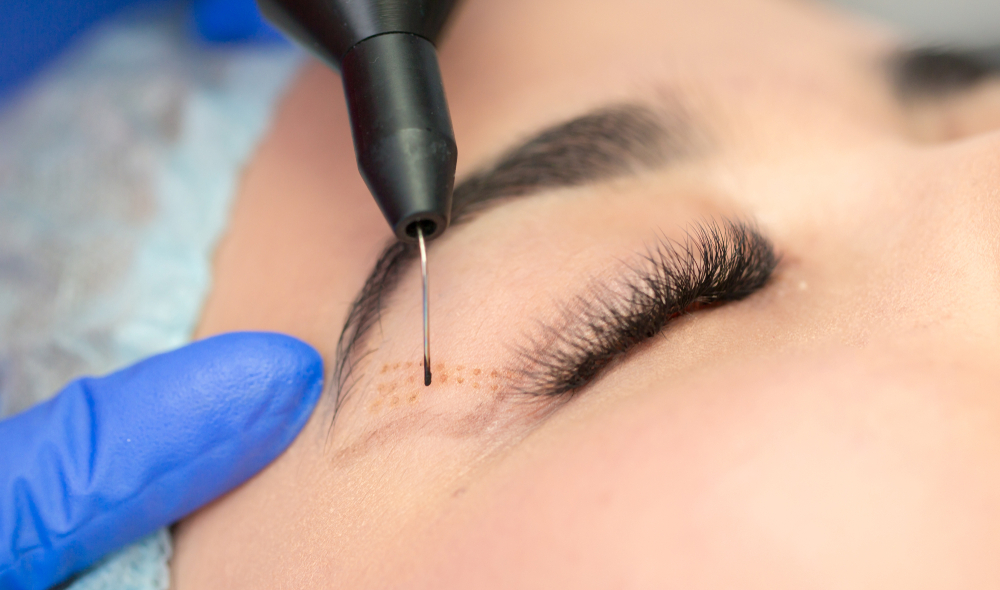
For the upper eyelid, technologies such as laser resurfacing, radiofrequency, or plasma (plasma lift) may be used to stimulate collagen production and mildly tighten the skin. However, they cannot replace surgery in cases of marked skin excess or drooping that interferes with vision.
For the lower eyelid, dermal fillers are often used to fill the tear trough and soften the transition between the lower lid and the cheek, thereby improving the appearance of under‑eye bags. Laser treatments and chemical peels may also be employed to enhance skin texture and reduce dark circles. Nonetheless, these procedures require periodic repetition and offer limited results compared with lower blepharoplasty, especially when there are prominent fat pockets.
In comparing upper and lower eyelid rejuvenation, non‑surgical techniques should be viewed as adjuncts or complementary options rather than complete alternatives to surgery. The choice between them depends on the degree and location of laxity—whether in the upper or lower lid—and on the patient’s goal, whether subtle refinement or a more pronounced and lasting correction.
Difference in Recovery Time Between Upper and Lower Eyelid Blepharoplasty
Recovery After Upper Eyelid Blepharoplasty
Recovery from upper eyelid blepharoplasty is generally quicker and more straightforward than recovery from lower eyelid surgery. The skin of the upper eyelid typically responds better to surgery and tends to heal faster.
During the first few days, patients usually experience mild to moderate swelling and some bruising, but these changes often begin to improve noticeably within about a week.
Most people can resume light day‑to‑day activities within 5–7 days, while strenuous physical exertion is best avoided for roughly two weeks to allow the incision to heal properly.
Stitches are commonly removed after 5–7 days. By around 2–3 weeks, the upper eyelid usually looks and feels more settled, with ongoing gradual improvement in scar appearance and the natural definition of the eyelid crease over time.
Recovery After Lower Eyelid Blepharoplasty
Recovery from lower eyelid blepharoplasty tends to be slightly longer and more delicate than upper eyelid surgery, as this area is more prone to fluid retention, swelling, and more visible bruising.
Swelling around the lower eyelid may last for about 2–3 weeks, and in some cases a bit longer, especially if the procedure involved removing or repositioning orbital fat beneath the eye.
After lower eyelid surgery, patients need to be particularly careful with eye care, including using cold compresses and any prescribed eye drops, while avoiding eye rubbing and deep bending of the head in the first few days.
Although most people can return to light daily activities after about 7–10 days, achieving a fully natural look in the lower eyelid area can take longer compared with upper eyelid surgery.
When Do Final Results Appear?
The difference in recovery time between upper and lower eyelid surgery is clearly reflected in how soon final results become visible.
With upper eyelid blepharoplasty, patients usually begin to notice a clear improvement in eyelid opening and eye appearance within about two weeks, and results can be considered almost final at around 6–8 weeks, with continued refinement of the scar and blending with the surrounding skin.
For lower eyelid blepharoplasty, final results typically take a bit longer due to persistent residual swelling and gradual changes in the skin under the eye, with the overall outcome usually stabilizing within 2–3 months.
Overall, closely following postoperative instructions after blepharoplasty helps speed up recovery and enhance the final aesthetic outcome for both upper and lower eyelids. The natural difference in healing time between the two areas is expected and reflects the distinct anatomical characteristics of each region around the eye, rather than indicating a complication.
Who Is a Suitable Candidate for Each Procedure?
The ideal candidate for upper eyelid blepharoplasty
The ideal candidate for upper eyelid blepharoplasty is someone with droopy or lax upper eyelid skin that makes the eyes look tired or sad, or that partially obstructs the upper field of vision.
This procedure is generally suitable for men and women over the age of thirty who notice upper eyelid ptosis or excess skin and fat accumulating in this area.
Upper eyelid blepharoplasty is particularly appropriate for medically healthy individuals who do not smoke, or who can stop smoking before and after surgery, and who do not suffer from uncontrolled conditions such as poorly controlled diabetes or severe hypertension.
It is essential that the patient has realistic expectations, seeking to improve the appearance of the upper eyelid and visual function rather than aiming for an unrealistic “perfect” look.
Consulting an oculoplastic surgeon or a facial plastic surgeon is key to determining whether upper eyelid surgery alone is sufficient, or whether it would be better combined with other procedures—such as a brow lift—to achieve a more harmonious result.
The ideal candidate for lower eyelid blepharoplasty
The ideal candidate for lower eyelid blepharoplasty is someone who has fatty prolapse under the eyes (“under-eye bags”) or loose skin of the lower eyelid that gives a tired appearance or makes them look older than their actual age.
This procedure is usually recommended for patients whose under-eye bags do not improve with lifestyle changes or topical creams, where the primary problem lies in excess fat and skin rather than pigment alone.
The patient should preferably be in good general health and free from significant ocular surface disease such as severe dry eye, or serious corneal or retinal disorders, as these conditions may require careful assessment before proceeding with lower eyelid surgery.
Patients must also understand that lower eyelid blepharoplasty primarily addresses puffiness and skin laxity, not dark circles caused by pigmentary changes or fragile blood vessels, which may require adjunctive treatments.
A detailed evaluation of the lower eyelid by a qualified surgeon helps in choosing the most appropriate technique—whether a transconjunctival approach from inside the eyelid or a fine external incision—to achieve a natural result that blends well with the rest of the face.
Who benefits from combining upper and lower blepharoplasty?
Some patients are excellent candidates for combining upper and lower eyelid blepharoplasty in a single operation, especially when they have both upper eyelid skin redundancy and under-eye bags or lower eyelid puffiness.
This group is often middle‑aged or older, with more global signs of periorbital aging—such as excess skin above and puffiness or wrinkles below—where treating only one area would lead to an imbalanced appearance.
An appropriate candidate for combined surgery should be in good overall health, able to tolerate a relatively longer recovery period, and prefer to achieve the desired improvement in one session rather than multiple staged procedures.
From an aesthetic standpoint, combining upper and lower eyelid blepharoplasty allows for comprehensive rejuvenation of the eye area, producing a more youthful, refreshed look that is in harmony with the rest of the facial features.
During the consultation, the surgeon assesses skin quality, muscle tone, and fat distribution in both the upper and lower eyelids, as well as the extent to which upper eyelid drooping affects vision. Based on this assessment, they determine whether the patient will benefit most from a single procedure or from combining upper and lower blepharoplasty to achieve the best possible outcome.
Can eyelid surgery be combined with other cosmetic procedures?
Yes. In many cases, upper and lower blepharoplasty can be performed in the same session alongside other cosmetic procedures to achieve a more harmonious overall facial result.
Eyelid surgery is often combined with a brow lift, facelift, or injectable treatments such as dermal fillers and Botox to smooth wrinkles around the eyes and rejuvenate the eye area.
This combination helps unify the aesthetic outcome and reduces the number of anesthesia sessions and recovery periods. However, the decision depends on your surgeon’s assessment of your general health, skin elasticity, and the severity of eyelid laxity.
For some patients, combining upper eyelid surgery with Botox injections to the forehead is sufficient. In contrast, those with prominent under‑eye bags may benefit more from lower blepharoplasty along with subtle filler injections to correct the tear trough hollow.
It is therefore essential to discuss your cosmetic goals with a board‑certified plastic surgeon, who can determine whether combining blepharoplasty with other procedures is safe and appropriate for you, and explain the differences in recovery time and potential risks for each procedure.
Best Eyelid Plastic Surgeon in Jeddah
Dr. Tarek Al-Najjar and His Expertise in Eyelid Cosmetic Surgery
Dr. Tarek Al‑Najjar is considered one of the leading oculoplastic surgeons in Jeddah, particularly in upper and lower eyelid lift (blepharoplasty) procedures.
He has extensive experience in managing upper eyelid ptosis and dermatochalasis, which can affect the appearance of the eyes and sometimes reduce visual acuity, as well as in lower eyelid tightening to treat under‑eye bags and “dark circles” caused by fat prolapse or skin laxity.
This combined expertise in upper and lower eyelid surgery enables him to tailor the most appropriate treatment plan for each patient, whether the primary goal is cosmetic enhancement or functional improvement of the visual field.
When choosing the best eye cosmetic surgeon in Jeddah, patients usually look for a doctor who combines surgical precision with a deep understanding of the anatomical differences between the upper and lower eyelids. This is exactly what distinguishes Dr. Tarek Al‑Najjar’s approach: he designs each procedure to suit the patient’s individual facial features and to achieve natural, well‑balanced results.
Dr. Tarek also makes a point of explaining to patients the differences between upper and lower blepharoplasty before surgery, clarifying the expected outcomes and recovery period. This transparency builds trust and helps those seeking the best eye cosmetic surgeon in Jeddah make a clear and confident decision.
Book a Professional Eyelid Surgery Consultation at Batal Eye Specialty Center
If you are considering upper eyelid blepharoplasty or lower eyelid blepharoplasty and want to understand the difference between the two procedures to choose what best suits your condition, you can book an eyelid aesthetics consultation at Batal Eye Specialty Complex with a select team of ophthalmologists and plastic surgeons specialized in this delicate type of surgery.
During the consultation, the surgeon will assess upper eyelid drooping (ptosis or dermatochalasis) and lower eyelid bags or puffiness, and evaluate how they affect both your vision and facial appearance. You will receive a detailed explanation of the expected results of each procedure, the anticipated recovery time, and possible risks, along with clarifying whether you need upper eyelid surgery alone, lower eyelid surgery alone, or a combined approach to achieve the optimal outcome.
At Batal Eye Specialty Complex, physicians rely on modern techniques and individualized treatment plans, ensuring you make an informed decision about eyelid surgery—whether your primary goal is cosmetic enhancement or correcting drooping that interferes with your visual field.
You can easily schedule your appointment by calling the Complex or through online booking, to obtain a reliable medical consultation that helps you clearly understand upper and lower eyelid lift procedures before proceeding with any surgical step.