Med info
Dry eyes after laser treatment


What Is Post-LASIK Dry Eye?
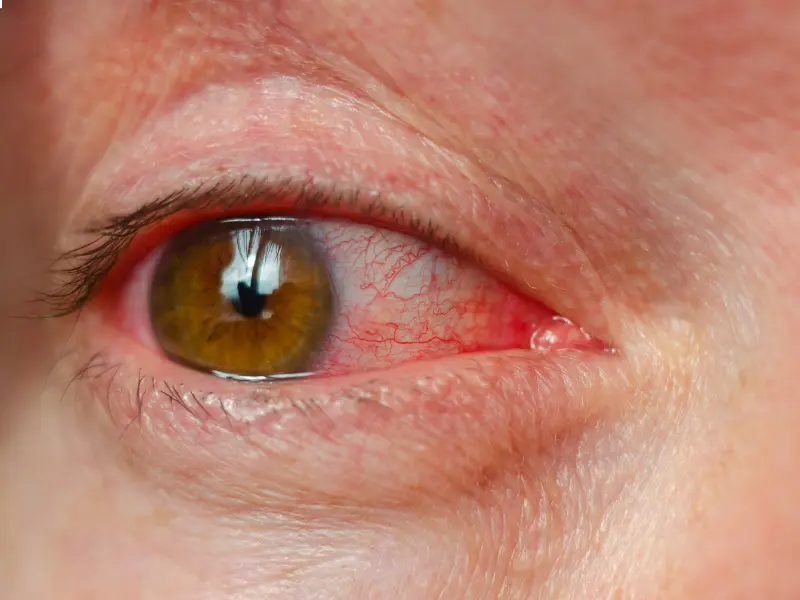
Post-LASIK dry eye is a common condition that can occur after laser vision correction procedures such as LASIK and femtosecond LASIK (Femto-LASIK). Patients may experience burning, stinging, or a sensation of grittiness or a foreign body in the eye. These symptoms result from a temporary reduction in tear production or an alteration in tear film quality.
This dryness occurs because the excimer laser temporarily affects the corneal nerve endings that play a key role in stimulating the lacrimal glands to produce tears. As a result, the ocular surface—particularly the cornea—may become less well lubricated in the period following surgery.
In most cases, post-LASIK dry eye is a transient condition that gradually improves over several weeks to a few months, especially with regular use of lubricating eye drops and adherence to the ophthalmologist’s aftercare instructions. However, in some patients, symptoms may persist longer, depending on their preoperative ocular surface status and individual variability.
Understanding what post-LASIK dry eye is and why it occurs helps reassure patients and supports early management of symptoms, which in turn enhances visual comfort and optimizes the long-term outcomes of laser vision correction.
Is Dry Eye After Laser Vision Correction Normal?
Experiencing dry eye after laser vision correction is a relatively common and generally expected side effect following procedures such as LASIK and Femto-LASIK. It usually results from the temporary effect of the laser on the corneal nerves that help stimulate natural tear production.
In most patients, post‑laser dry eye is temporary. It typically appears within the first few weeks to months after surgery, then gradually improves as the cornea heals and the nerve fibers recover their normal function.
Patients may notice burning, stinging, a gritty or foreign-body sensation, or temporary blurred vision. These symptoms are usually well controlled with lubricating eye drops (artificial tears) prescribed by the ophthalmologist, along with strict adherence to post‑operative care instructions.
However, if dryness is severe, persists longer than expected, or is associated with significant pain or a noticeable decline in visual acuity, it is essential to see an eye specialist promptly to reassess the condition and rule out other complications.
In summary, post‑laser dry eye is most often a normal, short‑term issue, but it does require proper follow‑up and adherence to the treatment plan to ensure safe healing and better long‑term visual comfort.
What Are the Symptoms of Post-LASIK Dry Eye?
Burning sensation and foreign-body feeling
A burning sensation in the eyes and the feeling that there is sand or a foreign body inside are among the most common symptoms of post‑LASIK dry eye.
This occurs because the tear film over the corneal surface becomes disturbed after laser surgery, causing increased friction between the eyelid and the cornea.
These symptoms may intensify with prolonged screen use or exposure to dry, air‑conditioned environments, and they usually improve with lubricating eye drops and strict adherence to postoperative instructions.
Temporary blurred vision
Temporary blurred vision is an expected manifestation of dry eye after laser vision correction and typically presents as haziness or difficulty focusing, especially during reading or driving.
This blurring occurs because the tear film becomes unstable, altering the smoothness of the corneal surface and consequently affecting the clarity of the image projected onto the retina.
Visual fluctuations are often intermittent and tend to improve after instilling artificial tears or giving the eyes a break from visual strain.
Light sensitivity (photophobia)
Increased light sensitivity (photophobia) is another symptom associated with post‑LASIK dry eye. Patients may experience discomfort or mild pain when exposed to bright light, whether sunlight or light from digital screens.
This symptom is linked to irritation of the corneal surface due to reduced natural lubrication of the eye, which makes it more reactive to external stimuli.
Light sensitivity typically subsides gradually as the ocular surface and tear film improve with treatment. Wearing protective sunglasses outdoors can help reduce discomfort.
Fluctuating vision quality throughout the day
One of the hallmark features of post‑LASIK dry eye is fluctuating visual acuity over the course of the day. Patients may notice that their vision is clear at certain times and less sharp at others, without an obvious trigger.
These fluctuations are related to changes in the degree of dryness, which is influenced by several factors such as prolonged screen time, reduced blinking, and exposure to dry or air‑conditioned air.
Optimizing the work environment, taking regular visual breaks, and using lubricating eye drops as directed by the ophthalmologist can help minimize these fluctuations and improve the stability of vision after laser surgery.
How long does dry eye last after laser vision correction?

The duration of post‑laser dry eye varies from person to person, but it typically ranges from a few weeks up to about 3–6 months, until the cornea and superficial nerve fibers recover their normal function.
In most cases, dry eye after procedures such as LASIK or PRK is temporary. Symptoms are usually more noticeable during the first few months because the laser affects the corneal nerves that stimulate tear production. With regular use of lubricating eye drops and adherence to medical advice, symptoms generally improve gradually.
Some patients—especially those who already had dry eye before surgery or who spend prolonged hours on digital screens—may experience symptoms for a longer period, sometimes up to a year. Even then, the dryness is often milder and can usually be managed with appropriate treatment.
It is essential to inform your ophthalmologist if dry eye persists after laser surgery or if symptoms worsen, such as burning, a gritty or sandy sensation, or blurred vision. Early follow‑up and adjusting the treatment plan can help speed up recovery and reduce day‑to‑day discomfort.
Treatment of Post‑Laser Dry Eye
Lubricating Eye Drops and Their Importance
Lubricating eye drops are the cornerstone of managing post‑LASIK dry eye, especially during the first weeks and months after surgery.
They compensate for the reduced natural tear production and help relieve burning, stinging, and the sensation of having a foreign body in the eye.
Preservative‑free artificial tears are generally preferred, as the ocular surface is more sensitive after laser procedures and can be easily irritated by additives.
Strict adherence to the dosing schedule prescribed by the ophthalmologist promotes faster corneal epithelial healing and reduces the risk of long‑lasting post‑LASIK dryness.
Depending on the severity of dryness, the physician may select more viscous formulations or lubricating gels/ointments for nighttime use to ensure continuous hydration during sleep.
When Are Additional Medications Needed?
In some cases, lubricating drops alone are not sufficient to control post‑LASIK dry eye, particularly when symptoms are severe or persist for a prolonged period.
Additional pharmacologic treatment may be required if the patient experiences significant pain, persistent blurred vision, recurrent redness, or clinical signs of ocular surface inflammation.
At this stage, the ophthalmologist may prescribe anti‑inflammatory eye drops (such as topical corticosteroids or cyclosporine/lifitegrast) for limited, carefully monitored courses, or agents that stimulate the lacrimal glands to increase tear secretion.
These therapies aim to improve tear film quality, reduce inflammation associated with dry eye after laser surgery, and protect the cornea from potential complications.
Self‑medication with eye drops is strongly discouraged, as certain products—such as redness‑relieving vasoconstrictor drops—can worsen dryness over time.
Advanced Treatments for Chronic Cases
When post‑LASIK dry eye becomes chronic and responds poorly to standard lubricants and conventional measures, more advanced treatment options may be considered.
These may include prescription eye drops specifically formulated to promote regeneration of the corneal epithelium, or long‑term anti‑inflammatory and tear‑modulating therapies to control chronic ocular surface disease.
In specialized centers, autologous serum eye drops—prepared from the patient’s own blood—may be recommended in severe cases to support corneal tissue healing and reduce persistent symptoms.
Adjunctive measures such as warm compresses and eyelid massage can be used to treat Meibomian gland dysfunction, which affects the lipid layer of the tear film and often aggravates post‑LASIK dryness.
Selection of an advanced treatment strategy is based on a comprehensive assessment of the eye, the degree of dryness, and specialized tests evaluating the tear film and corneal surface integrity.
When to Consider Punctal Occlusion
Punctal occlusion (plugging of the tear drainage ducts) is an advanced option for treating post‑LASIK dry eye when topical lubrication and medications fail to provide adequate relief.
It is usually reserved for moderate to severe cases, in which the ophthalmologist inserts small punctal plugs into the tear drainage canals to retain natural tears and artificial drops on the ocular surface for a longer period.
Punctal occlusion can significantly improve ocular hydration and visual comfort, particularly in patients who continue to experience frequent dryness throughout the day despite strict adherence to conventional therapy.
In many instances, the physician will start with temporary (dissolvable) plugs to assess the response; if symptoms improve, semi‑permanent plugs may be considered.
The decision to proceed with punctal occlusion is made after a thorough review of the patient’s medical and ocular history and a detailed eye examination, to ensure that this intervention is both appropriate and safe within the overall management plan for post‑LASIK dry eye.
How can dry eyes be relieved at home?
Post‑laser eye dryness can often be eased at home by following a few simple measures that support corneal healing and reduce burning, stinging, and discomfort.
Using preservative‑free artificial tears regularly is strongly recommended, especially during the first few weeks after laser eye surgery, as the eyes are more prone to dryness in this period.
Applying warm compresses to the eyelids for a few minutes each day helps stimulate the meibomian glands to release natural oils, which enhances the stability of the tear film on the eye’s surface.
Keeping indoor air humidified with a humidifier or even a bowl of water in the room can reduce tear evaporation. It is also important to avoid direct exposure to air from air conditioners or fans.
When using a smartphone or computer for extended periods after laser surgery, it is advisable to follow the 20–20–20 rule: every 20 minutes, look at something 20 feet away for 20 seconds, while consciously blinking more often to help spread the tears evenly over the eye.
Drinking enough water and consuming foods rich in omega‑3 fatty acids—such as fish and nuts—can improve the quality of the tear film from within.
Although these measures can significantly relieve dryness after LASIK or femto‑LASIK, it is essential to see an ophthalmologist promptly if severe dryness, pain, or blurred vision persists, to rule out any complications that may require direct medical treatment.
Does Dry Eye Affect Vision Correction Surgery Results?
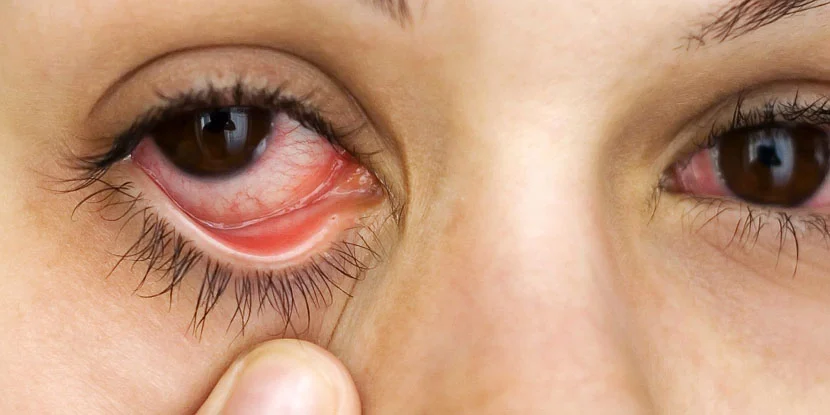
Yes. If dry eye after laser vision correction isn’t properly diagnosed and treated, it can impact both the accuracy of the result and the comfort of your vision.
When the corneal surface becomes dry after procedures such as LASIK or Femto-LASIK, patients may experience temporary blurry or fluctuating vision throughout the day, along with burning, stinging, or a sensation of grittiness or a foreign body in the eye.
These symptoms are usually temporary and improve with regular use of lubricating eye drops and adherence to your ophthalmologist’s instructions. However, if dryness is severe or left untreated, it can delay visual stabilization and reduce the quality of vision, especially in low‑light conditions.
For this reason, ophthalmologists routinely assess the ocular surface and screen for dry eye disease before performing laser vision correction. If significant dryness is present, they may postpone the surgery and start intensive lubrication or other dry eye treatments first, to optimize the ocular surface, achieve the best possible visual outcome, and reduce the risk of post‑laser dry eye complications.
When should you seek immediate medical attention?
Severe or Worsening Pain
It’s normal to experience some discomfort or a mild burning sensation due to dry eye after laser eye surgery.
However, if this turns into intense pain, or if the pain keeps getting worse instead of improving, you should contact your doctor immediately.
Severe or progressive pain after laser vision correction can indicate a problem with the corneal surface, inflammation, or a corneal abrasion, and is not usually due to simple dry eye alone.
Early evaluation and intervention by an ophthalmologist help prevent complications and protect visual quality after the procedure.
Unusual Redness of the Eye
Mild redness after laser surgery is common and may be related to dryness or minor irritation, and often improves with lubricating eye drops.
If you notice marked redness, or if the redness is increasing and accompanied by burning, itching, or pain, you need to see your doctor without delay.
Abnormal redness after laser surgery may signal keratitis, conjunctivitis, or a strong allergic reaction to the prescribed eye drops.
Identifying the cause of the redness early allows for prompt treatment, stabilizes the ocular surface in the setting of post‑LASIK dry eye, and helps prevent worsening of the condition.
Sudden Deterioration in Vision
Some degree of visual fluctuation is expected in the first few days after laser vision correction, especially in the presence of dry eye.
But any sudden, noticeable drop in visual acuity, or significant blurring that was not present before, requires urgent assessment by an ophthalmologist.
A sudden decline in vision after laser surgery may indicate corneal edema, infection or inflammation, displacement of the corneal flap (in procedures like LASIK), or other complications more serious than uncomplicated dry eye.
Rapid identification of the cause of vision loss is crucial to protect the eye and prevent permanent corneal damage or lasting visual impairment.
Signs of Infection or Other Complications
In the context of post‑LASIK dry eye, any unusual symptoms that might point to infection or other complications should be taken seriously.
These include abnormal eye discharge, noticeable eyelid swelling, marked light sensitivity (photophobia), fever, or a persistent foreign‑body sensation that does not improve with lubricating drops.
When such symptoms appear alongside dry eye after laser surgery, urgent medical review is essential, as corneal infections or deep-seated inflammation require prompt treatment with antibiotics or anti‑inflammatory medications.
Ignoring these warning signs can lead to serious complications affecting the cornea, the outcome of the laser procedure, and long‑term vision.
Best Eye Surgeon for Vision Correction in Jeddah
Dr. Bara’a Fahham and His Expertise in Vision Correction
For anyone looking for the best vision correction specialist in Jeddah, Dr. Bara’a Fahham is considered one of the leading ophthalmologists, especially for patients who are concerned about complications such as post‑laser dry eye.
Dr. Fahham has extensive experience with the latest laser vision correction techniques, with particular emphasis on assessing the cornea and tear film before surgery to reduce the likelihood of dryness.
He relies on comprehensive preoperative testing, including corneal thickness measurements, evaluation of tear film quality, and assessment of ocular surface sensitivity. This enables him to determine the most appropriate vision correction procedure for each patient—whether LASIK, Femto‑SMILE, or alternative options when there is a high risk of developing dry eye.
This stepwise, evidence‑based approach to evaluation and treatment is a key reason many patients consider him a top choice when searching for the best eye doctor for vision correction in Jeddah, particularly for those seeking to minimize the risk of post‑laser dry eye and to optimize long‑term visual comfort.
Book Your Consultation at Batal Eye Specialist Center
If you’re experiencing dry eyes after laser vision correction, or you’re considering a laser eye surgery such as LASIK and want to understand the risk of dry eye and how to prevent it, you can easily book a consultation at Batal Eye Specialist Center by phone or online.
Our board-certified ophthalmologists provide a thorough assessment of your cornea and tear film, and clearly explain the causes of post-laser dry eye, how suitable laser correction is for your case, and the available treatment options, such as advanced lubricating eye drops, punctal plugs, and other therapies.
The goal of the consultation is to address all your questions about dry eye after laser surgery, and to design a personalized treatment plan that helps you quickly relieve symptoms while maintaining the safety and stability of your surgical results, with regular follow-up to ensure long‑term visual stability and lasting comfort.