
Med info
Newborn and premature baby eye examination

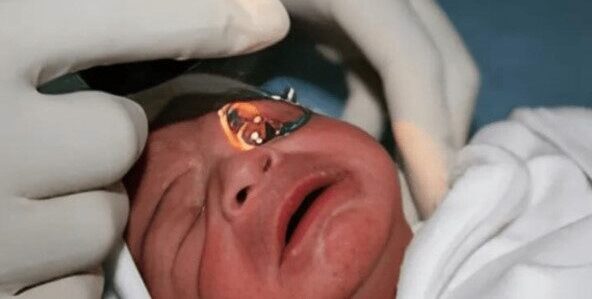
What Is an Eye Examination for Newborns and Premature Infants?
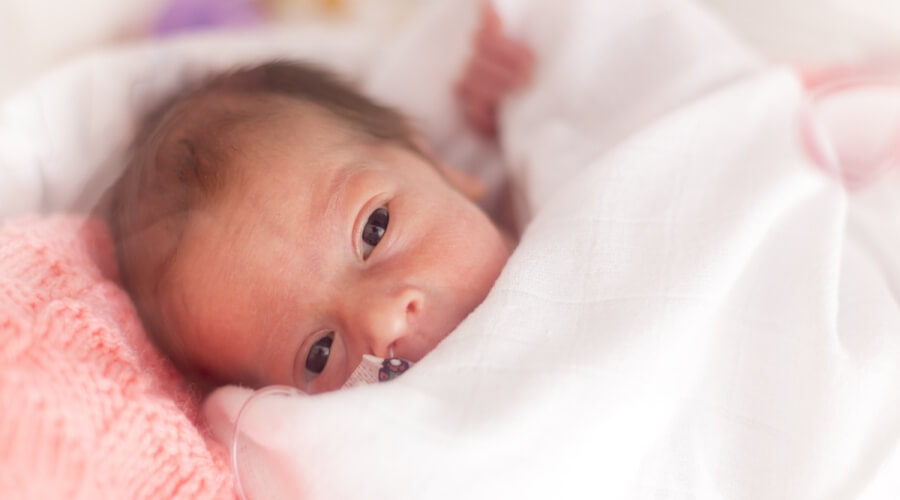
An eye examination for newborns and premature infants is an early, comprehensive assessment of eye health and vision. Its purpose is to detect any problems affecting the retina, cornea, lens, or optic nerves during the first days and weeks of life.
This examination is performed by a pediatric ophthalmologist using simple, safe tools such as an ophthalmoscope and pupil‑dilating eye drops, without causing pain to the baby.
The exam is particularly crucial for premature infants, as it enables early detection of retinopathy of prematurity and complications related to neonatal intensive care and oxygen therapy, allowing timely intervention before visual impairment or blindness occurs.
It also helps identify early refractive errors, strabismus, and congenital eye abnormalities that parents may not notice at home, thereby protecting the child’s vision and supporting healthy visual and cognitive development.
The importance of early eye screening for newborns and premature infants
Early eye screening for newborns and preterm babies is a critical step to detect any visual problems or congenital abnormalities before they progress and cause permanent damage to the child’s eyesight.
This early assessment helps identify conditions such as retinopathy of prematurity (ROP), congenital cataracts, and congenital glaucoma, as well as retinal and optic nerve disorders that may not show any obvious signs during the first days or weeks of life.
The earlier eye conditions are diagnosed, the greater the chances of successful treatment and of protecting the child from visual impairment or permanent blindness. This is especially important in premature infants, who are at higher risk of eye complications due to incomplete development of the retinal blood vessels.
For this reason, international medical guidelines recommend that all newborns undergo a comprehensive eye examination, with closer and more frequent follow‑up for preterm infants and those with specific risk factors, such as very low birth weight or prolonged admission to a neonatal intensive care unit (NICU).
Early eye screening offers both the child and the parents a vital opportunity for timely intervention, helping to ensure normal visual development that supports the child’s motor and cognitive growth in the early years of life.
Who Needs Newborn Eye Screening?
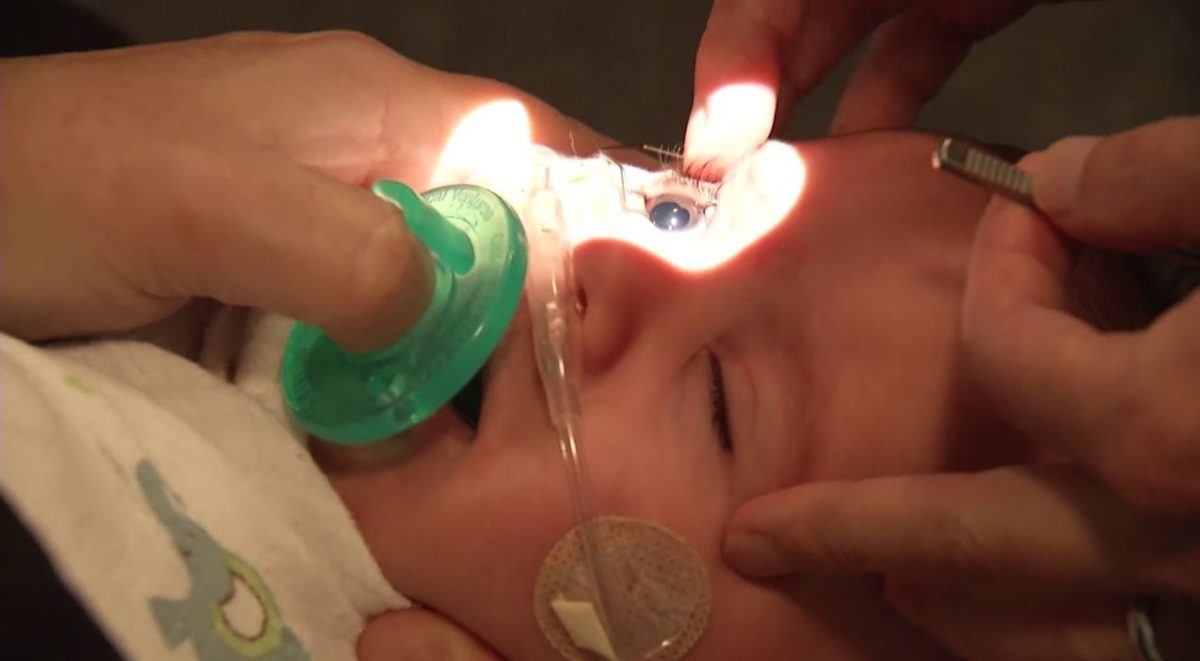
Newborn eye screening is recommended for all babies as a routine part of the postnatal medical check-up. It helps ensure that their vision is healthy and allows for early detection of silent or hidden eye problems.
This screening becomes even more critical in certain situations, such as:
- A family history of inherited eye diseases
- Premature birth
- Low birth weight
- Birth complications, including lack of oxygen during delivery
Early eye examination is also important if parents notice any of the following:
- Noticeable eye misalignment (strabismus or “crossed eyes”)
- A white reflex or whiteness in the pupil
- Involuntary eye movements (nystagmus)
- Persistent tearing or redness without an obvious cause
Newborns should also have their eyes checked if the mother had certain conditions during pregnancy, such as:
- Diabetes
- Preeclampsia
- Viral infections
Early screening makes it possible to diagnose conditions like:
- Congenital cataract
- Congenital glaucoma
- Retinopathy of prematurity
Timely diagnosis allows for prompt treatment and helps protect the child’s vision in the long term.
When should screening be done? Recommended timing and schedule to serve the study objectives
A newborn eye examination is recommended immediately after birth in the hospital to allow early detection of any congenital anomalies or serious eye conditions such as congenital cataract or retinopathy.
Subsequently, it is preferable to repeat the eye examination at 6 months of age, then at 12 months, and once more between 3–4 years of age to ensure normal visual development and to detect strabismus or amblyopia before they have a lasting impact on vision.
From the age of 4–5 years until school entry, children are best examined once every one to two years, particularly when there is a family history of eye disease, or if the child complains of headaches, or tends to sit very close to the television or hold books too near.
At any age, if parents notice worrisome signs such as persistent redness, frequent tearing, a white reflex in the pupil, or difficulty tracking objects, a pediatric eye examination should be scheduled immediately without waiting for the next routine visit.
How Newborn Eye Examinations Are Performed at Batal Complex to Support the Research Objective
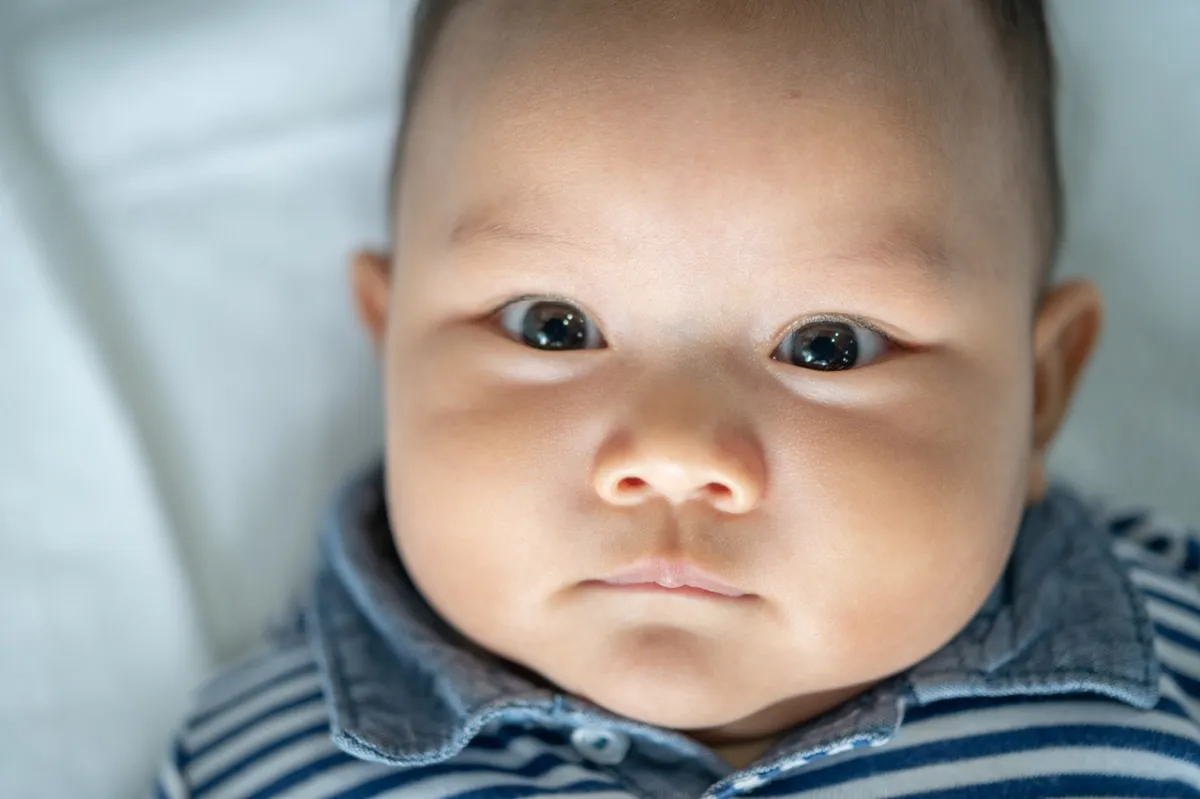
At Batal Medical Complex, newborn eye examinations are conducted according to up-to-date clinical protocols to ensure early detection of any problems and to protect visual health in the long term.
The assessment begins with a brief medical history taken from the parents, covering details of pregnancy and delivery, as well as any family history of hereditary eye diseases. The ophthalmologist then examines the eyelids, cornea, and lens, and assesses eye movements using specialized illumination and infant‑safe magnification devices.
A Red Reflex test is performed to confirm lens clarity and to rule out conditions such as congenital cataract and retinoblastoma. The baby’s response to light and ocular alignment are also evaluated to detect any early signs of strabismus.
In selected cases, the pupils are gently dilated using pediatric‑safe eye drops to allow a detailed examination of the fundus and retina.
The Batal Complex team is committed to ensuring that newborn eye examinations are quick, painless, and carried out in the presence of the parents, with clear explanation of each step and its findings. When necessary, a follow‑up or treatment plan is provided to support healthy visual development from the very first days of the child’s life.
Post‑treatment Follow‑up and Examination Schedules in Line with the Study Objectives
Once neonatal and pediatric eye examinations are completed and any initial treatment has been provided, a regular follow‑up phase begins. This phase is essential for early detection of visual changes or the onset and progression of ocular diseases in children.
Ophthalmologists typically recommend a structured examination schedule that includes a comprehensive eye exam shortly after birth, followed by another at 6 months of age, then at 3 years, again before starting school, and subsequently routine check‑ups every one to two years, depending on the child’s condition and family history of eye disease.
If conditions such as strabismus, amblyopia, retinopathy of prematurity (ROP), or any other abnormal findings are detected during pediatric eye screening, a more intensive follow‑up plan is implemented, with shorter intervals (e.g., every 3–6 months). This allows close monitoring of treatment efficacy and timely adjustment of spectacles, contact lenses, or vision therapy programs as needed.
Adhering to post‑treatment follow‑up schedules helps preserve the child’s vision, enhances the likelihood of successful early intervention, and reduces the risk of long‑term complications. It also provides parents with regular opportunities to ask questions and track the development of their child’s visual function and visual skills at each age.
Parent Guidelines: How to Prepare for the Eye Exam and What to Bring (Aligned with the Study Objective)
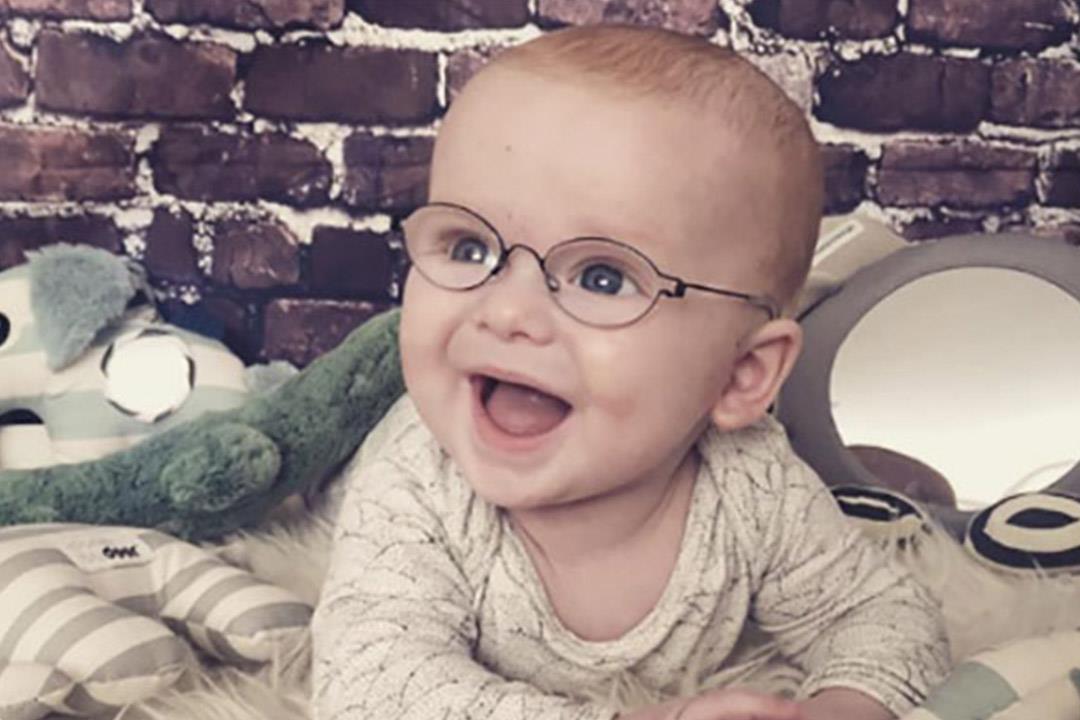
To ensure a successful eye examination for newborns and young children, it’s important for parents to prepare well before the visit and know what to bring.
Try to schedule the appointment at a time when your child is usually calm and comfortable, such as after a nap or feeding. This helps reduce crying and stress during the eye exam.
Bring your child’s medical file or vaccination card, along with any previous reports or test results related to eye or neurological examinations. Also prepare a list of any medications or eye drops your child is currently using, if applicable.
It is also helpful to write down any observations you have about your child’s vision, such as eye crossing or drifting (strabismus), frequent blinking, sitting very close to the TV or books, recurrent eye redness, or unusual discharge. These details help the ophthalmologist assess your child’s condition more accurately.
Have a small toy or your child’s favorite blanket ready to comfort and distract them during the exam. Don’t forget extra diapers and a bottle or light snack, if age-appropriate.
If there is a family history of eye conditions such as strabismus, amblyopia (“lazy eye”), or high myopia (severe nearsightedness), make sure to inform the doctor, as this increases the importance of regular follow‑up.
These simple steps help make newborn and pediatric eye examinations smoother and ensure that your child receives an accurate assessment, in line with the study’s aim of identifying the best ways to prepare for children’s eye exams.
Best Eye Specialist for Newborns and Premature Babies in Jeddah – Dr. Mohammed Jayyid (Optimized for Search Intent)
Choosing the best eye doctor for newborns and premature infants in Jeddah is a crucial step to protecting your baby’s vision from the very first days of life. Among the leading consultants in this field is Dr. Mohammed Jayyid, known for his extensive experience in diagnosing and treating eye conditions in newborns and preterm infants, such as retinopathy of prematurity (ROP), congenital visual impairment, and strabismus (squint).
Dr. Mohammed Jayyid relies on advanced, child‑safe diagnostic equipment and follows internationally recognized clinical protocols to ensure early detection of any problems affecting the retina, optic nerve, or cornea—with special attention to premature babies, who are at higher risk of serious vision complications.
He makes a point of explaining the child’s condition to parents in clear, simple language and offers a structured follow‑up plan to monitor visual development and ensure that eyesight progresses normally. This patient‑centred approach makes him a strong choice for anyone searching for the best pediatric ophthalmologist or newborn eye specialist in Jeddah for accurate eye examination and reassurance about their child’s eye health.
Book an eye exam for your child now at Batal Specialized Eye Center
At Batal Specialized Eye Center, we offer comprehensive eye examinations for newborns and children using state‑of‑the‑art diagnostic equipment, under the supervision of pediatric ophthalmology consultants. Our goal is to ensure your child’s visual health and to detect any issues early, such as strabismus (eye misalignment), amblyopia (lazy eye), refractive errors (like myopia, hyperopia, and astigmatism), or retinal and optic nerve diseases.
You can easily schedule your child’s eye exam by phone or through our online booking system, ensuring a thorough assessment of visual acuity and a detailed examination of the ocular structures, tailored to the child’s age and specific needs.
We are committed to providing a child‑friendly, safe environment, clearly explaining each examination step to parents, and offering a well‑defined treatment or follow‑up plan when needed. Booking a pediatric eye exam at Batal Specialized Eye Center is a proactive step toward protecting your child’s vision in the long term.