
Med info
Early vision problems in children: signs that should not be ignored

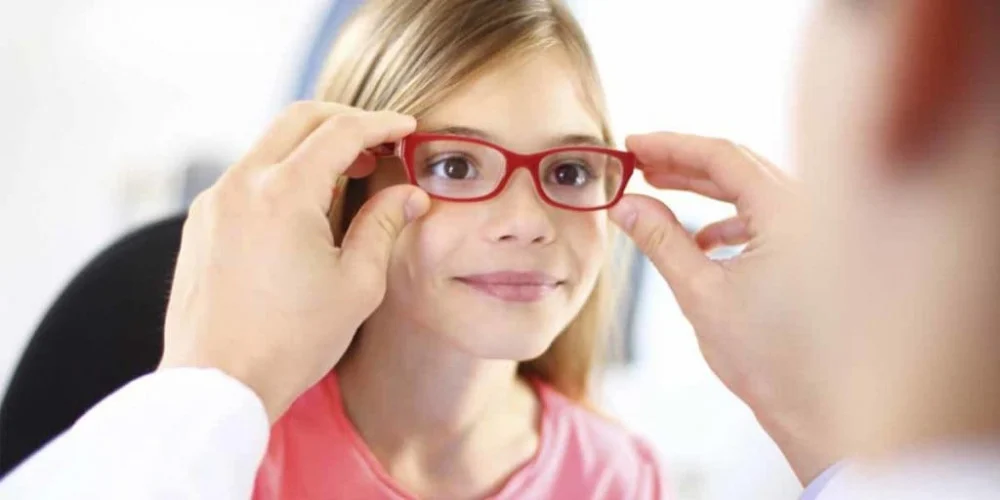
Why is early diagnosis of visual impairment important?

Identifying vision problems at an early stage is crucial because it enables timely intervention before the issue progresses to complications that can permanently affect sight and overall quality of life. Early detection helps correct common refractive errors—such as myopia (short‑sightedness), hyperopia (long‑sightedness), and astigmatism—before they lead to chronic headaches, eye strain, or a decline in academic performance in children.
Moreover, diagnosing reduced vision early can uncover more serious eye conditions such as amblyopia (lazy eye), glaucoma, or retinopathy, all of which may cause gradual, sometimes irreversible, loss of vision if not treated promptly.
From a preventive standpoint, regular eye examinations and monitoring any changes in vision help in selecting the most appropriate treatment at the right time—whether prescription glasses, contact lenses, or specialized pediatric therapies. This approach reduces the risk of future visual deterioration and helps maintain optimal visual function for as long as possible.
Causes of Early-Onset Visual Impairment
Refractive errors (myopia, hyperopia, and astigmatism)
Refractive errors are among the most common causes of early visual impairment in children and adolescents.
When light rays are not properly focused inside the eye, problems arise such as myopia (short-sightedness), which makes distant objects appear blurry; hyperopia (long-sightedness), which mainly affects the clarity of near objects; and astigmatism, which causes distorted or blurred vision at all distances.
If these refractive errors are not corrected with appropriate eyeglasses or contact lenses, they can lead to eye strain, headaches, and poor school performance, and may contribute over time to the development of amblyopia (lazy eye).
Regular eye examinations for children are therefore recommended to detect refractive errors early and correct them before they result in permanent visual impairment.
Amblyopia (lazy eye) and early strabismus
Amblyopia is a cause of early visual impairment that often goes unnoticed by parents in its initial stages.
It occurs when vision in one eye does not develop normally, most commonly due to early-onset strabismus (eye misalignment) or a significant difference in refractive power between the two eyes (anisometropia).
The brain gradually suppresses the image coming from the weaker eye and relies on the stronger eye, leading to progressive visual loss in the amblyopic eye that may become permanent if not treated in time.
Early detection of strabismus, and consulting an ophthalmologist when any eye deviation is noticed or when a child tends to close one eye, helps initiate treatment early and improve visual acuity before the visual system has fully matured.
Retinal diseases, congenital anomalies, and optic–neurological problems
Some children are born with congenital eye abnormalities or retinal diseases that clearly result in early visual impairment.
These include inherited retinal dystrophies, optic nerve malformations, and disorders affecting the macula (the central part of the retina responsible for sharp vision).
In addition, neurological visual problems can arise from brain injury or diseases affecting the visual pathways, causing reduced visual acuity or visual field defects even when the eyes appear structurally normal from the outside.
Early diagnosis of these conditions by a pediatric ophthalmologist, using advanced investigations such as retinal imaging and optic nerve evaluation, helps in formulating a treatment or visual rehabilitation plan to minimize their impact on the child’s visual development and overall quality of life.
Eye injuries, infections, and inflammatory conditions
Direct eye trauma and severe ocular infections are important causes of early visual impairment if not managed promptly and appropriately.
A strong blow to the eye, the entry of a foreign body, or playing with sharp objects can damage the cornea, lens, or retina, leading to reduced visual clarity.
Similarly, eye infections in children—such as keratitis or severe conjunctivitis—as well as certain intraocular inflammations (uveitis and others), can leave permanent opacities or scarring that affect vision.
Being alert to signs such as marked redness, sudden eye pain, persistent tearing, or pronounced light sensitivity, and seeking urgent medical attention, reduces the risk of permanent visual loss resulting from these injuries or inflammatory conditions.
Genetic and metabolic factors (such as diabetes)
Genetic and metabolic factors play a significant role in early-onset visual impairment in children.
A family history of high myopia, inherited retinal diseases, or congenital eye anomalies increases the likelihood that a child will develop visual problems from a young age.
Moreover, certain metabolic and chronic diseases—such as childhood diabetes mellitus—can affect the small blood vessels in the retina, gradually leading to diabetic retinopathy, which can impair vision if blood glucose levels are not well controlled.
Regular follow-up with an ophthalmologist for children who have genetic risk factors or chronic illnesses is crucial for early detection of any ocular changes and for initiating treatment or preventive measures before permanent visual damage develops.
Risk factors that increase the likelihood of early-onset vision problems.
When Does Early Vision Impairment Appear? Onset Timing and Stages by Age (Search-Intent Optimized)

Early vision problems can appear at different ages depending on the type of visual disorder, as well as genetic and environmental factors. Some warning signs may show up very early in infancy, such as not tracking moving objects or persistent eye misalignment beyond 6 months of age. These are red flags that warrant an eye examination by an ophthalmologist to rule out underlying vision problems.
In early childhood (around 3–8 years), conditions like myopia (nearsightedness), hyperopia (farsightedness), and astigmatism become more common. At this stage, children may sit very close to the TV, hold books too near, or complain of headaches and difficulty seeing what’s written on the classroom board. Clinically, this is when we often talk about “early vision impairment in children” during a critical phase of visual development.
During adolescence, early-onset vision problems may progress, particularly myopia, often aggravated by intensive screen use and studying. Teenagers may notice increasing blur in distance vision or a frequent need to change their glasses prescription.
In young adults, early vision issues may only be noticed in specific situations, such as night driving or prolonged computer work. After the age of 40, presbyopia (age-related difficulty focusing on near objects) typically appears. Although this is a normal physiological change, it represents a new stage of vision decline that still requires proper monitoring and correction.
Recognizing when and how early vision impairment appears at each age makes it easier to detect and treat it promptly, helping to prevent complications through regular eye exams and adherence to evidence-based eye-care recommendations.
How is early vision impairment diagnosed?
Early-Stage Vision Impairment Treatment Options (with a Search-Intent Focus)
Managing early-stage vision impairment always starts with a comprehensive eye examination by an ophthalmologist to accurately identify the underlying cause, whether it’s myopia (nearsightedness), hyperopia (farsightedness), astigmatism, or early cataract formation.
In most cases, treatment relies on prescription eyeglasses or contact lenses that are specifically tailored to correct the refractive error and improve visual clarity, with regular follow‑up visits to adjust the prescription when needed.
For some adults with early visual weakening, laser vision correction procedures—such as LASIK or surface ablation techniques (like PRK)—may be considered, but only after confirming adequate corneal thickness and stable refraction.
Adopting healthy visual habits is also strongly recommended, including taking regular breaks from digital screens, optimizing ambient lighting, and avoiding reading in poor light. These measures help reduce eye strain and may slow the progression of vision problems.
In children, early detection, consistent use of prescribed glasses, and adherence to the ophthalmologist’s instructions are crucial to prevent worsening of early vision impairment and to support proper visual development.
Prescription Glasses and Refractive Error Correction in Children
Prescription glasses are the primary and most important tool for managing early visual impairment in children, especially in cases of myopia (short‑sightedness), hyperopia (long‑sightedness), and astigmatism.
By correcting the refractive error, glasses focus images clearly on the retina, helping the child’s brain develop normal visual pathways and reducing the risk of amblyopia (lazy eye) or strabismus (squint).
The ophthalmologist selects the appropriate prescription after a comprehensive eye examination, taking into account the child’s age and daily activities. Regular follow‑up is recommended to adjust the prescription as the child grows and the eye’s refractive power changes.
Consistent, correct use of glasses for an adequate number of hours each day is a cornerstone of early visual rehabilitation and is crucial to preventing long‑term complications.
Contact Lenses and Their Role in Selected Age Groups
Contact lenses may be used as an adjunct in treating early visual problems in certain cases among older children and adolescents—for example, in high myopia or when there is a marked difference in refractive power between the two eyes (anisometropia).
In some situations, contact lenses provide a wider field of view than glasses and can be a practical option for children who are very active in sports, provided that strict hygiene and proper lens care are maintained.
However, contact lenses are not suitable for every child. An ophthalmologist should determine their safety and appropriateness based on the child’s age, maturity, and ability to handle lens care in order to avoid infections and other complications.
Managing Amblyopia (Patching, Visual Stimulation, and Vision Therapy)
Treating amblyopia (lazy eye) is a key component of early visual rehabilitation, as neglecting it may result in permanent reduction of visual acuity in the affected eye.
Management usually involves patching the better‑seeing eye for specific hours each day, forcing the brain to use the weaker eye and stimulating its visual development.
This may be complemented by visual stimulation exercises and activities that require fine visual focus, as well as structured vision therapy or behavioral visual programs supervised by a pediatric optometrist or pediatric ophthalmology team.
The earlier amblyopia is treated, the better the chances of recovering good vision, so parents are strongly advised not to delay assessment if they notice any weakness or asymmetry between the two eyes.
Treating Strabismus and Extraocular Muscle Surgery When Needed
Strabismus (eye misalignment) is closely linked to early visual problems and, if left untreated, can lead to amblyopia and loss of proper binocular coordination.
Initial management usually relies on non‑surgical options such as prescription glasses, treatment of amblyopia when present, and in some cases prism glasses to help realign the eyes.
When conservative measures are insufficient, the ophthalmologist may recommend extraocular muscle surgery to adjust the eye muscles and restore proper alignment, improving both visual function and cosmetic appearance.
Early intervention for strabismus is an important part of managing childhood visual impairment, as it helps develop normal binocular vision and depth perception and reduces the risk of long‑term, irreversible problems.
Surgery and Other Interventional Procedures (When They Are Indicated)
Surgery is not the first‑line option for early visual impairment in children, but it may be essential in certain conditions such as congenital cataract or structural ocular abnormalities that impede normal visual development.
In such cases, the ophthalmologist carefully weighs the benefits and risks of surgery and designs a comprehensive treatment plan that includes the surgical intervention followed by supportive measures such as glasses, contact lenses, and amblyopia therapy when needed.
Other interventional procedures—such as intravitreal injections—may be used for specific pediatric eye diseases, though these situations are less common in early childhood.
Fundamentally, any surgical or advanced intervention should be integrated into a holistic management strategy for early visual impairment, with the overarching goal of optimizing visual acuity and supporting the child’s visual development as effectively as possible.
When Should You See an Eye Doctor Immediately? Warning Signs You Must Not Ignore
Early vision impairment may seem like a minor issue, but in some cases it can be a sign of a serious condition that requires urgent assessment by an ophthalmologist and must not be delayed.
Seek emergency medical care right away if you notice sudden blurred vision, partial or complete loss of sight in one eye, or a sudden onset of many black floaters or flashes of light. These can be signs of retinal detachment or intraocular bleeding.
Severe eye pain, marked redness of the eye accompanied by headache and nausea, or seeing colored halos around lights are also red flags for a dangerous rise in intraocular pressure (acute angle-closure glaucoma), which can lead to permanent vision loss if not treated promptly.
You should also see an eye doctor immediately if you sustain direct trauma to the eye, if a foreign body enters the eye, or if you are exposed to a chemical substance—especially when this is associated with sudden visual decline or difficulty opening the eye.
Recognizing these symptoms and seeking prompt ophthalmic evaluation helps detect early vision problems and eye diseases at a treatable stage, greatly improving the chances of preserving eyesight and maintaining good visual quality in the long term.
Best Eye Specialist for Early-Onset Vision Impairment in Jeddah – Dr. Mohammed
Many parents search for the best doctor to treat early-onset vision problems in Jeddah to ensure timely detection and long‑term protection of their children’s eyesight. Dr. Mohammed is considered one of the leading specialists in this field, thanks to his extensive experience in diagnosing and managing early vision impairment using state-of-the-art diagnostic equipment and advanced visual assessment tools.
During a visit to his clinic in Jeddah, patients can undergo a comprehensive eye examination to assess visual acuity and detect refractive errors such as myopia (short-sightedness), hyperopia (long-sightedness), and astigmatism at an early stage. Based on the findings, he develops an appropriate management plan that may include prescription eyeglasses or contact lenses, along with regular follow‑up to monitor stability or improvement in vision.
Choosing an ophthalmologist who specializes in early-onset visual impairment, such as Dr. Mohammed, helps slow the progression of vision problems and supports proper visual development in both children and adults. This makes searching for the “best doctor to treat early-onset vision impairment in Jeddah” an essential step for anyone noticing frequent headaches, sitting too close to screens, or having difficulty seeing fine details.
Book Your Appointment Now at Batal Specialized Eye Center – Optimized for Search Intent
If you’ve noticed early signs of vision problems in yourself or your child—such as difficulty seeing the board or screens clearly, or recurrent headaches—don’t delay visiting an ophthalmologist. Book your appointment now at Batal Specialized Eye Center to receive a thorough and accurate eye examination.
Our center brings together a select group of board-certified ophthalmology consultants and specialists with extensive experience in diagnosing and treating early vision impairment in both children and adults, using the latest diagnostic equipment and internationally approved technologies.
Whether you are searching for a routine eye check-up, a comprehensive eye exam, monitoring of myopia (nearsightedness), hyperopia (farsightedness), or astigmatism, or seeking professional advice on prescription glasses and contact lenses, booking an appointment at Batal Specialized Eye Center ensures you receive trusted medical care and a personalized treatment plan tailored to your condition.
You can easily schedule your visit by phone or through online booking at the time that suits you, so you can start protecting your eyesight early, slowing the progression of vision problems, and maintaining the long-term health of your eyes.