Med info
The Importance of Early Eye Screening for Children in Yanbu

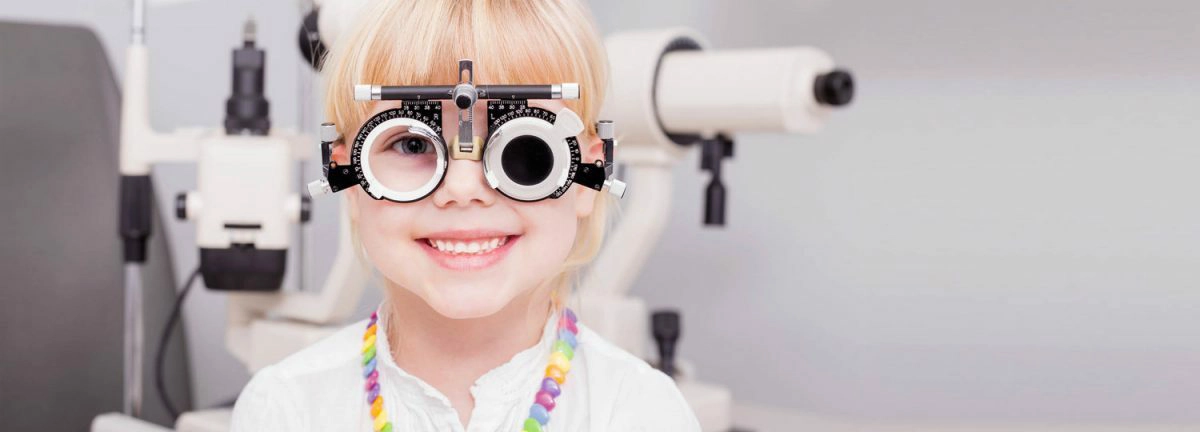
The importance of early eye screening for children
Early eye screening is a crucial step in protecting your child’s vision and ensuring healthy visual development, especially in the first years of life when eyesight is rapidly maturing.
Regular check‑ups with a pediatric ophthalmologist in Yanbu help detect conditions such as strabismus (eye misalignment), amblyopia (lazy eye), and refractive errors (myopia, hyperopia, and astigmatism) at an early stage, before they affect a child’s school performance or self-confidence.
The earlier visual impairment or any eye disorder is diagnosed, the better the treatment outcomes, and the more effective vision correction with prescription glasses or other therapeutic options will be.
Early screening of children’s eyes also helps prevent future complications that may become difficult to treat if parents delay visiting an eye specialist.
For this reason, parents in Yanbu are advised to adhere to a regular schedule of pediatric eye examinations, even if the child does not complain of any obvious symptoms, as many eye conditions are silent in their early stages and can easily go unnoticed.
Most Common Eye Problems in Children
Children can experience a variety of eye problems that require early follow‑up with a pediatric ophthalmologist in Yanbu to protect their vision and maintain healthy eyes.
One of the most common issues is strabismus (eye misalignment), which may be constant or intermittent. It prevents both eyes from focusing on the same point and, if left untreated, can lead to amblyopia (lazy eye).
Amblyopia (lazy eye) itself is also a major concern in children. In this condition, one eye sees less clearly than the other, and the problem is often detected during routine eye examinations with an eye specialist.
In addition, refractive errors such as reduced vision, myopia (short‑sightedness), hyperopia (long‑sightedness), and astigmatism are common disorders that can negatively affect a child’s academic performance and concentration. The child may complain of headaches, sit too close to the TV, or have difficulty seeing the classroom board.
Eye infections and allergic conjunctivitis are also frequent, causing redness, itching, and bothersome discharge. Another common issue in infancy is nasolacrimal duct obstruction (blocked tear duct), which usually appears in the first months of life as continuous tearing and eye discharge.
Early detection and treatment of these conditions by a qualified pediatric ophthalmologist in Yanbu play a key role in preserving the child’s vision and preventing long‑term complications.
How to Choose a Pediatric Ophthalmology Specialist
Choosing the right pediatric ophthalmologist in Yanbu requires focusing on several key criteria to ensure your child receives safe and effective eye care.
Start by looking for an eye doctor who is board-certified in ophthalmology and has clear, documented experience in pediatric eye conditions such as strabismus (eye misalignment), amblyopia (lazy eye), refractive errors (like myopia, hyperopia, and astigmatism), and retinal disorders.
Make sure the clinic is equipped with up-to-date diagnostic devices designed specifically for children, and that it offers a child-friendly environment that helps your child feel comfortable and cooperative during the examination.
It is also important to review feedback from other parents in Yanbu and, when possible, ask your child’s pediatrician to recommend a trusted pediatric ophthalmologist.
Choose a doctor who takes the time to explain your child’s condition and treatment plan in clear, simple language, and who provides regular follow-up, especially in cases requiring prescription glasses or strabismus management.
Ideally, the clinic should be conveniently located in Yanbu to facilitate frequent follow-up visits, with an easy appointment system that helps you avoid long waiting times.
By following these steps, you’ll be better positioned to select the best pediatric ophthalmologist in Yanbu to protect and support your child’s vision from the earliest years.
When Should You See a Doctor Immediately?
If you notice any worrying eye symptoms in your child, you should see a pediatric ophthalmologist in Yanbu without delay—especially if there is sudden, marked redness in the eye accompanied by severe pain or a persistent burning sensation.
A sudden loss of vision, pronounced blurring, complaints of double vision, or difficulty focusing on near or distant objects are all warning signs that require an urgent assessment by a pediatric eye specialist.
You should also pay attention to heavy eye discharge, swollen eyelids, or the presence of a foreign body in the eye that cannot be safely removed at home.
If you notice that your child’s eye is moving abnormally, drifting inward or outward (sudden strabismus), or if one eye appears white or reflects an unusual glare in photographs, an emergency appointment with a pediatric ophthalmologist in Yanbu is essential for a thorough examination.
Similarly, if your child sustains a direct eye injury during play, a fall, or sports, or complains of frequent severe headaches associated with visual disturbances, you must consult a pediatric eye doctor immediately to prevent serious complications that could affect your child’s vision in the future.
Recommended Eye Examinations for Children by Age
Eye examinations for children begin in the first months of life, where a pediatric ophthalmologist in Yanbu assesses the infant’s response to light and eye movements to ensure normal vision and rule out any congenital eye abnormalities.
At around 3–4 years of age, the examination becomes more precise. Visual acuity is measured, and the child is screened for amblyopia (lazy eye), strabismus (squint), and refractive errors such as myopia (short-sightedness) and hyperopia (long-sightedness). This is a critical stage for early detection of any issues before they affect visual development and the child’s learning abilities.
Once the child reaches school age, it is recommended to have regular eye check-ups with a pediatric ophthalmologist in Yanbu every one to two years, especially if the child has frequent headaches, sits very close to the TV or books, or shows poor concentration in class. These examinations help in prescribing and updating glasses at the right time and in preventing the progression of vision problems.
During adolescence, regular eye examinations remain important, particularly with the increased use of screens and smart devices. Ongoing follow-up with a pediatric ophthalmologist or an adolescent eye specialist in Yanbu becomes essential to maintaining good vision and protecting eye health in the long term.
The Role of Parents in Protecting Their Child’s Vision
Parents play a key role in safeguarding their child’s eyesight and preventing many eye problems right from the early years of life. Regular eye examinations with a pediatric ophthalmologist in Yanbu are essential for early detection of issues such as reduced visual acuity, amblyopia (lazy eye), strabismus (squint), or refractive errors, before they impact visual development or school performance.
It is also important to encourage healthy visual habits, such as maintaining an appropriate distance from screens, setting limits on the use of smartphones and tablets, providing good lighting while studying or reading, and ensuring the child takes regular breaks to rest their eyes throughout the day.
Parents should be alert to warning signs like sitting too close to the TV or books, frequent eye rubbing, recurrent headaches, or persistent tearing and redness of the eyes, as these warrant prompt evaluation by a pediatric ophthalmologist.
In addition, parents help protect their child’s eyes from injuries by teaching basic safety rules during play and using protective eyewear for certain games and sports activities.
These simple measures, combined with regular check-ups with a pediatric ophthalmologist in Yanbu, help preserve the child’s vision and support healthy, normal visual development.
Batal Yanbu Medical Complex offers specialized pediatric ophthalmology services with early screening and treatment programs to protect your child’s vision
Batal Yanbu Medical Complex is home to a select team of pediatric ophthalmologists experienced in diagnosing and managing vision problems in children of all ages, from newborns through adolescence.
Our pediatric eye specialists rely on structured, regular early‑screening programs to detect common eye conditions—such as strabismus (squint), amblyopia (lazy eye), myopia (short‑sightedness), hyperopia (long‑sightedness), as well as corneal and retinal disorders—before they progress.
We use advanced diagnostic equipment and state‑of‑the‑art techniques in children’s eye examinations, including refraction tests, fundus (retinal) examination, and precise assessment of eye movements, to ensure accurate results.
Our ophthalmologists focus on developing individualized treatment plans for each child, which may include prescription glasses, vision therapy and eye‑strengthening exercises, amblyopia treatment using eye patches, or surgical intervention when indicated, all in line with established clinical guidelines.
Batal Yanbu Medical Complex is also committed to educating parents about the importance of early and regular eye examinations—particularly when noticing signs such as sitting too close to the TV, difficulty focusing, or frequent eye rubbing—to help preserve their child’s vision and support healthy learning and normal development.