
Med info
Types of Vision Correction Surgery: Say Goodbye to Glasses and Contact Lenses in 2026

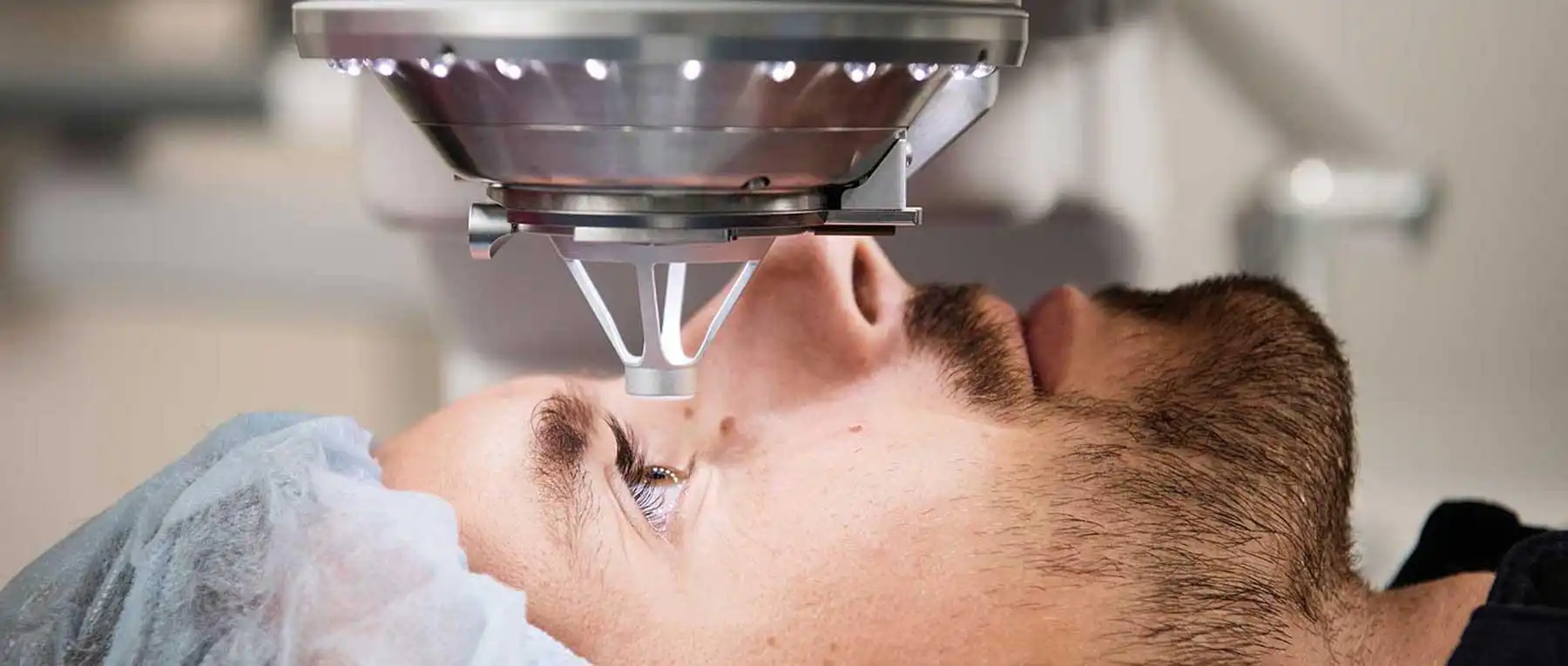
There are many different types of vision correction surgeries that can help you enjoy clear, healthy eyesight. At the Eye Center in Batal Specialized Complex, we have consistently succeeded in performing all major types of these procedures with outstanding results. Our success is supported by a highly experienced team of ophthalmologists and the use of the latest medical technologies and devices.
Below is a detailed overview of the main types of vision correction surgeries.
Types of Vision Correction Surgery
Laser Eye Surgeries for Vision Correction
Here are the most important laser procedures commonly used to correct various vision problems:
LASIK Surgery
“LASIK” is an acronym for “Laser-Assisted in Situ Keratomileusis,” a procedure that reshapes the cornea using an excimer laser. It is used to correct nearsightedness (myopia), farsightedness (hyperopia), and astigmatism, and is one of the most commonly performed eye surgeries worldwide.
Around 90% of patients with refractive errors either choose LASIK or recommend it to others.
The laser is used twice during the procedure:
– First, to create a thin corneal flap on the surface of the eye.
– Second, to reshape the underlying corneal tissue and correct the refractive error.
Because the procedure requires high precision, the surgeon typically creates a customized, computer-guided map of the patient’s cornea to use as a reference during surgery.
After the cornea is reshaped and a very thin layer is removed, the flap is carefully repositioned without the need for stitches, as it naturally adheres back in place.

SMILE (Femto-SMILE) Surgery
SMILE (Small Incision Lenticule Extraction) is considered the latest generation of laser vision correction. It is an advanced alternative to LASIK and does not require using a blade to create a large flap in the cornea.
In SMILE, a femtosecond laser is used to create a small, lens-shaped piece of tissue (called a lenticule) inside the cornea. The surgeon then removes this lenticule through a tiny incision.
The size, shape, and thickness of the removed lenticule are tailored to the patient’s refractive error (such as myopia or astigmatism). As the cornea heals and new tissue fills in where the lenticule was removed, the overall curvature of the cornea changes, reducing its steepness and improving the sharpness and clarity of vision.
PRESBYOND Procedure (Getting Rid of Reading Glasses)
PRESBYOND is an advanced laser technique used primarily to treat age-related farsightedness (presbyopia), especially after the age of forty.
This approach can be applied using either PRK or LASIK platforms. By carefully reshaping the cornea of both eyes, PRESBYOND aims to create a customized “blended vision” that allows the patient to see distant objects clearly while still being able to comfortably perform near tasks such as reading.
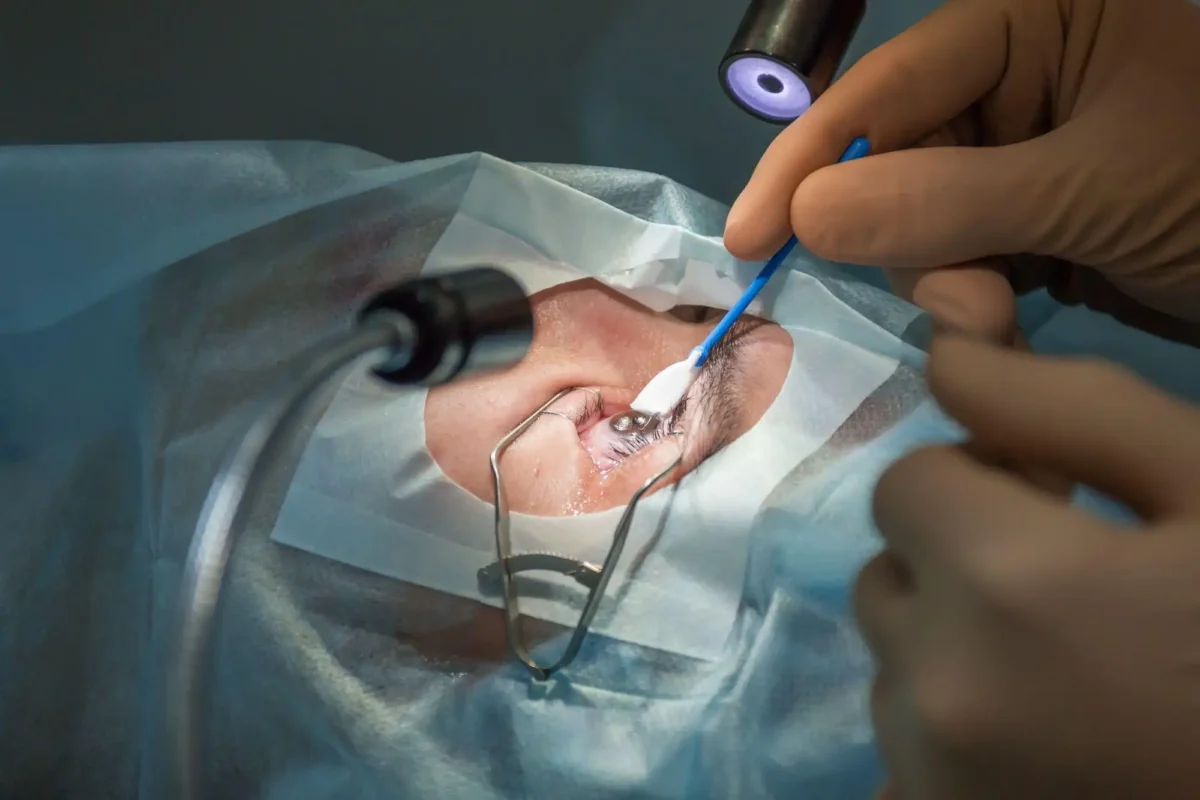
PRK Refractive Surgery
This procedure is also known as **Photorefractive Keratectomy (PRK)** and is used to correct astigmatism and farsightedness, as well as nearsightedness in many cases.
PRK is performed in two main steps:
1. The thin outer epithelial layer of the cornea is gently removed.
2. The underlying cornea is reshaped using an excimer laser to correct the refractive error.
Each eye usually takes about 15 minutes. PRK generally requires a longer recovery period than LASIK, as the surface cells of the cornea need time to regenerate.
Surface LASIK (Conventional Surface Ablation)
Surface LASIK, often grouped under **“conventional surface ablation”** techniques (similar in concept to classic PRK), is used to correct myopia, hyperopia, and astigmatism.
It also typically includes two steps:
1. Treating or removing the outer corneal surface layer.
2. Reshaping the cornea with the excimer laser to correct the refractive error.
Unlike flap-based LASIK, surface procedures work directly on the superficial layers of the cornea and are often preferred in cases of thinner corneas or specific corneal conditions.
Femto-LASIK Surgery
Femto-LASIK is one of the most advanced techniques for laser vision correction. It combines:
– A **femtosecond laser** to create an extremely precise, thin corneal flap.
– An **excimer laser** to reshape the cornea and correct the refractive error.
By using a laser instead of a mechanical blade to create the flap, Femto-LASIK offers a very high level of accuracy and safety. In most cases, it delivers excellent visual outcomes and is effective in treating a wide range of refractive problems, including myopia, hyperopia, and astigmatism.
Lens-Based Surgeries for Vision Correction
Lens surgeries are another group of procedures used to correct vision, especially in cases where laser reshaping of the cornea is not the best option.
Lens Replacement Surgery
Lens replacement, commonly known as **cataract extraction** or **cataract surgery**, is one of the major types of vision correction procedures. It is primarily performed to treat cataracts (clouding of the natural lens of the eye).
During this procedure, the cloudy natural lens is removed and replaced with a clear, artificial intraocular lens (IOL). This not only restores transparency but can also be customized to correct refractive errors such as nearsightedness, farsightedness, and astigmatism, often providing excellent visual outcomes.
Implantable Intraocular Lens (IOL)
Implantable intraocular lenses (often called **phakic IOLs** when the natural lens is left in place) are used to treat high degrees of myopia, hyperopia, or astigmatism, especially in patients who are not good candidates for laser corneal surgery.
In this procedure, a specially designed artificial lens is implanted inside the eye, either in front of or behind the iris, while the natural lens remains.
These lenses have shown high effectiveness and safety, and the recovery period is usually relatively short.
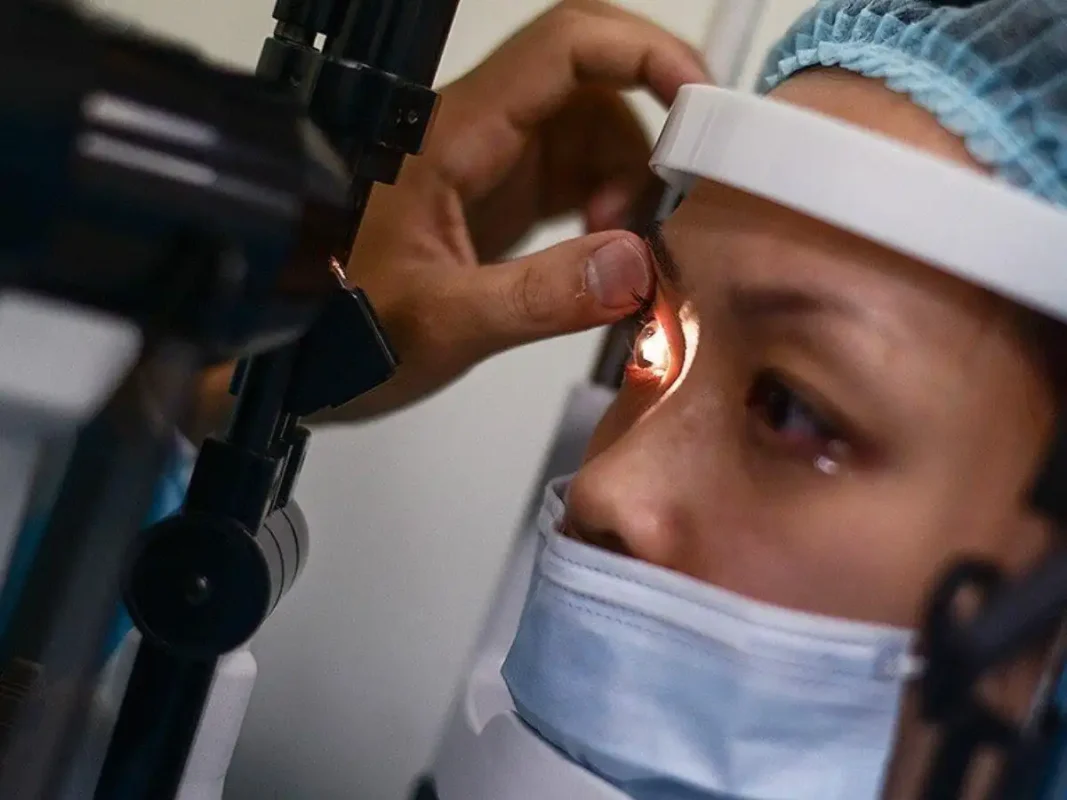
Corneal Surgeries for Vision Correction
Corneal surgeries represent another group of procedures aimed at improving vision by modifying or replacing the cornea. These are well-established and have proven long-term effectiveness.
Corneal Refractive Surgery
Corneal refractive surgeries are performed to reshape the cornea so that it can focus light more accurately onto the retina.
They are especially beneficial for patients with severe nearsightedness or other significant refractive errors that cannot be fully corrected with glasses or standard laser procedures. By modifying the corneal curvature, these surgeries enhance the eye’s focusing power and improve visual clarity.
Corneal Graft (Corneal Transplant)
A corneal graft, or **corneal transplant**, is an effective treatment for advanced corneal diseases or damage, such as:
– Keratoconus (progressive thinning and bulging of the cornea)
– Corneal injuries
– Corneal scarring
In this procedure, part or all of the diseased cornea is replaced with healthy donor tissue. It is typically performed in a single surgical session and, in many cases, provides excellent visual rehabilitation once healing is complete.
Batal Specialized Complex Tips for Choosing the Right Vision Correction Procedure
Because our eyes change over time as we age, the most suitable type of laser vision correction will also vary from person to person and from age to age.
Laser procedures like LASIK often yield better results when performed at a younger age once the prescription has stabilized; they are usually not recommended for individuals under 18.
The cost of vision correction surgery also varies according to:
– The specific technique used
– The quality and sophistication of the equipment
– The individual characteristics of each case
All of these factors are evaluated before deciding whether a patient is an appropriate candidate for any refractive surgery. Here are some key tips to help you choose between the different options:
Consult Our Eye Specialists at Batal Specialized Complex
The Eye Center at Batal Specialized Complex is considered one of the best centers for vision correction surgery in Jeddah. Our ophthalmologists provide comprehensive information about all necessary preoperative tests to determine whether you are a good candidate for refractive surgery.
At Batal Specialized Complex, we focus on the quality of both our medical services and the technologies we use. Our blog section also provides detailed answers to many common questions about refractive surgery and its different techniques for treating:
– Myopia (nearsightedness)
– Hyperopia (farsightedness)
– Astigmatism
– Presbyopia (age-related difficulty with near vision)
The complex is equipped with the latest, highly effective technologies to support patients considering eye surgery. Our dedicated team has extensive experience in ophthalmic surgery, and treatment outcomes depend heavily on both the expertise of the surgeons and the quality of the technology used.
For this reason, Batal Eye Clinic continuously invests in the most advanced and reliable technologies, including state-of-the-art lasers. Based on patient feedback and surgical results, Batal Specialized Complex is regarded as one of the top centers for vision correction procedures in Jeddah.
Only a limited number of centers are able to offer the full range of advanced techniques mentioned above.
Batal Specialized Complex provides the latest vision correction procedures in 2024 using cutting-edge technologies and devices, including:
– LASIK
– Femto-LASIK
– SMILE
– And other advanced techniques
You are welcome to visit us so that, after meeting our doctors and undergoing all the necessary diagnostic tests, you can decide for yourself which option best suits your eyes and your lifestyle.
Whatever your vision problem—whether nearsightedness, farsightedness, astigmatism, blurry vision due to cataracts (clouding of the lens), abnormal corneal curvature, or age-related decline in near vision—we can help you find a suitable treatment plan.
At the end of this article, you now have an overview of the main types of vision correction surgeries and key information about each. You can always contact us at the Eye Center in Batal Specialized Complex to evaluate and treat your specific vision problems.