Med info
Driving After Laser Eye Surgery: What You Need to Know

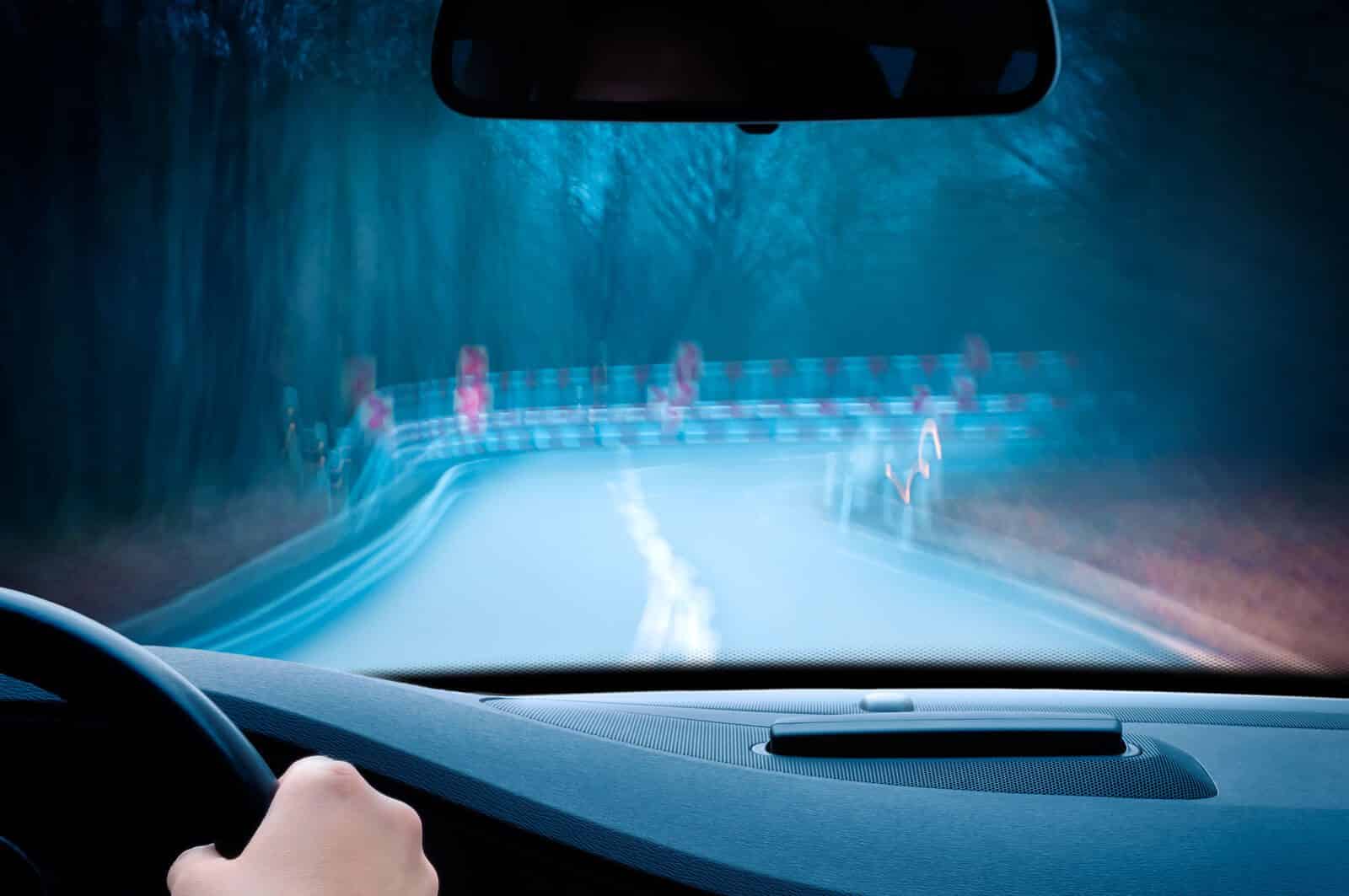
One of the most common questions about post‑operative care after laser eye surgery is whether it’s safe to drive after the procedure. It’s important to understand that you will not be able to drive immediately after surgery, so you’ll need to plan accordingly. To help you prepare, we’ve put together this guide covering everything you need to know about driving after laser eye surgery.
Driving after LASIK surgery
Preparing for Laser Eye Surgery
Once you’ve scheduled your laser vision correction procedure, you’ll need to arrange a ride to and from the hospital or clinic, or plan to use public transportation. After surgery, you should not travel home on your own. If you prefer to use public transport on your way back, it’s best to have someone accompany you and, where possible, use above‑ground transport systems rather than underground ones.
Ideally, a family member or friend should be available to pick you up after your treatment. Most eye hospitals and clinics, including Batal Specialty Center, provide ample free parking, so whoever is driving you should have no difficulty finding a parking space.
Laser eye surgery
How Soon Can You Drive After Laser Eye Surgery?
After laser eye surgery such as LASIK, you are not legally allowed to drive until your ophthalmologist clears you to do so. You’ll be given a follow‑up appointment for the day after the procedure, so you will again need to arrange transport—either with a friend or family member, a taxi, or public transportation.
During this follow‑up visit, your eye surgeon will assess your healing and visual acuity and will let you know whether you can safely resume driving or if you need more time to recover. Once your surgeon confirms that your vision meets the legal driving standard and your eyes have healed sufficiently, you may get back behind the wheel.
For most people, this happens within about 24–48 hours, but recovery varies from person to person and, in some cases, it may take up to a week before you are ready to drive.
The Full Recovery Phase After Laser Surgery
Even after your vision is clear enough to meet the driving standard, there are still a few issues to keep in mind in the weeks following laser eye surgery. Some patients experience glare, particularly from bright lights, during the early post‑operative period. This can cause mild difficulty driving at night, especially if you notice halos or glare from oncoming headlights.
You may want to first try riding as a passenger at night to see how comfortable you feel before deciding to drive yourself in low‑light conditions.
Glare and halos typically improve significantly within the first few weeks after laser eye surgery and continue to improve over the first three months. Another important point is that, while laser eye surgery can greatly improve your vision, it is not a “magic cure.” You may still find that you need glasses for certain tasks, which can include driving—particularly at night or for long distances.
When can you drive after LASIK?
Life After Laser Eye Surgery
If you’re unsure what you can and cannot do after laser eye surgery, you can contact Batal Specialty Center. The team can walk you through the key post‑operative instructions, including when you can safely shower, return to exercise, and go back to work.
You can also book an appointment with our specialist physicians for a consultation about laser eye surgery and to discuss what to expect immediately after the procedure.
When Can You Drive After LASIK?
In most cases, patients can safely return to driving about 24 hours after LASIK surgery. Your first post‑operative check‑up is usually scheduled for the day after the procedure.
Once your vision has been tested and confirmed to meet the legal standard for driving, you are generally considered fit to drive. However, being “legal” to drive does not necessarily mean your eyes are fully healed.
To support proper recovery, it’s essential to follow all post‑operative instructions. This typically includes using your prescribed eye drops as directed, avoiding touching or rubbing your eyes, and protecting your eyes from bright light. Wearing sunglasses after LASIK is strongly recommended.
Driving After Vision Correction Surgery
Regardless of the type of laser eye procedure you’re having, your eyes will need some time to heal before you return to your normal daily activities.
Driving is no exception. Your vision may be slightly blurry immediately after surgery, and you may still feel drowsy from the sedative given during the procedure. For these reasons, it’s crucial that you do not attempt to drive right away. Make sure you understand everything you need to know about driving after laser eye surgery before your procedure date.
Driving After LASIK
You may be wondering whether you can drive after your LASIK evaluation. Because this visit usually involves dilating your pupils, it’s best to arrange for a driver; dilation can cause blurred vision and light sensitivity for several hours.
You will also need a driver on the day of surgery, as you will receive anesthetic eye drops and often a mild sedative.
You might then ask, “Can I drive the day after LASIK?” In most cases, the answer is still no—you will typically need a driver for that day as well. Although your vision will already be significantly clearer, you may still experience intermittent blurriness as the cornea heals.
So when can you drive after LASIK? Recovery times vary for each person. Ask your doctor at your first post‑operative visit (usually the day after surgery). Many patients are cleared to resume driving at that appointment, while others may need a few more days.
Driving after vision correction surgery
Whatever visual symptoms or eye conditions you may have, they require careful assessment and the right treatment from a skilled, experienced ophthalmologist using effective medical technology to achieve the best outcomes. Whatever eye disease or refractive problem you are dealing with, you can book an appointment at Batal Specialty Center for a comprehensive eye examination and to begin addressing your vision issues, no matter how complex they may be.