
Med info
Types of Eyes: Learn About Different Eye Shapes and the Best Treatment Options

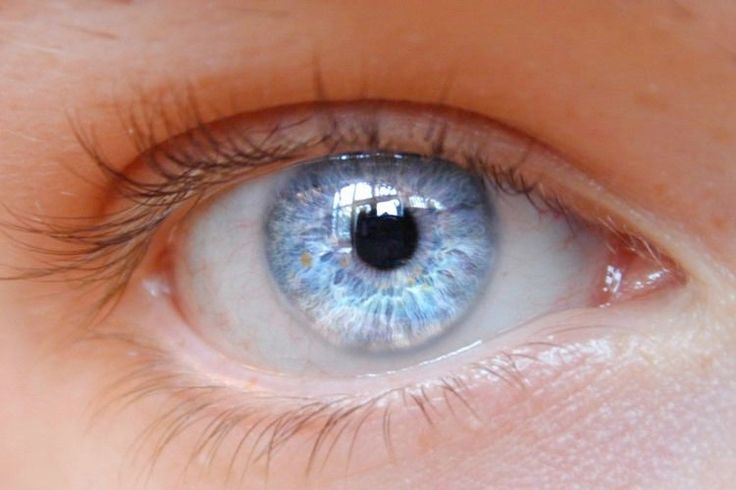
There are many different eye shapes, such as hooded eyes, upturned eyes, downturned eyes, and several other variations.
The Human Eye
Some people are not fully aware of the exact shape of their eyes, but it’s actually fairly easy to figure out on your own. In most cases, eyesight (vision) and eye shape are separate and independent from each other. However, certain differences in eye shape can sometimes affect how well you see.
How Does Vision Work?
Vision is a complex process. Light rays enter the eye through the cornea and pass through the pupil. As they go through the cornea, the rays are refracted (bent), then pass through the eye’s lens, where they are bent even more. From there, the light is focused onto the retina at the back of the eye.
Inside the retina, there are light‑sensitive nerve cells called cones and rods, named for their distinct shapes. Cones, which are concentrated in the central area called the macula, provide sharp central vision and color vision. Rods, found outside the macula, are responsible for peripheral (side) vision and help you see in low light.
Cones and rods convert incoming light into electrical signals. These electrical impulses travel to the brain through the optic nerve, where they are processed and turned into the images you see.

Different Eye Shapes
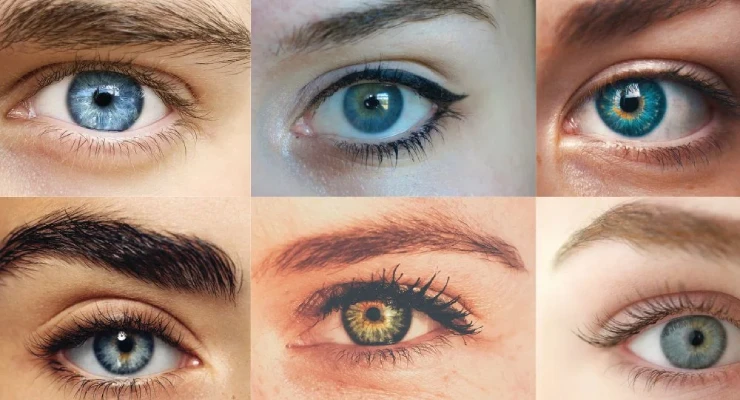
People often think about their eye shape when applying makeup, since different shapes can change how makeup looks on the eyes. Some of the commonly discussed eye shapes include:
Here you can list specific shapes in the future, such as: hooded, deep‑set, protruding, almond-shaped, etc.
Treatment Options for Different Eye Shapes
Treatment for Protruding Eyes
Genetics play a major role in having naturally prominent or protruding eyes, and in most cases this is not harmful to your health. Before deciding to treat hereditary eye protrusion for cosmetic reasons, it is important to undergo a thorough evaluation by an oculoplastic (eye plastic) surgeon and discuss all the available options to help reduce the appearance of eye bulging.
There are several approaches that may be used to improve the appearance of protruding eyes, including:
Examples that could be added later: orbital decompression in specific medical cases, eyelid surgery, dermal fillers, etc.
Treatment for Deep‑Set (Sunken) Eyes
Deep‑set or sunken eyes can occur for several reasons. Some causes are genetic and related to congenital conditions, many of which are relatively uncommon. Other contributing factors include fatigue and lack of adequate rest, aging, and poor nutrition.
Because of this, sunken eyes can often be improved using a variety of methods, such as:
Examples that could be added later: lifestyle changes, nutritional support, dermal fillers around the orbit, eyelid surgery, etc.
Treatment for Hooded or Deep‑Creased Lids
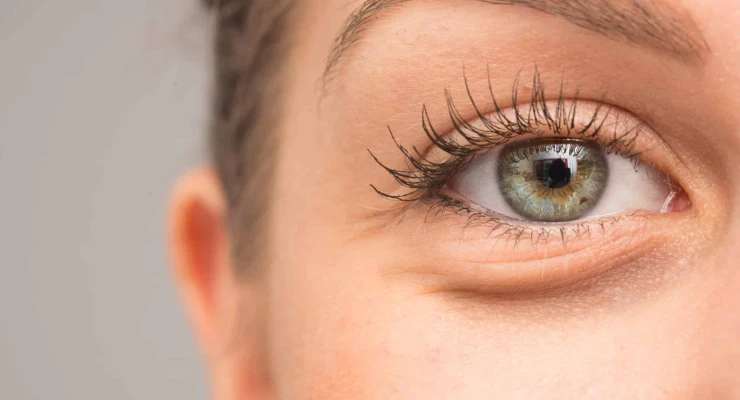
Some people have very noticeable folds or creases in the upper eyelids—often referred to as hooded eyes or deep‑set, creased eyelids.
These can be treated either through direct cosmetic eyelid surgery (such as upper eyelid blepharoplasty) or by non‑surgical options. Non‑surgical treatments usually require more time and multiple sessions before you see significant, long‑lasting results.
Finally, Batal Specialized Medical Complex in Saudi Arabia is considered one of the leading and most advanced centers for eye treatment and eye care. The complex has been gaining increasing recognition thanks to the strong reputation of its ophthalmologists and oculoplastic surgeons, as well as its use of the latest technologies for eye examination and treatment.

If you are experiencing any eye problem, schedule an appointment at Batal Specialized Medical Complex to receive the best possible medical consultation from a board‑certified eye specialist at the center.
Read more: Eyelid Surgery for Hooded / Deep‑Set Eyes | Surgical Options and Non‑Surgical Techniques

'/%3E%3C/svg%3E)