
Med info
Types of Eyelid Surgery in Detail

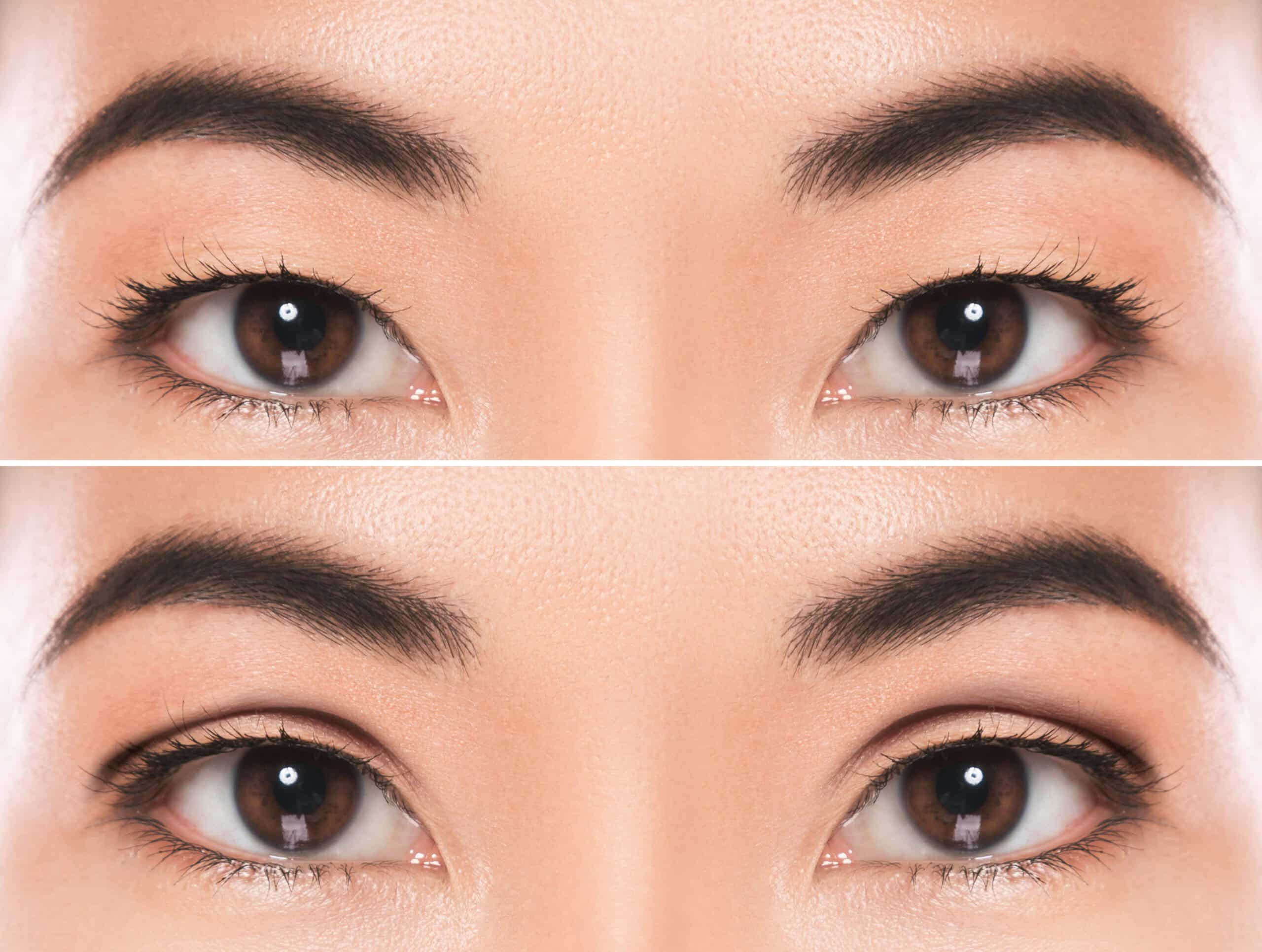
Did you know there are different types of eyelid surgery? Most patients don’t really know the differences or how to choose which eyelid procedure is right for them, so let’s go through them in this article…
Eyelid Lift Surgery
When people say “eyelid lift,” they may be referring to blepharoplasty or ptosis repair surgery, and the term is often used to describe the final cosmetic result rather than a specific medical procedure.
Still, “eyelid lift” is not a term surgeons themselves usually use.
Eyelid surgery doesn’t just improve how your eyelids look; it can also help your vision, since loose, sagging skin around the eyes can reduce your peripheral (side) vision.
Common issues that eyelid surgery can address include droopy, excess skin, puffiness of the eyelids, and extra skin or fine wrinkles in the lower eyelid.
Some of the most common types of eyelid surgery include:
If you’d like to learn more about the different types of eyelid surgery, contact the specialists at Batal Medical Center, where you’ll find a highly experienced medical team.
Read also: Healthy Nutrition | Everything You Need to Know About It and Its Effect on the Eyes
Blepharoplasty as a Type of Eyelid Surgery
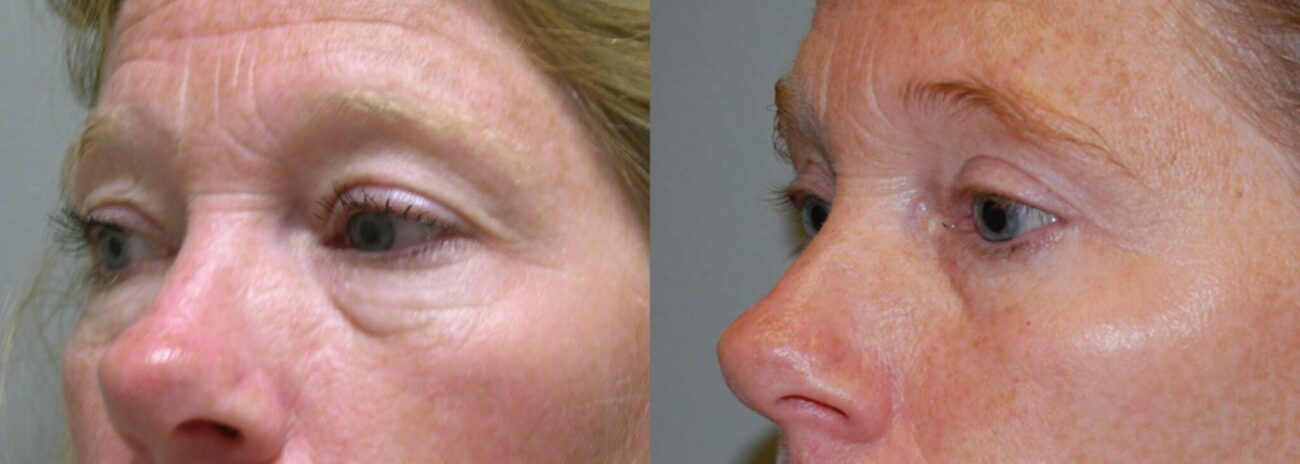
Blepharoplasty as a type of eyelid surgery
Blepharoplasty is the name of the operation used to remove or reposition fat to reduce puffiness, as well as remove excess skin. During an upper blepharoplasty, the loose skin that can hang over the eyelashes is removed.
This procedure is similar to lower eyelid blepharoplasty.
However, in some cases, instead of cutting out skin, we tighten it using laser resurfacing or a chemical peel with trichloroacetic acid (TCA). Fat is then removed or repositioned into the tear trough area.
Ectropion
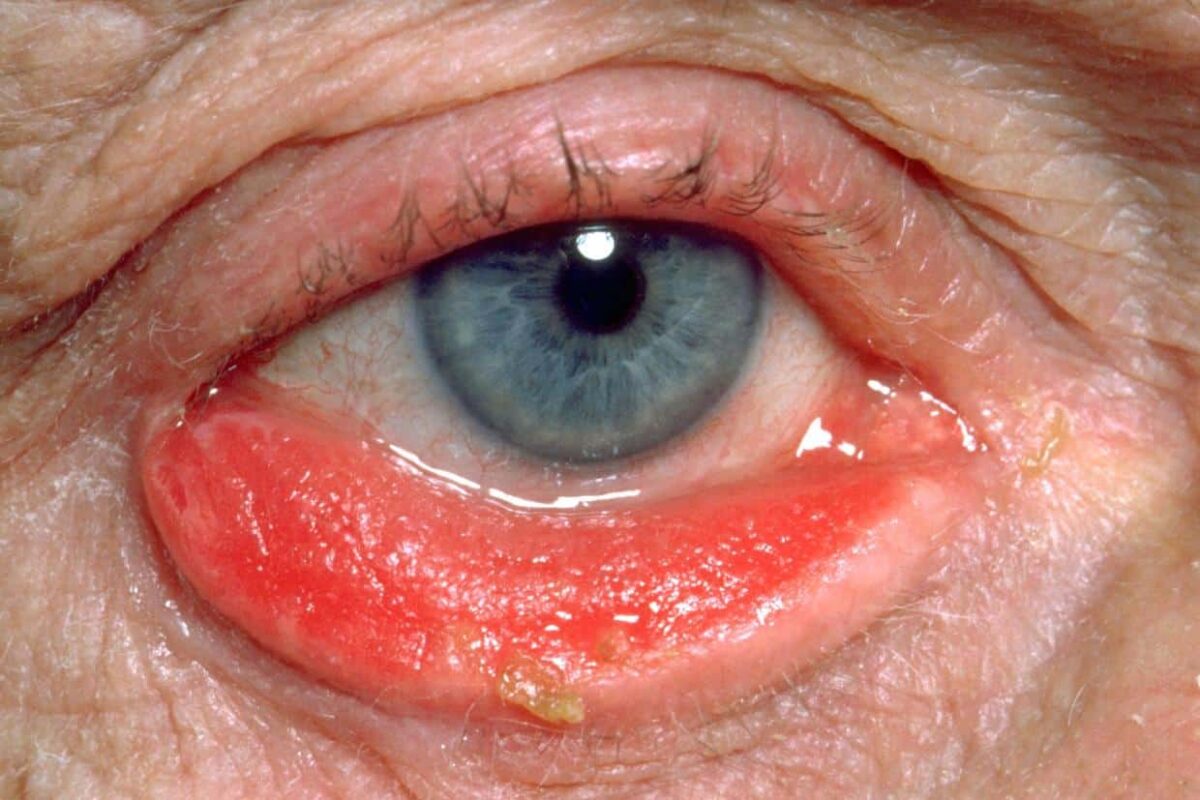
Ectropion
Ectropion occurs when the lower eyelid turns outward and droops away from the eye. This condition mainly affects the lower eyelid and can occur in one or both eyes.
Because it can cause significant eye discomfort, artificial tears and lubricating ointments can be used to relieve symptoms, but surgery is generally needed for full correction.
If ectropion is caused by age‑related loosening of the eyelid muscles and ligaments, the surgeon will typically remove a small wedge of tissue from the outer part of the lower eyelid and then suture it, tightening the tendons and muscles.
If scarring is the cause, such as after trauma or previous surgery, the surgeon may use a skin graft to support and reposition the lower eyelid.
Read also: Eye Shapes in Detail
Entropion as a Type of Eyelid Surgery
Entropion as a type of eyelid surgery
Entropion is a condition in which the eyelid turns inward. This can cause marked discomfort and irritation because the eyelashes and skin continuously rub against the surface of the eye.
If left untreated, entropion can damage the cornea—the clear front surface of the eye—and lead to problems such as eye infections and even vision loss. To correct it, the surgeon tightens and repositions the eyelid so it stays in its normal position.
Read also: Zinc Tablets and Detailed Information | Benefits of Zinc for the Eyes
Dacryocystorhinostomy (DCR)
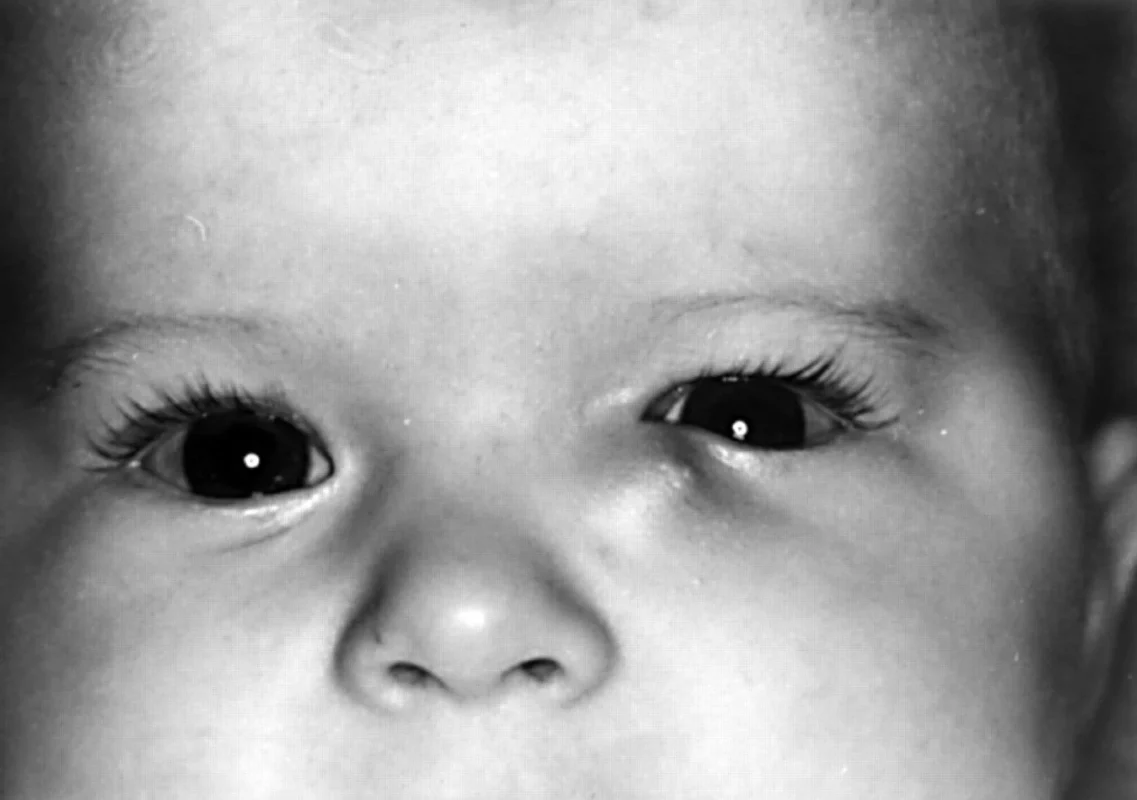
Dacryocystorhinostomy
If you have a blocked tear duct (nasolacrimal duct obstruction), your tears cannot drain normally, which can cause constant tearing (epiphora) and eye irritation.
This can be treated with a procedure called dacryocystorhinostomy (DCR), which creates a new drainage pathway between the tear sac and the nasal cavity so tears can flow properly.
Although the cause of tear duct blockage is not always clear, it is often related to health issues such as nasal trauma, chronic rhinosinusitis, or congenital anatomical abnormalities.
Symptoms of nasolacrimal duct obstruction include excessive tearing, eye discharge, and pain or tenderness over the tear sac or the surrounding area.
Read also: Blood Sugar Levels and the Eyes
Ptosis Repair Surgery
Ptosis repair involves lifting the upper eyelid. This is usually done by tightening or advancing the eyelid muscle (levator muscle), which often weakens with age.
During outpatient surgery, the surgeon can also remove excess skin and fat. In some cases, ptosis can be corrected from the underside of the eyelid (posterior approach) without an external incision in the eyelid crease.
Brow Lift

Brow lift as a type of eyelid surgery
Many patients who come in wanting their eyelids to look more refreshed actually have drooping eyebrows, but they assume the problem is only in the eyelids.
We often draw their attention to this by manually lifting the brows to demonstrate how much improvement a brow lift can provide. There are several types of brow lift procedures.
We can perform a lateral brow lift, which raises only the outer part of the eyebrows, or a full brow lift. This can be done using endoscopic techniques, through a larger incision behind the hairline on the scalp, or along the hairline itself.
There are specific criteria for choosing one surgical technique over another, and these options should be discussed and carefully evaluated during your eyelid and brow surgery consultation.
Read also: Aortic Aneurysm (“Al‑Abhar”) | Everything You Need to Know
Choosing the Best Surgeon for You
Although these different procedures may seem to address similar problems, a thorough examination and evaluation by a skilled, board‑certified oculoplastic or cosmetic surgeon is essential to recommend the most appropriate surgery for you.
Surgeons who are not specialized in cosmetic or oculoplastic surgery may recommend an inappropriate procedure, which can lead to the need for revision eyelid surgery.
Depending on your age, the degree of age‑related changes, and what you hope to achieve from surgery, an experienced plastic or oculoplastic surgeon can offer multiple options to enhance the appearance of the eyelids, eyebrows, and periorbital area.

Batal Specialized Complex in Saudi Arabia is considered one of the leading and most advanced medical centers in the field of eye treatment and eye care. Its reputation is growing day by day thanks to the excellent outcomes achieved by its physicians, in addition to the center’s use of the latest technologies for eye diagnosis and treatment.
If you suffer from any eye problem, book an appointment at Batal Specialized Complex to receive the best possible medical advice from a fellowship‑trained ophthalmologist at Batal Center.

'/%3E%3C/svg%3E)