Med info
Comprehensive Guide to Temporal Brow Lift


What is a temporal brow lift?
A temporal brow lift is a relatively minor cosmetic surgical procedure that focuses on tightening and elevating the outer portion of the eyebrow and the temple area to enhance the appearance of the eyes and the upper third of the face. In this type of brow lift, small incisions are made and hidden within the hairline in the temporal region, then the underlying tissues are gently tightened and the skin is lifted to reposition the brow in a more youthful, natural-looking position.
A temporal brow lift helps reduce drooping of the outer brow, relieve heaviness on the upper eyelid, and soften fine lines around the eyes, creating a more open and refreshed look without altering your basic facial features. It is a popular facial rejuvenation option for people with mild to moderate lateral brow ptosis or tired-looking eyes, and it is often combined with other procedures such as upper blepharoplasty to achieve optimal aesthetic results.
Understanding what a temporal brow lift is, how it is performed, and what results to expect helps you make a well‑informed decision before undergoing any cosmetic procedure in the facial area.

Why Do People Choose a Temporal Brow Lift?
Many people opt for a temporal brow lift to improve the appearance of the forehead and eye area and to get rid of the constant tired or sad look caused by drooping brows and lax skin around the eyes.
A temporal brow lift tightens the skin and elevates the outer portion of the eyebrow, giving the eyes a wider, more youthful appearance and reducing wrinkles and fine lines.
Some patients choose it as a gentler, less invasive alternative to a full forehead lift, with a shorter recovery time and natural‑looking results that restore balance and harmony to the facial features.
Lateral brow drooping is one of the most common reasons for choosing a temporal brow lift. When the outer part of the brow descends, it can make the face look older and the gaze less vibrant.
The procedure helps tighten the lateral forehead and gently lift the outer brow, improving the upper frame of the eye and giving a more refreshed, youthful appearance without changing the person’s natural features.
This procedure is preferred for individuals with mild to moderate sagging of the outer brow who want a precise cosmetic solution to re‑contour and tighten the temporal area with results that look very natural.
Feeling that you always look tired or upset is another strong motivation to consider a temporal brow lift. Because of brow descent and heavy skin on the upper eyelid, a person may appear frowning or exhausted even at rest.
By tightening the temporal area and gently lifting the brow, this cosmetic procedure helps open up the eyes and soften facial expressions so the person looks more relaxed, calm, and energetic.
A temporal brow lift also helps reduce the heaviness of the upper eyelid and highlight the natural beauty of the eyes, which positively affects first impressions and makes the face appear more balanced and approachable.
Brow asymmetry—whether congenital, age‑related, or due to habitual facial expressions—is also a common reason to choose a temporal brow lift.
With a temporal lift, the more droopy brow can be repositioned and balanced with the other side, restoring symmetry to the upper third of the face.
This procedure helps achieve better harmony between the two sides of the face while preserving natural expressions, making it a good option for people bothered by uneven brow height in photos or during everyday facial expressions.
A temporal brow lift directly improves the appearance of the upper eye area. Tightening the lateral forehead and lifting the brow reduces the weight of excess skin above the eye and can create a more open visual field.
This improvement gives the eyes a brighter, more open look and reduces the tired or hooded appearance caused by sagging periocular tissues.
A temporal brow lift is an important cosmetic option for those who want to rejuvenate the upper eye area without drastic changes, while maintaining harmony between the brow, eyelid, and the rest of the face.

Who Is a Good Candidate for a Temporal Brow Lift?
A temporal brow lift is suitable for women and men who have mild to moderate brow or upper eyelid drooping, or lateral forehead laxity that makes them look tired or older than they are. Candidates often have prominent expression lines around the eyes or brow asymmetry that can be improved surgically.
An ideal candidate should be in generally good health, without uncontrolled chronic illnesses or bleeding disorders, and should be a non‑smoker or willing to stop smoking before and after surgery to reduce wound‑healing complications.
Patients should also have realistic expectations about the results of a temporal brow lift and consult a board‑certified plastic surgeon to evaluate skin thickness, tissue elasticity, and whether this technique is more appropriate than other rejuvenation options for the forehead and eye area.
The appropriate age for a temporal brow lift is often late twenties and above, especially when signs of brow descent, forehead wrinkles, and crow’s feet become clearly visible.
The decision is not based on age alone, but on how much facial appearance is affected and whether there is a genuine need to improve the forehead and temple area.
Some younger candidates may benefit if they have hereditary brow ptosis or obvious asymmetry between the two sides that affects the aesthetics of the eyes.
A plastic surgeon evaluates each case individually to ensure the procedure is suitable and that the forehead and temple skin can still heal well and respond to a temporal brow lift.
The degree of sagging in the brow and temporal region is one of the most important factors in determining who is a good candidate.
People with noticeable brow drooping that covers part of the upper eyelid or makes the eyes look tired often benefit significantly from the procedure.
Moderate to severe laxity at the outer brow and surrounding skin may make a temporal brow lift an effective option to enhance eye shape and open the visual field.
In cases of very minimal laxity, the surgeon may recommend non‑surgical options or limited procedures instead of a full temporal brow lift.
Temporal brow lift is appropriate for both men and women who want to improve the appearance of the forehead, lateral brow, and eye area for a more youthful look.
Male candidates usually seek to correct brow drooping without significantly altering their expressions or creating an overly elevated, feminine brow, so the shape and height of the brow are planned very carefully.
Women typically desire a slightly higher, softer brow in the temporal area, making the temporal brow lift an effective way to restore an attractive contour that harmonizes with their other facial features.
In both cases, the natural anatomical differences between male and female eyebrows are respected to achieve a natural result that maintains the person’s identity while clearly improving the appearance of the eyes and forehead.
Some people are good candidates for a limited temporal brow lift, especially when sagging is mild to moderate and does not require an extensive procedure.
In these cases, the surgeon can rely on a few small incisions hidden in the temporal region and behind the hairline, providing a subtle lift with a shorter recovery time and less visible scarring.
Patients who want a natural result without dramatic changes, or who are apprehensive about major surgery, often find this limited temporal brow lift particularly suitable.
Non‑surgical techniques such as botulinum toxin (Botox) or dermal fillers may also be combined with a light temporal brow lift to enhance the aesthetic outcome without more extensive surgical intervention.
Temporal Brow Lift vs. Traditional Brow Lift
The main difference between a temporal brow lift and a traditional brow lift lies in the treatment area and the way the tissues are accessed.
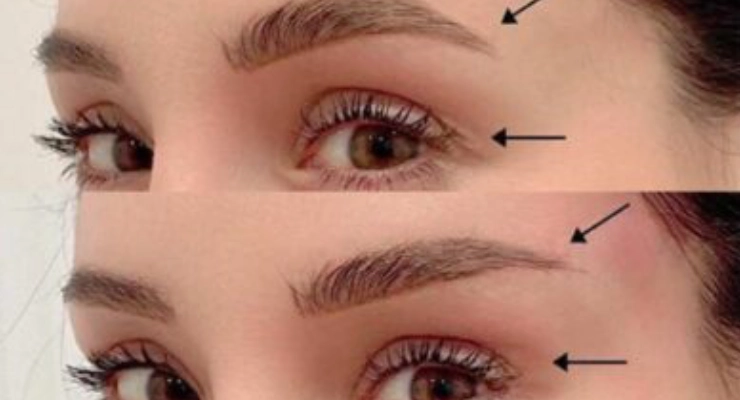
A temporal brow lift is a more limited procedure that targets elevation of the outer third of the brow and tightening of the temple and eye area, creating a younger look with small incisions hidden in the hair.
A traditional brow lift typically addresses the entire brow and forehead through a longer incision or endoscopic techniques, and is more often used to correct advanced forehead laxity and deep wrinkles.
Overall, a temporal brow lift is less invasive, offers a faster recovery, and focuses more on improving the outer eye corner compared to a full traditional brow lift.
Target Area of Lift
In a temporal brow lift, the focus is on the outer third of the brow and the temple region. This gives the eyes a more open look and tightens the outer part of the upper eyelid without significantly altering the center or inner part of the brow.
In a traditional brow lift, the elevation involves the entire brow and forehead, which is more suitable for patients with generalized forehead drooping and overall brow descent.
This difference in target area makes the temporal brow lift a preferred option for those who mainly want to enhance the eye shape and lift the outer corner while preserving natural facial expressions.
Extent of the Procedure
A temporal brow lift is considered a more limited procedure compared with a traditional brow lift. The surgery is confined to a relatively small area at the temple, with shorter incisions and less extensive dissection.
A traditional brow lift is usually more comprehensive, covering a larger portion of the forehead and eyebrows, and may be performed using open coronal techniques or endoscopic methods.
Because of this, the temporal brow lift is often described as a “targeted procedure” focusing on a specific region to improve the eye area and outer third of the face without reshaping the entire forehead.
Recovery Time
Recovery after a temporal brow lift is usually shorter than after a traditional brow lift due to the smaller operative field and typically less swelling and bruising.
Most patients can resume light daily activities within a few days, as long as they follow medical advice such as avoiding strenuous exertion and protecting the temple area.
In contrast, recovery from a traditional brow lift may take longer, especially when treating more advanced forehead laxity that requires wider dissection and tissue repositioning.
Expected Results
A temporal brow lift delivers focused improvements to the appearance of the eyes and upper face by elevating the outer brow, creating a fresher, more youthful look while generally preserving natural forehead expressions.
A traditional brow lift is expected to produce broader changes, including softening horizontal forehead wrinkles and lifting the entire brow, making it suitable for patients with significant forehead sagging or deep forehead lines.
Choosing between a temporal and a traditional brow lift depends on each patient’s goals. If the main aim is to enhance eye shape and lift only the outer corner, a temporal lift is usually more appropriate, whereas a full brow lift offers more comprehensive rejuvenation of the forehead and brows.
How Is a Temporal Brow Lift Performed?
A temporal brow lift is usually performed under local anesthesia with mild sedation, or under general anesthesia depending on the patient’s condition and the planned technique. The plastic surgeon makes a small incision hidden within the scalp in the temporal region, then gently lifts the tissues and muscles around the brow to restore it to a more natural position and tighten lax skin around the eye.
Endoscopic techniques or specialized suspension sutures are often used to perform the temporal brow lift, minimizing scarring and maintaining a natural appearance. After the brow is secured in its new position, the incision is closed with fine sutures and light dressings are applied. Most patients go home the same day, provided they follow post‑operative care instructions to speed healing and achieve the best cosmetic result.
Before the procedure, the surgeon performs a thorough medical assessment to confirm that the patient is an appropriate candidate.
This evaluation includes a detailed examination of the forehead, brow, and temple area, analysis of the degree of sagging, skin elasticity, and brow position relative to the eyes.
The surgeon will also review the patient’s medical history, current medications, allergies, and overall health status, including heart disease, hypertension, and diabetes.
This comprehensive assessment helps determine the safest and most effective approach—whether surgical or non‑surgical—to achieve a natural and safe temporal brow lift result.
The type of anesthesia used depends on the patient’s health and the specific technique.
In many cases, local anesthesia with light sedation is sufficient, especially for limited lifts or minimally invasive approaches, allowing the patient to remain comfortable with faster recovery.
For more extensive temporal brow lift surgery, general anesthesia may be preferred to ensure complete comfort throughout the procedure.
The surgeon will explain the recommended anesthesia type in advance, its potential risks, and how to prepare, to ensure a safe and smooth experience.
The temporal brow lift is performed in well‑defined steps that vary slightly between surgical and non‑surgical techniques, but the goal is the same: to tighten the temple region and elevate the brow in a natural way.
In a surgical lift, the surgeon makes a small incision hidden in the hair at the temple, gently tightens the underlying tissues and skin, repositions the brow upward, then closes the incision with fine cosmetic sutures.
In a non‑surgical lift, botulinum toxin injections or absorbable suspension threads may be used to tighten the area and elevate the brow without incisions. In these cases, injections or threads are placed along specific vectors to support the tissues and provide a more youthful appearance.
Both options are designed to enhance the contour of the brow and upper forehead while preserving natural facial expressions as much as possible.

Expected Results After a Temporal Brow Lift
After a temporal brow lift, patients can expect a noticeable improvement in the height of the outer brow and a reduction in mild upper eyelid hooding, giving the eyes a more open and refreshed appearance while keeping facial expressions natural.
Initial results appear immediately after surgery, while the final outcome becomes clearer over several weeks as swelling and bruising resolve.
A temporal brow lift helps soften wrinkles and fine lines around the eyes and temples and improves facial symmetry without dramatically changing the fundamental brow shape.
With a qualified surgeon and proper post‑operative care, results are generally stable and long‑lasting, with small scars hidden in or near the hairline that become harder to see over time.
One of the most prominent expected benefits of a temporal brow lift is improvement in eye appearance. The procedure opens up the eye area, making the eyes look larger and more awake, reducing the tired or sad look associated with brow and periorbital skin laxity.
By tightening the temporal tissues and precisely lifting the brow, the eye contour becomes more harmonious with the rest of the facial features while maintaining natural expression. In some cases, reducing the weight of redundant skin on the upper eyelid further enhances eye aesthetics, making the eyes appear brighter and more attractive. This is a key reason why many people choose a temporal brow lift to beautify the eye area without fundamentally changing their facial identity.
The temporal brow lift places special emphasis on elevating the outer tail of the brow in a controlled manner that creates a more lifted and balanced facial appearance. Correcting lateral brow ptosis—one of the most visible signs of aging in the forehead and eye region—can significantly rejuvenate the upper face.
Through this technique, soft tissues and fibrous attachments in the temple area are tightened, gently raising the outer brow without over‑pulling or creating an artificial look.
Improving the position of the outer brow tail enhances the apparent length and shape of the eye, creating better harmony between the brow, eyelid, and surrounding bony structures. For this reason, lifting the outer brow is considered one of the core outcomes of a temporal brow lift and a key element in rejuvenating the upper third of the face.
The primary goal of a temporal brow lift is to achieve a more youthful yet natural appearance, avoiding the over‑tightened look that can distort facial features. By precisely lifting the brow and tightening the temple area, sagging and fine lines around the eyes are reduced, giving the face a fresher and more vibrant appearance.
The results of this procedure are typically subtle—it restores the face to a look closer to an earlier age rather than creating a completely different or artificial appearance. Many patients report that they look “less tired and more relaxed” after a temporal brow lift, reflecting the success of the procedure in rejuvenating the area without exaggeration.
These expected results often boost self‑confidence and satisfaction with one’s appearance while maintaining the natural aesthetic character of the face.
Recovery Time After a Temporal Brow Lift
Recovery after a temporal brow lift typically takes about 10 to 14 days for most of the visible swelling and bruising to subside, while full internal healing may take several weeks for tissues to fully settle.
During the first few days, rest is recommended, with the head elevated while sleeping to reduce swelling, and patients should avoid bending over, lifting heavy objects, or engaging in strenuous exercise.
Most patients can return to office work and light daily activities within about a week, while continuing to follow the surgeon’s instructions regarding incision care and prescribed medications.
Recovery time varies from person to person depending on age, skin type, and the specific technique used, making regular follow‑up visits with the surgeon essential to ensure optimal outcomes and a natural appearance of the brow and forehead.
When Do Initial Results Appear?
Initial results of a temporal brow lift usually begin to appear within 7–10 days after surgery, once most of the swelling and bruising around the eyes and forehead has subsided.
At this stage, patients can notice clear improvement in brow height, eye openness, and smoother skin in the temporal and forehead area. However, these are still early results; the tissues will continue to adapt and heal over the following weeks.
It generally takes about 6–8 weeks for the brow position to stabilize and the final contour to become apparent. This should be kept in mind when evaluating the success of the procedure or considering any additional cosmetic adjustments.
Following medical advice—such as avoiding forceful bending and protecting the incisions from pressure—helps maintain the lift and optimize its long‑term appearance.
When Does Swelling Go Away?
Swelling after a temporal brow lift is a normal part of the healing process and is typically most noticeable during the first three days post‑surgery, especially around the eyes and on the sides of the forehead.
Swelling usually begins to decrease gradually after the first week, with most of it resolving within two to three weeks. Mild residual puffiness that is barely noticeable may persist for a few additional weeks in some patients.
Swelling can be reduced with cold compresses during the first days, sleeping with the head elevated, and avoiding strenuous physical activity that increases blood flow to the face.
During this period, the appearance of the brow and upper eyelid may change slightly from day to day, so final judgment about the outcome should be delayed until most of the swelling has resolved.
Returning to Normal Life
Compared with some other facial rejuvenation procedures, the recovery period after a temporal brow lift is relatively short. Most patients can resume light daily activities outside the home within 5–7 days, especially when the procedure is performed endoscopically or through small incisions.
Returning to office work or school is usually possible after about a week, once most swelling has diminished and the patient feels comfortable throughout the day.
Intense exercise, heavy lifting, and sudden bending should be avoided for about 3–4 weeks to protect the surgical area and maintain the results.
During the first weeks, direct sun exposure should be limited; wearing sunglasses and a hat when going outdoors is recommended, as protecting the sensitive skin of the temple and forehead is crucial for long‑term success.
With proper adherence to medical instructions, most patients return to a fully normal lifestyle—with a younger, more relaxed look around the eyes and brows—within about one month of surgery.
Are Temporal Brow Lift Results Permanent?
In most cases, the results of a temporal brow lift are long‑lasting or “semi‑permanent.” The procedure tightens the skin and soft tissues of the temple, elevates the outer brow, and improves the appearance of wrinkles and fine lines around the eyes.
However, it does not stop the natural aging process. Over time, the skin continues to lose elasticity due to genetic factors, lifestyle, and ongoing sun exposure.
Typically, the benefits of a temporal brow lift last for several years, and results may be prolonged by maintaining a healthy lifestyle, good skincare, and avoiding smoking.
Choosing an experienced plastic surgeon is also essential to obtain natural‑looking, longer‑lasting results and reduce the likelihood of needing corrective procedures in the future.
In short, temporal brow lift results are durable and long‑term, but not absolutely permanent, and they require medical follow‑up and proper maintenance to preserve the best possible appearance.
Potential Risks and Complications
While a temporal brow lift is generally considered safe when performed by a qualified plastic surgeon, there are some risks and potential complications that should be understood beforehand.
Some patients may experience temporary swelling and bruising around the eyes and forehead, along with discomfort or a feeling of tightness in the treated area during the first few days.
Other possible complications include minor bleeding or infection at the incision site, which makes strict adherence to post‑operative care instructions essential.
In rare cases, there may be temporary or permanent changes in skin sensation, or minor injury to nerves that control brow movement, which could cause slight brow asymmetry.
Some patients may also develop more visible scars, particularly if they are prone to hypertrophic or keloid scarring. For this reason, it is important to discuss your medical and scarring history with the surgeon before the procedure.
Choosing a highly experienced surgeon in temporal brow lift techniques significantly reduces these risks and helps achieve safer, more natural‑looking results.
Non‑Surgical Temporal Brow Lift: Is It Effective?
A non‑surgical temporal brow lift is a popular option for individuals who want to improve the appearance of the brows and eye area without undergoing traditional surgery.
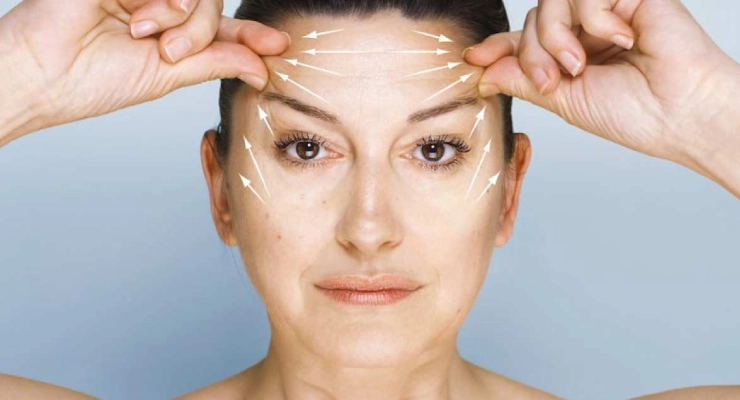
These approaches rely on non‑invasive or minimally invasive techniques such as Botox injections, dermal fillers, thread lifting, and energy‑based devices like focused ultrasound (HIFU) or laser to tighten the skin and stimulate collagen production.
These methods can provide noticeable improvement in the temporal brow position and reduce mild sagging and fine lines, but the results are usually temporary and require repeat treatments every few months to about a year, depending on the technique and the skin’s response.
Non‑surgical options are suitable for patients with mild to moderate laxity who want minimal downtime and lower procedural risk compared with surgery. A thorough evaluation by a dermatologist or plastic surgeon is essential to determine whether a non‑surgical temporal brow lift is an effective and safe option for your specific case.
When Do Final Temporal Brow Lift Results Appear?
Initial improvements are usually visible within the first week after a temporal brow lift, once swelling and bruising have partially subsided. However, the final result cannot be accurately assessed until at least 2 to 3 months have passed. This is the time needed for tissues to fully heal and for the brow to settle into its new position.
During the first few weeks, the brow may appear slightly higher than desired. This is a normal, temporary effect of surgical tightening and will gradually relax to a more natural position as the muscles and skin adapt.
Swelling, redness, and discomfort typically decrease significantly within 10–14 days, while scars mature and fade progressively over several months.
Following your surgeon’s post‑operative instructions—such as avoiding bending, sleeping with your head elevated, and taking prescribed medications—plays a crucial role in speeding up recovery and achieving the best, most natural‑looking result that can last for many years.
Book Your Temporal Brow Lift Consultation at Batal Specialized Medical Complex
At Batal Specialized Medical Complex, you can book a comprehensive consultation for temporal brow lift, performed safely and professionally with a detailed facial assessment and a customized treatment plan for each patient.
Our doctors use the latest surgical and non‑surgical temporal brow lift techniques, providing a thorough explanation of each step, recovery time, and expected results so you can make an informed decision.
During the consultation, the condition of the skin and forehead muscles is evaluated, realistic expectations are discussed, and it is determined whether a temporal brow lift alone—or combined with other procedures such as upper eyelid surgery—will best achieve a more youthful, vibrant look.
Our medical team is committed to the highest standards of safety and sterilization, along with regular follow‑up after the procedure to ensure optimal results and minimize complications.
Book your consultation now at Batal Specialized Medical Complex to benefit from the expertise of our plastic surgeons and dermatologists, and receive a tailored treatment plan that restores harmony to your forehead and reshapes your brows in a natural and attractive way.
Patient Guide: Frequently Asked Questions About Temporal Brow Lift
Does a Temporal Brow Lift Change the Shape of the Face or Facial Expressions?
No. When performed correctly by a qualified surgeon, a temporal brow lift provides natural‑looking results that preserve your core facial expressions while enhancing the eye area without excessive tightness or distortion of your features.
What Are the Possible Side Effects of a Brow Lift?
Like any surgical intervention, brow lift procedures carry potential risks that should be discussed beforehand. Known complications include:
– Numbness or altered sensation in the forehead or scalp (often temporary, but on rare occasions may be long‑lasting).
– Asymmetry between the brows or over/under‑correction on one side, which may require secondary revision.
– Scarring (visibility depends on the technique: small incisions behind the hairline are usually less noticeable than direct incisions above the brow).
– Bleeding, hematoma, or seroma (fluid collection), which are uncommon.
– Infection or interference with normal forehead muscle movement.
– Reactions or complications related to anesthesia.
Reducing these risks depends on choosing the most appropriate technique (e.g., endoscopic vs. other methods), the surgeon’s experience, proper evaluation of patient factors (skin quality, hairline position, prior surgeries), and strict adherence to post‑operative instructions.
A practical recommendation is to consult an oculoplastic surgeon or facial plastic surgeon to discuss individualized risks and benefits and to clearly understand the possibility of needing future revision.
How Long Do Brow Lift Results Last?
The longevity of brow lift results depends on the specific technique and patient characteristics. In general:
– Surgical brow lifts (such as endoscopic or coronal lifts) provide long‑lasting results that often persist for many years, and in some patients for 5–15 years or more.
– Direct brow lifts can produce very durable positional changes but may leave more visible scars and will still be affected by ongoing aging.
– Non‑surgical techniques (Botox, fillers, threads) offer temporary elevation lasting from several months up to about a year, depending on the method.
Key determinants include ongoing aging of the skin and soft tissues, genetics, and lifestyle factors such as smoking, sun exposure, and significant weight changes.
An in‑person consultation with a specialist is recommended to select the most suitable technique and clarify realistic expectations about how long the improvement is likely to last and what maintenance options (non‑surgical touch‑ups or minor revisions) may be needed.
Is Temporal Brow Lift Suitable for Men?
Yes. Temporal brow lift is suitable for both men and women. In male patients, the procedure is planned carefully to maintain a naturally masculine brow shape and avoid an overly arched or feminine appearance.