
Med info
6 Signs You May Have Cataracts

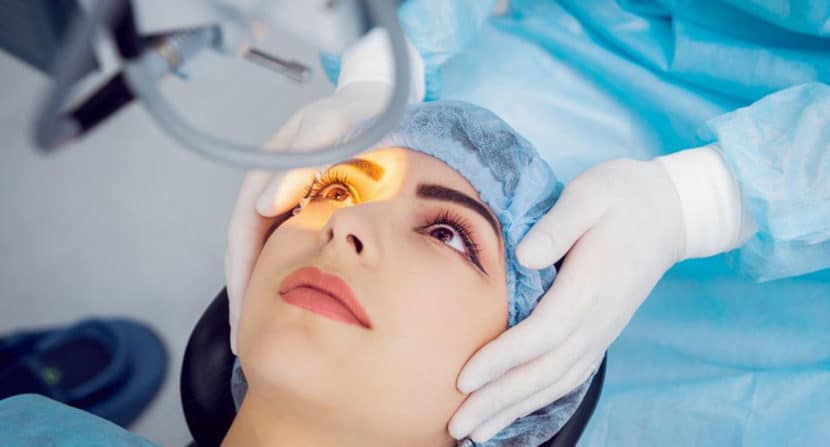
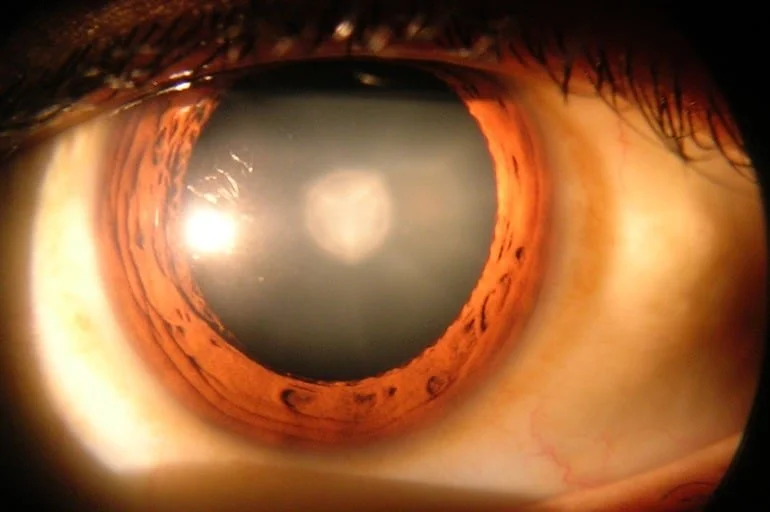
The eye’s lens is a clear structure that focuses images onto the light-sensitive retina. A cataract is a clouding of that lens. This cloudiness distorts or blocks light as it passes through the lens, leading to blurred or hazy vision, other visual problems, and potentially blindness. The term “cataract” comes from the word for a “waterfall,” which some people feel describes the way their vision looks:
In most cases, the lens becomes cloudy gradually over several years before it significantly blocks or distorts the light reaching the retina.
Cataracts are usually age-related. They often start to develop in your 40s or 50s, but may not affect your vision until later in life. Some cataracts are caused by eye injuries, long-standing diabetes, use of corticosteroid medications, or radiation therapy.
Some babies are born with cataracts, or develop them because of an infection during pregnancy such as toxoplasmosis, cytomegalovirus, syphilis, rubella, or herpes simplex.
In infants and young children, cataracts can also be a sign of a metabolic disorder that affects the way the body handles carbohydrates, amino acids, calcium, or copper.
Cataracts are the leading cause of blindness worldwide, accounting for about half of all cases of blindness. At the Batal Center in Turkey, a wide range of cataract patients are treated every year. Below are six signs that you may have cataracts and need treatment:
Cataract disease
Cloudy or Blurry Vision
If your vision suddenly becomes cloudy or hazy, it may be a sign of cataracts. You may find it harder to see clearly the way you used to.
Frequent Changes in Your Glasses Prescription
If you notice you need to change your glasses prescription more often than usual, this may be due to cataracts causing changes inside your eye. If you come in for eye exams more frequently than before, your ophthalmologist may recommend a cataract evaluation.
Faded or Dull Colors
Cataracts can make colors look faded, washed out, or less intense. You might feel that the world around you doesn’t look as bright or vibrant as it once did.
Difficulty Seeing at Night
One of the most common signs of cataracts is trouble seeing in low light or at night. This can make driving after dark or doing other tasks that require night vision more difficult and potentially unsafe.
Glare and Halos
Cataracts can cause increased glare and halos around lights. This can make it hard to see clearly, especially when driving at night or looking at oncoming headlights or streetlights.
Double Vision
Double vision in one eye (monocular diplopia) is another possible symptom of cataracts. This may be temporary or persistent. During a comprehensive eye exam, your ophthalmologist can determine whether cataracts are causing this symptom.
Get an Eye Exam and Cataract Treatment
If you are experiencing any of these signs of cataracts, contact the Batal Center in Turkey. Regular eye examinations can help you get an accurate diagnosis and the right treatment for cataracts.
Read also: Hooded Eyes: What They Are and What You Need to Know
Symptoms of Cataracts
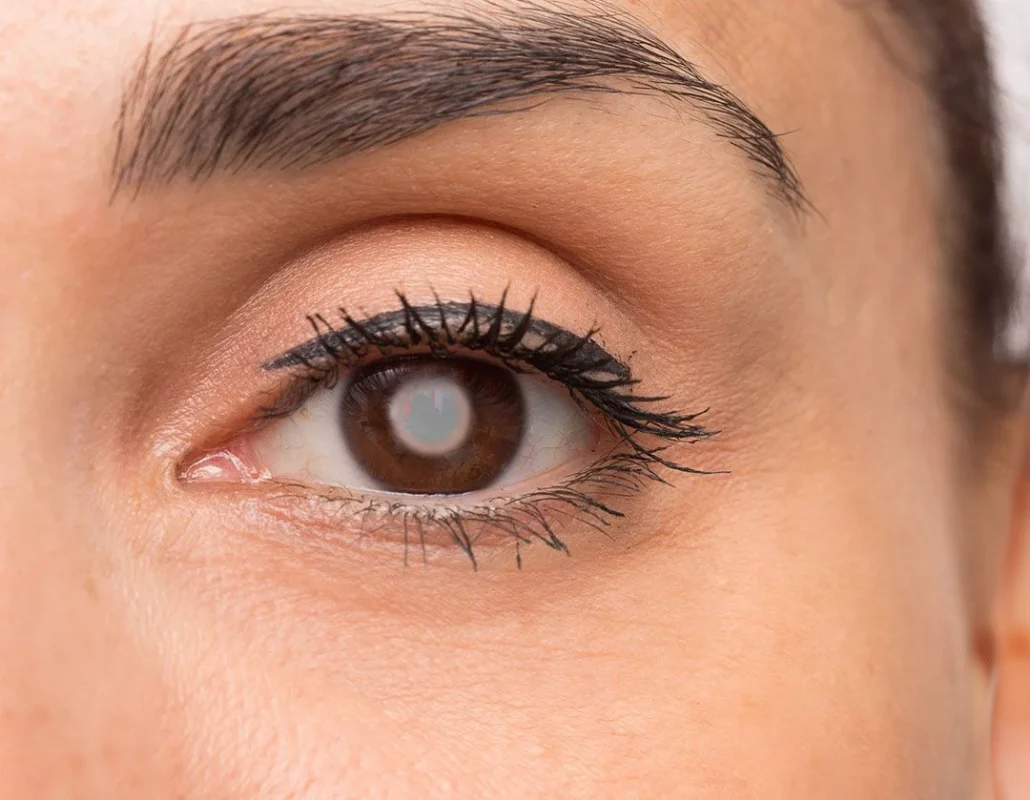
Symptoms of cataracts
Cataracts usually do not cause noticeable symptoms until they have grown large or dense enough to interfere with vision. Common symptoms include:
Treatment for Cataracts
Cataract treatment
People with cataracts may initially benefit from stronger eyeglasses, magnifying lenses, or brighter lighting to help improve their vision.
However, surgery is the only definitive treatment for cataracts. Before deciding on surgery, it is important to weigh how much your vision is affected against the small risks of surgery and the likelihood that it will improve your sight. Cataract surgery involves removing the cloudy natural lens and replacing it with a clear plastic intraocular lens (IOL) implanted in the eye during the procedure.
Cataract surgery significantly improves vision for most, but not all, patients. In some people, a condition called posterior capsular opacification can develop after surgery, in which the membrane behind the artificial lens becomes cloudy. This can usually be corrected with a quick laser procedure.
Ultimately, Batal Specialized Center in Saudi Arabia is considered one of the leading and most advanced medical centers for eye care and cataract treatment. The center’s reputation is growing day by day thanks to the excellent outcomes achieved by its ophthalmologists and its use of state-of-the-art diagnostic and treatment technologies. If you are experiencing any eye problems, schedule an appointment at Batal Specialized Center to receive the best possible medical consultation from a cataract and eye-care specialist.
Read also: How Long Does It Take to Recover from Eyelid Surgery?