
Med info
Proliferative Sickle Cell Retinopathy: What You Need to Know

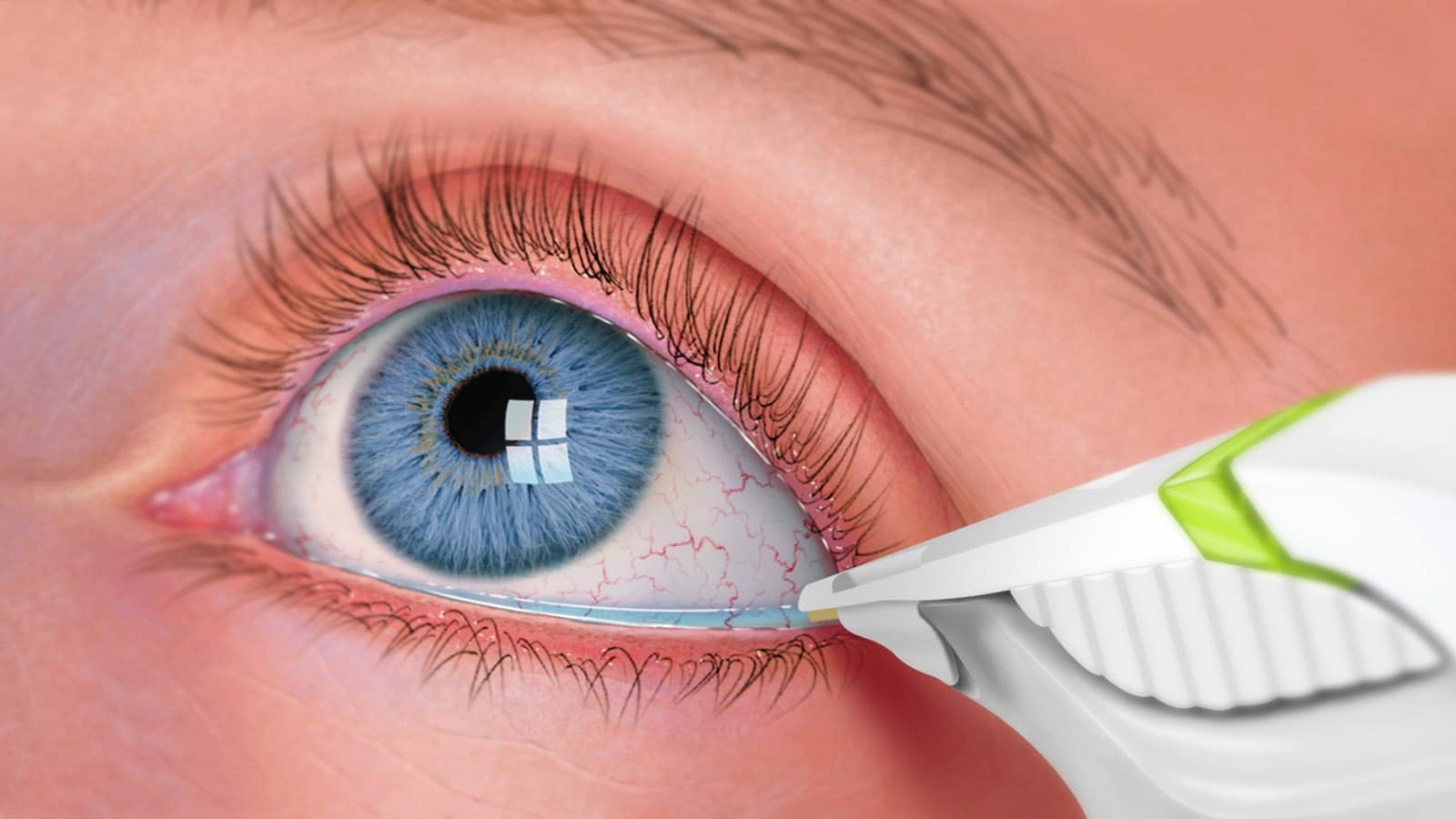
Proliferative sickle cell retinopathy (PSR) is an eye complication that can occur in some people with sickle cell disease, a hereditary blood disorder that affects how red blood cells function.
In PSR, abnormal new blood vessels grow and leak behind the light-sensitive tissue at the back of the eye, known as the retina. Leakage from these fragile vessels can lead to vision loss.
Around 10% of people with sickle cell disease develop some form of vision problem related to their condition. This article explains the symptoms, causes, diagnosis, and treatment of proliferative sickle cell retinopathy.
Read also: Eyelid Dermatitis: What You Need to Know
Symptoms of Proliferative Sickle Cell Retinopathy
Many people with proliferative sickle cell retinopathy do not notice any symptoms, especially in the early stages. This is one of the main reasons ophthalmologists recommend that people with sickle cell disease start having annual retina evaluations by about age 10. A retina specialist can look for early signs of PSR before vision is affected.
When PSR does cause symptoms, they may include:
Read also: Eye Freckles | Causes, Symptoms, and Treatment
Causes of Proliferative Sickle Cell Retinopathy
Proliferative sickle cell retinopathy is a complication of sickle cell disease. Sickle cell disease is an inherited blood disorder that makes red blood cells rigid, sticky, and abnormally shaped. These damaged cells break down earlier than normal, leading to a chronic shortage of red blood cells (anemia).
The sickled cells can also block small blood vessels. When this happens in the blood vessels supplying the eye, blood flow and oxygen delivery to the retina are reduced. This lack of oxygen (ischemia) triggers the growth of abnormal new blood vessels. These fragile, irregular vessels can leak blood and fluid into and behind the retina.
Read also: Can Poor Vision Cause Headaches? | Find the Accurate Answer
Diagnosis of Proliferative Sickle Cell Retinopathy
An eye doctor, such as a retina specialist, can use several tools and tests to diagnose PSR, including:
During the exam, your ophthalmologist will also look for other eye conditions that can have signs and symptoms similar to proliferative sickle cell retinopathy, such as:
Read also: Does Keratoconus Cause Blindness? | Symptoms You Should Watch For
Treatment of Proliferative Sickle Cell Retinopathy
Available treatment options for proliferative sickle cell retinopathy include:
Read also: Farsightedness (Hyperopia) | What It Is, Causes, and Treatment
If only a small area of abnormal blood vessels is present, your eye doctor may recommend close observation with regular eye exams rather than immediate treatment. Small areas of vessel growth sometimes regress on their own.
If you have sickle cell disease, it is essential to stay consistent with your systemic treatments and follow your hematologist’s recommendations. Good control of your underlying condition can help reduce complications and may slow the progression of proliferative sickle cell retinopathy.
Read also: Keratitis Symptoms | Causes, Diagnosis, and Treatment

Whatever vision problems or refractive errors you may have, eye diseases are delicate conditions that require careful evaluation and the right treatment by a skilled ophthalmologist using effective diagnostic and therapeutic tools. Whatever eye condition you are dealing with, you can book an appointment at Batal Specialized Medical Complex for a comprehensive eye examination and to begin addressing your eye problems, no matter how complex they may be.