Med info
What Is the Difference Between LASIK and Femto LASIK? 2026

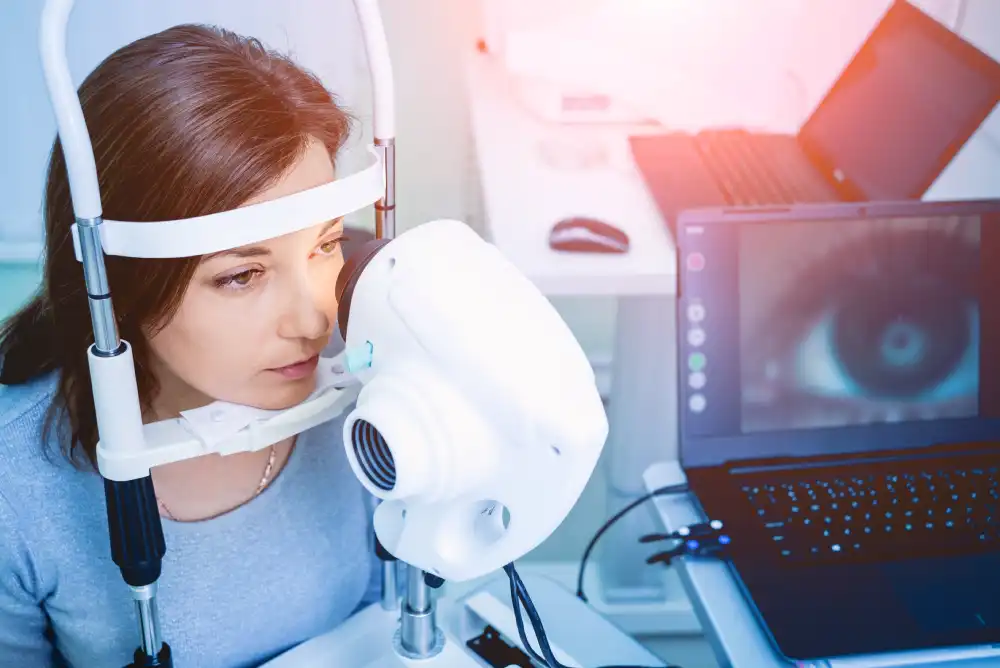
Understanding the difference between LASIK and Femto LASIK is essential, as these are modern techniques used to treat and correct vision problems. They are commonly used to manage nearsightedness, farsightedness, and astigmatism. Many patients want to know the precise differences between these procedures to help them choose the most suitable option for their vision correction journey. In this article, we will explain in detail what the difference is between LASIK and Femto LASIK.
Comparison: What Is the Difference Between LASIK and Femto LASIK?
To fully understand the difference between LASIK and Femto LASIK, you first need to know how each technique works, and what steps are involved in achieving recovery and solving the patient’s visual problems.
Both procedures are used to treat refractive errors and have shown excellent results in the cases we have treated at the Eye Center in Batal Specialized Complex.
The Difference Between LASIK and Femto LASIK
Below is a detailed explanation of the difference between LASIK and Femto LASIK to give you a clear picture:
Conventional LASIK is the most common procedure in the field of vision correction. The word LASIK stands for “Laser-Assisted In Situ Keratomileusis,” which means reshaping the cornea using a laser.
In this procedure, a thin flap is created on the corneal surface using a cutting laser (traditionally a microkeratome blade or femtosecond laser), which acts like an electronic scalpel. The flap is then lifted, and an excimer laser is used to reshape the underlying corneal tissue in a way that corrects the refractive error. LASIK is generally used to correct:
– Myopia (nearsightedness)
– Hyperopia (farsightedness)
– Astigmatism
Femto LASIK (Femtosecond LASIK) is a more advanced and precise evolution of LASIK. It relies on a special type of laser called a femtosecond laser. A femtosecond is 10⁻¹⁵ of a second, meaning the laser delivers extremely short, high-precision pulses.
Because of this, the changes the surgeon makes to the cornea can be performed in a very short time with exceptionally high accuracy. This translates into more predictable flap thickness and positioning and can be safer for certain corneal shapes.
<a>Read also: LASIK Surgery: Restore Your Vision with Confidence</a>
<a>Read also: Femto LASIK Surgery at Batal Specialized Complex</a>
How Conventional LASIK Is Performed
In conventional LASIK, the surgeon:
1. Numbs the eye with anesthetic eye drops.
2. Creates a thin corneal flap using a microkeratome blade (or sometimes a femtosecond laser).
3. Lifts the flap to expose the underlying corneal tissue.
4. Uses an excimer laser to reshape the cornea according to the patient’s refractive error.
5. Repositions the flap without stitches; it adheres naturally.
In most cases, vision improves significantly within a short period, although it may take some time for vision to fully stabilize. Some patients may experience night vision disturbances (such as glare or halos) or dry eye symptoms after surgery.
How Femto LASIK Is Performed
Femto LASIK follows similar steps to LASIK, but with one key distinction in how the flap is created:
1. The eye is numbed with anesthetic drops.
2. A femtosecond laser is used to create a highly precise, uniform corneal flap without a mechanical blade.
3. The flap is lifted, and an excimer laser is used to reshape the cornea.
4. The flap is then repositioned to heal naturally.
In most cases, vision improves rapidly and then continues to stabilize over time. As with conventional LASIK, some patients may experience night vision issues and dry eye, but the precise flap creation of Femto LASIK can reduce certain mechanical risks associated with traditional flap creation.
Differences in Recovery and Sensations After Surgery
In LASIK:
– Many patients experience mild discomfort after the procedure, such as a foreign-body sensation, tearing, and blurry or hazy vision for a short period.
– Vision usually improves quickly, but full stabilization may take days to weeks.
– Some people experience temporary dry eye and nighttime visual disturbances.
In Femto LASIK:
– Patients might feel mild itching or burning for a few days after the procedure.
– These symptoms usually subside within a short time.
– Pain is generally mild, and patients are often given pain relievers or lubricating eye drops to ease any discomfort.
Overall, the difference in the speed of the actual procedure between LASIK and Femto LASIK is not very large; both are relatively quick surgeries performed within minutes per eye, but the precision of the flap in Femto LASIK is higher.
Side Effects of LASIK vs. Femto LASIK
When discussing the difference between LASIK and Femto LASIK, it’s important to mention the potential side effects of each procedure. In general, side effects may include:
For LASIK:
– Temporary dry eye
– Glare, halos, or starbursts around lights, especially at night
– Fluctuating vision during the healing period
– Rare complications related to the mechanical flap (irregular flap, partial flap, etc.)
For Femto LASIK:
– Similar temporary dry eye and night-vision symptoms as LASIK
– Typically lower risk of mechanical flap complications because the flap is created by femtosecond laser
– Very rare cases of transient light sensitivity or inflammation, which are usually manageable with medication
Your surgeon will discuss the specific risks and how they relate to your eye condition and corneal structure.
Cost Difference Between LASIK and Femto LASIK
In Saudi Arabia, the average cost of:
– Conventional LASIK: typically ranges from 3,000 to 6,000 SAR.
– Femto LASIK: typically ranges from 5,000 to 7,000 SAR.
Prices vary depending on the center, the surgeon’s experience, the technology used, and whether there are additional pre- or post-operative services included.
Similarities Between LASIK and Femto LASIK
Despite the differences between LASIK and Femto LASIK, they share many similarities:
– Both are used to correct refractive errors such as myopia, hyperopia, and astigmatism.
– Both use laser technology to reshape the corneal surface and improve how light focuses on the retina.
– The visual outcomes and the degree of improvement in vision are generally comparable when patients are well-selected and the procedures are performed correctly.
In both techniques, the goal is to reduce or eliminate dependence on glasses and contact lenses.
Who Is a Good Candidate for Each Procedure?
Surgeons rely on multiple factors to decide which procedure is most appropriate for each patient. These include age, refractive error, corneal thickness, corneal shape, lifestyle, and general eye health.
Candidates for LASIK typically:
– Have myopia, hyperopia, or astigmatism.
– Have sufficiently thick corneas to safely create a flap and perform the reshaping.
– Do not have other active eye diseases (such as advanced keratoconus, severe dry eye, or uncontrolled glaucoma).
Candidates for Femto LASIK typically:
– Also have myopia, hyperopia, or astigmatism.
– May have relatively thinner or slightly irregular corneas, where a more precise and customizable flap is preferred.
– Often include patients involved in contact or high-impact sports, where a more predictable flap structure may be advantageous.
<a>Read also: Is Femto LASIK Safe? A Complete Answer from Batal Specialized Complex</a>
Tips for Choosing the Right Procedure for You
From the Eye Center at Batal Specialized Complex, here are some important tips to help you choose the most suitable procedure:
– Undergo a comprehensive eye examination, including corneal thickness measurement, corneal topography, and assessment of tear film and pupil size.
– Share your lifestyle details with your doctor (e.g., job type, sports, night driving), as these can affect the choice of procedure.
– Discuss your expectations clearly—how much you want to reduce dependence on glasses and what level of visual quality you aim for.
– Ask your surgeon about the advantages and limitations of each technique in your specific case, rather than in general terms.
– Make sure the center uses modern, well-calibrated laser platforms and follows strict safety and sterilization standards.
At the end of this article, you should now have a clear understanding of the difference between LASIK and Femto LASIK and be familiar with the key details of each technique. You can contact us at the Eye Center in Batal Specialized Complex for assessment and treatment of all eye-related problems.
At the Eye Center in Batal Specialized Complex, we are committed to providing the latest vision correction technologies under the supervision of a distinguished team of experienced ophthalmologists, including Dr. Issa Baaissa, Dr. Bara Fuham, and Dr. Saud Al-Juhani. Whether you are considering LASIK or Femto LASIK, our medical team will perform a thorough evaluation of your eyes and offer tailored recommendations that match your visual needs, while maintaining the highest standards of safety and accuracy using state-of-the-art laser systems.