
Med info
Dry Eye: Everything You Need to Know About Causes and Treatment


Dry eye occurs when the eyes do not produce enough tears to adequately lubricate and nourish the surface of the eye, or when the tears produced are of poor quality and lack the natural oils needed to keep the eyes comfortably moist. In recent years, especially with the emergence of COVID-19 and the widespread use of masks and face coverings for long hours during the day, complaints related to dry eyes have become more common. Most of these complaints involve burning and pain in the eyes, sometimes accompanied by redness in more severe cases. In addition, as LASIK vision correction has become more widespread, reports of dry eye after LASIK have also increased.
COVID-19 has also indirectly contributed to a rise in dry eye complaints as many companies shifted to remote work, leading employees to spend more hours in front of computer screens. In this context, the American Academy of Ophthalmology recommends following the 20-20-20 rule: every 20 minutes of screen time, look at something at least 20 feet away for at least 20 seconds.
Symptoms of Dry Eye
Not all of the following symptoms need to appear together, and their severity can vary from person to person depending on work conditions and environmental factors. However, these are the most common complaints:
(List of symptoms will typically follow here in the original article)
Who Is at Higher Risk of Dry Eye After LASIK?
Although dry eye is a potential risk for anyone undergoing LASIK eye surgery, some groups are more likely to develop dry eye afterward:
For the most part, patients with autoimmune diseases are not considered ideal candidates for LASIK. However, autoimmune conditions can sometimes be diagnosed only after surgery. People with diabetes may also have a higher risk of dry eye due to reduced corneal sensation.
What Are the Symptoms of Dry Eye After LASIK?
Dry eye after LASIK is one of the most common complications patients may face. About 95% of people who undergo LASIK experience a period of dry eye afterward. In most cases, this dryness is temporary and gradually improves, but in rare cases LASIK can lead to chronic dry eye.
The symptoms are similar to those of dry eye unrelated to surgery, such as burning and a persistent urge to rub the eyes. Typically, these symptoms are mild to moderate and do not significantly interfere with daily activities. They often improve within a week, though in some patients they may last up to two weeks.
Excessive tearing after LASIK is one of the most noticeable and bothersome symptoms for patients. This tearing is the eyes’ way of trying to compensate for dryness by producing large amounts of reflex tears to moisten the eye and reduce other symptoms.
Causes of Dry Eye
(Causes would usually be listed here in the original article)
Other Medical Treatments That Can Help With Dry Eye
The following treatments can be helpful for dry eye after LASIK:
Prescription Eye Drops
If you have chronic dry eye, your doctor may prescribe medicated eye drops to be used twice daily, such as Restasis or Xiidra. These can be used instead of or in addition to over-the-counter artificial tears to treat chronic dry eye, reduce inflammation, and increase natural tear production.
Both medications have been shown to be effective, although Xiidra may provide faster results (it can start working within about two weeks, compared with up to three months for Restasis). Another option is punctal plugs—tiny devices inserted into the tear drainage ducts (puncta) at the inner corners of the eyelids—to help keep natural tears on the surface of the eye longer.
Corticosteroids
Topical corticosteroid eye drops can also be used for short periods in the management of dry eye after LASIK to relieve signs and symptoms. For the medication to be truly effective, it must reach the targeted ocular tissues.
Treatment of Dry Eye
Some people notice improvement in their symptoms using home remedies and over-the-counter lubricating eye drops. You should see an ophthalmologist if your symptoms become more severe or your condition worsens.
Home Remedies and Tips for Dry Eyes
(Home tips would typically be listed here in the original article)
Medical Treatments
When should you see a doctor? If your dryness symptoms are severe, or if your eyes are very dry, red, or painful, and home treatments are not enough to reduce or prevent symptoms, it is best to visit an eye doctor or eye clinic. The doctor will determine the underlying cause of the dryness and prescribe appropriate treatment, along with specific advice tailored to your case. Treatment is important because dry eye can lead to complications such as eye infections, inflammation, or damage to the ocular surface.
Eye Drops for Dry Eye
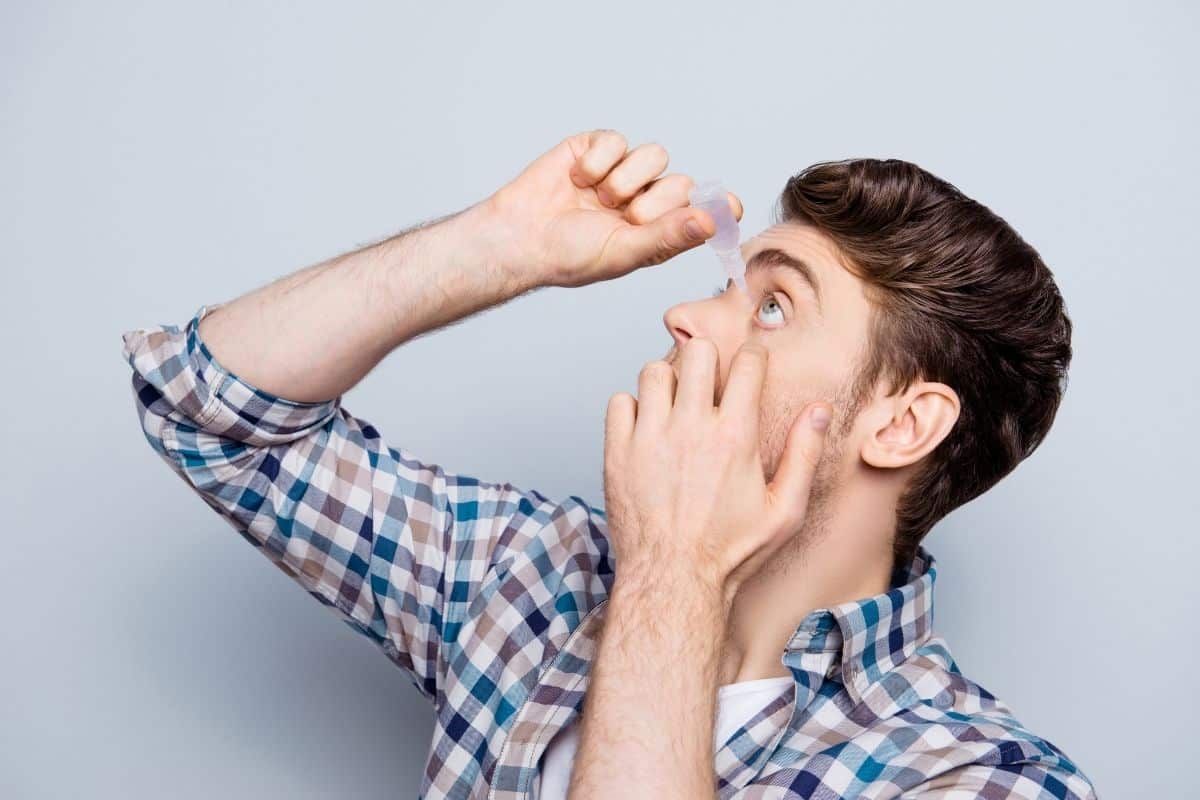
The most beneficial drops for dry eye are lubricating eye drops (artificial tears). Other types of drops intended for reducing redness or itching are generally not very effective in addressing the underlying problem of dryness. If you are buying drops over the counter, it is preferable to ask the pharmacist for preservative-free formulations, because preservatives can sometimes cause irritation and inflammation of the eyes with frequent or long-term use.
How Is Dry Eye Treated After LASIK?
Patients undergo this type of refractive surgery to correct vision problems such as myopia, hyperopia, or astigmatism. It is therefore important to treat dry eye without causing further harm to the eyes. If the problem is mild and does not significantly affect your daily life, that’s usually a good sign. Management options vary, and can include the following:
If you are wondering when dry eye will resolve after LASIK, it is typically most noticeable on the first day after surgery and improves significantly within one to two weeks. In rare cases, dry eye may persist for a longer period. In general, it can take about 6 to 12 months after LASIK for the eyes to fully recover and for all dryness-related issues to resolve.
How Can I Get Rid of Dry Eyes?
Lubricating eye drops help moisten the eyes and relieve dryness, and most of them can be purchased without a prescription. Correcting unhealthy habits and lifestyle factors also plays an important role in treating this common problem. It is best to take a break from looking at your phone or computer screen every 20 minutes and focus for 20 seconds on something else in the distance. Wearing sunglasses can help protect the eyes from dust and wind. Frequent blinking also plays a key role in spreading tears evenly across the eye’s surface and reducing dryness.
How Do I Know If I Have Dry Eyes?
There are two main types of dry eye. The first is aqueous-deficient dry eye, which occurs when the lacrimal glands fail to produce enough tears to keep the eyes properly lubricated. The second is evaporative dry eye, which occurs when the glands produce tears that lack a sufficient oily (lipid) layer, causing tears to evaporate too quickly and lose their ability to keep the eyes moist. You are likely to suspect dry eye if you do not have other eye conditions such as nearsightedness, farsightedness, or astigmatism, and you experience the symptoms mentioned earlier.

When you visit an eye doctor, you will undergo a comprehensive eye examination, including an external assessment of the eyes, eyelids, and cornea. In any case, although dry eye can be quite uncomfortable, it is not life-threatening. Effective treatments are widely available and accessible to most people.