Med info
Developments in Pediatric Eye Diseases

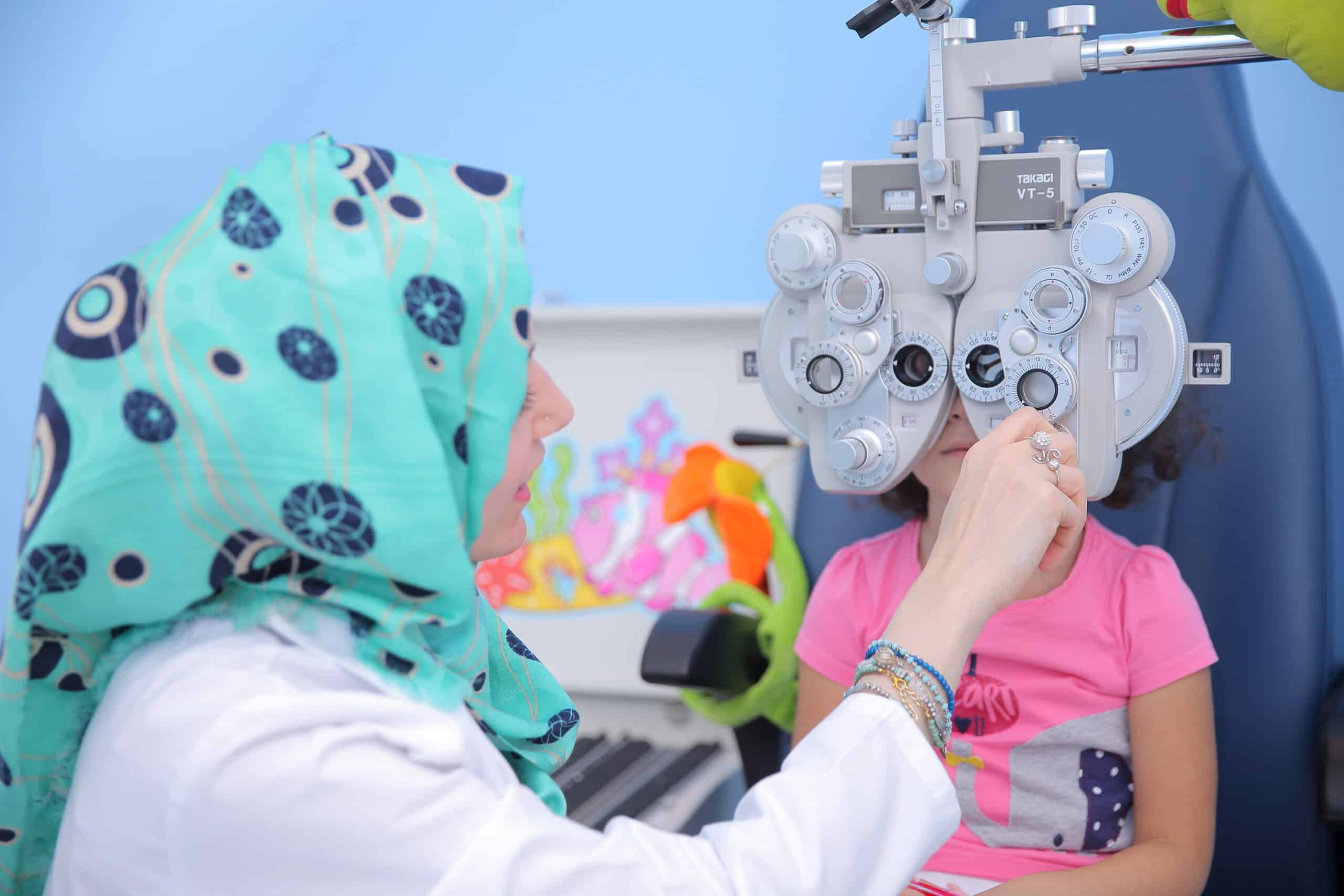
Most children are born with healthy eyes and their visual abilities develop normally. However, eye problems and vision disorders can still occur in children, and their symptoms may sometimes be hard to notice. Children also often do not report vision problems because they do not realize anything is wrong; for example, a child may think that double vision from amblyopia is normal vision.
A child may be born with an eye problem, or it may develop later during growth. In both cases, it can negatively affect overall development, not just the eyes. Here are some of the problems that may occur when pediatric eye diseases are not treated:
Pediatric Eye Diseases: Vision Loss
Amblyopia, or “lazy eye,” is a common pediatric eye condition that causes a significant difference in visual quality between the two eyes and is one of the main causes of strabismus (eye misalignment). Amblyopia must be diagnosed and treated at the right time to restore proper vision. Early diagnosis in childhood helps prevent permanent vision loss.
Retinal Detachment in Children
In most cases, retinal detachment in children occurs after a hard blow to the head or a fall from a height. However, total or partial retinal detachment can also develop as a complication of other eye problems such as high myopia (severe nearsightedness) or severe eye inflammation. Although a detached retina itself cannot be reversed, early diagnosis and proper treatment of conditions like myopia or eye inflammation in children can protect them from more serious complications that may not be treatable.
Pediatric Eye Diseases: Diabetic Retinopathy
Diabetic retinopathy in children is caused by persistently high blood sugar levels. Elevated blood sugar damages the blood vessels in the back of the eye and prevents the retina from receiving the nutrients it needs to maintain clear vision. If left untreated, diabetic retinopathy in children can lead to blindness. Laser treatment (retinal laser photocoagulation) is often very effective in preventing vision loss from diabetic retinopathy.
Glaucoma
Chronic conditions such as diabetes or high blood pressure can contribute to the development of glaucoma in children. Glaucoma may also occur due to genetic (hereditary) factors. It is associated with increased intraocular pressure (pressure inside the eye), which can damage the optic nerve. Ongoing damage to the optic nerve can eventually result in permanent vision loss.
Symptoms of childhood glaucoma include enlarged (bulging) eyes, cloudy or hazy corneas, and light sensitivity. When diagnosed early, a combination of surgery and medication often successfully controls glaucoma in children. Medical treatments may include topical eye drops and oral medications.
Surgical options include filtration surgery (using fine surgical instruments to create a drainage channel for the eye’s internal fluid) and laser surgery (using a laser to create a small opening in the eye tissue) to lower intraocular pressure. Although vision already lost to glaucoma cannot be restored, early detection and appropriate treatment can help preserve and optimize the remaining vision in the child.
Chronic Inflammation
Blocked tear ducts in children can cause eye irritation and persistent tearing, which may lead to chronic eye inflammation. Ongoing inflammation can in turn cause more serious complications, including optic nerve damage or progressive narrowing of the visual field, potentially resulting in vision loss.
Uveitis
Uveitis (inflammation of the uveal tract) in children often appears as a complication of chickenpox (varicella). It can also result from penetrating eye injuries, exposure to chemical or caustic substances, viral infections, or genetic factors. Chronic uveitis can lead to vision loss, glaucoma, optic neuritis, or cataracts. For this reason, doctors recommend seeking medical advice immediately if symptoms of uveitis appear, such as eye redness, eye pain, and light sensitivity.
Childhood Cataracts
Although cataracts are more common with aging, they can also occur in children. Pediatric cataracts may be hereditary or develop as a result of diabetes, direct eye trauma, certain medications, or poisoning. In these cases, cataracts may develop immediately after the injury or may not appear until years later.
Symptoms include eye misalignment (strabismus), nystagmus (rapid, repetitive eye movements side to side or back and forth), and blurred or cloudy vision. If left untreated, pediatric cataracts can cause blindness. Many children over the age of one require surgery to remove the cataract.
Because symptoms of pediatric cataracts can resemble those of other eye diseases, it is essential to consult an eye doctor for a comprehensive eye exam to determine the correct diagnosis and start appropriate treatment.
Lazy Eye (Amblyopia) in Children
Strabismus in children is often successfully treated with an eye patch, eyeglasses, or surgery. However, if strabismus is left untreated, it can lead to amblyopia (lazy eye). Amblyopia usually results from neglecting to treat astigmatism, uncorrected reduced vision in one eye, a significant difference in refractive error between the two eyes, or persistent eye misalignment. Delayed eye examinations and diagnosis may allow the condition to progress to permanent vision loss.
Pediatric Eye Diseases – Comprehensive Eye Examination
There are many tests that can be used to assess visual acuity, evaluate eye health, and detect conditions such as astigmatism and other refractive errors that affect vision. However, in some children these conditions may be so subtle that a basic vision screening alone will not detect them. In such cases, the doctor will recommend more detailed and specialized tests.
Symptoms of Pediatric Eye Diseases
In many pediatric eye conditions, warning signs of a problem can be noticed relatively easily. For instance, obvious eye turning or misalignment points toward strabismus, and frequent squinting at objects may indicate a refractive error such as nearsightedness or farsightedness. Other conditions, however, require careful examination because their symptoms are less obvious. For this reason, it is advisable to have your child’s eyes examined if you notice symptoms such as:
Vision problems can significantly delay development, especially in very young children. Early detection and treatment are therefore essential for normal growth and learning alongside their peers. In some cases, diagnosis is delayed simply because the child has never had a proper eye exam. To schedule a comprehensive eye examination for your child, you can contact Dr. Batal Specialized Center at the phone numbers shown to book an appointment, or reach us via WhatsApp.
A post shared by مجمع بطل التخصصي (@drbatalcenter)
Strabismus in Children
Strabismus occurs when the eyes are not properly aligned. One eye may turn inward or outward instead of pointing straight ahead, leading the brain to suppress or “ignore” the image from that eye. Over time, this can cause loss of vision in the misaligned eye.
Treatment for strabismus may start with a period of observation to better understand the condition and, when possible, to correct it before surgery is considered. Surgery can be used to straighten the misaligned eyes so they can start working together as a team. However, surgery by itself does not improve visual acuity; additional treatments such as glasses or patching may still be required.
Refractive Strabismus in Children
In this type of strabismus, there is a large difference in refractive error (prescription strength) between the child’s two eyes. The brain then learns to rely on the stronger eye and to ignore the weaker one.
Even during an eye exam, parents or even the eye doctor may not see any obvious difference between the eyes. Without specific visual acuity testing, this type of problem can be difficult to detect. The best outcomes occur when it is identified and treated early.
Treatment for refractive strabismus usually includes using eye drops or an eye patch over the stronger eye to force the weaker eye to work harder and become stronger. In many cases, eyeglasses are also very helpful.
Read also: Femto-LASIK Vision Correction Surgery
Blepharitis in Children
Bacterial eye infections that require antibiotic treatment can present as blepharitis (inflammation of the eyelid margins). It generally appears in two main forms.
Because blepharitis can recur frequently, doctors typically recommend careful eyelid and lash hygiene, including regular cleaning using specialized lid scrubs or over-the-counter ointments. In some cases, topical antibiotic eye drops and/or oral antibiotics may be prescribed to reduce swelling and relieve pain and other symptoms.
Eye Infections and Mucous Discharge in Children
Many different eye infections produce very similar symptoms, so it is important for a doctor to examine the child to make an accurate diagnosis and select the right medication or treatment. Left untreated, many eye infections can have serious consequences or progress to more dangerous infections, which is why prompt medical care is strongly advised.
Despite the risk of complications, most bacterial eye infections respond well to antibiotic eye drops. Viral eye infections often resolve on their own with minimal intervention, but if severe, they can be treated with antiviral eye drops.
The doctor will also look for any underlying causes of the eye infection and, in some cases, may prescribe oral medications alongside topical treatment to fully control the infection.
Corneal Abrasions in Children (Corneal Surface Scratches)
Corneal abrasions are essentially scratches on the surface of the eye and are quite common in children. They can result from a variety of causes. These abrasions usually occur when something gets into the eye—such as sand, dust, or similar particles. The injury can be painful, but in most cases corneal abrasions heal within a few days without major complications.
The cornea is the clear outer layer of the eye, visible as the transparent tissue covering the front of the eyeball. It acts as a protective barrier between the external environment and the iris (the colored part of the eye) and the pupil (the black center). An abrasion occurs when something rubs, scratches, or cuts the corneal surface.
In rare cases, corneal abrasions can develop into something more serious, such as a corneal ulcer, which is uncommon but potentially vision-threatening. For this reason, it is essential that a doctor examine any suspected corneal abrasion to make sure there is no deeper damage. Symptoms of a corneal abrasion include:
Diagnosis and Treatment of Corneal Abrasions
To diagnose a corneal abrasion, the doctor will examine and test the eye by placing a special dye called fluorescein on the surface of the eye. The eye is then examined under a filtered (blue) light, which makes any scratches or abrasions on the cornea clearly visible.
Once a corneal abrasion is diagnosed, the doctor may prescribe eye drops or an ointment to support healing. Pain relievers may also be recommended if the child is experiencing significant discomfort.
Ptosis (droopy eyelid) is the medical term for drooping of the upper eyelid. The eyelid may sag partially or so severely that it covers the pupil and restricts vision. Ptosis is sometimes inherited and can affect one or both eyelids. It may be present at birth (congenital ptosis) or develop later in life. Children with ptosis from birth are said to have congenital ptosis.
Read also: Eye Care After Laser Vision Correction
Whatever the symptoms of poor vision, eye defects, or eye problems may be, this sensitive medical condition requires a thorough examination and appropriate treatment from a skilled, experienced ophthalmologist, using effective medical tools and technologies that provide real benefit. Whatever eye disease you are dealing with, you can book an appointment at Dr. Batal Specialized Center for a complete eye evaluation and to begin addressing your eye problems, regardless of their complexity.