Med info
Dacryocystorhinostomy Surgery (Blocked Tear Duct Surgery): Everything You Need to Know

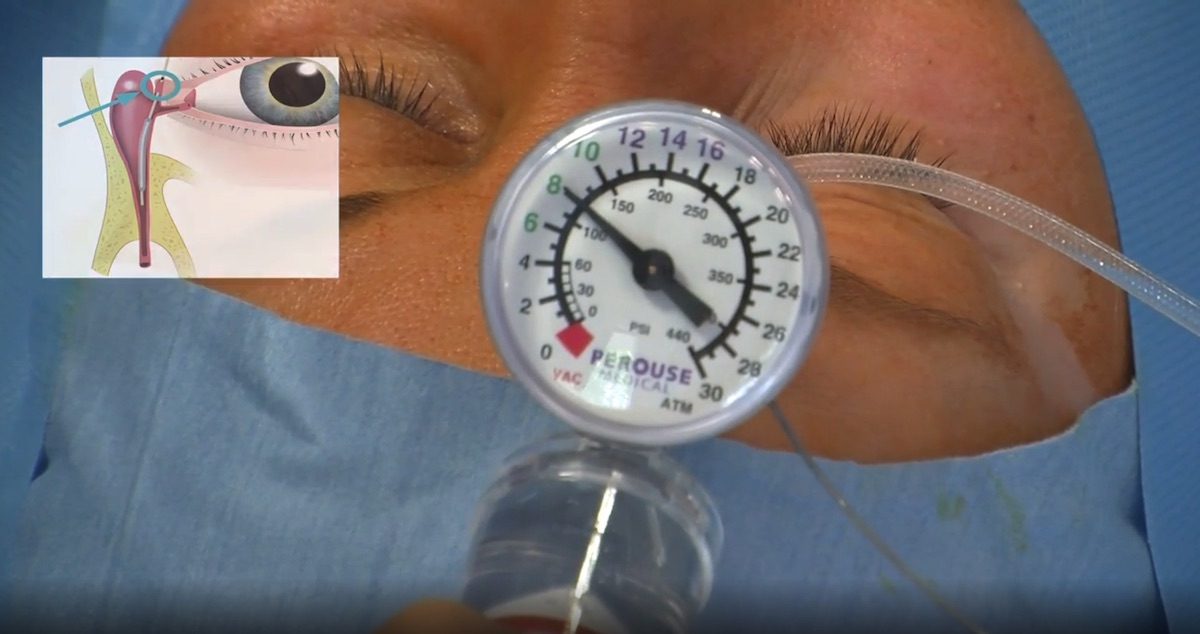
Tears keep the surface of your eye moist and drain through a tiny opening at the inner corner of your eye. From there, the fluid passes into your nose, where your body absorbs and eliminates it.
A blocked tear duct (a medical condition that may require what’s commonly called “blocked tear duct surgery”) is a complete or partial obstruction in the nasolacrimal drainage pathways that carry tears into the nose.
When your tear duct is blocked, you may experience itching, irritation, and excessive tearing in your eyes. Another name for a blocked tear duct is nasolacrimal duct obstruction.
Read also: Everything You Need to Know About Eyelid Lift (Blepharoplasty) Surgery
How Does the Tear Drainage System Work?
Normally, your tear system keeps your eyes lightly lubricated without constant tearing. Your lacrimal (tear) drainage system has three main components:
What Are Tear Ducts?
“Tear ducts” is another term for the nasolacrimal ducts. They begin at the inner corner of your eye, closest to your nose, then travel under the skin and connect with the bones of your face and nose.
Read also: Under-Eye Bags | Causes, Symptoms, Diagnosis, and Treatment
Partial Tear Duct Obstruction
Sometimes a narrowed tear duct (called nasolacrimal duct stenosis) causes a partial blockage.
With a partial obstruction, your tears may build up and not drain properly. The stagnant tears can lead to infections. In many cases, healthcare providers use similar treatment options for partial and complete tear duct blockages.
Who Can Develop a Blocked Tear Duct?
Blocked tear ducts are very common in newborns. In most infants, a blocked tear duct clears on its own without any treatment.
In adults, the risk of developing a blocked tear duct increases if they have certain medical conditions or risk factors.
Read also: Under-Eye Bags | Causes, Symptoms, Diagnosis, and Treatment
Causes of a Blocked Tear Duct
Read also: Eye Hemorrhage | Causes, Symptoms, and Treatment
Symptoms of a Blocked Tear Duct in Infants
Read also: LASIK for Astigmatism | Facts, Treatment, and Benefits
What Tests Help Diagnose the Condition Before Blocked Tear Duct Surgery?

Read also: Causes of Eye Irritation and How to Treat It
If you suspect you have a blocked tear duct, you can schedule an appointment with an ophthalmologist at Batal Specialized Center for a comprehensive evaluation before deciding whether to proceed with blocked tear duct surgery (dacryocystorhinostomy).