Med info
Astigmatism (Eye Astigmatism) | Causes, Symptoms, and Treatment Options

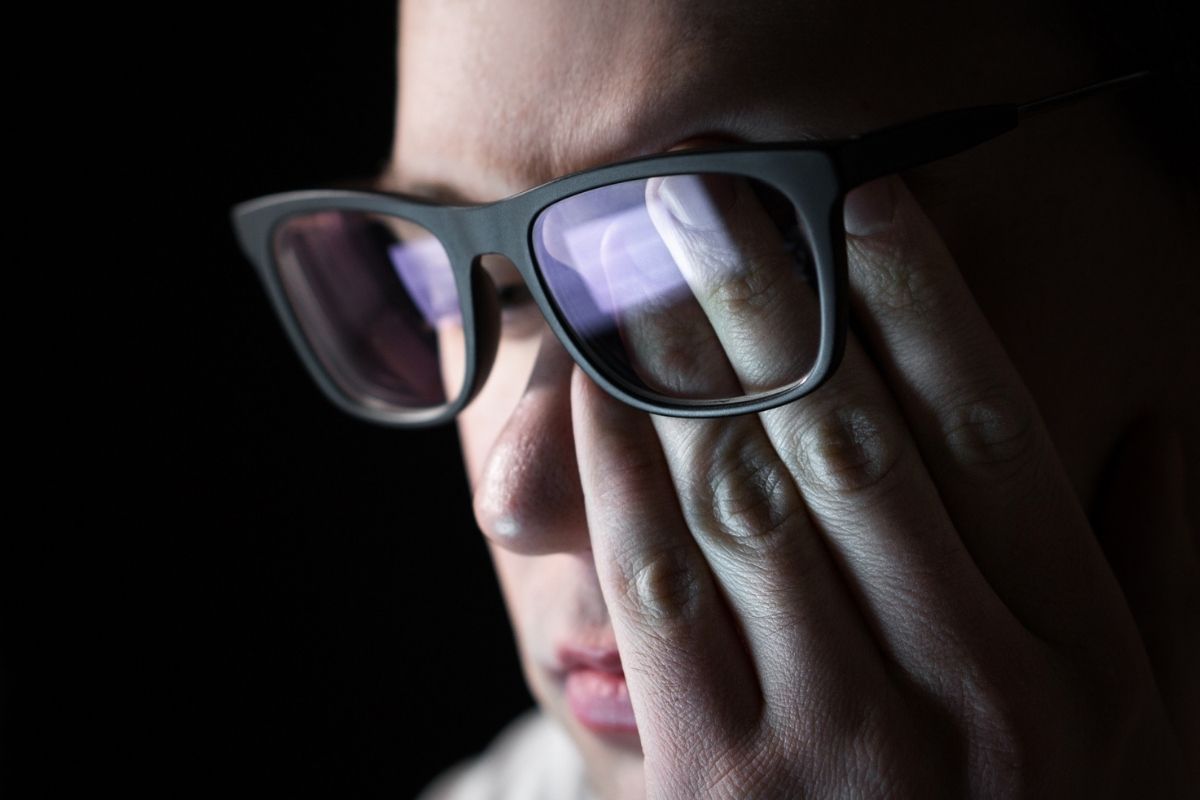
People with any degree of astigmatism often struggle to see objects clearly, and their vision usually worsens at night or in low-light conditions. This is because the eyes try to dilate to capture more light, while the cornea’s job is to bend (refract) and focus incoming light accurately inside the eye so that we see a sharp, clear image. When the shape or surface of the cornea is altered in any way, the retina can no longer receive light in the right place, which leads to distorted vision.
Astigmatism is one of the most common refractive errors. In simple terms, it is a defect in the curvature of the cornea (the “shape” of the eye’s surface), which makes it difficult for the eye to focus light precisely on the retina, resulting in blurry or distorted vision. In many people, astigmatism is mild and can be corrected easily with contact lenses or glasses, even if it is as small as 0.5 diopter.
What Is Astigmatism?
Astigmatism is a refractive error of the eye that causes blurred or distorted vision. For vision to be clear, the human eye is normally spherical like a ball, which allows light rays to be bent evenly and focused properly inside the eye.
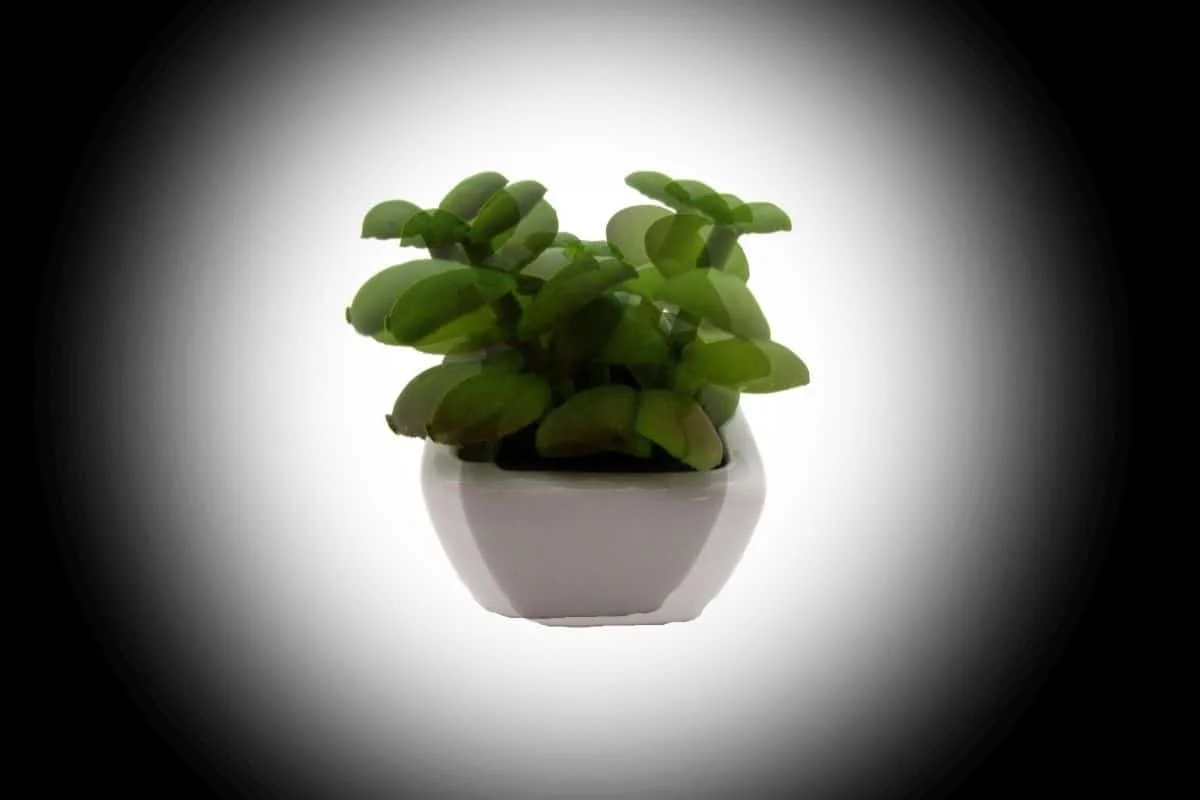
In astigmatism, the eye becomes more oval-shaped, and the front surface loses its smooth, regular curve. As a result, light does not bend evenly and only part of the image comes into focus, while the rest is blurred. The eye then loses its ability to see the full depth and dimensions of objects. Distant objects in particular appear blurry and unclear, especially at night. It is important to ask your doctor whether it is safe for you to drive at night, since headlights and streetlights may appear streaky, surrounded by halos and glare.
In a normal eye, light rays are focused at a single point on the retina. In astigmatism, there are two focal lines instead of one. An irregular corneal surface or a problem with the lens causes light to be distributed unevenly across the retina, leading to blurred, hazy images.
Astigmatism can be classified into two main types depending on which part of the eye is affected:
– **Corneal astigmatism:** due to loss of the cornea’s normal, round shape.
– **Lenticular astigmatism:** due to irregularity or damage in the lens, which loses its smooth surface.
In both cases, vision can be compared to looking at your reflection in a distorted mirror: you may appear taller, shorter, or much thinner than you really are.
One of the most common forms is **simple astigmatism**, in which light focuses on two distinct points, one of which is the normal central point of focus.
In **myopic astigmatism** (astigmatism with nearsightedness), one focal line falls on the retina while the other falls in front of it.
In **hyperopic astigmatism** (astigmatism with farsightedness), the second focal line falls behind the retina.
Astigmatism in Children
Astigmatism is one of the most common refractive errors in children. If left untreated, it can lead to more serious problems, such as **amblyopia (lazy eye)**. Children are particularly likely to go undiagnosed because they do not realize that their vision is not normal, and they are often unable to describe their symptoms clearly.
The exact causes of astigmatism in children are still not fully understood, but in most cases it is believed to be **hereditary**. It may appear during the first year of life or between the ages of 2 and 5 years.
Causes of Astigmatism
There is no single, definitive cause for this refractive error, but eye specialists believe that astigmatism may be related to:
– Genetic (hereditary) factors
– Natural variations in eye growth and development
– Previous eye injuries
– Certain eye surgeries
– Corneal diseases or thinning disorders such as keratoconus
Astigmatism itself can be categorized into three main types depending on the refractive pattern and the visual problems it causes:
– **Simple astigmatism** (myopic or hyperopic)
– **Compound astigmatism**
– **Mixed astigmatism**
Some people may have astigmatism without noticeable symptoms such as headaches or eye strain. However, regular eye exams at a specialized eye center (for example, the Eye Center at Al Batal Specialized Complex in Jeddah) are important to avoid unnecessary eye fatigue and to detect problems early.
The **only reliable way** to diagnose astigmatism is through a comprehensive eye examination. This is a straightforward, painless test performed in the ophthalmology clinic. The doctor will put drops in your eyes to dilate the pupils, then examine your eyes to check for astigmatism and any other refractive errors. This is essentially your “astigmatism test.”
Common symptoms such as blurry vision, eye irritation, eye pain, headaches, and poor night vision vary according to the **degree of astigmatism**. In early stages, astigmatism may be present without any obvious symptoms. For this reason, regular eye examinations are essential to detect and treat problems at an early stage.
Astigmatism Degrees – Astigmatism Levels in Numbers
Your eye doctor measures and records your degree of astigmatism in numbers to determine the most appropriate treatment. But how does each degree of astigmatism feel to the patient? And what treatment might be recommended for mild versus severe astigmatism?
Mild Astigmatism
With mild astigmatism, there may be no noticeable symptoms, and the person may not even realize there is a vision problem. In such cases, no treatment may be necessary if the refractive error does not affect visual clarity.
However, if even a mild degree of astigmatism affects your vision or causes symptoms, your doctor may recommend:
– Corrective eyeglasses
– Toric contact lenses (for astigmatism)
– Simple, regular eye exercises to reduce eye strain and improve focusing
Astigmatism Eye Exercises
Eye exercises on their own will not cure astigmatism, but they can help train your eyes to see more comfortably, reduce eye strain, and help the cornea adapt better to corrective lenses. Examples include:
– Focusing alternately on near and far objects
– “Figure 8” tracking exercises with the eyes
– Regular, timed breaks using the 20-20-20 rule (every 20 minutes, look at something 20 feet away for 20 seconds)
Your doctor or optometrist can recommend specific routines suitable for your case.
Moderate Astigmatism
At moderate levels, symptoms such as blurry or distorted vision, eye irritation, and headaches usually start to appear.
At this stage, the doctor typically prescribes **eyeglasses or corrective contact lenses** after ruling out other eye conditions. This remains one of the safest and most effective ways to correct refractive errors of all types.
Medical contact lenses designed for astigmatism (toric lenses) are different from standard or cosmetic lenses. They are specially shaped to rotate into the correct position and stay aligned so that the meridians of the lens match the eye’s astigmatic axes that need correction. While both glasses and contact lenses can correct astigmatism effectively, many people find contact lenses more comfortable and more natural because they sit directly on the eye and move with it.
How to Know Your Degree of Astigmatism
Different eye specialists may use slightly different formats to write your prescription, but most of them record the degree of astigmatism on a dedicated line in your prescription. You can read it yourself from the prescription, or from the numbers printed on your eyeglasses or contact lens boxes. The higher this number, the higher your degree of astigmatism.
Astigmatism is measured in **diopters (D)**, which indicate the optical power of the lens needed for correction. A perfectly “normal” eye with no refractive error would have 0 diopters.
For most people, astigmatism ranges between **0.50 and 0.75 diopters**, and this usually does not require treatment.
When astigmatism reaches **1.50 diopters or more**, the patient generally needs eyeglasses or contact lenses.
Your glasses prescription will usually contain three numbers per eye. The **last two numbers** typically represent the **cylinder (CYL)** and **axis**, which describe the strength and orientation of your astigmatism. Eye doctors often use standardized charts that include:
– A **spherical (SPH)** value to indicate nearsightedness or farsightedness
– A **cylindrical (CYL)** value to indicate the power of astigmatism
– An **axis** value to indicate the angle of astigmatism
Severe Astigmatism
In severe astigmatism, the refractive error can reach **2 to 3 diopters or more**. At this stage, the risks increase, and in some cases, the cornea may begin to bulge into a cone-like shape, leading to **keratoconus**.
Symptoms are not limited to blurry or double vision and eye fatigue; some studies have suggested an association between significant astigmatism and a higher risk of **migraine headaches**.
At this point, your doctor may recommend **surgical intervention** to reshape the cornea. Preoperative testing is very important because there are several types of surgery to correct astigmatism. For example, in older adults, astigmatism correction can sometimes be combined with **cataract surgery**, using special toric intraocular lenses.
What Causes Astigmatism?
The ideal shape of the front of the eye is close to a smooth, round ball. In astigmatism, the front surface becomes more like a rugby ball or an American football, with one meridian steeper than the other.
Astigmatism is strongly believed to be related to **genetic factors**, but other possible causes and risk factors include:
– Family history of astigmatism or other refractive errors
– Previous eye surgery (such as cataract surgery)
– Eye injuries that alter corneal shape
– Corneal thinning disorders (like keratoconus)
– Long-term use of poorly fitted contact lenses
– Chronic eye rubbing (often associated with allergies)
Astigmatism Surgery at Al Batal Specialized Complex
If you decide to undergo **astigmatism correction surgery**, even for low levels such as 0.5 diopter, at Al Batal Specialized Complex, you will first have a full eye examination with one of our ophthalmologists.
If you wear contact lenses, you will be asked to stop wearing them for a sufficient period before your examination. This allows the cornea to return to its natural shape so that your measurements will be accurate and the surgeon can determine:
– The most appropriate surgical technique
– The exact amount of corneal tissue that needs to be removed
This step is crucial because contact lenses can temporarily change corneal shape for days to weeks after you stop wearing them. If the cornea is not given time to stabilize, your pre-surgery measurements will be inaccurate, which can negatively affect the surgical plan and final results. Inadequate correction can leave you with reduced vision and dissatisfaction with the outcome.
Recommended discontinuation times before the preoperative exam:
– **Soft contact lenses:** stop wearing them at least **2 weeks** beforehand
– **Soft toric lenses or rigid gas-permeable lenses:** stop for at least **3 weeks**
– **Hard (non-gas-permeable) lenses:** stop wearing them for at least **4 weeks**
Can LASIK Correct Astigmatism After Symptoms Appear?
Yes. Astigmatism can be effectively corrected using **LASIK (Laser-Assisted In Situ Keratomileusis)** or **surface laser procedures** such as PRK, after astigmatism symptoms appear and the condition has been properly evaluated.
These procedures work by **reshaping the cornea** with an excimer laser so that light is focused more accurately on the retina. However, surgery is **not always the first option**. Your ophthalmologist will consider your age, corneal thickness, degree of astigmatism, general eye health, and overall medical condition before recommending surgery.
Before Astigmatism Surgery
Your doctor will ask detailed questions about your general health, any chronic diseases, and any medications you are currently taking, especially if you have been experiencing symptoms of astigmatism such as headaches, eye strain, or blurred vision.
You will also be asked to **avoid using eye makeup, creams, lotions, and perfumes** on the day before surgery to reduce the risk of infection.
During the Procedure
Astigmatism surgery at Al Batal Specialized Complex typically takes **less than 30 minutes**.
– The doctor will put **numbing eye drops** in your eye.
– A small instrument (eyelid speculum) will be used to keep your eyelids open.
– You will be asked to **focus on a fixed light** in front of you so your eye remains steady.
– Your vision may dim, and you may experience varying degrees of blurriness.
– You might feel some **pressure on the eye**, but not sharp pain.
– You may notice a smell similar to burning hair; this is normal and results from the laser removing tiny amounts of corneal tissue.
After the Procedure
Immediately after surgery, the doctor will place a **protective shield or bandage contact lens** over your eye to protect it from rubbing, pressure during sleep, or accidental injury while the cornea heals.
You may experience:
– Mild pain or discomfort
– Itching or a sensation of a foreign body in the eye
– Light sensitivity
– A small red spot on the white of the eye (subconjunctival hemorrhage)
Your doctor will prescribe **pain relievers and antibiotic/anti-inflammatory eye drops** to prevent infection and reduce inflammation. These early symptoms usually improve within a few days.
You will return to the clinic about **48 hours** after surgery to remove any protective bandage and to check healing. Follow-up visits will then be scheduled regularly during the first **six months** after the operation.
Important Note After LASIK
Laser eye surgery (such as LASIK) can eliminate astigmatism and significantly improve your vision. However, it does **not** guarantee that you will never develop other refractive errors in the future. Natural age-related changes in the lens or cornea—such as presbyopia or cataract—may still occur.
Therefore, it is essential to:
– Keep up with **regular eye checkups**
– Visit your doctor if you notice any changes in your vision
– Follow all postoperative instructions carefully
We are always nearby and ready to help. Do not hesitate to visit us or ask about any visual complaints.
Does Astigmatism Get Worse Over Time?
Many people wonder whether astigmatism worsens with age. If your astigmatism is going to increase over time, it will usually do so **regardless of whether you wear glasses or contact lenses**. However, **untreated astigmatism** can lead to worsening symptoms such as:
– Headaches
– Fatigue
– Eye strain
– Difficulty with night vision
With age, the eyelids tend to become looser, reducing the natural pressure that eyelids normally exert on the cornea. This can alter corneal curvature over time, causing a shift from a nearly normal corneal shape to more pronounced astigmatism and, in some cases, progression to **high astigmatism** that requires active treatment.
Early diagnosis, proper correction, and regular follow-up with your eye doctor are the best ways to keep your vision comfortable and stable over the long term.