
Med info
Can You Have Glaucoma Even If Your Eye Pressure Is Normal?

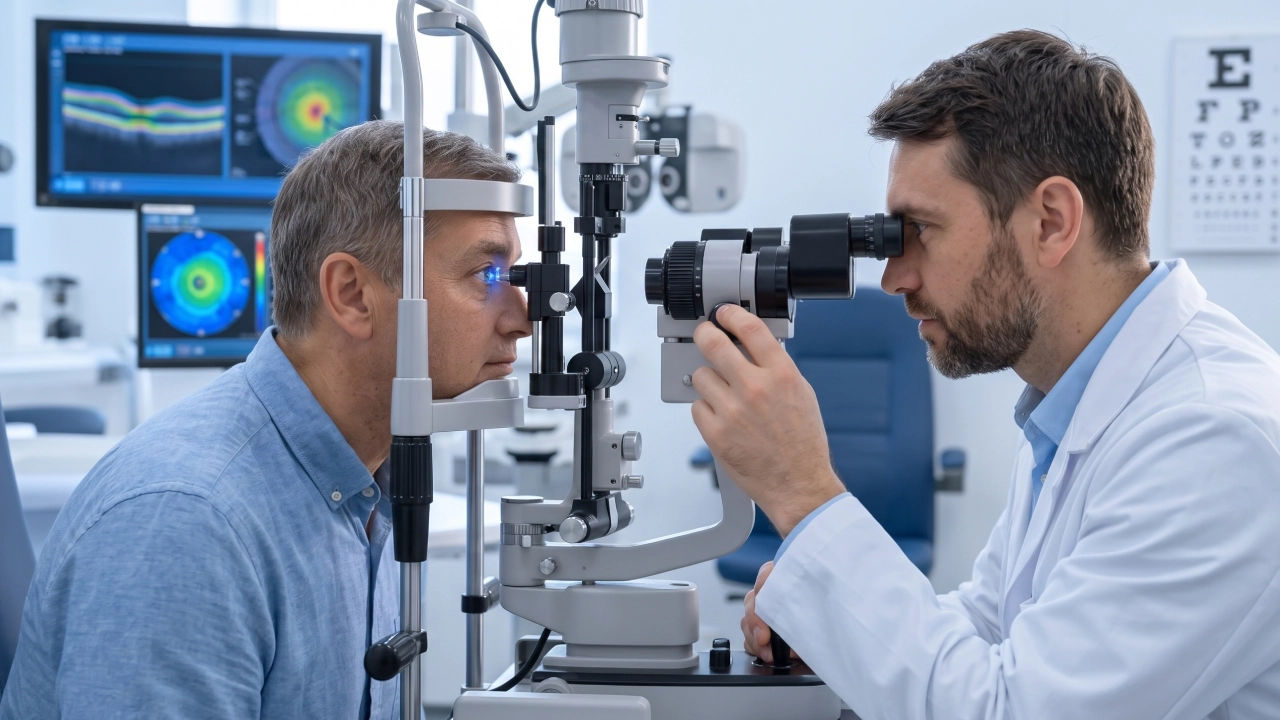
A normal eye pressure reading may seem reassuring, but it does not always mean your eyes are free from glaucoma. In some cases, damage to the optic nerve can develop even when intraocular pressure (IOP) remains within the normal range.
This condition is known as normal-tension glaucoma (NTG), a form of glaucoma in which the optic nerve gradually deteriorates without consistently elevated eye pressure. Because the disease often progresses without noticeable symptoms, it may remain undetected until vision has already been affected.
Understanding this condition is important because eye pressure measurements alone cannot rule out glaucoma. A comprehensive eye examination, including optic nerve assessment and visual field testing, is essential for an accurate diagnosis.
What Is Normal-Tension Glaucoma?
Normal-tension glaucoma is a type of open-angle glaucoma characterized by progressive optic nerve damage despite eye pressure readings that fall within the generally accepted normal range.
For many people, intraocular pressure typically measures between 10 and 21 mmHg. However, a reading within this range does not necessarily indicate that the optic nerve is healthy.
Some individuals have optic nerves that are particularly vulnerable to damage, even at pressure levels considered normal for most people.
The main difference between normal-tension glaucoma and glaucoma associated with elevated eye pressure is the pressure level recorded during examination. Both conditions can cause progressive optic nerve damage and irreversible visual field loss.
It is also important to distinguish between elevated eye pressure and glaucoma itself. Some individuals develop ocular hypertension without optic nerve damage, while others experience glaucomatous damage despite normal pressure readings. Understanding the difference between high eye pressure and glaucoma helps explain why diagnosis depends on more than a single pressure measurement.

What Causes Glaucoma When Eye Pressure Is Normal?
The exact cause of normal-tension glaucoma is not fully understood. Researchers believe several factors may contribute to the condition, particularly those affecting blood circulation to the optic nerve or its ability to tolerate intraocular pressure.
Potential contributing factors include:
- Reduced blood flow to the optic nerve: Impaired circulation may limit the oxygen and nutrients available to sensitive nerve tissues.
- Low blood pressure: Significant drops in blood pressure, particularly during sleep, may affect optic nerve perfusion in some individuals.
- Family history of glaucoma: Having relatives with glaucoma may increase the likelihood of developing the disease.
- Migraines and vascular disorders: Research has identified associations between certain vascular conditions and normal-tension glaucoma.
These factors do not necessarily cause glaucoma, and having one or more does not confirm a diagnosis.
An ophthalmologist must evaluate the optic nerve, visual function, and other clinical findings to determine whether glaucoma is present.
What Are the Symptoms of Normal-Tension Glaucoma?
Normal-tension glaucoma often develops silently. During its early stages, patients typically experience no pain, redness, or obvious changes in vision.
Many people continue their daily activities without realizing that damage to the optic nerve is occurring.
As the condition progresses, symptoms may include:
- Gradual loss of peripheral or side vision.
- Difficulty noticing objects outside the central field of vision.
- Blind spots or areas of reduced visual sensitivity.
- Changes affecting vision near the center of the visual field in some cases.
Because visual field loss usually develops gradually, patients may not recognize these changes until significant damage has occurred.
This makes regular eye examinations particularly important for people with a family history of glaucoma or other relevant risk factors.
How Is Normal-Tension Glaucoma Diagnosed?
Diagnosing normal-tension glaucoma requires more than a single eye pressure reading.
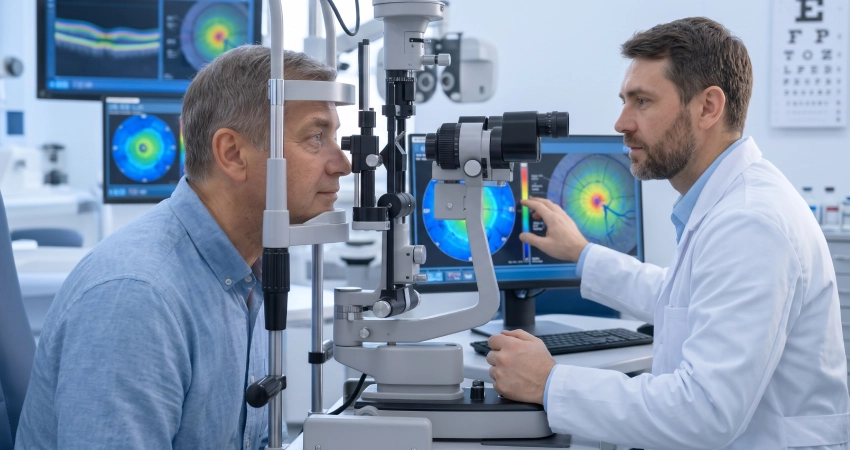
An ophthalmologist combines a detailed clinical examination with specialized diagnostic tests to assess the structure and function of the optic nerve.
Optic Nerve Examination
The ophthalmologist examines the optic nerve head for structural changes associated with glaucoma, including increased optic disc cupping and thinning of the neuroretinal rim.
These findings may indicate damage to the nerve fibers responsible for transmitting visual information from the eye to the brain.
Optical Coherence Tomography (OCT)
Optical coherence tomography is a non-invasive imaging technique that provides detailed measurements of retinal structures.
OCT helps assess the thickness of the retinal nerve fiber layer and identify structural changes that may be associated with glaucoma.
Visual Field Testing
A visual field test evaluates how well a patient detects objects across different areas of their vision.
It can reveal areas of reduced visual sensitivity that may not yet be noticeable during everyday activities.
Eye Pressure Measurement and Corneal Thickness Assessment
Eye pressure may fluctuate throughout the day, so an ophthalmologist may recommend repeated measurements at different times.
Measuring corneal thickness can also help interpret intraocular pressure readings more accurately.
In certain cases, additional investigations may be necessary to exclude other optic nerve disorders that can produce findings similar to glaucoma.
Can Normal-Tension Glaucoma Be Treated?
Yes. Although normal-tension glaucoma cannot usually be reversed, treatment can help slow its progression and reduce the risk of further optic nerve damage.
Even when intraocular pressure is already within the normal range, lowering it further may help protect the optic nerve.
The treatment plan depends on several factors, including the extent of existing damage, visual field findings, and the rate at which the condition is progressing.
Prescription Eye Drops
Glaucoma eye drops are commonly used to reduce intraocular pressure.
Depending on the medication, they work by decreasing fluid production inside the eye or improving fluid drainage.
Patients should follow the prescribed dosage and application instructions carefully to achieve the intended treatment effect.
Laser Treatment
Selective laser trabeculoplasty (SLT) may be recommended for certain patients.
This procedure aims to improve fluid drainage through the eye’s natural drainage system, helping reduce intraocular pressure.
Whether SLT is appropriate depends on the individual patient’s clinical findings.
Glaucoma Surgery
Surgical treatment may be considered when optic nerve damage continues despite medication or laser treatment, or when the target eye pressure cannot be achieved through other approaches.
The choice of procedure depends on the severity of glaucoma and the patient’s individual needs.
Treatment is not identical for every patient. Understanding the broader spectrum of glaucoma, its symptoms, and treatment options can help explain why some patients require only medication and monitoring, while others may benefit from laser treatment or surgery.
Can Normal-Tension Glaucoma Cause Blindness?
Normal-tension glaucoma can cause permanent vision loss if optic nerve damage continues without appropriate diagnosis and treatment.
However, being diagnosed with glaucoma does not mean that complete blindness is inevitable.
Early detection, effective pressure management, and regular monitoring can significantly reduce the risk of further deterioration.
The long-term outlook depends on the severity of optic nerve damage at diagnosis, the speed of disease progression, and the patient’s response to treatment.
Normal-Tension Glaucoma Diagnosis and Management with Dr. Obaidah Kilani
Diagnosing normal-tension glaucoma requires careful evaluation of the optic nerve and specialized diagnostic findings, particularly when eye pressure measurements do not show an obvious abnormality.
Dr. Obaidah Kilani is a Consultant Ophthalmologist specializing in glaucoma diagnosis, treatment, and surgery, with more than 15 years of professional experience.
He is a Fellow of the Royal College of Ophthalmologists (FRCOphth), with expertise in advanced glaucoma surgery and minimally invasive glaucoma surgery (MIGS).
His clinical background supports the assessment of patients who require specialized glaucoma management, including those whose condition may not be detected through routine eye pressure measurements alone.
Patients can learn more about his qualifications and areas of expertise through Dr. Obaidah Kilani’s professional profile on the Batal Eye Center website.
When Should You Schedule a Glaucoma Examination at Batal Eye Center?
A normal eye pressure reading should not be the only factor determining whether further glaucoma evaluation is necessary.
If you have a family history of glaucoma, or your ophthalmologist has identified changes in your optic nerve, a more comprehensive assessment may be recommended.
At Batal Eye Center in Jeddah, patients can access specialized glaucoma diagnostic, monitoring, and treatment services.
A comprehensive evaluation helps assess optic nerve health, identify possible signs of glaucoma, and determine an appropriate management plan based on individual clinical findings.
Because glaucoma can progress without early warning signs, waiting until vision becomes noticeably impaired may delay diagnosis.
To protect your long-term eye health, contact Batal Eye Center to schedule an appointment with an ophthalmologist for a detailed glaucoma assessment.
Frequently Asked Questions About Normal-Tension Glaucoma
Can You Have Glaucoma with an Eye Pressure of 15 or 18 mmHg?
Yes. Although readings of 15 or 18 mmHg are generally considered within the normal range, they do not exclude glaucoma.
If risk factors or suspicious optic nerve findings are present, additional examinations may be necessary.
Is Normal-Tension Glaucoma Serious?
Normal-tension glaucoma can be serious because it may cause progressive, irreversible optic nerve damage and visual field loss.
Early diagnosis, appropriate treatment, and consistent follow-up can help reduce the risk of progression.
Can Glaucoma Develop Without Symptoms?
Yes. Many forms of glaucoma, including normal-tension glaucoma, develop without noticeable symptoms in their early stages.
The condition may first be detected during an optic nerve examination or visual field test.
Is an Eye Pressure Test Enough to Detect Glaucoma?
No. Measuring intraocular pressure is only one part of a comprehensive glaucoma assessment.
An ophthalmologist may also recommend optic nerve examination, OCT imaging, visual field testing, and other investigations depending on the patient’s condition.
Do Patients with Normal-Tension Glaucoma Need Eye Drops?
Some patients require pressure-lowering eye drops even when their eye pressure is already within the normal range.
The decision depends on the extent of optic nerve damage, the risk of progression, and the ophthalmologist’s assessment.
Can Normal-Tension Glaucoma Be Completely Cured?
There is currently no treatment that restores optic nerve tissue permanently damaged by glaucoma.
However, available treatments can help slow disease progression and preserve remaining vision.
How Often Should Patients with Glaucoma Have Their Eyes Examined?
Follow-up schedules vary according to disease severity, pressure stability, and diagnostic findings.
Some patients may require appointments every few months, while others may follow a different monitoring schedule based on their ophthalmologist’s recommendations.
Can Low Blood Pressure Cause Normal-Tension Glaucoma?
Significantly low blood pressure, particularly during sleep, may contribute to reduced blood flow to the optic nerve in some patients.
However, low blood pressure is not an established cause of every case of normal-tension glaucoma.
Patients should never adjust or discontinue blood pressure medication without consulting their treating physician.