
Med info
Do Eyes Look Smaller After Eyelid Surgery? Causes and When to Seek Care

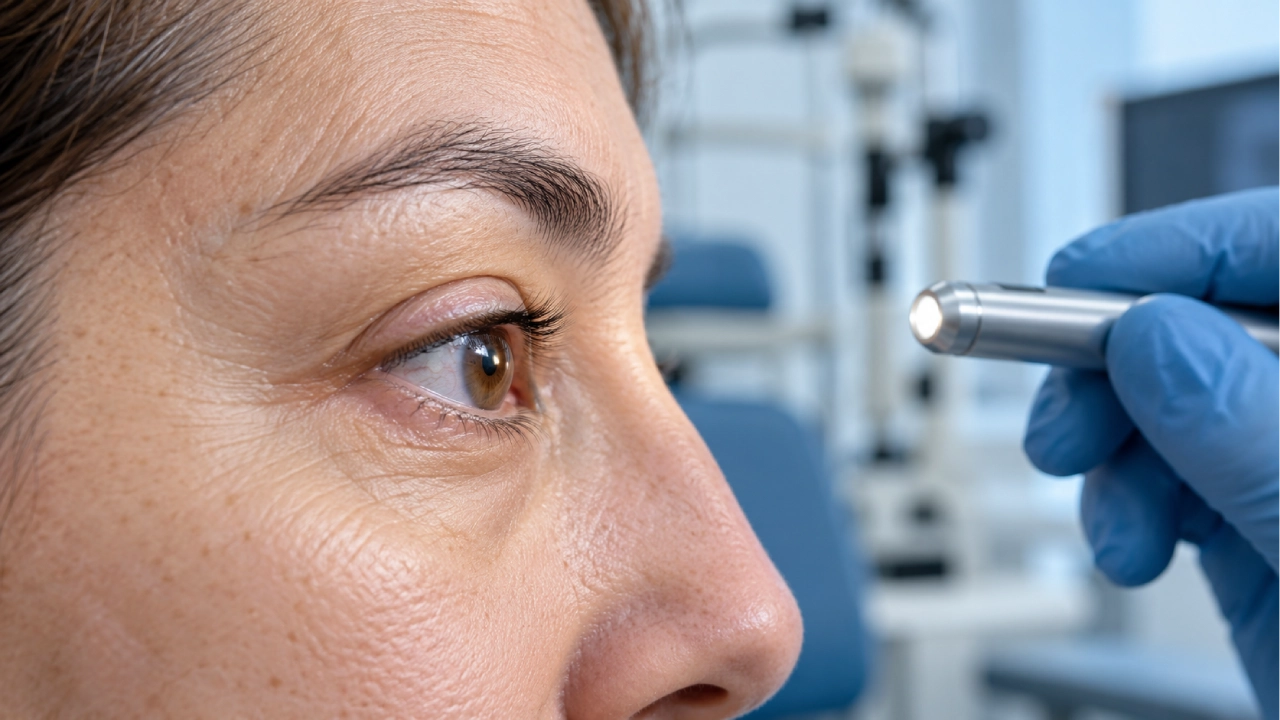
Eyelid surgery is not intended to reduce the size of the eyeball. However, the eye opening may look smaller during recovery or because of a change in eyelid position. An examination can identify the cause, particularly when the difference persists or occurs alongside other symptoms.
After surgery, you may notice that one eye looks narrower than the other or that the upper eyelid covers more of the eye. This alone does not mean the change is permanent or that corrective surgery is necessary. The timing, progression, and effects on vision and eye comfort all matter.
Does Eyelid Surgery Change the Size of the Eye or Its Opening?
The eyeball is the rounded structure inside the eye socket. The eye opening, sometimes called the palpebral fissure, is the visible space between the upper and lower eyelid edges. Its appearance depends on eyelid height, the eyelid crease, and the surrounding tissues.
Blepharoplasty removes excess eyelid skin and may also involve adjusting fat when appropriate. It differs from ptosis repair, which addresses a low upper eyelid by correcting its lifting mechanism. Some patients need both procedures because removing excess skin alone does not necessarily correct a drooping eyelid margin.
When an eye looks smaller after surgery, the clinician therefore assesses the eye opening and eyelid position rather than assuming that the eyeball itself has changed in size. The area treated also affects the changes that may occur, as explained in our guide to the difference between upper and lower eyelid surgery.

Why Might Your Eyes Look Smaller After Eyelid Surgery?
Eyelid Swelling During Early Recovery
Swelling can make an eyelid thicker and heavier, temporarily narrowing the visible eye opening. Bruising and a feeling of tightness around the surgical area may also occur.
However, swelling does not automatically explain every change. Gradually improving puffiness is different from swelling that increases rapidly, particularly when accompanied by severe pain or a change in vision.
Uneven Swelling Between the Eyes
The tissues around each eye may recover at different rates, making one eye appear smaller during the early healing period. A pre-existing difference in eyelid or eyebrow height may also become more noticeable after surgery.
Photographs taken before the procedure can help establish whether the asymmetry is new. Nevertheless, a pronounced or worsening difference should not be attributed to swelling without an assessment.
Upper Eyelid Drooping or a Change in Position
When the upper eyelid edge sits lower, it covers more of the eye and reduces the visible opening. This may relate to temporary swelling, pre-existing ptosis that skin removal did not address, or a change affecting the eyelid’s lifting mechanism after surgery.
Distinguishing between these causes is essential. Temporary swelling requires a different approach from a problem involving the eyelid-lifting muscle or its attachment. Tell your surgeon if you notice a clear new droop rather than waiting for the cosmetic result to settle.
Tissue Healing and Scar Changes
The eyelid crease and the flexibility of the surrounding tissues can change as healing progresses. In some cases, scar contraction or adhesions affect eyelid movement or position, changing the shape of the eye opening or creating asymmetry.
Scar-related changes do not always make the opening narrower; they can produce other eyelid position problems. Their effects cannot be reliably identified from a photograph alone or from the description that an eye “looks smaller.”
One Eye Looks Smaller After Surgery: When Is It Concerning?
The appropriate response depends on how quickly the difference appeared, whether it is improving, and whether other symptoms are present. The following table offers guidance on seeking care; it is not a tool for diagnosing the cause yourself.
| What you notice | Appropriate action |
| A mild difference during the first few days, with improving swelling and stable vision | Follow your surgeon’s instructions, attend scheduled follow-up appointments, and report the difference |
| A narrow eye opening that is not improving, or asymmetry that is becoming more noticeable | Contact your surgeon to arrange a timely examination |
| A clear new upper eyelid droop, particularly if it covers part of the pupil | Request an early assessment of eyelid position and function |
| Difficulty closing the eye or persistent burning | Contact your surgical team promptly for an eye surface assessment; seek urgent care if pain or vision changes occur |
| Sudden narrowing with severe pain, rapidly increasing swelling, or reduced vision | Go immediately to an emergency eye service or the nearest emergency department |
Difficulty closing the eye and dryness also deserve assessment, but they do not mean the eye opening has become smaller. Incomplete closure can result from a different eyelid position problem. Our overview of the risks of eyelid surgery explains potential complications in more detail.
When Will Your Eyes Look Normal After Eyelid Surgery?
Swelling reduction and the final surgical result follow different timelines. Noticeable bruising and swelling often improve over approximately two weeks, while scar fading and tissue healing can continue for months. These are general estimates, not a fixed deadline for matching eye appearance or completing recovery.
The disappearance of bruising does not necessarily mean that eyelid height and movement have reached their expected position. If the eye opening remains smaller, or the difference becomes more apparent as swelling decreases, an examination is needed to identify the cause.
Waiting for the final result should not mean postponing medical assessment. Your surgeon can evaluate changes early and determine whether observation is appropriate or whether a problem requires treatment before healing is complete.
How Is a Persistently Smaller Eye Opening Assessed?
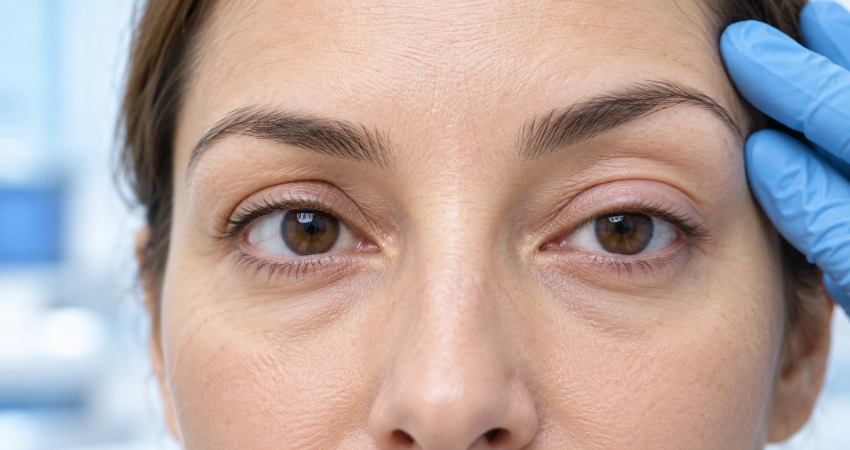
The assessment begins with the procedure and its timing. Did surgery involve the upper eyelids, lower eyelids, or both? Was ptosis repair or another procedure performed at the same time? The clinician will also ask when the difference appeared, how it has changed, and whether there is pain, altered vision, or discomfort.
Depending on the findings, the examination may include:
- Comparing photographs before and after surgery: To distinguish a new change from pre-existing asymmetry.
- Measuring eyelid height and the eye opening: Including how much of the cornea and pupil the upper eyelid covers.
- Assessing eyelid movement: To evaluate the lifting muscle while accounting for compensatory eyebrow raising.
- Checking blinking and closure: To confirm that the eyelids adequately protect the eye.
- Examining the eye surface: To assess the cornea, tear film, irritation, and any exposure caused by incomplete closure.
- Testing vision: With additional examinations when symptoms or clinical findings warrant them.
Together, these checks help distinguish an appearance change from impaired eyelid function—something that mirror checks or photographs alone cannot establish.
Does a Change in Eye Shape Require Treatment or Corrective Surgery?
Treatment depends on the cause and its effects on the eye. If the examination shows that narrowing is related to improving swelling, follow-up and adherence to the surgeon’s instructions may be sufficient. An infection, an eye surface problem, or a persistent eyelid position change requires a targeted treatment plan.
Persistent asymmetry does not automatically mean another operation is necessary. The clinician may recommend observation, treatment of an associated problem, or discussion of eyelid correction when there is an appropriate functional or cosmetic reason.
The timing of any intervention depends on visual safety, eyelid function, the nature of the problem, and the stage of healing. There is no single timetable that suits every patient.
Do not start eyelid massage, exercises intended to widen the eye opening, or additional drops and ointments to change its appearance without medical guidance. Follow your prescribed care plan and report any new changes to your surgeon.
When Do You Need Urgent Care After Eyelid Surgery?
The following symptoms require urgent assessment and should not be treated as a cosmetic concern alone:
- New or worsening vision changes, including reduced vision or new double vision.
- Severe or increasing pain, particularly with a feeling of pressure behind or within the eye.
- Rapid or marked swelling, especially on one side.
- Heavy, persistent, or recurrent bleeding.
- Increasing redness or unusual discharge, particularly when accompanied by pain.
If vision deteriorates, pain is severe, or swelling increases rapidly, go immediately to an emergency eye service or the nearest emergency department. Notify your surgeon while arranging care.
Increasing redness or discharge warrants urgent same-day assessment, with greater urgency if pain or vision changes are also present. Do not wait for a routine consultation when these warning signs occur.
Assessment of Eye Shape Changes After Eyelid Surgery with Dr. Tarek Al Najjar
Dr. Tarek Al Najjar is a consultant in oculoplastic and lacrimal surgery. According to his official profile, his areas of practice include cosmetic eyelid surgery, treatment of eyelid laxity and drooping, and lacrimal system procedures.
If a narrow eye opening or asymmetry persists after surgery, assessment by a specialist in oculoplastic and eyelid surgery can help clarify eyelid position and function and guide a discussion of suitable options.
Follow-up with the surgeon who performed your procedure remains essential because they know the surgical details and your condition beforehand. If you seek an additional opinion, bring photographs taken before surgery, the operative report, and a list of your current treatments, if available.
Have Your Eyelid Appearance and Function Assessed at Batal Specialist Eye Center in Jeddah
If your eyes look smaller or one eye appears narrower after eyelid surgery, book a consultation with Dr. Tarek Al Najjar at Batal Specialist Eye Center in Jeddah. An assessment can help identify the cause and determine the appropriate next step for your eyelid appearance and function.