
Med info
Retinal injections or laser

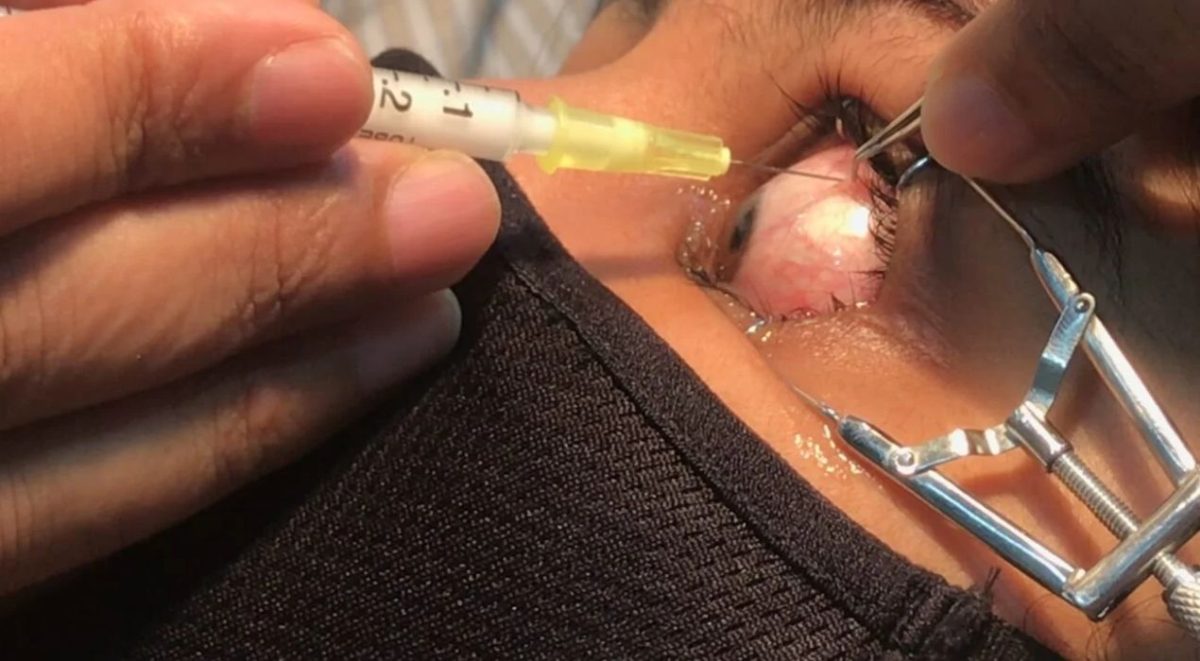
Why is it difficult to choose between retinal injections and laser treatment?

Choosing between retinal injections and laser therapy is often challenging for both patients and physicians, because each aims to protect the macula (the center of vision) but works through completely different mechanisms.
In conditions such as diabetic retinopathy or macular edema, the treatment decision depends on several factors: the degree of retinal swelling, the presence of hemorrhage or abnormal (neovascular) blood vessels, the condition of the optic nerve, current visual acuity, as well as the patient’s age and associated chronic diseases.
Retinal injections are designed to treat macular edema and fluid accumulation precisely inside the eye, using anti-VEGF agents (anti–vascular endothelial growth factor) or corticosteroids. In contrast, laser therapy works by delivering controlled laser energy to specific areas of the retina to reduce fluid leakage or seal fragile blood vessels.
These differences in how each treatment works, the number of sessions usually required, the cost of each option, how long the treatment effect lasts, and the possibility that some cases may need a combination of both injections and laser, all make the choice complex. It requires a thorough assessment by a retinal specialist, rather than relying on others’ experiences or general information found online.
Which retinal diseases require treatment?
Many retinal conditions require early intervention to prevent permanent vision loss, and this is where intravitreal injections and retinal laser therapy emerge as two key treatment options.
Among the most important of these conditions are diabetic retinopathy caused by poorly controlled diabetes, age-related macular degeneration (AMD), retinal tears or detachments, as well as macular edema resulting from retinal vein occlusion or as a complication following eye surgery.
These conditions may lead to blurred vision, the appearance of floaters or flashes of light, or a gradual or sudden loss of part of the visual field. In such cases, treatment may involve intravitreal injections to reduce fluid leakage and inhibit abnormal blood vessel growth, or laser treatment to seal retinal tears and cauterize damaged vessels, depending on the ophthalmologist’s assessment.
Therefore, any sudden or persistent change in vision warrants urgent evaluation by an ophthalmologist to determine the underlying retinal disease and select the most appropriate treatment—whether injections, laser, or a combination—before the problem progresses to permanent optic nerve damage or irreversible loss of sight.
What is retinal laser treatment?
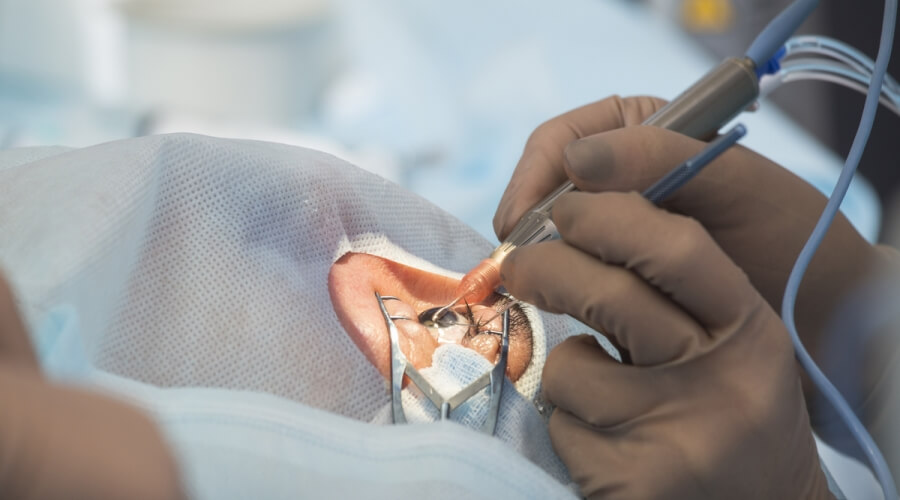
Retinal laser treatment is a medical procedure that uses a precise laser beam to target specific areas of the retina with the aim of stopping bleeding, reducing swelling, or stabilizing the retina in place to preserve vision.
Retinal laser is commonly used in conditions such as diabetic retinopathy, retinal tears or breaks, and certain stages of macular edema. The laser works by sealing leaking blood vessels or reinforcing weakened retinal tissue.
The procedure is performed in the clinic under topical anesthesia in the form of eye drops, and usually takes only a few minutes. During the session, the patient may feel slight warmth or see flashes of light.
This treatment helps slow or prevent further vision loss, but it usually does not fully restore vision that has already been lost. For this reason, it is sometimes combined with intravitreal injections to achieve the best possible outcome depending on each patient’s condition.
What are intravitreal injections?
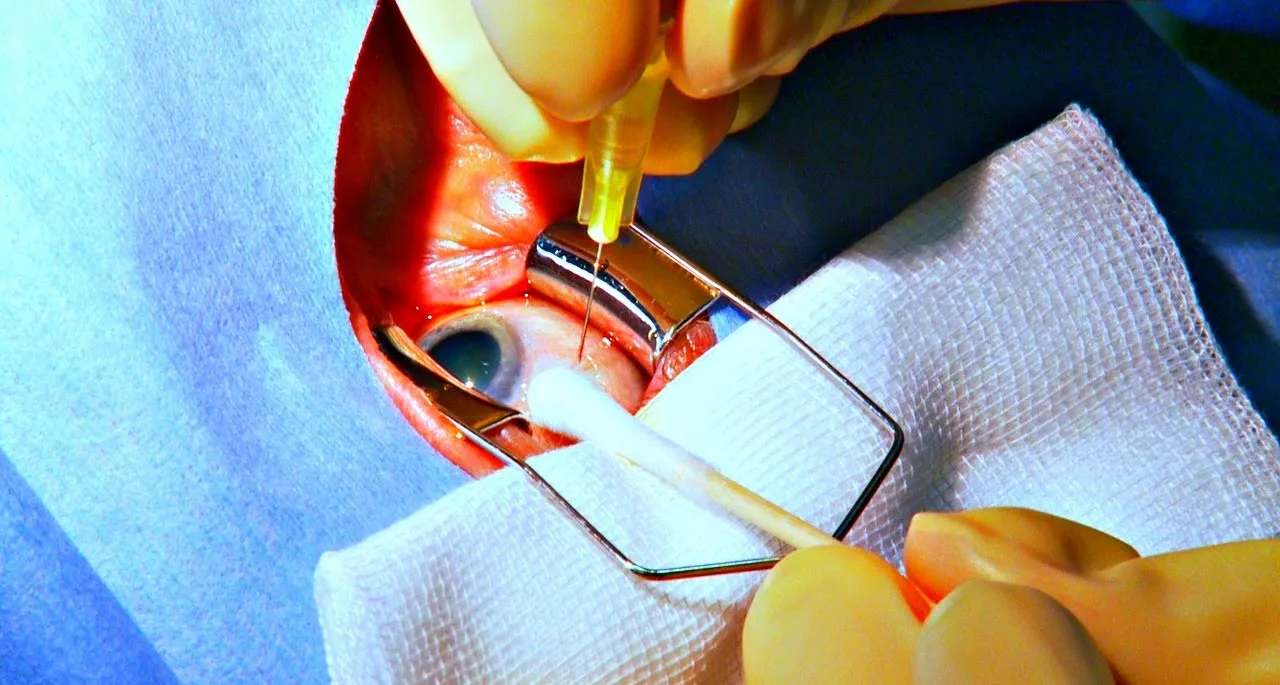
Intravitreal injections are a precise therapeutic procedure in which specific medications are injected into the vitreous cavity of the eye, close to the retina, to treat conditions affecting the macula (the center of vision), such as diabetic retinopathy, macular edema, and age-related macular degeneration (AMD).
These injections commonly involve anti-VEGF (vascular endothelial growth factor) agents or long-acting corticosteroids. Their role is to reduce retinal swelling and fluid leakage, and to improve the microcirculation within the retina, which helps stabilize or improve vision and slow its deterioration over time.
The procedure is performed in the ophthalmologist’s clinic under local anesthesia using anesthetic eye drops. It only takes a few minutes and is carried out under strict sterile conditions to minimize the risk of infection or other complications.
Intravitreal injections are considered a mainstay of treatment in many retinal diseases and often serve as an alternative to surgery. Their effectiveness and safety are frequently compared with retinal laser treatment, and the ophthalmologist selects the most appropriate option for each patient based on the specific retinal condition, its stage, and the patient’s response to previous treatments.
The fundamental difference between intravitreal injections and retinal laser treatment (for research purposes)
The core distinction between intravitreal injections and retinal laser therapy lies in how each works and what it aims to achieve inside the eye.
Intravitreal injections are mainly used to treat macular edema, fluid leakage, and hemorrhage caused by conditions such as diabetic retinopathy and neovascular (wet) age‑related macular degeneration. This is done by injecting anti‑VEGF agents (anti‑vascular endothelial growth factor) or corticosteroids into the vitreous cavity to reduce fluid accumulation and improve visual acuity.
Retinal laser treatment, on the other hand, relies on delivering precise laser burns to selected areas of the retina in order to cauterize abnormal blood vessels, seal leaking areas, or help secure the retina in place. Its primary role is to halt or slow disease progression and prevent complications, rather than directly improving vision.
In other words, intravitreal injections are a targeted pharmacologic therapy administered inside the eye, usually at regular, repeated intervals. Laser treatment is a thermal photocoagulation procedure performed in a limited number of sessions, with a main focus on long‑term disease control and complication prevention.
The choice between intravitreal injections and laser therapy depends on the specific retinal disease, the extent of edema or hemorrhage, and the condition of the optic nerve. In many cases, the ophthalmologist designs a combined treatment plan using both injections and laser to achieve the best possible visual and anatomical outcome for the patient.
How does the doctor decide which treatment is best for you?
To choose between intravitreal injections and laser treatment, the ophthalmologist first performs a comprehensive fundus examination and detailed imaging of the retina (such as OCT and fluorescein angiography) to accurately determine the type and extent of retinal damage.
They will also ask about how long you’ve had conditions like diabetes or high blood pressure, which medications you’re taking, and any previous eye treatments, as all these factors influence the treatment plan.
When there is fluid accumulation or macular edema (swelling at the center of vision), the doctor will usually favor intravitreal anti‑VEGF injections, as these drugs reduce retinal swelling and can significantly improve visual acuity.
If there are abnormal new blood vessels (neovascularization) or recurrent retinal hemorrhages, laser treatment is often more suitable to seal leaking vessels, stop bleeding, and protect the still‑healthy areas of the retina.
The doctor also considers your age, how well your blood sugar and blood pressure are controlled, and your ability to attend frequent follow‑up visits. Intravitreal injections usually require multiple sessions, whereas laser therapy may be completed in fewer sessions.
Ultimately, your ophthalmologist will discuss with you the benefits and possible risks of each option and choose the most appropriate approach based on the exact retinal findings, the degree of visual impairment, and your expected response to treatment, with the goal of preserving as much vision as possible over the long term.
Risks and Possible Complications of Each Treatment
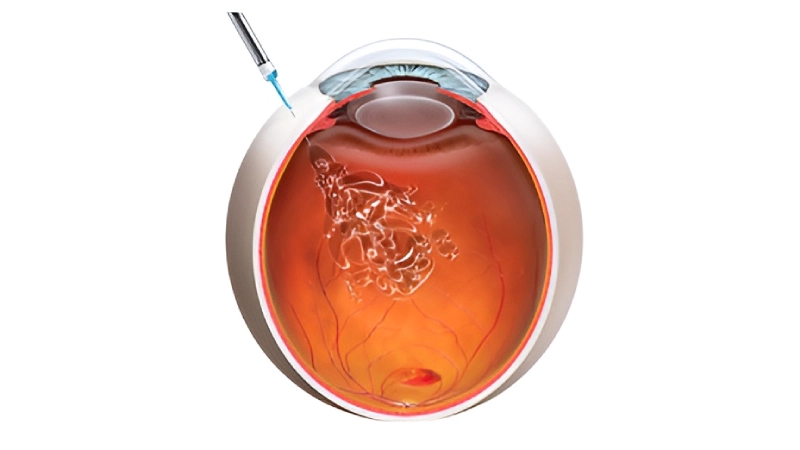
When comparing intravitreal retinal injections with retinal laser therapy, it is essential to understand the potential risks and complications of each option before deciding together with your ophthalmologist.
The risks of intravitreal injections include the possibility of intraocular infection (endophthalmitis), minor bleeding at the injection site, a temporary rise in intraocular pressure, or posterior vitreous detachment. In addition, patients often need repeated injections over extended periods, which can increase both the treatment burden and overall cost.
By contrast, retinal laser treatment may lead to a slight reduction in peripheral (side) vision or mild impairment of night vision. In rare cases, if laser power is not precisely calibrated, it can cause scarring in the retina that may affect visual acuity.
Although the complication rates for both approaches are generally low when performed by a qualified retina specialist, understanding these risks helps patients choose the most appropriate option for their condition when considering intravitreal injections versus laser therapy for diabetic retinopathy, macular edema, or other retinal diseases.
Best Retinal Specialist for Injection and Laser Treatment in Jeddah – Dr. Waddah Jalabi
When searching for the best doctor for retinal treatment with injections and laser in Jeddah, Dr. Waddah Jalabi stands out as one of the leading consultants in ophthalmology and vitreoretinal surgery.
With extensive experience in administering modern intravitreal injections such as anti‑VEGF agents and corticosteroids, and his proficiency in retinal laser techniques for managing diabetic retinopathy, retinal tears, and retinal vein occlusions, Dr. Jalabi offers highly tailored treatment plans based on each patient’s specific condition.
The choice between intravitreal injection and retinal laser is made after a comprehensive retinal evaluation, including fundus examination, optical coherence tomography (OCT), and fluorescein angiography, enabling him to select the safest and most effective option to preserve or improve vision.
His broad clinical experience, use of advanced diagnostic and therapeutic devices, and adherence to internationally recognized treatment protocols have made him a preferred choice for many residents of Jeddah seeking the best retinal specialist for injection and laser therapy—particularly patients with diabetes, age‑related macular degeneration (AMD), and complex retinal diseases.
Book a retinal treatment consultation now at Batal Specialized Medical Complex
Schedule your retinal treatment consultation now at Batal Specialized Medical Complex to accurately determine the most suitable option for your condition—whether intravitreal injections or retinal laser therapy—based on the latest clinical guidelines.
Our team of ophthalmologists and retina consultants uses advanced diagnostic tools such as Optical Coherence Tomography (OCT) and fundus fluorescein angiography to assess the extent of retinal damage and to design an individualized treatment plan for each patient.
Whether you have diabetic retinopathy, macular edema, or early retinal bleeding, we will explain during the consultation the advantages and limitations of intravitreal injections and laser treatment, the expected outcomes, and the estimated number of sessions, while answering all your questions clearly.
You can easily book your appointment by phone or online and benefit from our regular follow‑up programs designed to preserve vision and reduce long‑term complications of retinal diseases.