Med info
When should a child’s eyes be checked before starting school?

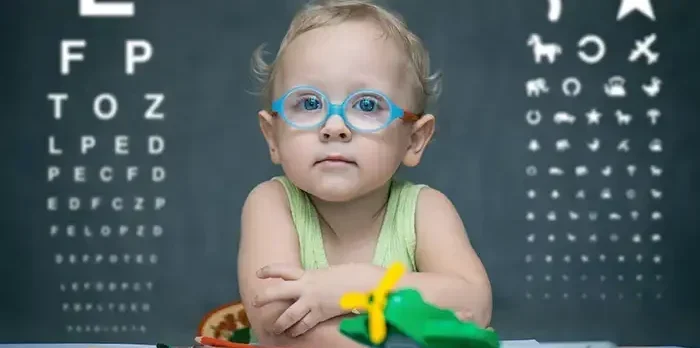
Why Is a Pre‑School Eye Exam So Important?
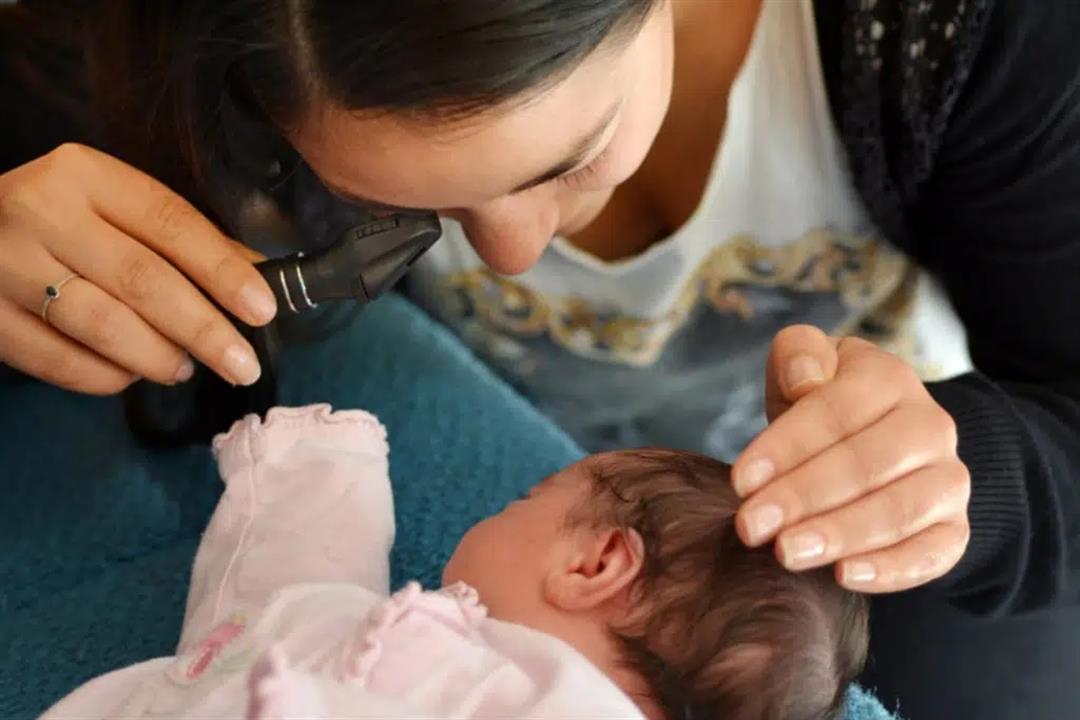
Having your child’s eyes examined before they start school is a key step in spotting vision problems early, before they interfere with learning and classroom focus.
This checkup helps detect refractive errors such as myopia (short‑sightedness), hyperopia (long‑sightedness), and astigmatism, as well as conditions like strabismus (squint) and amblyopia (lazy eye). These issues often go unnoticed by parents, since young children can’t always explain that they are struggling to see clearly.
When a pre‑school eye exam is carried out by an ophthalmologist or a qualified optometrist, an appropriate management plan can be put in place. This may include prescription glasses, vision therapy/exercises, or regular follow‑up visits, which can significantly improve a child’s academic performance and self‑confidence.
Early detection also reduces the risk of these problems progressing into more complex conditions later on, and gives the child a better chance of healthy visual development and making the most of the classroom learning environment.
For these reasons, an eye examination is recommended as an essential part of every child’s routine medical checkup before starting school.
When should a child have a pre‑school eye exam?
Recommended Eye Examinations for Ages 0–2 Years
From birth to 2 years of age, it is important to start monitoring a child’s eye health early, to build a solid foundation before the formal pre‑school eye examination stage.
An initial eye check is preferably done right after birth to detect obvious congenital abnormalities, followed by ongoing eye assessment during routine vaccination visits with the pediatrician.
During this period, the doctor observes eye movements, how well the baby tracks objects, and the eyes’ response to light, and examines the pupil and retina when needed.
If any abnormal signs are noticed, such as obvious strabismus, nystagmus, or an unusual pupil color, a comprehensive eye examination by a pediatric ophthalmologist is recommended as early as possible, since timely intervention at this stage can prevent problems that may affect vision in the pre‑school years.
Recommended Eye Examinations for Ages 2–5 Years
Between 2 and 5 years of age, eye examinations become even more important as part of early preparation for school.
At this stage, children can cooperate better with basic vision tests, such as identifying pictures or shapes, which helps in detecting refractive errors, strabismus, or amblyopia before they interfere with learning and visual skills.
It is advisable to schedule at least one routine eye examination between ages 3 and 4, or at any time parents notice that the child sits too close to the TV or books, rubs their eyes frequently, or complains of headaches.
These early assessments help address any visual problem before the formal pre‑school eye screening, and reduce the likelihood that the child will struggle with focusing or recognizing letters in the classroom.
Recommended Eye Examinations Before Starting School (Around 5 Years)
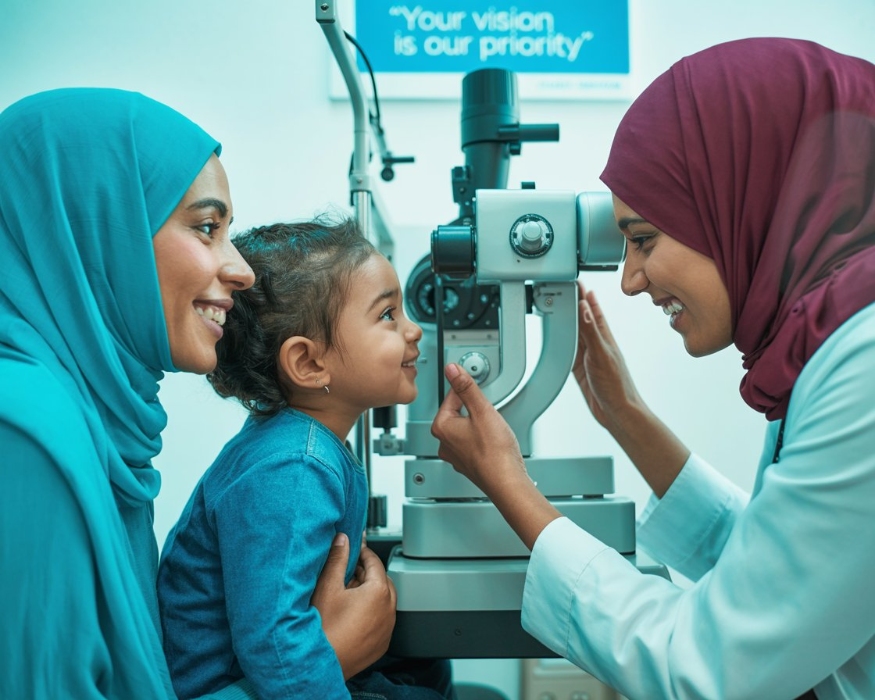
As children approach 5 years of age, a pre‑school eye examination becomes a key step in ensuring they are visually ready for learning.
At this age, physicians recommend a comprehensive eye exam that includes measuring visual acuity in each eye separately, checking for strabismus, assessing eye movements, and examining the anterior and posterior segments of the eye when indicated.
This examination helps detect issues such as myopia, hyperopia, astigmatism, or amblyopia, all of which can directly affect a child’s ability to see the board, follow lessons, and develop reading and writing skills.
Conducting a pre‑school eye examination at around 5 years gives families and schools the opportunity to address any visual problem—whether through treatment or prescription glasses—in a timely manner, thereby supporting the child’s academic performance and self‑confidence from the very first day of school.
Warning Signs of Vision Problems in Children
Warning signs of vision problems in children often appear before they start school, which is why a pre‑school eye exam is so important for early detection.
Parents may notice that their child sits very close to the TV or holds books too near, squints to see more clearly, or tilts their head to one side when looking at something. These are common indicators of reduced visual acuity.
Repeated complaints of headaches, itchy or red eyes, excessive tearing, or frequent eye rubbing are also warning signs that warrant a visit to an ophthalmologist.
Other symptoms that should never be ignored include: strabismus (one eye turning inward or outward), difficulty tracking moving objects, frequent tripping or bumping into furniture, and poor concentration in visually demanding tasks such as drawing or building with blocks.
Observing any of these signs in the pre‑school years is a strong indication that a comprehensive eye examination is needed, as early diagnosis of vision disorders significantly improves the chances of successful treatment and supports normal visual development in the child.
Examinations and tests performed during pediatric eye assessment for research purposes
Ocular Alignment Test (Cover–Uncover / Alternate Cover Test)
The ocular alignment test, commonly known as the cover–uncover or alternate cover test, is one of the fundamental examinations performed during a pre‑school eye check to ensure that both eyes are working together in a coordinated way.
During this test, the ophthalmologist alternately covers and uncovers each eye and observes how the covered or uncovered eye moves. This helps detect any subtle or obvious deviation in eye position, such as manifest strabismus or latent squint (phoria).
Identifying ocular misalignment early is important, as it can affect the child’s vision, classroom attention, reading ability, and tracking skills. For that reason, the cover test is considered a key component of the eye examinations carried out before a child starts school.
Refraction Test (Objective and/or Cycloplegic Refraction)
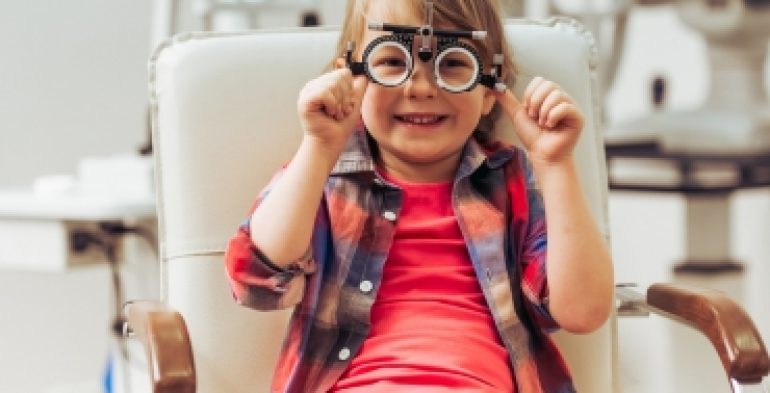
The refraction test determines the child’s refractive status and identifies any refractive errors such as myopia (short‑sightedness), hyperopia (long‑sightedness), or astigmatism.
During a pre‑school eye examination, the ophthalmologist uses specialized instruments to measure refraction and may prescribe cycloplegic eye drops to dilate the pupil and temporarily relax the ciliary muscle. This allows for a more accurate assessment of the child’s true refractive error.
This test helps determine whether the child needs prescription glasses, ensuring clear vision in the classroom and reducing problems such as headaches or difficulty concentrating. Consequently, refraction is regarded as one of the most important assessments performed at this age.
Light Reflex and Red Reflex Examination (Red Reflex Test)
The light reflex and red reflex examination is a quick, simple, yet highly important test in the pre‑school eye assessment.
The doctor shines a focused light into the child’s eyes to evaluate the pupillary light response and to observe the red reflex arising from the fundus, known as the “red reflex.”
This examination helps in the early detection of serious conditions such as congenital cataract, media opacities along the visual axis, or marked asymmetry between the two eyes. It is therefore an essential part of the tests performed to ensure the internal health of the eye before the child begins formal schooling.
Tests of Depth Perception and Visual Discrimination
Depth perception and visual discrimination tests assess the child’s ability to perceive three‑dimensional space and judge distances, as well as to recognize shapes and fine details in the surrounding environment.
During the pre‑school eye check, the doctor may use special stereopsis charts or simple 3D glasses to verify that both eyes can work together to produce binocular, stereoscopic vision, and will also assess the child’s ability to distinguish sizes and shapes accurately.
These tests form an important part of the pre‑school eye examination because they are closely linked to functional vision, which the child depends on for play, sports, handwriting, and reading in the classroom.
Common Refractive Errors in Preschool Children
Myopia (Short-sightedness)
Myopia is one of the most common refractive errors in preschool children. It occurs when images are focused in front of the retina instead of directly on it, causing distant objects to appear blurry while near vision remains relatively clear.
Parents may notice that the child sits very close to the television or books, or frequently squints in an effort to see distant objects, such as signs or people’s faces across the room.
A comprehensive eye examination before the child starts school helps detect myopia early and correct it with appropriate prescription glasses. This improves the child’s visual focus, supports healthy visual development, and enhances readiness for learning in kindergarten or school.
Hyperopia (Long-sightedness/Far-sightedness)
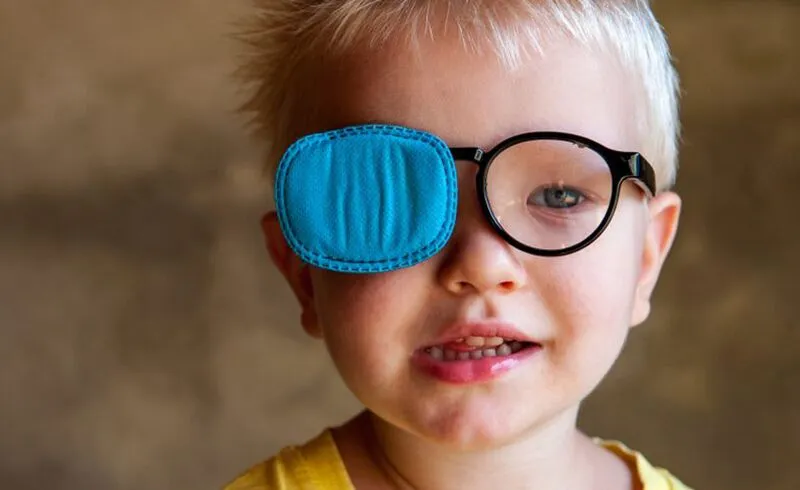
Hyperopia is another common refractive error in preschool children. In this condition, images are focused behind the retina, which makes distant objects appear clearer than those up close. The child may struggle to maintain focus on nearby tasks, such as pictures, puzzles, or toys, for an extended period.
Children do not always complain directly, but may show signs such as frequent eye rubbing, headaches after playing or drawing, or avoiding activities that require sustained near visual effort.
An eye examination before school entry helps diagnose hyperopia and determine whether the child needs glasses to make near vision easier, thereby supporting early learning and reading without eye strain or headaches.
Astigmatism
Astigmatism is a common refractive error in preschoolers. It results from an irregular curvature of the cornea or the eye’s lens, causing light to focus at multiple points rather than forming a single, sharp image on the retina.
A child with astigmatism may see objects blurred or distorted at both near and far distances, and may tilt their head or cover one eye in an attempt to improve clarity.
Early detection of astigmatism through a preschool eye examination is essential to correct vision with appropriate lenses, prevent later visual problems such as amblyopia (lazy eye), and support the child’s visual development and ability to concentrate during learning and play.
When Are Regular Follow‑Ups Necessary?
An Age- and Condition-Based Plan Aligned with the Research Purpose
The importance of regular eye follow-ups begins right after the pre‑school eye examination. Pediatric ophthalmologists usually recommend repeating the eye exam every 1–2 years for healthy, pre‑school children to ensure that visual development is progressing normally and to detect any early changes in vision.
More frequent visits become necessary if the child has a family history of eye problems such as high myopia, strabismus, or amblyopia, or if any abnormality is detected in the initial pre‑school screening. In such cases, the doctor may recommend follow‑ups every 3–6 months, depending on the severity of the condition and the treatment plan.
Regular follow‑up also becomes essential when parents notice warning signs such as sitting very close to the TV or holding books too near, frequent eye rubbing, recurrent headaches, or tilting the head while focusing. These signs may indicate a visual problem that requires updating the child’s glasses prescription or adding further treatment.
In summary, the follow‑up schedule after the pre‑school eye exam depends on the child’s age, existing risk factors, and the findings of the initial examination. This helps parents protect their child’s vision early and supports better academic performance once the child starts school.
Best Pediatric Eye Doctor in Jeddah – Dr. Ahmed Batal (Aligned With Search Intent)
Dr. Ahmed Batal is considered one of the leading ophthalmologists in Jeddah specializing in pediatric eye examinations, especially for pre‑school children. He focuses on the early detection of visual problems such as amblyopia (lazy eye), strabismus (eye misalignment), and refractive errors like myopia (short‑sightedness) and hyperopia (long‑sightedness), all of which can have a direct impact on a child’s academic performance and self‑confidence.
Dr. Batal relies on advanced diagnostic equipment and child‑friendly, painless examination techniques that are tailored to each age group. His gentle approach helps both the child and the parents feel at ease throughout every step of the pre‑school eye check‑up.
Choosing the best pediatric eye doctor in Jeddah is not only about reputation; it also depends on specialized expertise in children’s eye care, the ability to monitor visual development over time, and providing timely prescriptions for glasses or other appropriate treatments when needed.
For this reason, many parents prefer to book an appointment with Dr. Ahmed Batal before the start of the school year. This ensures a comprehensive eye examination for their children and confirms that their vision is ready for reading, writing, and classroom activities—fulfilling the search intent of parents looking for the best pediatric eye doctor in Jeddah who offers reliable, holistic eye care for their children.
Cost, Insurance Coverage, and Facilitation at Batal Specialized Center in Support of the Research Intent
Batal Specialized Center is committed to keeping the cost of pre‑school pediatric eye examinations affordable for families, while maintaining the highest medical standards in assessing children’s vision.
The overall cost varies according to the child’s condition and the specific diagnostic tests required, such as visual acuity testing, strabismus assessment, evaluation of extraocular muscle function, and dilated fundus examination when indicated. The center is keen to offer comprehensive pre‑school eye‑check packages for children at competitive prices.
Batal Specialized Center is contracted with a number of accredited health insurance providers, which helps reduce the financial burden on parents. Guardians can check in advance whether their child’s pre‑school eye exam is covered by their insurance and what copayment, if any, will apply.
The center also offers flexible payment options and convenient appointment‑scheduling services, including advance booking by phone or via the online platform, reducing waiting times for children. In addition, evening appointments can be arranged to accommodate working parents.
In this way, Batal Specialized Center combines thorough, evidence‑based pre‑school pediatric eye examinations with cost‑effective pricing, insurance support, and practical facilitation—ensuring that children receive timely, appropriate vision care without unnecessary complications.
Book Your Child’s Eye Exam Now at Batal Specialized Medical Complex
Schedule your child’s eye examination today at Batal Specialized Medical Complex to ensure a safe and visually comfortable start to the school year. Our pediatric ophthalmology team performs a comprehensive, detailed eye assessment that includes visual acuity testing, screening for strabismus (eye misalignment), amblyopia (lazy eye), and refractive errors such as myopia (nearsightedness), hyperopia (farsightedness), and astigmatism.
At Batal Specialized Medical Complex, we use state-of-the-art equipment and evidence-based examination techniques tailored to your child’s age, helping us detect any vision problems early—before they affect academic performance, classroom focus, or learning abilities.
You can easily book your child’s pre‑school eye exam by calling the complex or scheduling an appointment online at the time that best suits you. We also provide a child-friendly, reassuring environment designed to reduce anxiety and help your child feel at ease throughout the examination.
Choosing Batal Specialized Medical Complex for your child’s back‑to‑school eye check is a key preventive step to protect their eyesight, support their academic success, and promote healthy visual development.