
Med info
Corneal surgeries in Yanbu: Best doctor and latest technologies (Guide 2026)

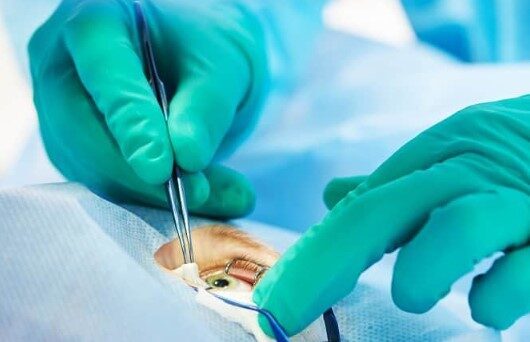
What Are Corneal Surgeries and When Are They Needed?
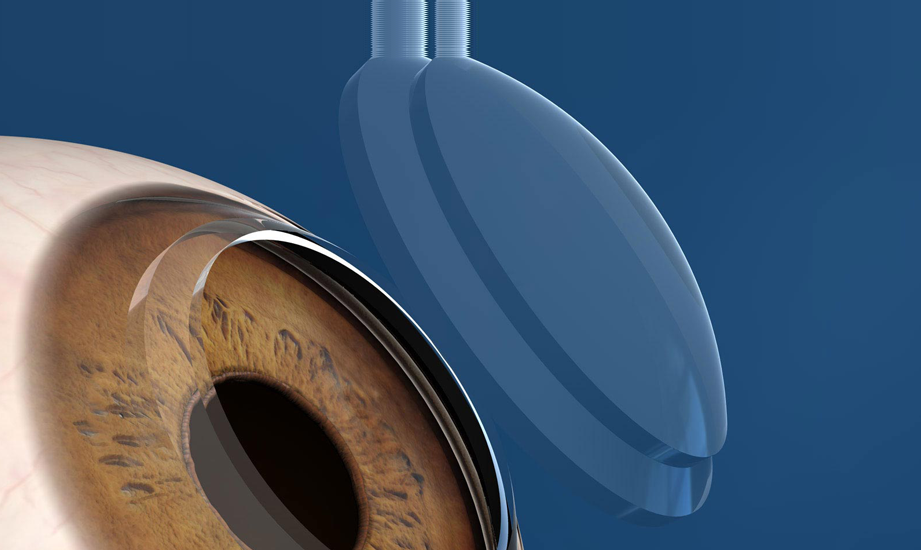
Corneal surgeries are a group of highly delicate procedures performed on the cornea—the clear, front surface of the eye responsible for focusing light and ensuring sharp vision. These operations aim to improve visual acuity or correct deformities and diseases that do not respond adequately to medical (non-surgical) treatment.
They include laser vision correction procedures such as LASIK and Femto-LASIK, full-thickness or partial-thickness corneal transplantation (penetrating keratoplasty or lamellar keratoplasty), surgeries to stabilize keratoconus (such as corneal collagen cross-linking and intracorneal ring segments), as well as procedures to remove corneal opacities or scars on the corneal surface.
You may need corneal surgery if you suffer from severe visual impairment due to keratoconus, corneal opacities or scarring following trauma or infection, failure of a previous corneal graft, congenital corneal abnormalities, or in certain cases of very high myopia or hyperopia that cannot be adequately corrected with glasses or contact lenses.
In Yanbu, many patients seek advanced corneal procedures to improve their quality of vision and prevent complications of chronic corneal diseases such as keratoconus. For this reason, it is essential to consult an ophthalmologist who specializes in corneal surgery in Yanbu to accurately assess your condition and determine the most appropriate surgical option for you.
Key Corneal Symptoms That Require Seeing a Specialist in Yanbu
Corneal problems often present with bothersome symptoms that should never be ignored—especially if you’re considering corneal surgery in Yanbu or have chronic eye disease.
If you notice blurred or hazy vision that does not improve with glasses, marked sensitivity to light, or a persistent sensation of a foreign body in the eye accompanied by burning or stinging, you should urgently consult a cornea specialist in Yanbu.
Persistent redness, excessive tearing or pronounced dryness, difficulty seeing at night, and seeing halos around lights are also important corneal warning signs. These may indicate conditions such as keratoconus, corneal scarring, or corneal inflammation that require prompt assessment.
Any severe eye pain or a sudden drop in vision following trauma or a previous eye operation is considered an emergency and calls for immediate examination. Early intervention by corneal specialists in Yanbu can halt disease progression and may spare the patient from needing complex procedures such as corneal transplantation or laser-based corneal refractive correction.
Persistent Blurred or Reduced Vision
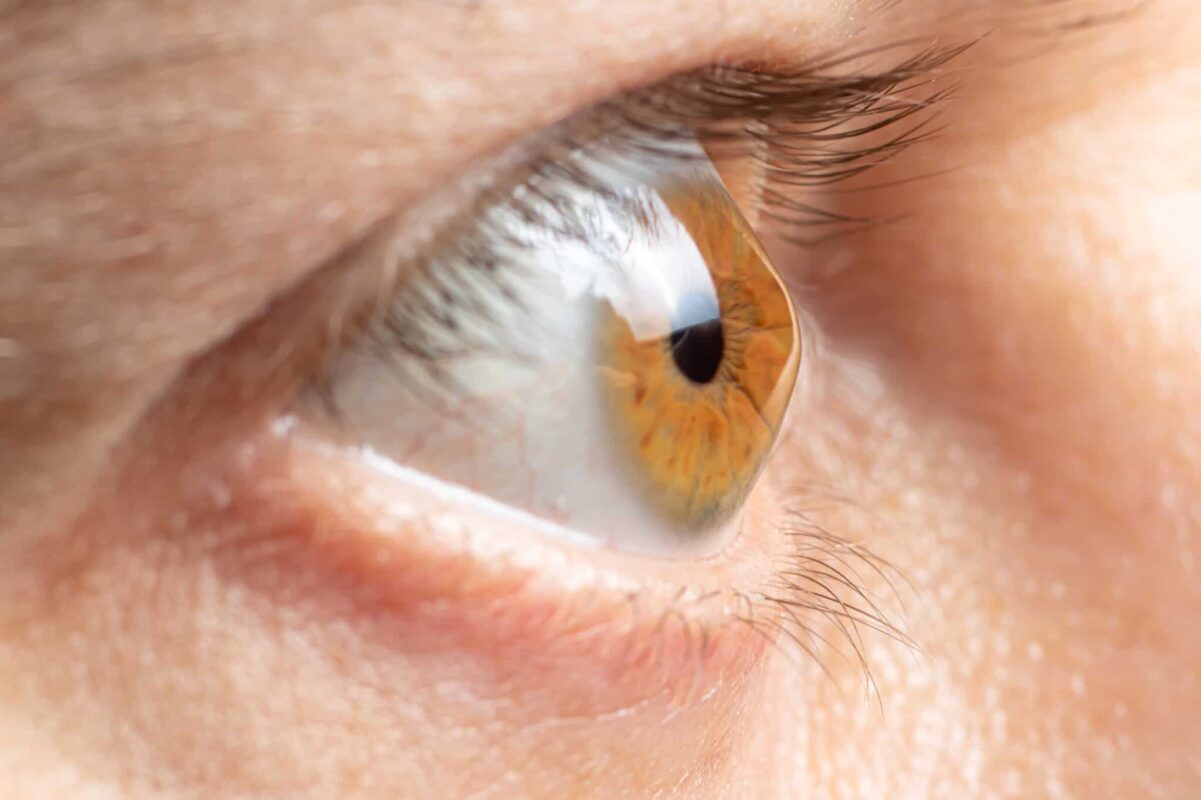
Ongoing blurred or reduced vision is one of the most important warning signs of corneal disease, and requires a prompt visit to an ophthalmologist in Yanbu.
If you notice that your vision is no longer clear, find yourself needing to hold objects closer than usual, or feel that your glasses no longer correct your vision as they used to, this may indicate a problem with corneal transparency or curvature, as seen in conditions such as keratoconus.
When blurred vision persists for several days or recurs with increasing frequency—especially if accompanied by headache or visual fatigue—this is a strong indication that the cornea needs to be examined, and that corneal imaging should be carried out by a corneal surgery specialist in Yanbu to determine whether you need medical treatment or a surgical intervention such as corneal collagen cross-linking or corneal transplantation.
Neglecting this symptom can lead to permanent loss of visual acuity, which is why persistent visual blur is one of the main reasons to schedule an early appointment with an eye doctor.
Severe Light Sensitivity
Increased sensitivity to light (photophobia) is a common symptom of corneal disease and warrants an urgent consultation with an ophthalmologist in Yanbu.
If you can no longer comfortably look at sunlight, your phone screen, or bright indoor lighting, and you experience pain or excessive tearing with light exposure, this may point to corneal inflammation, a superficial corneal abrasion, or early keratoconus.
Severe light sensitivity that lasts for days and does not improve with sunglasses or dimming the lights requires a thorough corneal evaluation, because treating the underlying cause early can help you avoid more complex surgery in the future.
A cornea specialist in Yanbu can, through slit-lamp examination and accurate diagnosis, determine the appropriate treatment—whether medicated eye drops or advanced surface procedures on the cornea.
Chronic Eye Redness
Chronic eye redness is not merely a sign of fatigue; it may be one of the key symptoms of corneal disorders that necessitate a visit to an ophthalmologist in Yanbu.
Redness that persists for days or weeks, particularly when associated with pain, burning sensation, tearing, blurred vision, or discharge, may indicate corneal inflammation, severe ocular surface dryness, or corneal ulcers that require urgent treatment.
Using lubricating drops for a while without improvement, or relying on over-the-counter vasoconstrictor eye drops, can mask the underlying problem and delay the diagnosis of corneal disease that may progress and affect vision.
In Yanbu, specialized corneal assessment helps pinpoint the exact cause and allows the physician to devise a treatment plan that may include topical medications, therapeutic contact lenses, or minor surgical procedures before the condition worsens and permanently impairs vision.
in Corneal Shape
Changes in corneal shape are an important sign that patients may not notice directly, but that manifest through troubling symptoms making a visit to an eye specialist in Yanbu essential.
Key indicators include a rapid increase in your glasses prescription, persistent visual blur despite changing your glasses several times over a short period, or noticing distortion of objects and text—symptoms that may suggest keratoconus or localized corneal thinning.
Alterations in corneal curvature directly affect how light is focused inside the eye, leading to progressive blurring, difficulty with night vision, and problems while driving.
Early detection of corneal shape changes enables the corneal surgeon in Yanbu to select the most suitable intervention, such as corneal collagen cross-linking with ultraviolet light, intracorneal ring segments, or planning for corneal transplantation in advanced cases—helping preserve vision as much as possible and prevent further deterioration.
Types of Corneal Surgeries Available at Batal Eye Specialty Center in Yanbu
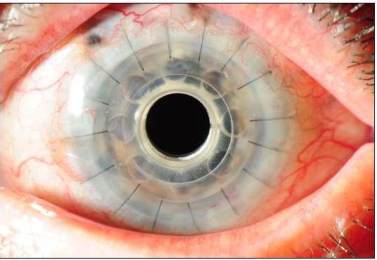
Batal Eye Specialty Center in Yanbu offers a comprehensive range of advanced corneal surgeries tailored to treat corneal diseases and deformities with high precision and safety.
Services include state-of-the-art refractive corneal procedures such as PRK/laser, LASIK, and Femto-LASIK to correct myopia, hyperopia, and astigmatism. The center also performs partial- and full-thickness corneal transplants (keratoplasty) for advanced conditions like keratoconus and corneal scarring.
In addition, the center provides specialized procedures such as intracorneal ring segment (ICRS) implantation to manage keratoconus and improve corneal surface regularity, along with corneal collagen cross-linking to halt the progression of keratoconus in its early stages.
Each corneal procedure at Batal Eye Specialty Center in Yanbu is carefully planned based on detailed evaluations using high‑resolution corneal imaging technologies, while taking into account the patient’s clinical condition and visual needs to achieve the best possible outcomes and minimize complications.
This integrated approach makes the center a leading destination in Yanbu for patients seeking corneal surgery or experiencing vision problems related to corneal disorders.
How Are Corneal Problems Diagnosed at Eye Centers in Yanbu?
Diagnosing corneal conditions at eye centers in Yanbu begins with a detailed medical history and a comprehensive eye examination to determine the type of problem and how much it has affected vision.
The ophthalmologist uses a slit lamp (microscopic eye examination) to carefully inspect the different layers of the cornea and identify any opacities, inflammation, dryness, or surface irregularities.
Corneal thickness is then measured using devices such as the Pentacam or pachymetry, an essential assessment before any corneal surgery or laser vision correction procedure, such as LASIK or femto-LASIK.
The doctor may also perform corneal topography to map the curvature of the cornea and diagnose conditions like keratoconus. In addition, visual acuity testing, intraocular pressure measurement, and retinal examination are carried out to rule out other causes of reduced vision.
These advanced diagnostic tests available at eye centers in Yanbu help in designing an appropriate medical or surgical treatment plan, whether it involves laser corneal procedures, corneal transplantation, or surface therapeutic interventions—ensuring better visual outcomes and maximum safety during surgery.
The Latest Corneal Surgery Techniques in Yanbu
Corneal surgery centers in Yanbu offer state-of-the-art international technologies for the treatment of corneal diseases and deformities with high precision and safety, making them a preferred destination for patients seeking advanced vision correction.
These centers rely on laser vision correction procedures such as Femto-LASIK and Femto-SMILE to treat myopia, hyperopia, and astigmatism, while preserving corneal tissue as much as possible.
They also perform intracorneal ring segment (ICRS) implantation to manage moderate stages of keratoconus, in addition to partial- and full-thickness corneal transplantation (corneal grafts) for advanced cases, using high-resolution operating microscopes and laser-enabled corneal cutting techniques.
Advanced procedures such as corneal collagen cross-linking with ultraviolet light (UV-Cross-Linking) are also available to halt the progression of keratoconus and protect patients from further visual deterioration.
Thanks to these modern corneal surgery techniques in Yanbu, patients can achieve better visual outcomes, shorter recovery times, and reduced dependence on glasses and contact lenses, while maintaining the highest standards of safety and quality of care.
Laser Technology
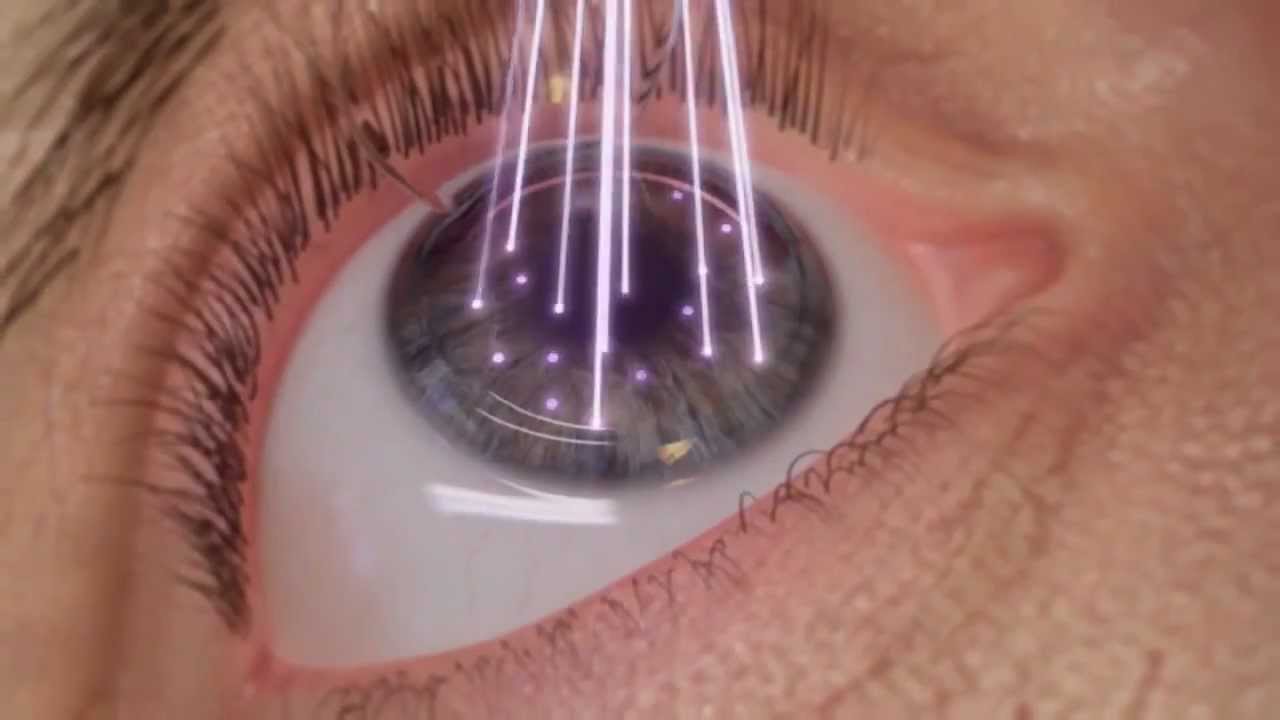
The latest corneal surgery techniques in Yanbu rely heavily on advanced laser systems such as femtosecond laser (Femto LASIK) and excimer laser.
These lasers reshape the corneal surface with extremely high precision to correct myopia, hyperopia, and astigmatism, while preserving as much healthy corneal tissue as possible.
Laser technology is also used in certain forms of anterior lamellar keratoplasty and in managing keratoconus within modern protocols such as Femto SMILE and partial-thickness corneal grafts.
These laser-based techniques shorten surgery time, speed up recovery, and reduce potential complications, making them a preferred option for patients seeking safe and highly accurate corneal procedures in Yanbu.
Advanced Corneal Transplant Techniques
State-of-the-art corneal surgery in Yanbu goes beyond traditional full-thickness penetrating keratoplasty to include advanced partial-thickness procedures such as Deep Anterior Lamellar Keratoplasty (DALK) and posterior corneal transplants like DMEK and DSAEK.
These techniques allow surgeons to replace only the diseased layer of the cornea instead of the entire cornea, helping preserve the eye’s natural biomechanical strength and decreasing the risk of graft rejection.
Corneal specialists in Yanbu also use pre-cut, precision-prepared donor corneal tissue from eye banks, ensuring uniform thickness and superior visual outcomes.
Thanks to these modern transplantation methods, patients can achieve significantly improved vision, faster recovery, and reduced need for sutures compared with traditional full-thickness corneal transplantation.
Advanced Diagnostic Systems
To achieve optimal outcomes with the latest corneal surgery techniques in Yanbu, surgeons rely on advanced diagnostic technologies such as corneal topography, wavefront aberrometry, and pachymetry for corneal thickness measurement.
These devices provide detailed mapping of the corneal surface and its layers, revealing subtle abnormalities such as early keratoconus and irregular astigmatism. This level of detail allows for precise selection of the most appropriate surgical approach for each individual case.
In addition, these technologies play a crucial role in accurate planning for laser vision correction and corneal transplantation, minimizing error and improving the predictability of postoperative visual acuity.
With the advanced diagnostic systems available at corneal surgery centers in Yanbu, patients receive comprehensive evaluation and individualized treatment plans that deliver the highest standards of safety and visual quality.
Cost of Corneal Surgery in Yanbu
The cost of corneal surgery in Yanbu varies depending on the type of procedure required, such as corneal transplantation (keratoplasty), treatment of keratoconus, or laser vision correction procedures, in addition to the complexity of the case, the surgeon’s level of experience, and the technology available at the eye center.
In general, the total cost of corneal surgery in Yanbu typically includes the initial consultation fees, advanced diagnostic tests (such as corneal topography and pachymetry to measure corneal thickness), surgical fees, medical team charges, surgical supplies, and postoperative follow‑up visits.
Corneal transplantation procedures in Yanbu are usually more expensive than laser vision correction surgeries, as they rely on donor corneal tissue and may involve advanced technologies such as femtosecond laser–assisted techniques or partial-thickness (lamellar) transplantation.
Patients are advised to contact corneal surgery centers in Yanbu directly to obtain an accurate, itemized cost estimate, inquire about installment plans or health insurance coverage, and ensure that choosing a lower price does not come at the expense of the surgeon’s expertise or the quality of medical equipment and care.
Why Is Batal Specialized Medical Complex the Best Choice for Corneal Treatment in Yanbu?
Batal Specialized Medical Complex is considered one of the leading centers for corneal treatment and surgery in Yanbu, thanks to its team of consultant ophthalmologists specialized in corneal diseases, corneal transplantation, and vision correction procedures such as laser, LASIK, and phacoemulsification.
The complex combines advanced diagnostic technologies—such as corneal topography and optical coherence tomography (OCT)—with fully equipped operating theaters designed for highly precise corneal surgeries, following the highest standards of safety and sterilization.
Batal Specialized Medical Complex follows up‑to‑date treatment protocols aligned with international guidelines for the management of keratoconus, corneal opacities, infectious and inflammatory keratitis, and chronic dry eye disease, with meticulous post‑operative follow‑up to ensure optimal visual outcomes.
The medical team also focuses on explaining all treatment options to patients in clear, simple language and tailoring individualized management plans for each case. This makes the complex an ideal choice for anyone seeking a reliable, advanced center for corneal surgery in Yanbu, with a safe and comfortable treatment experience.