
Med info
Treating Amblyopia in Adults: Types, Causes, and Symptoms of Lazy Eye

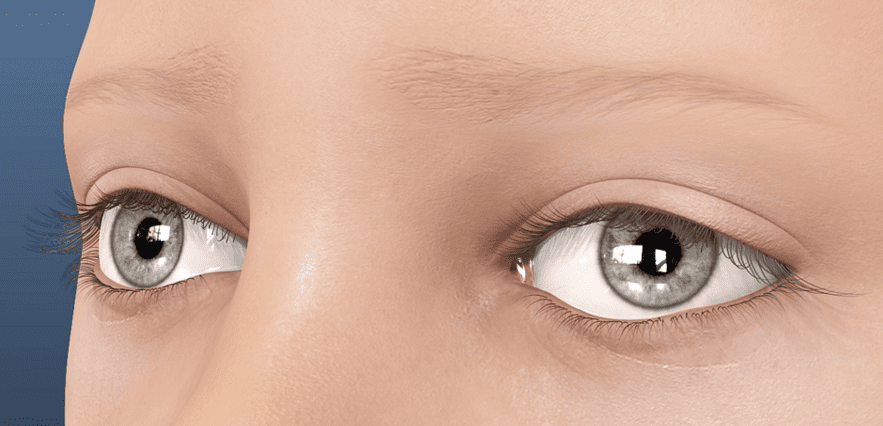
When someone has amblyopia, the brain relies more on one eye and largely ignores the other, weaker “lazy” eye. If that eye doesn’t receive proper visual stimulation, the nerve cells responsible for vision don’t develop as they should, which can lead to worsening vision in adulthood.
Amblyopia affects nearly 3% of children and is the most common cause of partial or complete vision loss in one eye during childhood. That’s why it’s important to visit the Eye Center at Al Batal Specialty Complex in Jeddah, Saudi Arabia, which is distinguished by the expertise of its medical staff and the use of the latest technologies in all ophthalmology subspecialties.
Read also: Pterygium | Everything You Need to Know About Pterygium in 2022
Types of Amblyopia
There are three main types of amblyopia, including:
Causes of Amblyopia
Below are examples of some potential causes that should be understood before starting amblyopia treatment for adults:
Strabismic Amblyopia
When the eye muscles are not properly balanced, it becomes difficult for both eyes to track objects together. People may develop strabismus (eye misalignment) due to hereditary factors, nearsightedness (myopia), a viral illness, or trauma.
Refractive Amblyopia (Anisometropic Amblyopia)
A refractive error occurs when light is not focused correctly as it passes through the eye’s lens. Refractive errors are caused by myopia (nearsightedness), hyperopia (farsightedness), or astigmatism, where the corneal surface or the lens is irregularly shaped, resulting in blurred vision.
Deprivation Amblyopia
This is the least common form of amblyopia. It occurs when something blocks light from entering the eye, preventing clear vision and causing that eye to become weaker. This type of amblyopia can be caused by:
Read also: Eye Stroke (Retinal Vein or Artery Occlusion) and What You Need to Know About It
Treatment Options for Amblyopia in Adults
Treatment is generally more effective the younger the person is. After puberty, the chances of significant visual improvement decrease; however, amblyopia treatment in adults can still be beneficial. There are two main approaches to treating amblyopia in adults:
Treating the Underlying Eye Problem
Treatment may include:
Encouraging the Affected Eye to Work So Vision Can Improve
Once the refractive error is corrected and any underlying medical issues are managed, several additional measures can help enhance vision, such as:
Read also: Causes of Blurred Vision and All Related Information
Symptoms of Amblyopia
Lazy eye (amblyopia) may cause the following symptoms:
Complications of Lazy Eye
Certain complications can occur with amblyopia, including:
For this reason, it is essential to visit the Eye Center at Al Batal Specialty Complex in Jeddah, Saudi Arabia, for amblyopia treatment in adults, adolescents, and children. The center offers comprehensive eye evaluations, advanced diagnostic tests, and effective treatment options. The earlier treatment begins, the better the outcome is likely to be.
Read also: Fundus (Retinal) Examination
Conclusion
Amblyopia is primarily a problem in the connection between the eye and the brain, rather than in the eye itself. Many factors can lead to amblyopia, including muscle imbalance or eye diseases. It is therefore crucial for children to undergo routine eye examinations so that a physician can detect and treat amblyopia or any other eye condition early. Multiple treatments are available to manage lazy eye, including prescription glasses, eye patches, vision therapy exercises, or surgery in selected cases.
Book an appointment at the eye clinic of Al Batal Specialty Complex in Jeddah, Saudi Arabia.