
Med info
Everything You Need to Know About Eyelid Surgery (Blepharoplasty)

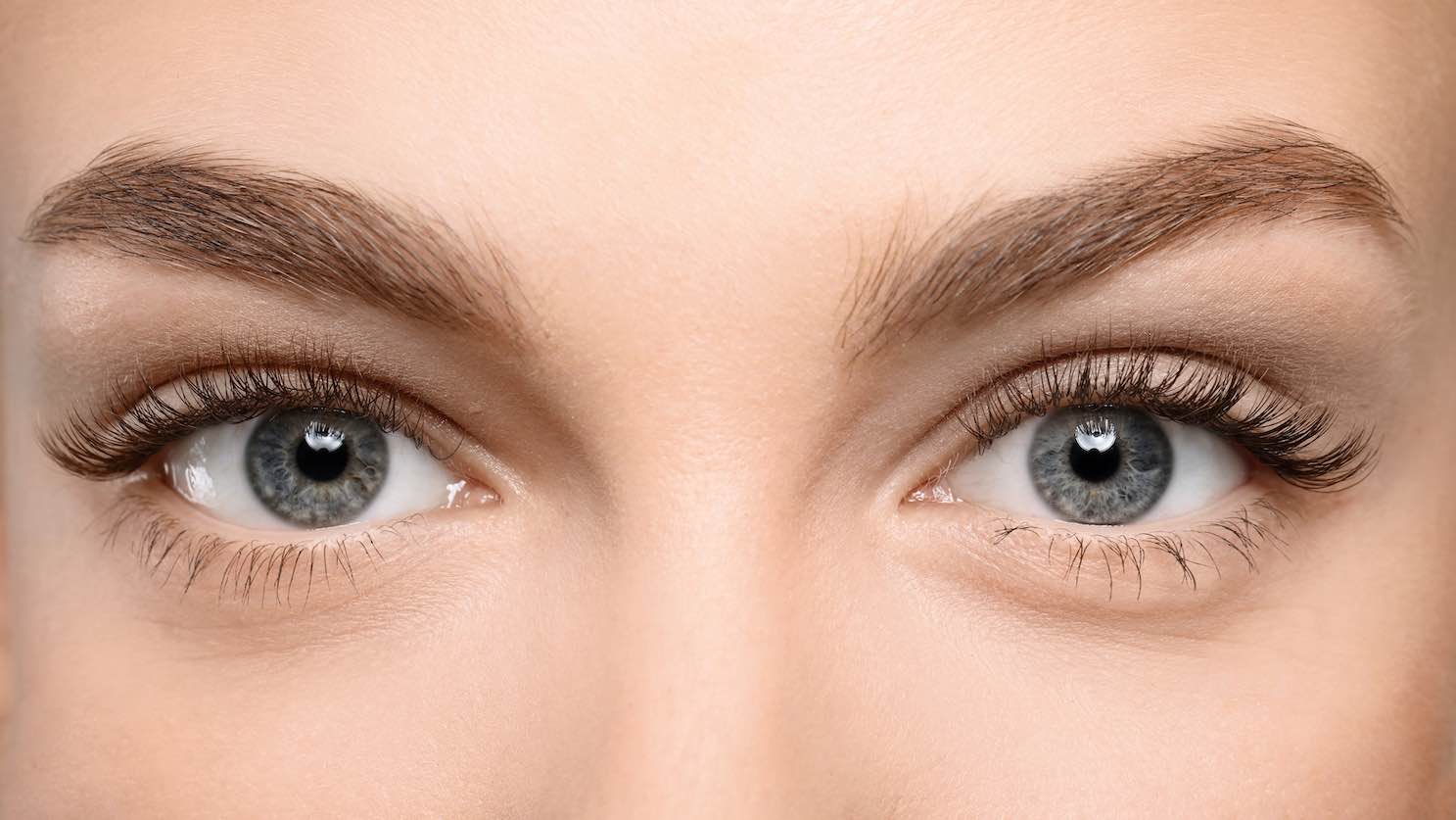
Eyelid surgery (blepharoplasty) is a type of procedure that reshapes the upper eyelids, lower eyelids, or both. The goal is to improve the appearance of the area around the eyes and to enhance vision that may be obstructed by droopy or sagging eyelids.
Eyelid surgery can address:
If you are concerned about your appearance or considering cosmetic treatments to boost your self‑confidence, there are several options available. One of these is eyelid surgery performed by an experienced ophthalmologist at Batal Specialized Center.
See also: Eye Hemorrhage | Causes, Symptoms, and Treatment
Before Choosing Eyelid Surgery
See also: LASIK for Astigmatism | Facts, Treatment, and Benefits
Finding a Surgeon for Eyelid Surgery
You may want to ask your doctor for advice on how to find an appropriate specialist or a hospital where eyelid surgery is performed. At your first consultation, you should ask the surgeon about their training and experience. Ideally, the procedure should be performed by a surgeon with specific training in blepharoplasty and extensive experience in this type of surgery. For eyelid surgery, Batal Specialized Center is one of your best options.
See also: Causes of Eye Irritation and How to Treat It
Medical Considerations Related to Eyelid Surgery
See also: Droopy Eyelids | Causes, Symptoms, Treatment, and Everything You Need to Know
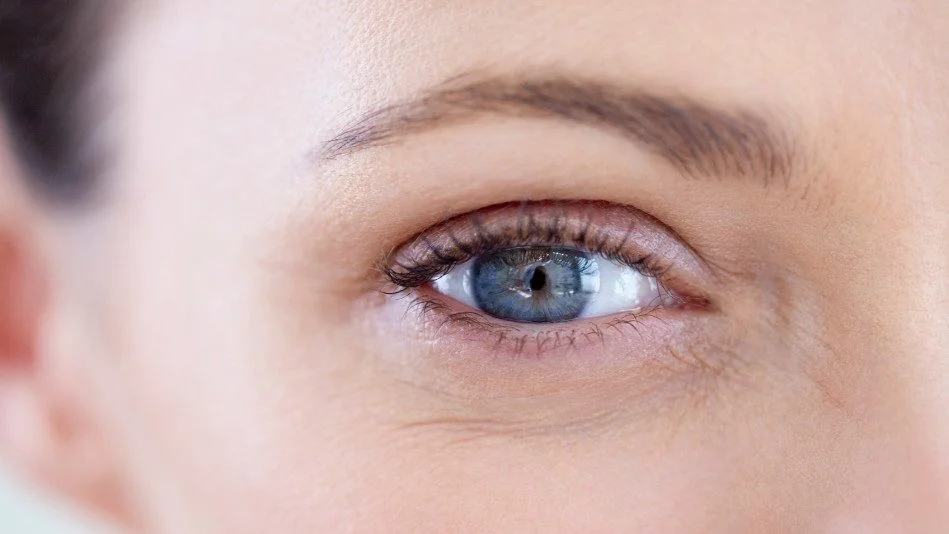
Eyelid Surgery
Cosmetic Eyelid Surgery (Blepharoplasty)
You may receive local anesthesia with sedation or general anesthesia. Your eye surgeon will recommend the most suitable option for you. The exact steps depend on the details of your surgery, but in general, the surgeon will:
Complications of Eyelid Surgery
Under‑eye puffiness is often due to temporary factors such as lack of sleep, chronic stress, poor nutrition, or fatigue caused by illness or medications. You can seek help from the Eye Center at Batal Specialized Center to manage and treat under‑eye bags.
See also: Learn the Causes of Dry Eye
Symptoms of Under‑Eye Bags
Under‑eye bags appear as mild swelling or puffiness of the skin beneath the eyes. How long this puffiness persists depends on the underlying cause. If the cause is resolved, the swelling may improve. In some people, under‑eye bags are hereditary, making them more difficult to treat and sometimes long‑lasting. They may gradually worsen over time and persist as long as the root cause is not addressed. Please contact the Eye Center at Batal Specialized Center for a consultation and appointment to learn how to treat under‑eye bags.
See also: How to Treat Blepharitis Quickly
Causes of Under‑Eye Bags
Changes related to fatty under‑eye bags usually develop gradually over time, though not always. Causes of fat‑related under‑eye bags include:
Changes related to fluid‑retention under‑eye bags tend to be short‑term. Causes of fluid‑related under‑eye bags include:
Other causes of under‑eye bags include:
See also: Causes of Nearsightedness (Myopia)
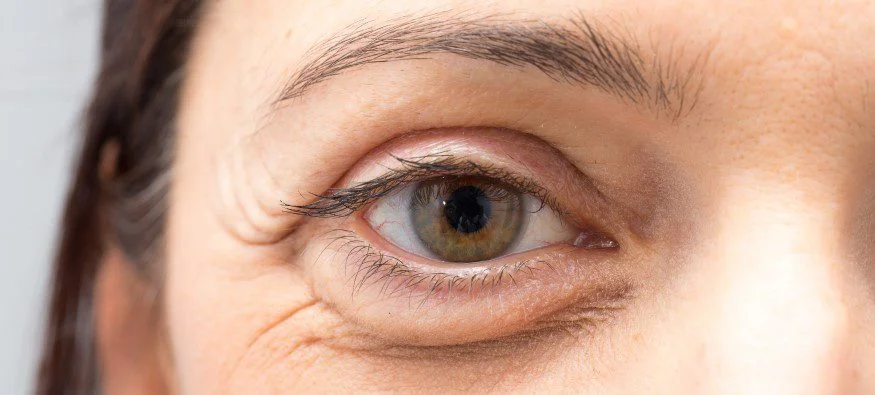
My Experience With Under‑Eye Puffiness
Conventional Treatment for Under‑Eye Bags
Conventional treatments for under‑eye bags include:
See also: Do Reading Glasses Weaken Eyesight? | Complete Answer
Home Remedies and Complementary Care for Under‑Eye Bags

There are various home remedies that may help, but it is best to visit the Eye Center at Batal Specialized Center in Jeddah for a comprehensive eye evaluation, appropriate treatment for under‑eye puffiness, and personalized advice and follow‑up care to help you get rid of under‑eye bags.
See also: Amblyopia Treatment in Adults | Types, Causes, and Symptoms of Lazy Eye