
Med info
Symptoms, Causes, and Treatment of Nasolacrimal Duct Obstruction in Adults

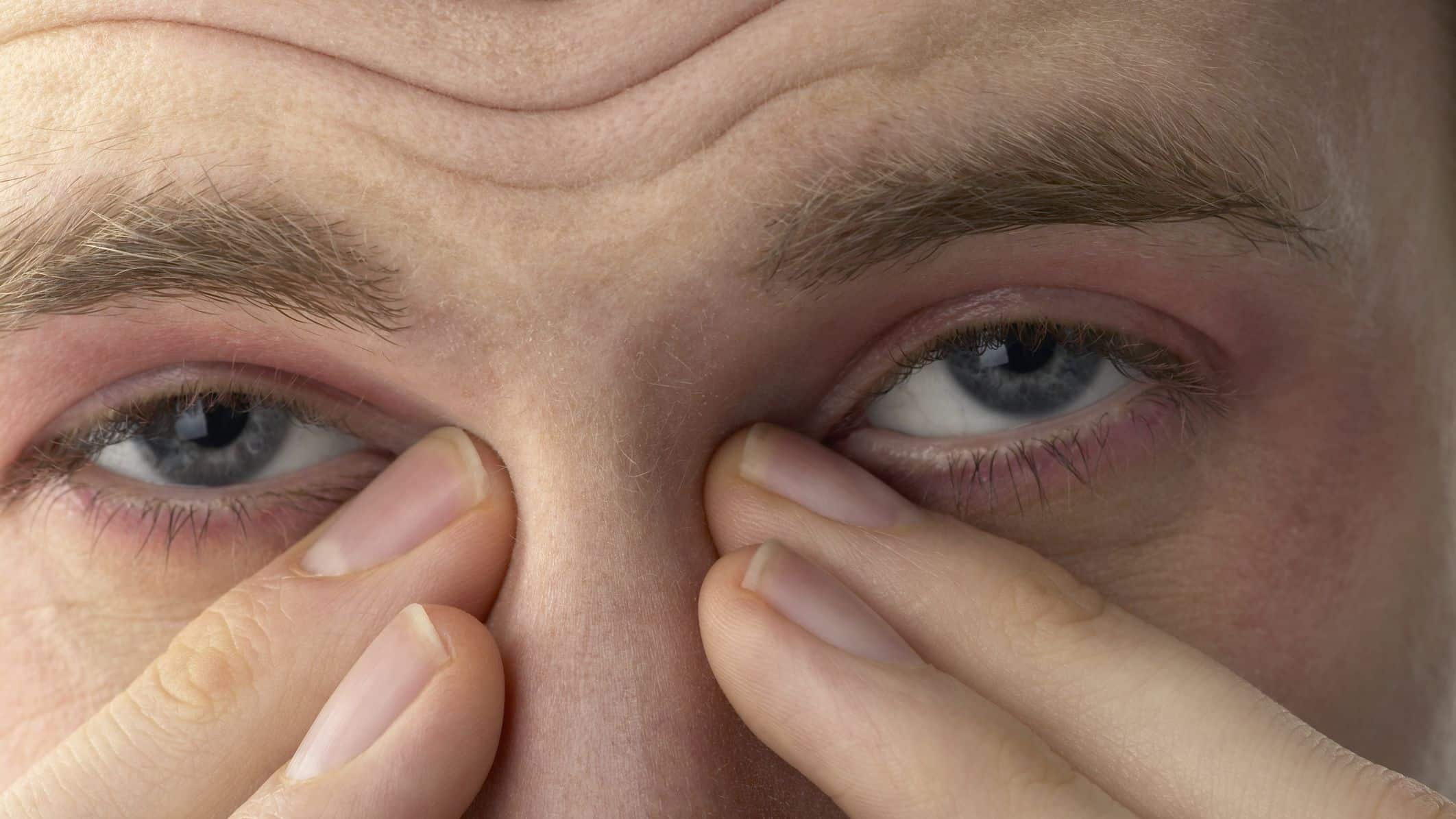
When the tear duct is blocked in adults, tears build up and irritate the eyes. This irritation leads to painful swelling, constant tearing, and a higher risk of eye infections.
When the tear drainage system is working properly, tears flow from the lacrimal glands, located above the outer corner of each eye, across the eye’s surface. They then drain through small openings in the eyelids into a sac on the side of the nose. From there, they pass into a duct that empties into the nose, called the nasolacrimal duct.
A blockage prevents tears from draining, evaporating, or being reabsorbed. That’s why it’s important to visit the Eye Center at Al Batal Specialized Complex in Jeddah for a comprehensive eye exam, proper diagnosis, and treatment of any inflammation or nasolacrimal duct obstruction in adults and children, with full specialized care.
Read also: Can Eyelids Be Lifted Without Surgery?
Causes of Nasolacrimal Duct Obstruction in Adults
In adults, nasolacrimal duct obstruction can develop for several reasons.
In older adults, abnormal narrowing of the tear drainage system (stenosis) is a common cause of tear duct blockage. However, there are many other possible causes of nasolacrimal duct obstruction in adults, including:
Women are about twice as likely as men to develop blocked tear ducts, mainly because their tear drainage passages tend to be narrower.
Read also: Everything You Need to Know About Tear Duct Obstruction in Children
Symptoms of Nasolacrimal Duct Obstruction in Adults
The following signs and symptoms may indicate a blocked tear duct:
When the nasolacrimal duct is obstructed in adults, certain factors can make the symptoms worse, including:
Read also: How Much Does Eyelid Lift Surgery Cost?
Treatment of Nasolacrimal Duct Obstruction in Adults
Most infants born with a blocked tear duct improve without any intervention within 4–6 months. In adults, however, the most appropriate treatment is determined at the Eye Center at Al Batal Specialized Complex in Jeddah, based on the location, severity, and underlying cause of the obstruction. Common treatment options include the following:
Mild Tear Duct Obstruction
In mild cases, the following basic treatments are usually considered:
If these conservative methods do not work, the doctor may recommend more advanced procedures. For this reason, we advise visiting the Eye Center at Al Batal Specialized Complex in Jeddah, where you can benefit from the expertise and skill of its specialists.
Severe Tear Duct Obstruction
In more severe cases, surgeons typically perform a procedure that creates a new passage between the lacrimal sac and the nasal cavity to bypass the blockage. During this surgery, the surgeon may place small stents (tubes) and, in some cases, reconstruct a new tear drainage pathway.
Read also: Everything You Need to Know About Eyelid Reduction Surgery
Tear Duct Obstruction Caused by Tumors
This may involve enlarging the puncta (the small openings in the eyelids) and ensuring that the tear drainage pathway remains open.
Obstruction Due to Chronic Inflammation or Scarring
Balloon catheter dilation, performed under general anesthesia, may be used. In this procedure, a small balloon is inflated inside the narrowed or blocked passages to widen them and restore flow.
Risk Factors for Nasolacrimal Duct Obstruction
Several different factors can increase the risk of developing nasolacrimal duct obstruction in adults, including:
In addition, blocked tear ducts are more common in people with the following conditions:

When the tear drainage system is blocked, it can cause pain, interfere with vision, and significantly raise the risk of infection. The symptoms of nasolacrimal duct obstruction in adults can be quite bothersome, so it is important to visit the Eye Center at Al Batal Specialized Complex in Jeddah, where effective treatments are available to relieve the obstruction.
Read also: Ocular Migraine – Causes, Symptoms, and Treatment