
Med info
Can Eye Drops Treat Cataracts?

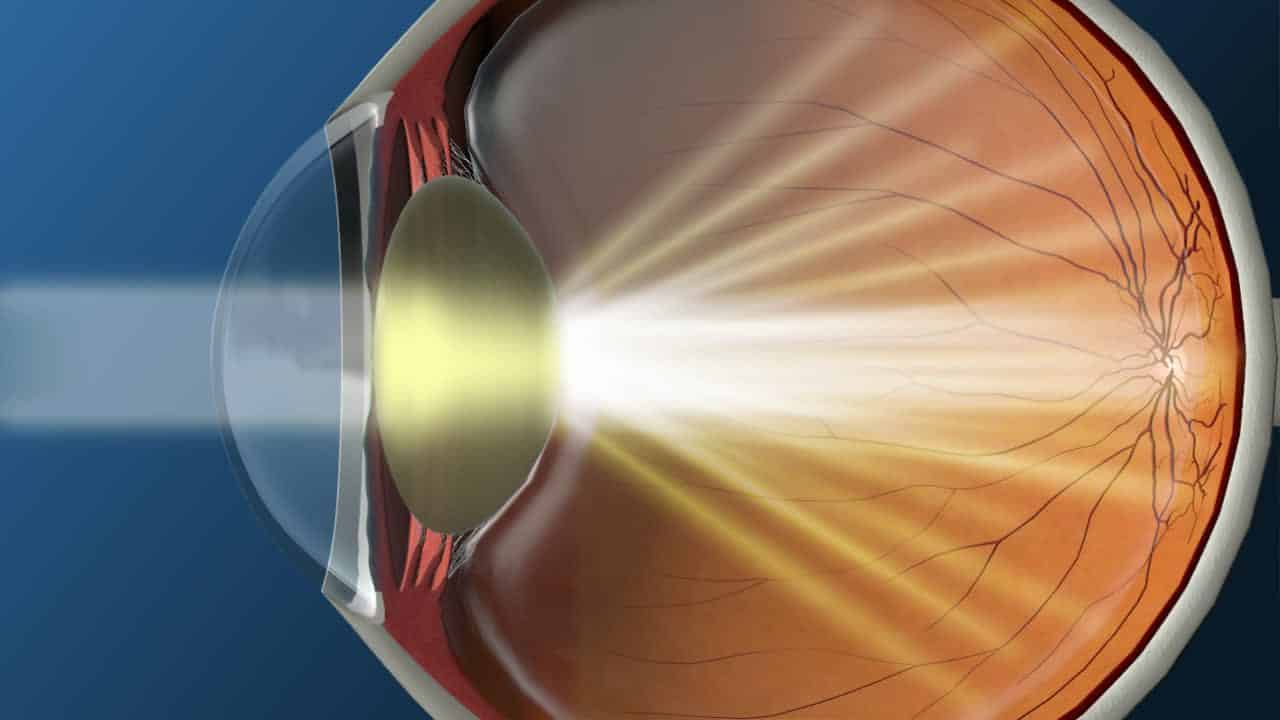
By definition, a cataract is a clouding of the eye’s lens that affects vision. It develops when the crystalline proteins in the lens break down and start clumping together. Cataracts can occur in one eye or both, but they do not spread from one eye to the other.
The Eye Center at Al Batal Specialized Complex in Jeddah is considered one of the leading centers in this field, with highly trained ophthalmology specialists who provide accurate and advanced cataract management.
See also: Bags Under the Eyes | Causes, Symptoms, Diagnosis, and Treatment
Symptoms of Cataracts
Symptoms can vary from person to person, but they generally include the following:
See also: Eye Hemorrhage | Causes, Symptoms, and Treatment
Types of Cataracts in Detail
There are three main types of cataracts:
Nuclear Sclerotic Cataract
This type develops when the central, nuclear area of the lens gradually hardens and turns yellow. It is the most common type of cataract.
Cortical Cataract
This occurs when opacities form in the lens cortex (the outer layer) and progress toward the center of the lens. Cortical cataracts are particularly common among people with diabetes.
Posterior Subcapsular Cataract
In this type, a small cloudy area forms just beneath the posterior lens capsule, at the back surface of the lens.
When someone develops a cataract, there is no need to panic, as the Eye Center at Al Batal Specialized Complex in Jeddah offers treatment options that can help slow its progression and manage cataracts effectively.
See also: LASIK for Astigmatism | Facts, Treatment Options, and Benefits
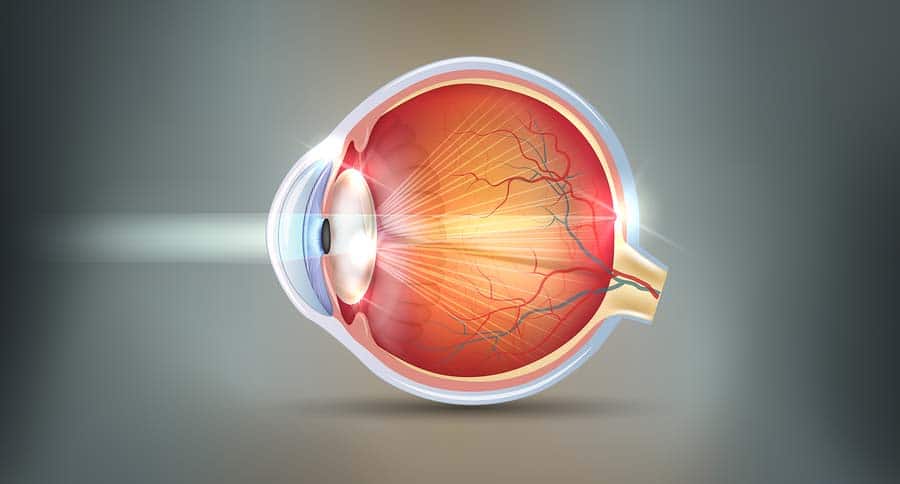
Cataracts
Causes of Cataracts
Many factors can contribute to cataract formation. Some cataracts result from underlying health conditions such as diabetes, pre‑existing eye diseases, eye injuries, previous eye surgery, or long‑term exposure to ultraviolet (UV) radiation.
Most cataracts, however, are age‑related. Cataracts can also have a genetic component. In general, any factor that alters the normal structure or composition of the lens tissue can lead to cataract development.
Regardless of how a cataract forms, it may go unnoticed at first. Over time, vision can deteriorate significantly and interfere with daily activities, even in people who otherwise follow a healthy eye‑care routine.
See also: Causes of Eye Irritation and How to Treat It
How Are Cataracts Treated?
Certain general adjustments in eye care and lifestyle can help manage cataracts or slow their progression:
See also: Ocular Migraine | Causes, Symptoms, and Treatment
When Is Cataract Surgery Necessary?
Cataracts can cause permanent damage to the natural lens. If left untreated, they may eventually lead to severe visual impairment or even complete blindness, with a major impact on quality of life.
If vision becomes so poor that it seriously limits daily activities, cataract surgery may be necessary.
If you experience eye pain or notice a decline in your vision, you should contact the Eye Center at Al Batal Specialized Complex in Jeddah, Saudi Arabia, for a comprehensive eye examination, full medical evaluation, cataract treatment, and appropriate follow‑up care.
See also: Droopy Eyelids (Ptosis) | Causes, Symptoms, Treatment, and Everything You Need to Know
Do Cataract Eye Drops Really Work?
An eye drop called Can‑C has been marketed with claims that it can reduce or slow the progression of cataracts. However, recent research does not support the effectiveness of eye drops in treating cataracts or preventing their development.
To date, no eye drops have been approved by regulatory authorities such as the FDA for the treatment of cataracts.
See also: Is Laser Eye Surgery Painful?
In summary, the best approach is to book an appointment at Al Batal Specialized Complex so an ophthalmologist can examine your eyes, identify the main problems, and choose the most appropriate treatment for your condition.
Under‑eye puffiness is often caused by temporary factors such as lack of sleep, chronic stress, poor nutrition, or fatigue related to illness or medication. You can seek help at the Eye Center in Al Batal Specialized Complex to address and treat bags under the eyes.
See also: Learn About the Causes of Dry Eye
Symptoms of Under‑Eye Bags
Under‑eye bags appear as mild swelling or puffiness of the skin beneath the eyes. How long they persist depends on the underlying cause.
If the trigger is resolved, the swelling may improve; however, when under‑eye bags are hereditary, they can be difficult to treat and may become permanent or gradually worsen over time.
Please contact the Eye Center at Al Batal Specialized Complex for consultation and an appointment to discuss the best way to treat under‑eye bags.
See also: How to Treat Blepharitis Quickly
Causes of Under‑Eye Bags
Changes associated with fatty under‑eye bags tend to develop gradually over time (although not always). Causes of fat‑based under‑eye bags include:
Changes associated with fluid‑based under‑eye bags are often short‑term. Causes of fluid‑based under‑eye bags include:
Other causes of under‑eye bags include:
See also: Causes of Myopia (Nearsightedness)
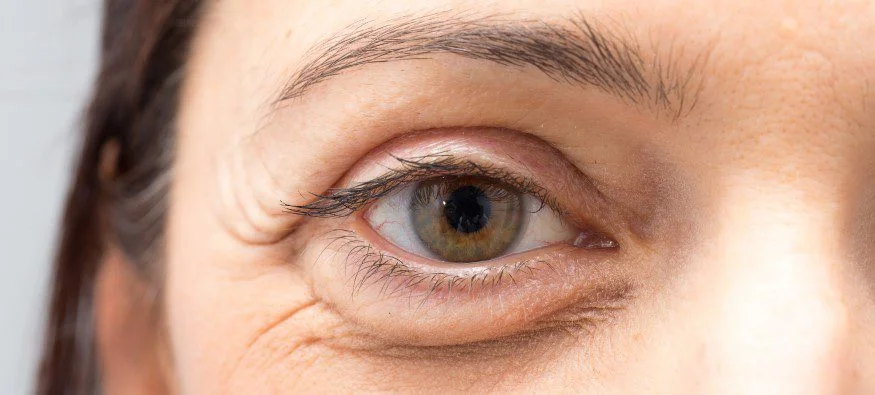
My Experience With Under‑Eye Puffiness
Conventional Treatment for Under‑Eye Bags
Standard treatment options for under‑eye bags include:
See also: Do Reading Glasses Weaken Your Vision? | The Complete Answer
Home Remedies and Complementary Care for Under‑Eye Bags

There are various home remedies that may help, but it is preferable to visit the Eye Center at Al Batal Specialized Complex in Jeddah for a thorough eye evaluation, appropriate treatment for under‑eye puffiness, and personalized advice and supportive care to help eliminate under‑eye bags.
See also: Amblyopia Treatment in Adults | Types, Causes, Symptoms of Lazy Eye