Med info
Dental Crowns | Pros and Cons

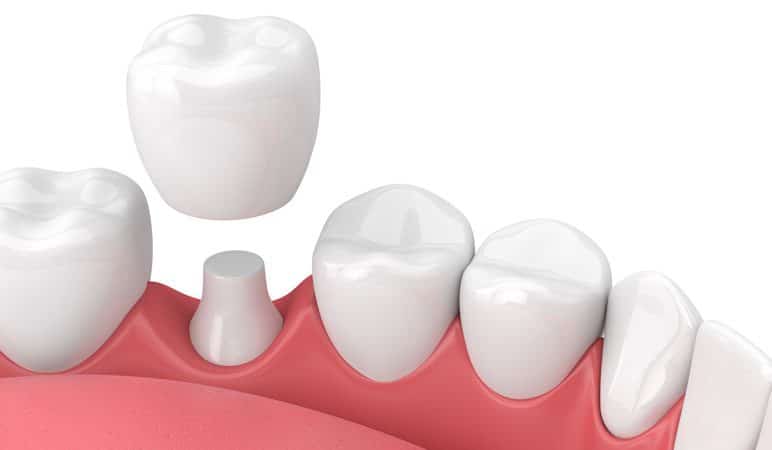
Dental crowns are a specific type of restorative dental treatment designed to improve the function and appearance of teeth. Crowns are made from several different materials, ranging from porcelain to metal. Getting a dental crown is considered a specialized dental procedure because it requires multiple steps to complete safely and effectively.
See also: Repairing Dental Problems with Crowns and Bridges
What Do Crowns Treat?
Crowns are not a “treatment” in themselves as much as they are a form of dental restoration. Porcelain dental crowns are designed to cover damaged teeth while closely mimicking the function and look of a natural tooth.
Why Are Crowns Important in Dentistry?
Crowns are an important part of dental care because they allow dentists to restore the function of damaged or compromised teeth instead of having to remove the tooth altogether. Crowns can be placed after root canal treatment or after a large cavity has been cleaned and filled, and they can also be used in conjunction with dental implants.
See also: The Difference Between Dental Implants and Dentures
Pros and Cons of Dental Crowns
Below are some of the main advantages and disadvantages of dental crowns:
Advantages of Dental Crowns
Dental crowns are essential components in many treatment plans and come with a number of benefits. Crowns are durable, aesthetically pleasing, and can help you keep your natural teeth instead of resorting to extraction.
Improved Strength After Decay
When a natural tooth has suffered extensive damage or decay, it becomes more vulnerable to fracture and further deterioration. Placing a crown over such a tooth can help prevent additional decay and improve overall oral health by reinforcing a weakened tooth.
Enhanced Aesthetics
Crowns have long been used to improve the appearance of decayed, broken, or cracked teeth. Whether they are placed on front teeth or back teeth, porcelain and composite crowns can significantly improve the look of teeth that show obvious signs of damage.
See also: Why You Might Need a Tooth Extraction
Better Function
Whether made from metal or porcelain, a crown restores the function of a damaged or decayed tooth, allowing you to bite and chew with similar force to a natural tooth. From dental implants to dental bridges, crowns act as a key component that lets your teeth and jaws function normally, even when there has been damage or tooth loss.
See also: Braces vs. Aligners | Comparing Two Orthodontic Options
Disadvantages of Dental Crowns
Tooth Preparation
Before a crown can be placed, the tooth must be reshaped and other preparatory steps must be completed. The dentist trims and contours the tooth so the crown can fit properly and still look natural. This process means that once a tooth has been crowned, it can no longer function normally without that crown, making the procedure essentially permanent—even if no further decay occurs.
See also: The Difference Between Tooth Caps and Crowns
Need for Replacement
Although it is clear that temporary crowns are meant to be replaced, many people do not realize that permanent dental crowns will also need to be replaced eventually. Because crowns are not natural teeth, they do not last forever in the mouth. Over time, they must be replaced to prevent damage to the crown itself, the underlying tooth, or the surrounding teeth.
See also: Invisalign Braces | What They Are, How They Work, and Their Benefits
See also: Zoom Teeth Whitening Technology – How It Works and Whether It’s Right for You
What Is a Dental Crown?
A dental crown is a hollow, artificial tooth designed to fit over an existing tooth after it has been trimmed and shaped. The crown completely covers the tooth all the way down to the gumline, restoring the tooth’s original shape, color, and function.
How Long Will My Crown Last?
Porcelain crowns typically last at least 15 years with proper care and maintenance, and it’s not unusual for them to last more than 20 years. The porcelain or ceramic materials used to fabricate your crown are very durable and similar to natural enamel in strength and hardness, so you can expect your crown to have a long service life.
Why Do I Need a Dental Crown?
Dental crowns are necessary to restore teeth that are too badly decayed to be repaired with a filling alone. They are also used to protect teeth that have undergone root canal therapy, or to restore teeth that are broken or cracked due to trauma or injury. The best way to know whether a crown is right for you is to schedule an appointment with a dentist at Bataal Specialized Medical Complex.
Are Crowns Used for Cosmetic Dentistry?

Crowns are most commonly used in restorative dentistry, but in some cases they can serve a cosmetic purpose as well. For example, teeth that are severely misshapen or discolored may not respond well to bonding or veneers and may need to be fully covered with a crown to achieve an acceptable cosmetic result.