
Med info
What Is the Best Vision Correction Surgery in 2026?

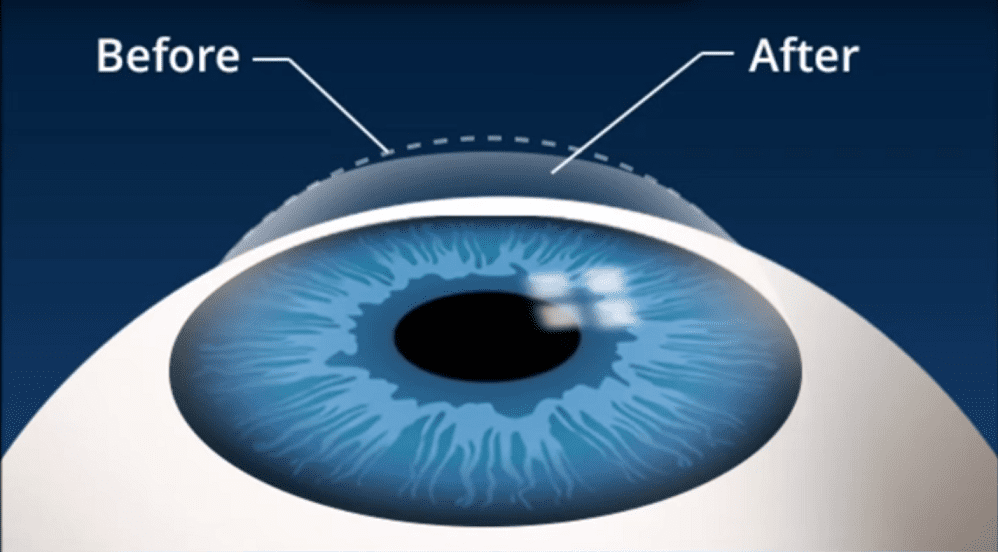
Laser vision correction has become extremely popular. In this article, we’ll look at the best vision correction surgeries in 2026 that help free patients from the daily hassle of glasses and contact lenses. With many options now available—such as LASIK and other laser procedures—how can you know which is the best eye correction surgery in 2026 if you have a refractive vision problem?
See also: Everything You Need to Know About Advanced Surface Ablation
List of the Best Vision Correction Surgeries in 2024
The best vision correction surgeries in 2024 include:
LASIK
The most widely known type of laser eye surgery is LASIK (Laser-Assisted In Situ Keratomileusis). For people with refractive errors such as myopia (nearsightedness), hyperopia (farsightedness), or astigmatism, LASIK has become the gold standard procedure. LASIK restores optimal vision by creating a corneal flap, allowing the surgeon to access and reshape the underlying corneal tissue. Modern LASIK has revolutionized laser eye surgery, giving patients reliable, rapid results with minimal discomfort and short recovery times.
However, not everyone is a candidate for LASIK. To qualify, both you and your eyes must meet several clinical criteria. Your ophthalmologist will perform a comprehensive eye exam to determine whether LASIK is appropriate for you. If you are found to be a suitable candidate, there are different LASIK techniques available, such as bladeless LASIK, MonoLASIK, and Epi-LASIK. LASIK can also sometimes be used to help treat amblyopia (“lazy eye”) when the condition is caused by a significant difference in refractive error between the two eyes.
See also: Learn About the Benefits of Laser Cataract Surgery
PRK
See also: Pterygium (“Eye Surfer’s Eye”) – Everything You Need to Know
LASEK
LASEK (Laser Epithelial Keratomileusis) is similar to LASIK in that a corneal flap is created to allow the surgeon to reach the deeper layers of the cornea, which are then reshaped with a laser to correct vision. In LASEK, however, the flap is much thinner than in LASIK and consists only of the epithelium, making it somewhat similar to PRK.
Unlike PRK, the epithelial flap in LASEK is repositioned over the treated area at the end of the procedure, and a bandage contact lens is placed on the eye to protect it and promote healing.
See also: Everything You Need to Know About YAG Laser Capsulotomy After Cataract Surgery
SMILE
SMILE (Small Incision Lenticule Extraction), often called “Femto SMILE,” is a newer, minimally invasive laser vision correction procedure used primarily to treat myopia and astigmatism. During SMILE, the surgeon creates a thin, lens-shaped piece of tissue (lenticule) within the cornea using a femtosecond laser, then removes this lenticule through a very small incision in the cornea. As the tissue heals over a few days, vision becomes significantly clearer.
Recovery after SMILE is typically faster than with LASIK, but SMILE currently cannot correct hyperopia (farsightedness).
See also: LASIK for Astigmatism – Facts, Treatment Options, and Benefits
Non‑Laser Vision Correction Surgery
With so much focus on laser eye surgery, it’s easy to forget that there are also effective non‑laser procedures. For some common eye conditions, the best vision correction option may actually be a non‑laser surgery. Below are the most common non‑laser approaches:
Conductive Keratoplasty (CK)
Conductive keratoplasty is a minimally invasive, non‑laser procedure that uses a small probe and low‑heat radiofrequency energy to reshape the cornea and improve vision. It may also be used to enhance vision in people who have previously undergone cataract surgery or even LASIK.
See also: Causes of Eye Irritation and How to Treat It
Phakic Intraocular Lens (IOL) Implantation
Phakic IOL implants are used to correct the vision of patients with moderate to high myopia who are not good candidates for LASIK. The eye’s natural lens is left in place, and a clear implantable lens is inserted in front of the natural lens, usually between the iris and the cornea. This helps light focus properly on the retina, resulting in clearer vision.
Refractive Lens Exchange (RLE)
Refractive lens exchange is another non‑laser surgery, typically performed to correct presbyopia (age‑related difficulty focusing up close), high hyperopia, or cataracts. In this procedure, the eye’s natural lens, which is causing the visual problem, is completely removed and replaced with an artificial intraocular lens.
See also: 8 Tips to Avoid Eye Strain During the COVID‑19 Pandemic
Which Type of Eye Surgery Is Best for You?
Every person’s eyes are unique, so the best type of vision correction surgery is the one recommended by your ophthalmologist after a thorough examination and consultation. Several factors must be considered, including:
See also: Laser Eye Surgery vs. Contact Lenses – Which Is Better?
Does Laser Eye Surgery Hurt?
Because numbing eye drops are applied before the procedure, laser eye surgery itself is generally painless. After treatment, some patients experience mild discomfort during the early stages of healing. The level of discomfort depends on the specific procedure performed, but any pain is usually short‑lived, and you can typically start enjoying clearer vision within a few days.
How Long Does Laser Eye Surgery Take?
You can expect to be in and out of the operating room in under 30 minutes. The actual time the laser is applied to each eye is very short—usually from just a few seconds up to about two minutes—depending on how complex your prescription is.
How Quickly Will You Notice Results After Laser Eye Surgery?

Most patients notice a significant improvement in their vision within 24 hours of surgery. You can expect even greater improvement by the end of the full recovery period, which varies from person to person and depends on factors such as the specific type of treatment you had.