Med info
Cost of Vision Correction Surgery at Batal Specialized Medical Complex

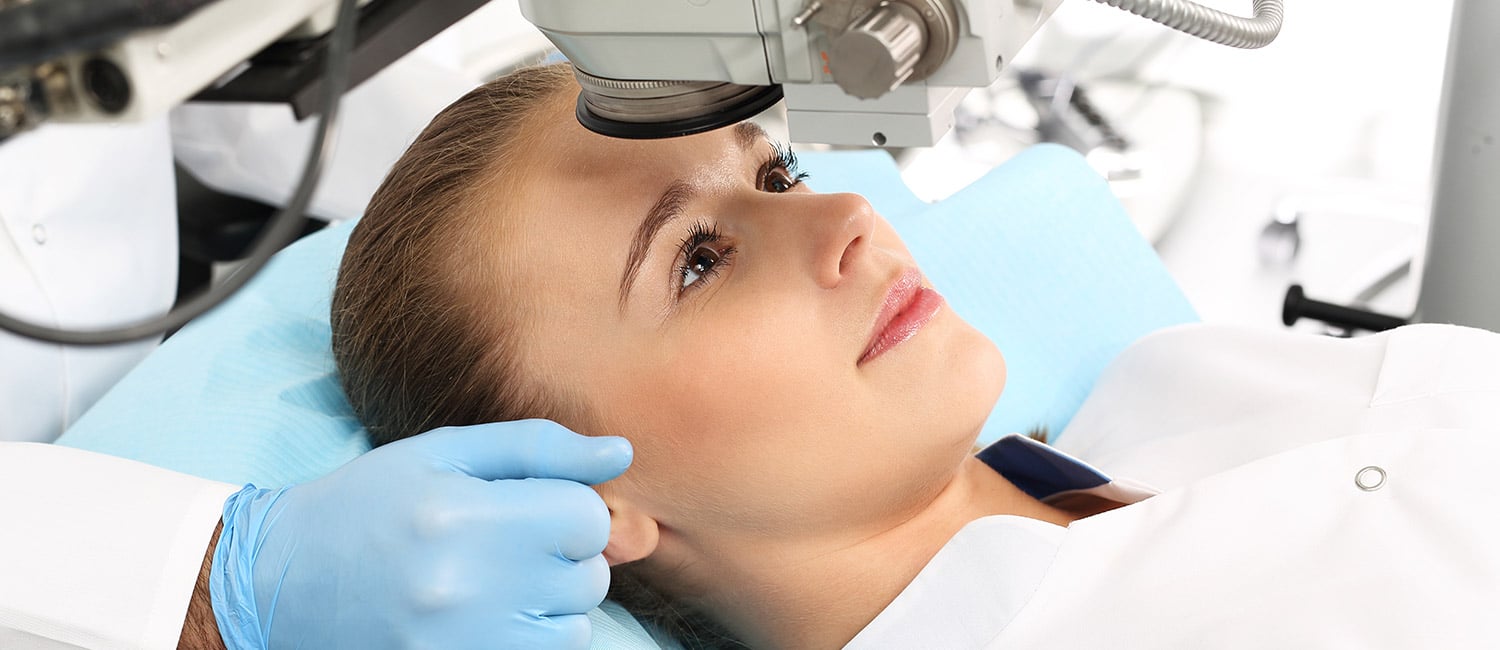
Laser vision correction surgery has been popular ever since it was first approved by the U.S. Food and Drug Administration (FDA) more than two decades ago. Around one million eyes used to be treated with laser eye surgery techniques each year. Recently, that number has declined slightly, with an average of about 800,000 eyes treated annually over the past few years.
LASIK (Laser-Assisted in Situ Keratomileusis) can be expensive, but it is only one type of refractive (vision correction) surgery. Many of these procedures are commonly referred to as “LASIK” regardless of the exact technique used. However, no matter how it is performed, laser vision correction surgery can cost thousands of riyals per eye.
In this article, we will look at how much you can expect to pay for vision correction surgery in Saudi Arabia. The average cost of laser eye surgery and LASIK (laser vision correction surgery) depends on several factors, but in general prices start from about 3,000 SAR per eye.
The Eye Center at Batal Specialized Medical Complex in Jeddah, Saudi Arabia, is considered one of the leading centers in this field. It is known for its highly experienced ophthalmologists and state-of-the-art technology, as well as its high standards of patient care. Patients undergo thorough evaluation and all necessary tests prior to surgery to help ensure successful outcomes.

How much does vision correction surgery cost in Saudi Arabia?
How Can You Improve Your Vision?
Laser eye surgery is one of the most common alternatives to wearing glasses or contact lenses, and it has helped improve the vision of many patients over the past 30 years. However, many people do not realize that it is only one of several available treatment options.
At Batal Medical Center, we have a team of leading ophthalmology consultants ready to provide you with an initial consultation, address any vision concerns you may have, and recommend the most appropriate treatment option for your individual case.
Our goal is to offer the highest level of personalized care using the latest technologies and techniques. We specialize in reducing patients’ dependence on glasses through laser vision correction procedures and lens-based solutions.
What Is Refractive Lens Exchange (RLE)?
Refractive Lens Exchange (RLE) is a more involved type of eye surgery and can be an option when laser eye surgery is not suitable. In RLE, your natural eye lens is removed and replaced with a high‑quality artificial intraocular lens (IOL) made of silicone or premium plastic.
The optical properties of the implanted lens can correct almost any refractive error, including myopia (nearsightedness), hyperopia (farsightedness), and astigmatism.
RLE is almost identical to traditional cataract surgery. In both procedures, the natural lens is replaced with a clear artificial implant. The main difference is the indication: cataract surgery is performed to treat lens clouding and glare when vision can no longer be adequately corrected with glasses, whereas RLE is primarily done to reduce or eliminate the need for glasses or contact lenses.
Vision Correction Surgery Cost in Saudi Arabia in 2024
The cost of vision correction surgery in Saudi Arabia, including in Jeddah, varies considerably. According to a 2021 report on LASIK trends, prices are lower than they were decades ago due to advances in technology, but typically still start from around 3,000 SAR per eye.
In one of the top hospitals in Jeddah, the cost of vision correction is approximately 4,900 SAR including preoperative assessment, with special discounts available for teachers, students, military personnel, and other sectors.
When you compare this to the cost of glasses, contact lenses, and regular eye exams over 8–10 years, vision correction surgery often ends up being roughly equivalent in total expense.
Factors That Affect the Cost of Vision Correction Surgery in Saudi Arabia
The price of vision correction surgery in Saudi Arabia depends on several factors, including but not limited to:
– Type of procedure (standard LASIK, Femto-LASIK, Contoura, PRK, SMILE, RLE, etc.)
– The patient’s refractive error and corneal condition
– Technology used (standard vs. custom wavefront-guided lasers, femtosecond laser)
– The experience and reputation of the surgeon
– The facility level (specialized center vs. general clinic)
– Preoperative tests and postoperative follow-up schedule
– Whether enhancements (touch-up procedures) are included if needed
Is LASIK Covered by Insurance When Calculating Vision Correction Costs in Saudi Arabia?
Because laser vision correction is considered an elective (non-emergency) procedure, very few private insurance companies cover the full cost. In most cases, the patient pays out of pocket, although you may sometimes use health benefit programs or partial coverage if your plan allows it.
Some large insurers or certain private insurance plans may offer partial or full coverage for LASIK or other refractive procedures, depending on the policy terms.
The best way to know is to contact Batal Specialized Medical Complex and ask about your specific insurance provider and what portion, if any, of the vision correction surgery cost can be covered, as well as any remaining balance you would owe. You can easily book an appointment or send an inquiry through the phone numbers listed on our website or via the appointment booking page.
What Does the Cost of Vision Correction Surgery Include?
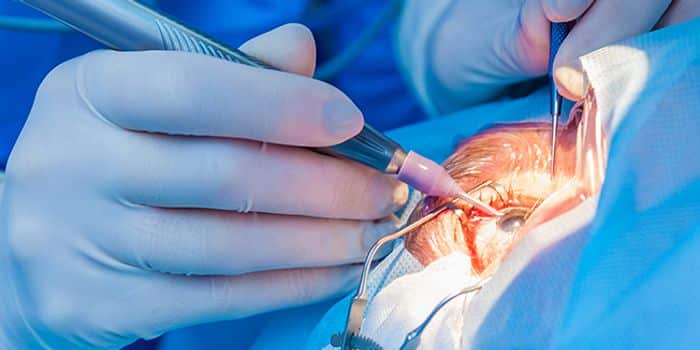
What is included in the cost of LASIK or laser eye surgery depends on the provider. Some surgeons who advertise very low prices may add extra fees later instead of offering an all‑inclusive package upfront.
Services that may or may not be included in the quoted price can include:
– Initial consultation and comprehensive eye exam
– Preoperative diagnostic tests (corneal topography, pachymetry, etc.)
– The surgery itself (one or both eyes)
– Postoperative medications (eye drops)
– Follow-up visits over a specified period
– Enhancement surgery if needed within a certain time frame
Always ask clearly what is included in the total cost before deciding.
How to Find the Right Surgeon for Vision Correction Surgery
Make sure that the procedure you are considering is truly appropriate for your specific vision problem. Here are some tips for choosing a surgeon and questions you might want to ask before scheduling your surgery:
– What type of procedure do you recommend for my eyes, and why?
– How many procedures like mine have you performed?
– What are the potential risks, complications, and side effects in my particular case?
– What is included in the fee, and are enhancements or retreatments covered if needed?
– What technology and laser platform will you use?
– What is the expected recovery time and follow-up schedule?
Do not hesitate to contact us with any medical question or concern.
Types of Vision Correction Surgery
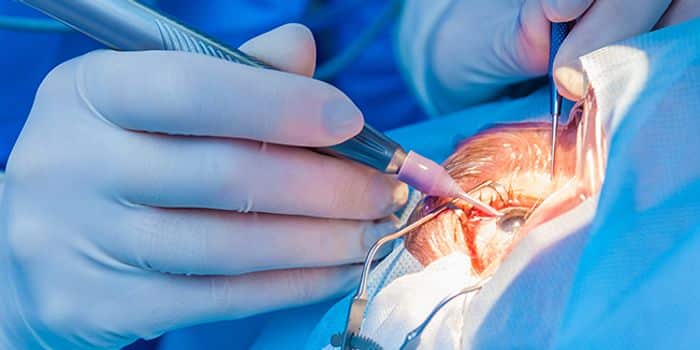
Cost of Laser Eye Surgery
“LASIK” is commonly used as a general term for laser vision correction surgery, but in reality it refers to one specific technique. There are several surgical methods to correct refractive errors using either lasers or micro‑surgical instruments, including:
– Standard LASIK
– Femto-LASIK (all-laser LASIK)
– PRK (Photorefractive Keratectomy)
– SMILE (Small Incision Lenticule Extraction)
– Contoura Vision (topography-guided LASIK)
– Refractive Lens Exchange (RLE)
– Phakic IOLs (implantable contact lenses)
All-Laser Wavefront LASIK
A more advanced version of traditional LASIK is all‑laser wavefront‑guided LASIK. This is a bladeless technique that uses more sophisticated technology.
In this procedure:
– A femtosecond laser is used to create the corneal flap instead of a mechanical microkeratome.
– A wavefront-guided excimer laser is then used to reshape the cornea based on a highly detailed optical map of the eye, addressing higher-order aberrations in addition to standard refractive errors.
Because of its strong safety profile and precision, all‑laser LASIK has become the gold standard in laser vision correction. This advanced approach typically costs about an additional 500 USD (or the equivalent in SAR) per eye, due to the use of both femtosecond and excimer laser technologies.
Contoura LASIK
Building on the all‑laser Wavefront LASIK platform, Contoura Vision, introduced around 2018, takes laser vision correction a step further through an ultra‑advanced data capture and topography system.
This technology essentially redefines “quality of vision,” similar to how television evolved from standard definition to high definition. The result is that patients may perceive colors as more vivid and fine details and textures more clearly.
This leap was made possible by the system’s ability to capture up to 22,000 unique data points per eye for treatment planning, compared to the previous industry standard of about 9,000 points per eye.
If the surgeon uses wavefront technology for the customized treatment step but does not use a femtosecond laser to create the corneal flap, the overall cost will likely fall somewhere between that of conventional LASIK and full all‑laser LASIK.
How Successful Is LASIK?
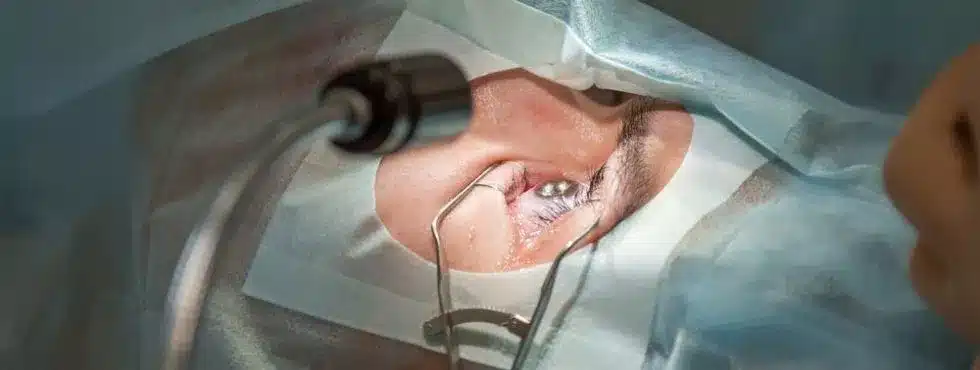
How Much Does LASIK Cost in Saudi Arabia?
As with most surgical procedures, there is always a possibility that LASIK or any other type of vision correction surgery may need to be repeated (an enhancement), or that you may experience complications.
Most side effects are temporary and tend to resolve within about three months. In some cases they can last up to a year, and in a small minority of patients they can be longer‑term.
Common side effects may include:
– Dry eyes
– Glare and halos around lights, especially at night
– Fluctuating or slightly blurred vision
– Light sensitivity
– Mild discomfort or a foreign-body sensation
According to ARSC (and similar refractive surgery registries), fewer than 1% of LASIK patients experience serious complications such as significant infection or the need for repeat surgery for major problems. Nonetheless, not everyone is a good candidate for LASIK.
An FDA study reported that more than 95% of people who undergo laser vision correction are satisfied with their results.
When Is LASIK Used?
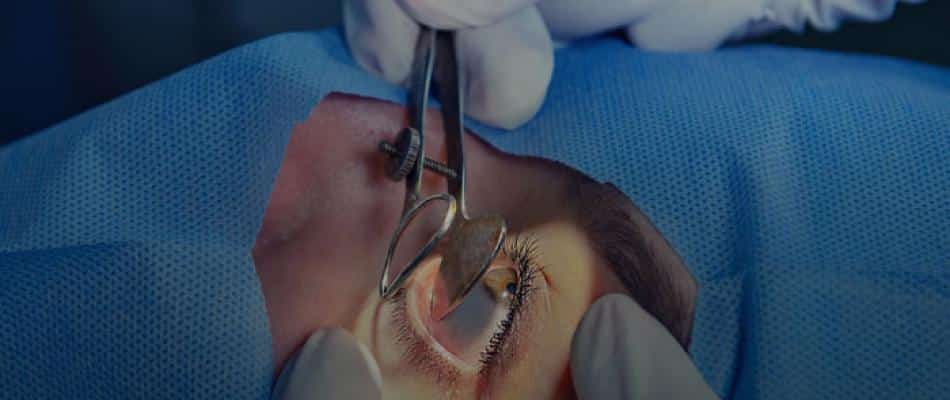
Cost of Femto-LASIK
LASIK and other refractive procedures can be relatively costly and do not guarantee perfect results for everyone. It is essential to:
– Confirm that you are a suitable candidate for LASIK.
– Explore different surgeons and centers.
– Understand that some patients may require enhancement procedures.
– Be aware that certain side effects can last for several months.
Because there are many variations of LASIK and refractive procedures, you must do thorough research before choosing a treatment center. Your evaluation should consider all relevant factors in addition to cost, such as technology, surgeon experience, and quality of follow-up care.
You should also be cautious about clinics that heavily advertise dramatically “discounted” LASIK prices. Often, these offers present a low base fee for the surgery but then add numerous extra charges that erase most of the advertised savings.
When Should I Seek Medical Care for Complications After Vision Correction Surgery?
Most patients who undergo laser vision correction experience minimal discomfort after surgery and are very satisfied with their outcomes. However, if you have any questions or concerns, you should contact your surgeon.
Warning signs after laser vision correction include:
– Sudden decrease in vision
– Severe or increasing eye pain
– Increasing redness or discharge
– Persistent light sensitivity or halos that worsen
– Any new symptoms that concern you
If you experience any of these warning signs, contact your doctor immediately. Do not delay to see if the symptoms “get better on their own” over the next few days.
How Should I Prepare for Vision Correction Surgery?
Everyone considering LASIK or a similar refractive procedure must have a comprehensive preoperative eye examination. During this exam:
– Corneal thickness is measured using a device called a pachymeter. It is crucial that enough corneal tissue remains after surgery; if the cornea is too thin, LASIK may not be safe and could lead to complications such as corneal ectasia.
– A detailed map of the corneal surface (corneal topography) is created to rule out conditions like keratoconus or irregular astigmatism, which can lead to poor surgical outcomes.
– Pupil size is measured in both bright and dim light. Patients with very large pupils in low light may be at higher risk for night-vision problems after LASIK and may not be ideal candidates.
– Your refractive error (prescription) is measured before and after dilating the pupils to ensure that it is stable.
– A glaucoma screening and a thorough retinal examination are also performed.
If you wear contact lenses (soft or rigid), you will be asked to stop using them for a period before the exam—this duration varies by lens type and physician. Contact lenses can temporarily alter the shape of the cornea and distort measurements needed for safe and accurate surgery. Your cornea and prescription must be stable before proceeding.
Global Costs of Vision Correction Surgery
The average cost of LASIK and other vision correction surgeries varies significantly from one medical center to another and is usually quoted per eye. The price can start from the equivalent of about 3,000 SAR and go up to tens of thousands of riyals, depending on the country, technology, and surgeon.
For most people, paying for LASIK is a decision that requires planning and careful consideration of options. When it comes to your eye health and vision, it is worth investing in high-quality care.
While you are thinking about the price of laser eye surgery or “How much does vision correction surgery cost?”, you should also focus on choosing a trustworthy ophthalmologist who is experienced in laser vision correction. This factor is at least as important as the cost itself.
You must also ensure that you are a good, or ideally an excellent, candidate for the procedure. Following these steps first will help you make a confident decision about what is best for you and your vision, and then you can move on to the financial aspects, such as:
– The cost of vision correction surgery in Saudi Arabia
– The cost of laser procedures (LASIK, Femto-LASIK, etc.)
– The cost of treating astigmatism or strabismus in Saudi Arabia
Cost of Vision Correction Surgery in Saudi Arabia (in SAR)

Cost of LASIK Eye Surgery
LASIK is the most popular type of laser refractive surgery for vision correction. On average, the cost of vision correction in Saudi Arabia—under different names such as:
– Cost of laser eye surgery
– Cost of astigmatism correction in Saudi Arabia
– Price of vision correction surgery
– Cost of laser vision correction
– Cost of strabismus (squint) surgery in Saudi Arabia
and other related procedures tends to start around 3,000 SAR per eye. The price increases depending on the patient’s ocular health, the complexity of the case, and the specific technique used.
What’s Included in the Price of Laser Vision Correction?
The cost of LASIK varies widely between medical centers. Several factors affect the price of LASIK and other vision correction procedures in Saudi Arabia, but the average that most people pay is around 3,000 SAR per eye.
The amount you pay for LASIK will depend on factors such as:
– The type of LASIK (standard vs. custom wavefront-guided, PRK, SMILE, Femto-LASIK, etc.)
– Whether a femtosecond laser is used to create the flap
– Whether wavefront or topography-guided customization is used
– The surgeon’s level of experience and reputation
– The medical facility and equipment used
– Inclusions such as follow-up visits and enhancements
The least expensive option is usually standard LASIK (non–wavefront‑guided) where a mechanical microkeratome is used to create the corneal flap. This is considered an older LASIK technology.
The higher‑priced option is typically custom, wavefront‑guided LASIK performed with state-of-the-art excimer and femtosecond lasers. Wavefront technology uses a highly precise, computer-generated map of the eye to guide the excimer laser in reshaping the cornea, often providing better visual outcomes than standard LASIK.
The ophthalmic surgeon performing the operation also affects the cost: surgeons with more extensive experience and strong outcomes records usually charge somewhat higher fees due to the level of expertise they provide.
If you are considering LASIK or another vision correction procedure, Batal Specialized Medical Complex in Jeddah is an excellent choice. The center features highly qualified specialists such as Dr. Issa Baeesa, Dr. Bara Faham, and Dr. Saud Al-Juhani, who offer detailed preoperative consultations and comprehensive examinations to ensure the best possible results.

The center provides advanced medical services using the latest technologies, with a strong focus on postoperative care and follow‑up. If you are looking to improve your vision and reduce or eliminate your dependence on glasses or contact lenses, you can book an appointment with one of our ophthalmologists today.